




The Survey Results Highlighting Japanese Car Owners' Short Decision-Making Periods
Overview of the Recent Survey on Car Ownership in Japan
A recent survey conducted by Asmark Co., Ltd., based in Shibuya, Tokyo, aimed to shed light on the realities of car ownership in Japan. The survey targeted individuals aged between 20 and 60 who possess a driver's license and own their vehicle, driving on average at least once every three months. The findings of this survey, undertaken from September 4 to September 7, 2025, were publicly released on December 5, 2025.
Key Findings
The results reveal significant shifts in the automotive market. Japanese car owners exhibit changes in their buying patterns, influenced by factors such as the urban-rural divide, variances in vehicle ownership, and the persistent trend of younger generations moving away from car ownership. Comparatively, both the US and China are witnessing rapid EV adoption. In China, for instance, domestic manufacturers are gaining market share, while Japanese automakers appear to be losing traction.
Understanding the desires and actions of current car owners in these three regions is increasingly vital for devising effective product planning and sales strategies. As such, this survey specifically focused on Japanese car owners, gathering data about their primary usage, ownership duration, associated costs, purchasing methods, consideration intervals prior to purchase, and trust in advanced technologies.
Ownership Insights
Current Vehicle Body Types
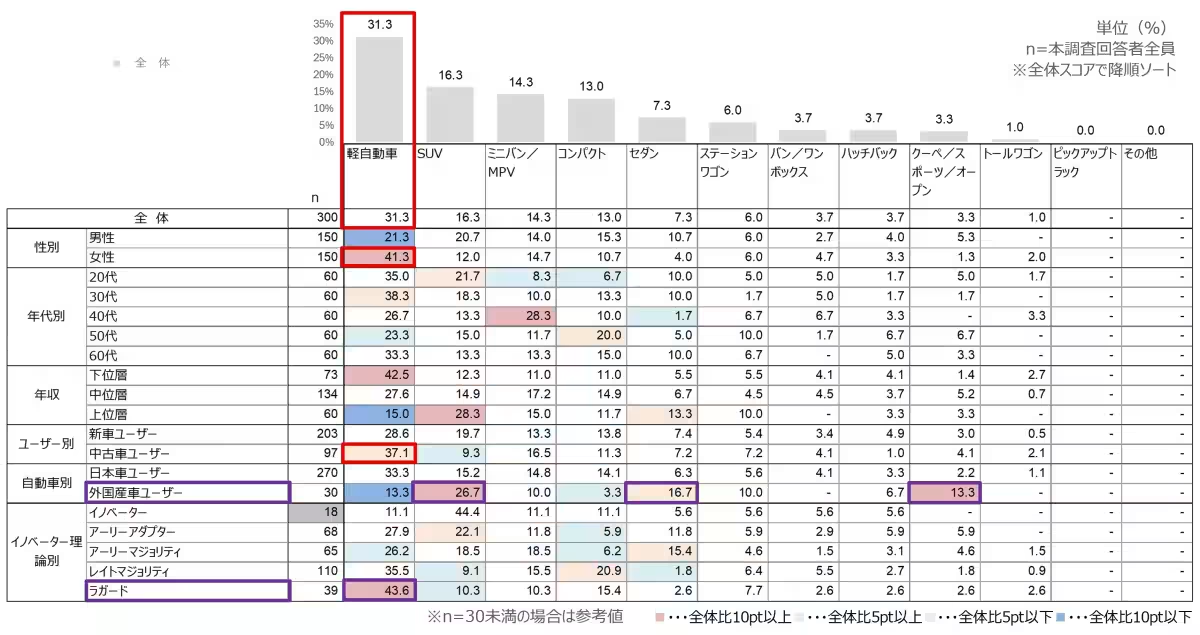
Approximately 30% of respondents currently own light vehicles, making it the most common body type, particularly favored by women and used car owners where ownership rates exceed 40%. Conversely, foreign car users favor SUVs, sedans, and coupes—suggesting a shift towards emotional rather than functional values.
Decision-Making Duration for Purchases
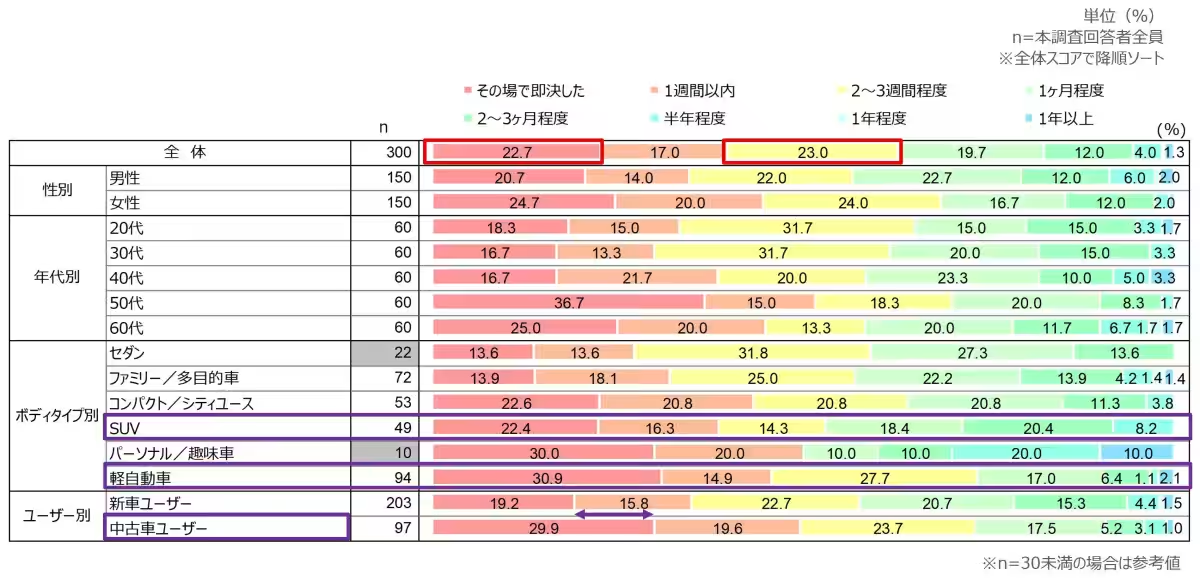
The survey's results highlighted that a significant portion of consumers, categorized as 'short decision-makers', decide to purchase their vehicle either immediately or within a span of 2 to 3 weeks. Older demographic groups showed a tendency toward longer consideration periods, particularly for SUVs.
Reasons Behind Purchase Source Selection
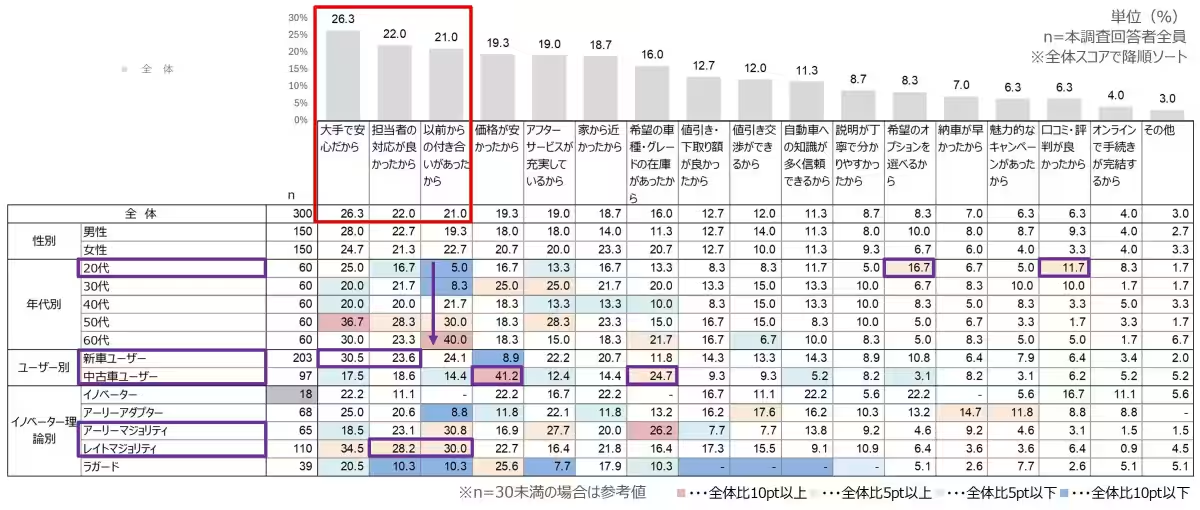
For the reasons respondents chose their purchasing sources, trust and relationships were paramount. Factors such as 'brand reliability', 'salesperson responsiveness', and ongoing relationships dominated the responses, marking a recognizable feature within the Japanese market where personal connections often outweigh price-related factors.
Awareness of Advanced Technologies
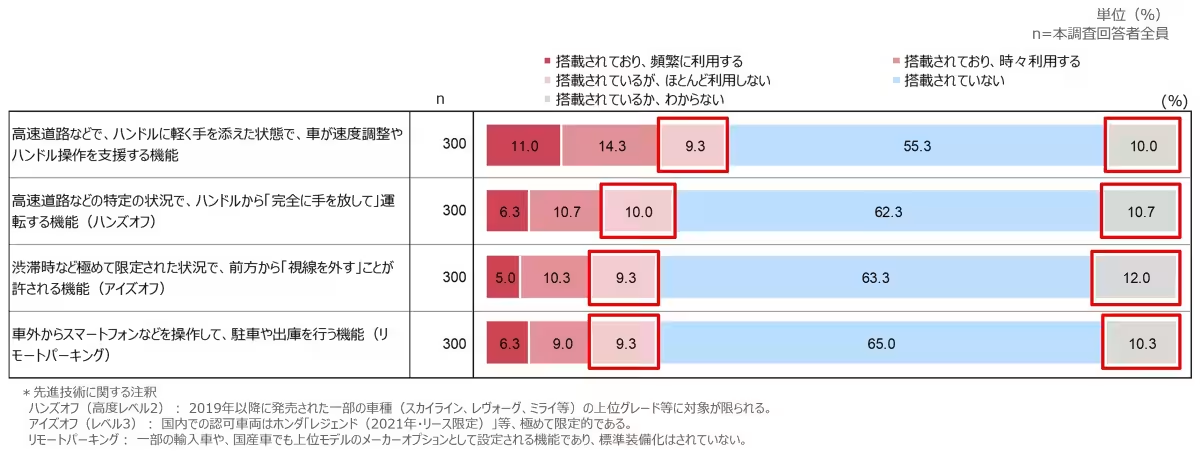
When asked about their vehicle's advanced technology functionality, respondents showed high awareness rates, ranging from 20% to 35%. However, concerns have been raised regarding potential confusion among consumers about the functions of various technologies. Questions about usability and understanding reveal a gap between available features and consumer familiarity.
Overall Satisfaction Levels
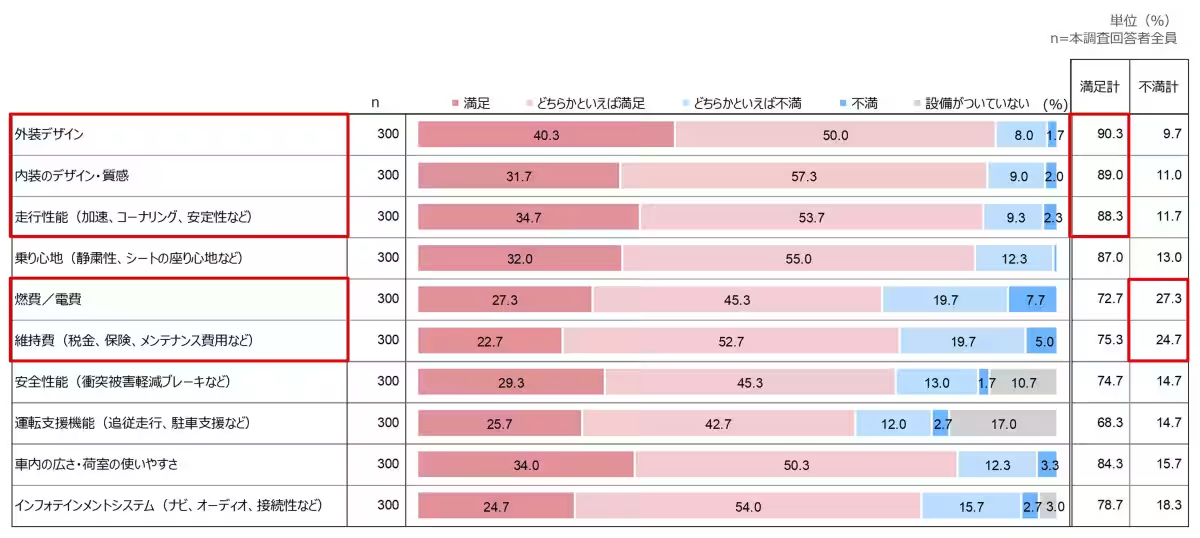
The survey results point to high satisfaction levels among respondents, with approximately 90% expressing contentment in areas concerning exterior design, interior design, and overall driving performance. However, satisfaction concerning running costs, such as fuel efficiency and maintenance fees, lagged, indicating a notable discrepancy in expectations versus reality.
Future Considerations
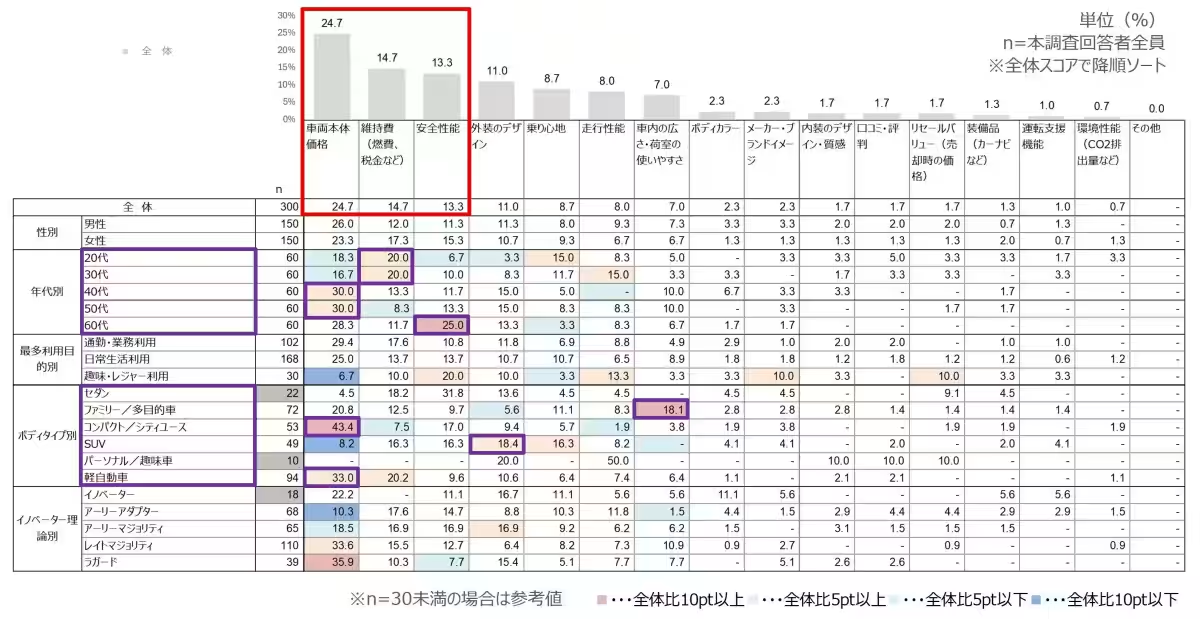
The dominant factor for respondents when considering the next vehicle purchase was the 'purchase price', which accounted for more than a quarter of responses. Other key considerations included maintenance costs and safety performance, reflecting ongoing economic concerns across various demographic groups.
Conclusion
As trends in vehicle ownership shift dramatically both in Japan and globally, these insights serve as an essential source for understanding the current demands and behaviors of car owners. As trends continue to evolve, it remains critical for automakers and marketers to adapt their strategies responsively.
Access to Survey Data
Additional resources such as raw data, summary tables, and comprehensive reports are available for download to provide deeper insights into the survey findings.
For more insights into the survey results and to download the relevant data, you can visit the Asmark website.

Topics Consumer Products & Retail)
【About Using Articles】
You can freely use the title and article content by linking to the page where the article is posted.
※ Images cannot be used.
【About Links】
Links are free to use.