



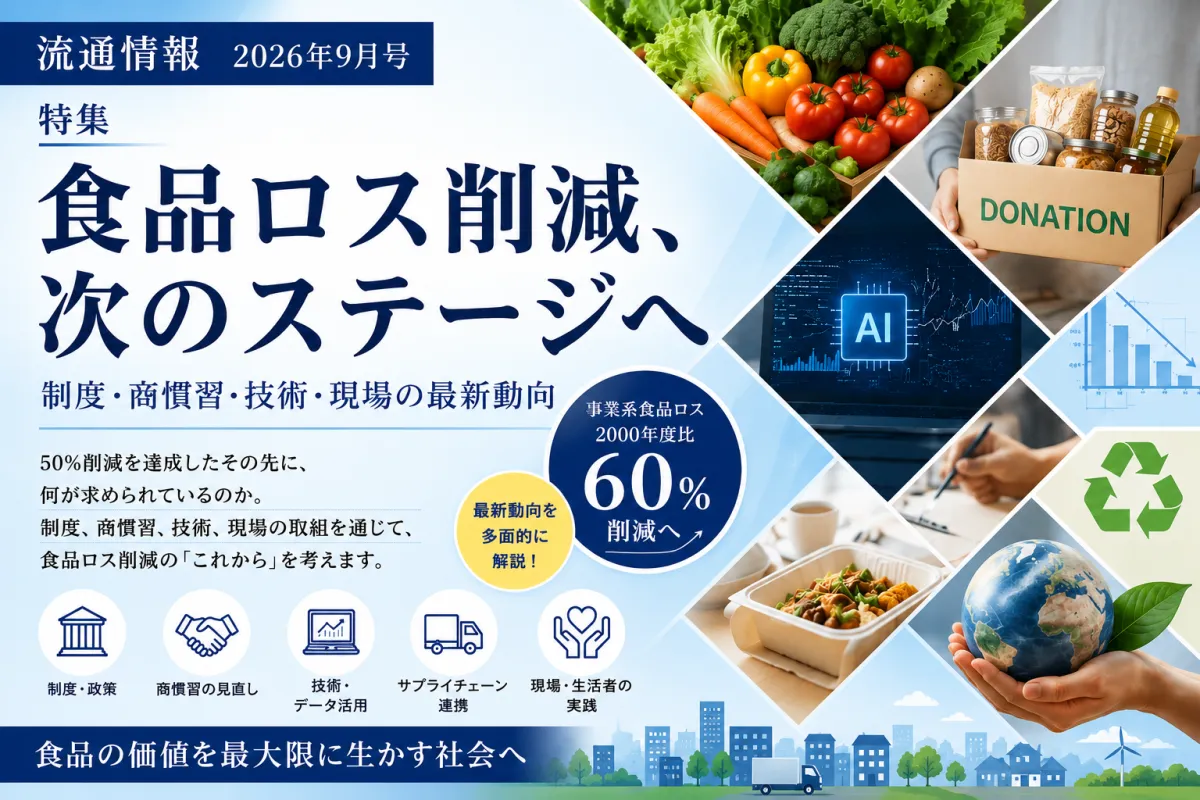
Addressing Food Waste: Innovative Strategies for Reduction and Next Steps
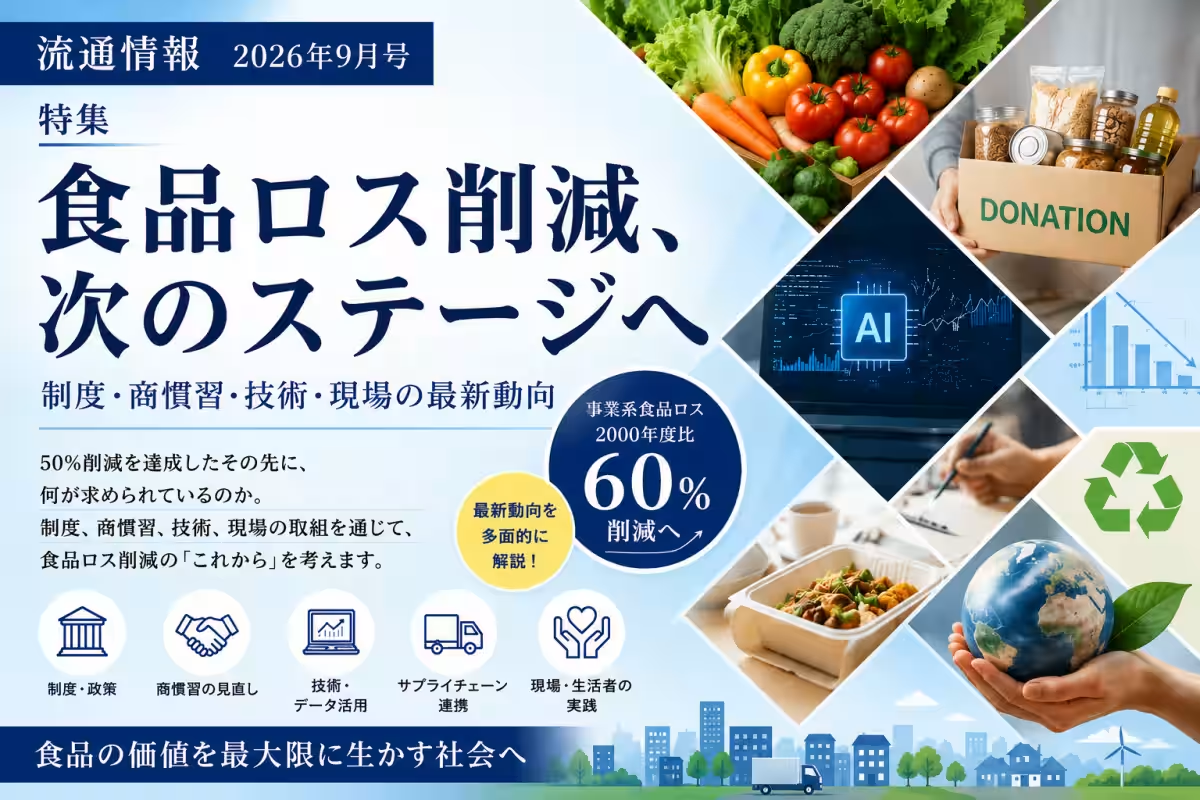
Addressing Food Waste: Innovative Strategies for Reduction and Next Steps
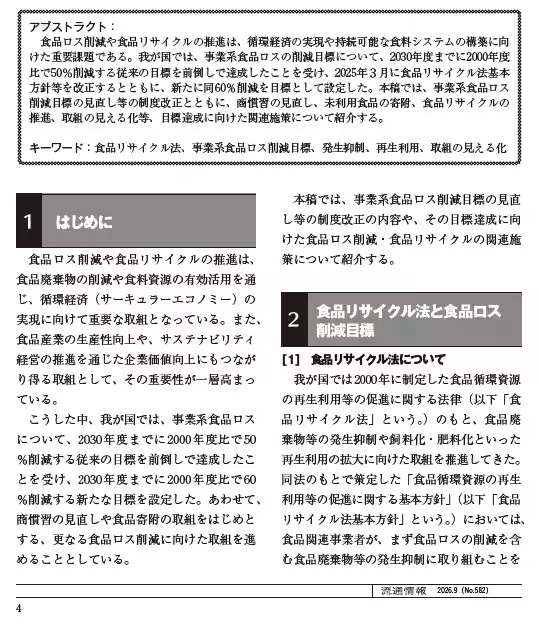
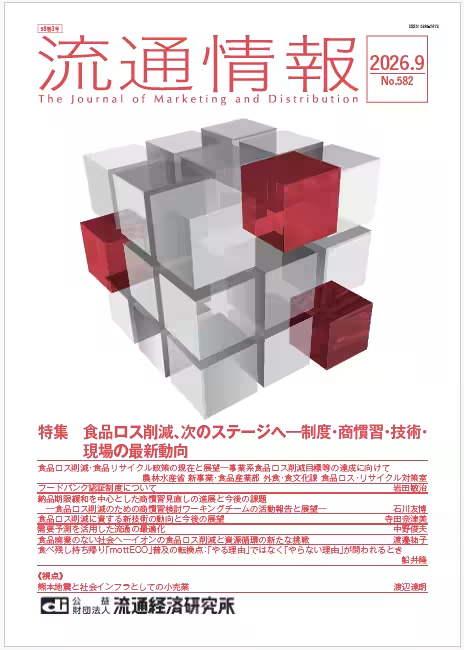
In recent years, Japan has made significant progress in reducing food waste, especially within business-related sectors. Thanks to the dedicated efforts of the food distribution industry, government bodies, and businesses, the country has met its original goal of cutting food waste by 50% by 2030, comparing to the level in 2000. Now, a new target has been set, aiming for a 60% reduction by the same year. However, achieving this ambitious goal will require fresh ideas and approaches.
This article delves into the ongoing initiatives to minimize food waste, highlighting our understanding of past successes while considering future challenges. Specifically, we will examine three key perspectives: creating an environment where businesses committed to waste reduction are favored, fostering collaboration throughout supply chains and local communities, and rigorously assessing the effectiveness of policies and strategies.
Additionally, recent advancements following the implementation of the Food Waste Reduction Promotion Act will be discussed, focusing on how changes in business practices—such as relaxed deadlines for deliveries and the use of AI for demand forecasting—are reshaping the landscape of food waste reduction.
The Shift Beyond Simple Waste Reduction
Reducing food waste has transitioned from merely aiming to cut spoilage rates to maximizing food value throughout the supply chain. Initiatives have emerged to reassess business customs, including flexible delivery deadlines and broadening the scope of expiration date labeling, allowing for potential extensions.
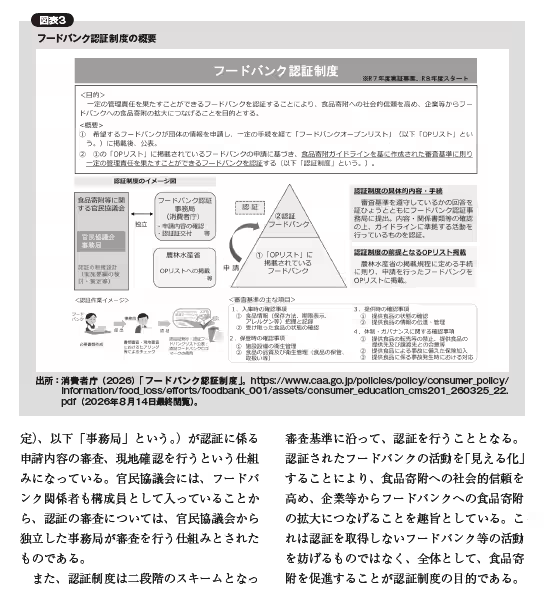
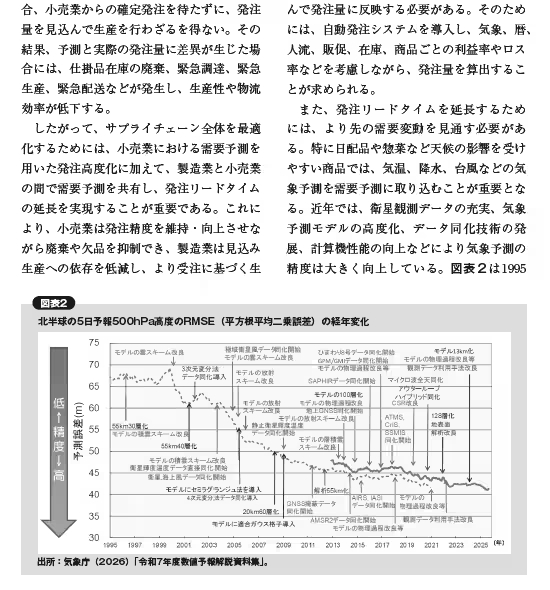
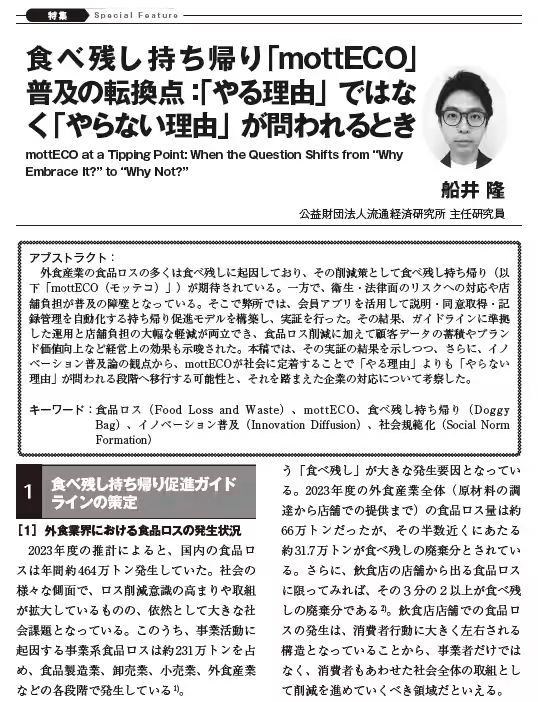
Technologically, AI has enhanced forecasting accuracy, which in turn optimizes ordering and production processes. In addition to dynamic pricing and upcycling technologies, innovations are opening new avenues. The recent introduction of a Food Bank Certification System aims to support food donations, while the “mottECO” initiative actively promotes the practice of taking home leftovers from restaurants.
This evolving approach underscores the idea that food waste reduction is more than just an isolated challenge; it is about reevaluating the food supply chain holistically.
Key Discussion Points
In this detailed discussion, experts from various sectors—including government, academia, and the business landscape—will explore the present state and future trajectories of food waste reduction initiatives:
- - New Reduction Goals and Policy Outlook: An overview from the Ministry of Agriculture, Forestry and Fisheries on updated objectives, regulatory reforms, and ongoing business practices to enhance food waste reduction.
- - Understanding the Food Bank Certification System: Insights from the Consumer Affairs Agency regarding this initiative that instills trust in food donation processes and boosts contributions from businesses.
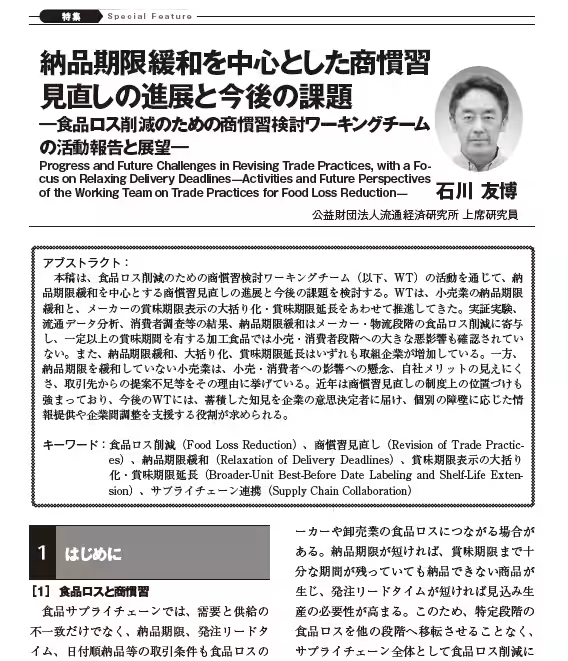
- - Progress in Revising Commercial Customs: Analysis from the Distribution Economics Institute on how changes in delivery deadlines are being tested and the current state of these reforms, alongside remaining challenges.
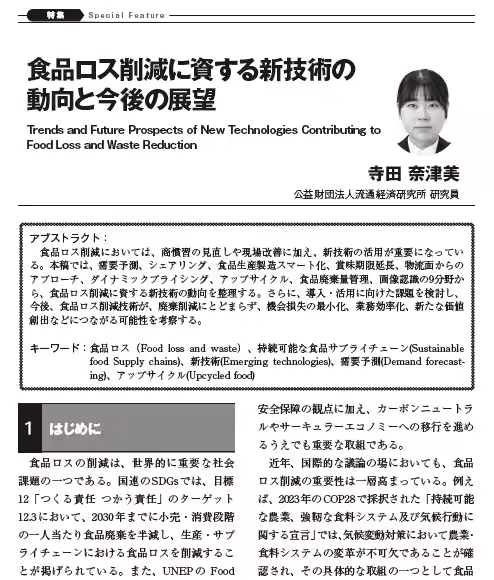
- - Emerging Technologies Supporting Waste Reduction: An overview of innovations within nine sectors that contribute to enhancing efficiency and reducing food waste.
- - Utilizing Demand Forecasts for Better Supply Chain Management: Considerations on how leveraging synergy between sales data and demand forecasting can optimize supply chains and minimize waste.
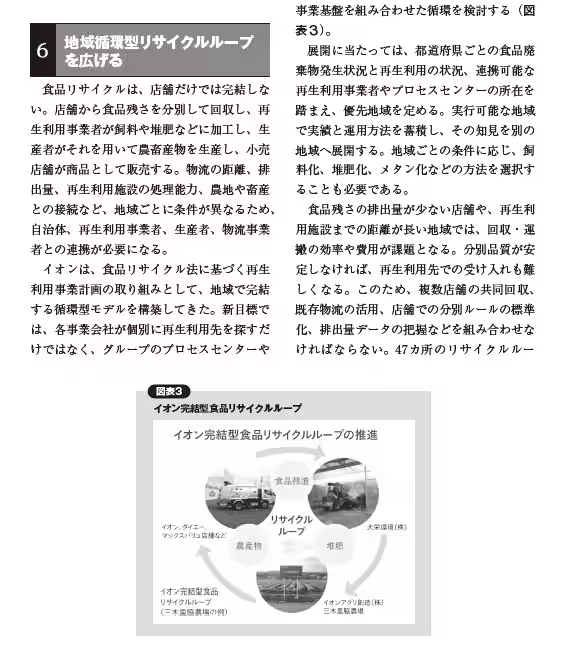
- - AEON’s Commitment to Circular Resource Management: An exploration of AEON's initiatives, including advanced AI usage for demand analysis and resource circulation efforts aimed at achieving long-term sustainability goals.
- - The Transition Toward the “MottECO” Movement: Examination of how “mottECO” is evolving into a societal norm where returning leftovers becomes a standard practice rather than an exception.
Advancing to the Next Stage in Food Waste Reduction
Over the past fifteen years, significant strides have been made in curbing food waste. Moving forward, it is crucial to create a favorable environment for businesses engaged in waste reduction efforts, promote collaboration across all sectors of the food supply chain, and continuously evaluate the effectiveness of implemented policies. The new target of achieving a 60% reduction by 2030 signifies that food waste reduction lies at a pivotal moment, transitioning into the next stage of commitment and innovation.
This special feature aims to provide insights and reflections for stakeholders involved in food waste reduction, including businesses, government officials, and researchers, as they contemplate future actions and strategies.
For further details, visit: DEI Information
Topics Consumer Products & Retail)






【About Using Articles】
You can freely use the title and article content by linking to the page where the article is posted.
※ Images cannot be used.
【About Links】
Links are free to use.