



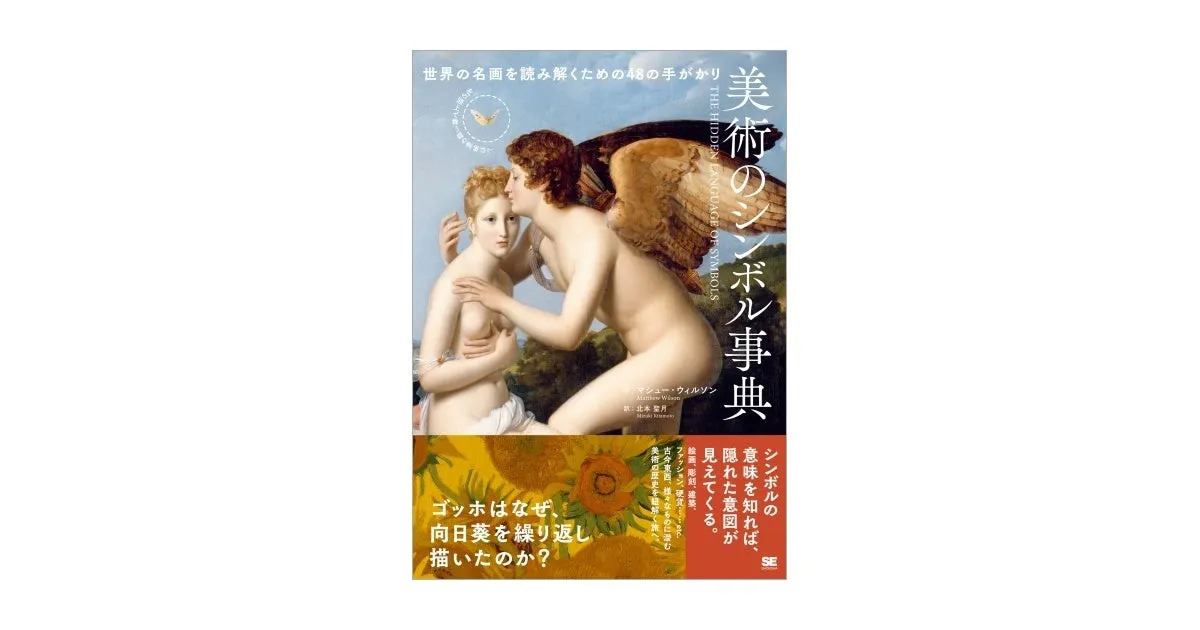
Exploring the Symbols Behind Famous Artworks in a New Book
Unveiling the Symbols of Art: Insights from a New Book
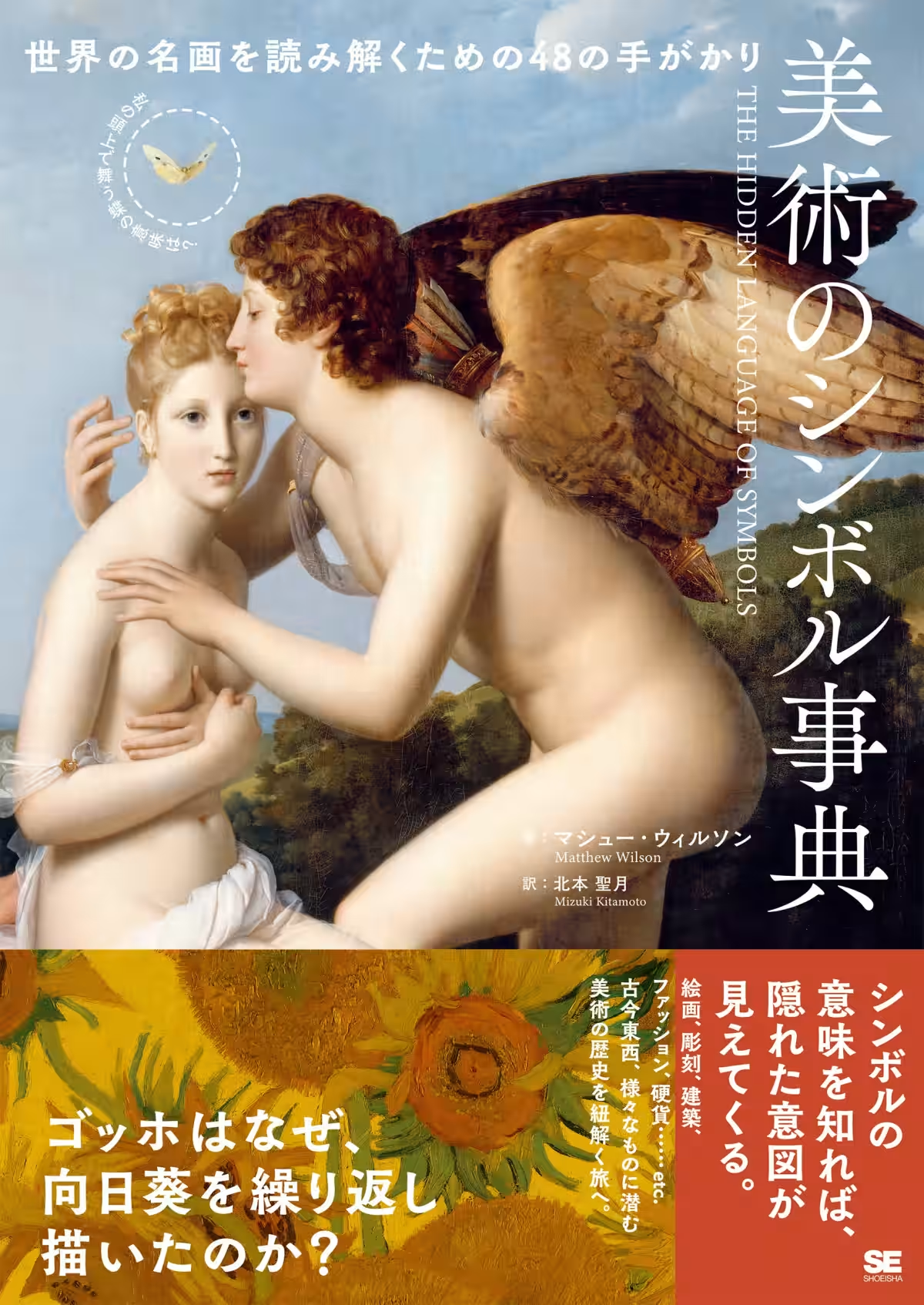
In the world of art, symbols play a crucial role in understanding the deeper meanings and intentions behind masterpieces. The newly released book, "The Dictionary of Art Symbols: 48 Clues to Understanding Famous Paintings," published by Shoei-sha on May 27, 2025, promises to unveil the significance of various symbols found in famous artworks from different cultures and eras. Written by art historian Matthew Wilson and translated into Japanese by Seizuki Kitamoto, this book is set to be a valuable resource for art lovers and scholars alike.
Why Symbols Matter in Art
Art is often seen as a reflection of human emotion, culture, and thought, but it’s the symbols within these artworks that often tell the untold stories. By understanding the meaning behind symbols, viewers can unlock hidden perspectives and emotions that the artist intended to convey. For instance, consider Vincent van Gogh’s repeated portrayal of sunflowers. Beyond aesthetics, these paintings symbolize warmth, affection, and the cycle of life.
A Journey Across Cultures and Time
The book examines 48 distinct symbols commonly found across a range of art from the East to the West. Each symbol is categorized based on its meaning and the historical context that has shaped it over time. The chapters delve into various themes such as power, faith, unease, and hope—showing how symbols transcend geographical and temporal boundaries.
For example, lotus flowers are featured in Claude Monet's "Water Lilies," but they also hold significant meanings in Eastern art and culture, such as enlightenment and rebirth. Understanding the cultural nuances of these symbols can deepen appreciation for artworks—from the breathtaking paintings of Europe to the intricate artifacts of India, Central Asia, and beyond.
Symbolism as a Tool for Engagement
If you've ever pondered questions like, "Why are dragons often depicted in Western art?" or "What is the significance of the laurel wreath in paintings?" this book will provide insightful answers. Readers will learn how symbols serve as clues that guide interpretation and emotional engagement with artworks. The connection between symbols and their meanings helps forge a deeper relationship between the viewer and the piece of art.
Book Details
The text is structured to be user-friendly, beginning with an introduction that sets the stage for the exploration. It comprises four main chapters, which are:
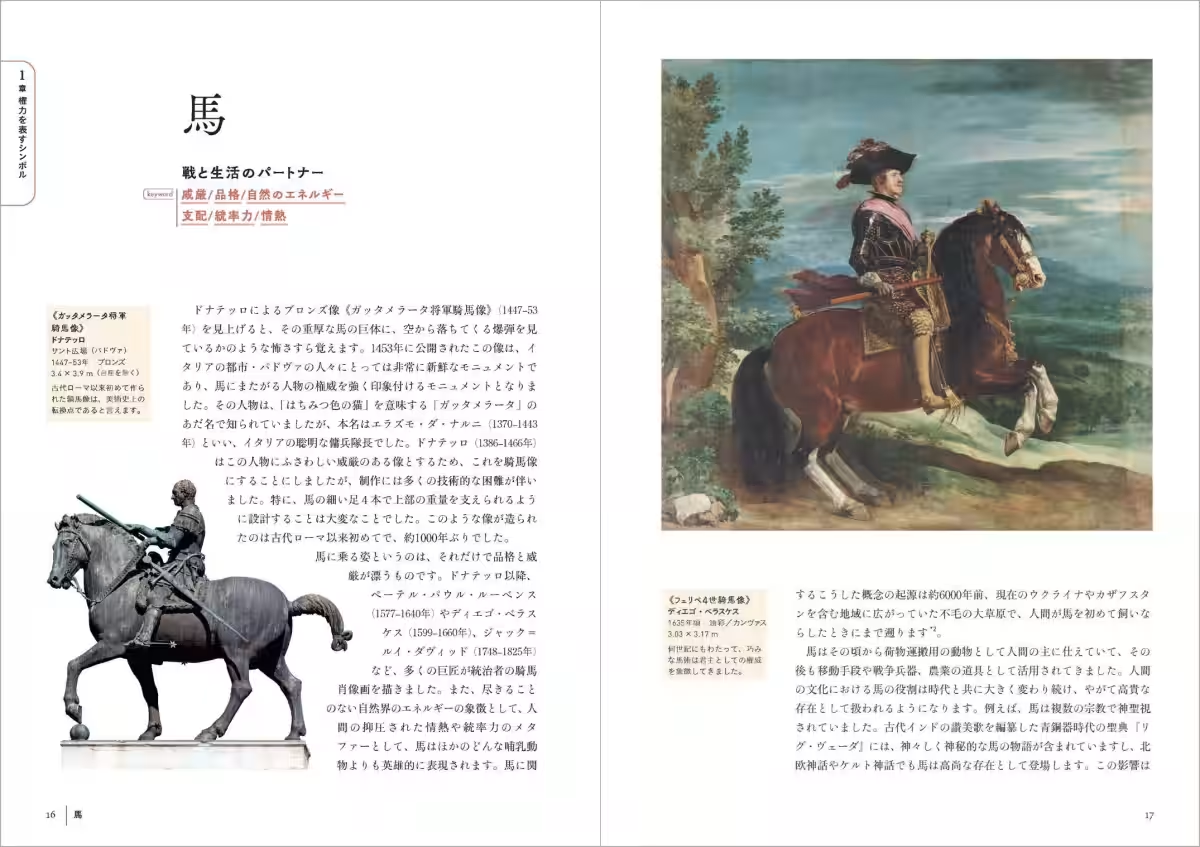
1. Symbols of Power - Exploring icons of authority in art, such as the lion, eagle, and scales.
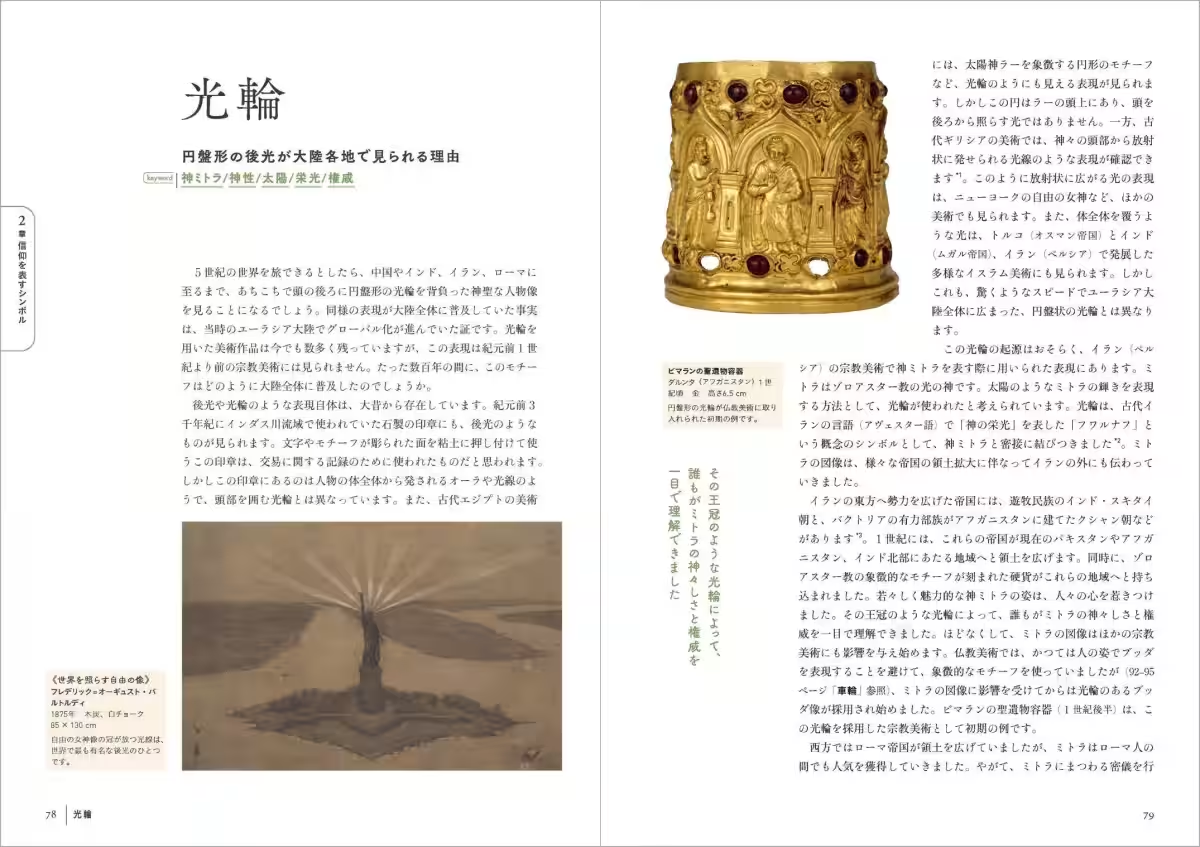
2. Symbols of Faith - Unpacking the spiritual significance of symbols like the lotus, halo, and olive branches.
3. Symbols of Unease - Examining darker themes expressed through symbols such as skulls and serpents.
4. Symbols of Hope - Celebrating symbols of renewal and positivity like the phoenix and rose.
Each chapter is rich with well-researched explanations, historical anecdotes, and colorful images that bring the symbols to life. Readers can expect to gain clarity on how various cultures express similar ideas through different symbols and artwork.
Purchase Information
"The Dictionary of Art Symbols: 48 Clues to Understanding Famous Paintings" comes in a B5 format with 272 pages of informative content. Priced at 3,630 yen (including tax), it will be available in bookstores nationwide and online before its release date. You can also purchase it directly through:
This book is not only a guide to understanding art but also an invitation to engage with the visual language that has shaped our cultural narratives. As readers dive into the wealth of symbols presented, they are likely to emerge with a renewed appreciation for the artistry that surrounds us every day.

Topics Entertainment & Media)
【About Using Articles】
You can freely use the title and article content by linking to the page where the article is posted.
※ Images cannot be used.
【About Links】
Links are free to use.