



Exploring the Global Market Trends of Sodium-Ion Batteries in 2024
Exploring the Global Market Trends of Sodium-Ion Batteries in 2024
As part of an ongoing effort to analyze emerging technologies and innovations, SVP Japan has released an important report focusing on sodium-ion batteries. This next-generation rechargeable battery technology is gaining traction as an alternative to the well-established lithium-ion systems. Utilizing sodium ions instead of lithium, these batteries promise to alleviate reliance on scarce and pricey resources, positioning them as a viable accumulator for various energy storage needs.
Overview of Sodium-Ion Batteries
Sodium-ion batteries (NIBs) operate on a principle similar to that of lithium-ion batteries but replace lithium with sodium as the charge carrier. The advantages of sodium-ion technology lie in its supply chain resilience, as sodium is abundant and more affordable compared to lithium. Consequently, in the face of fluctuating raw material prices, sodium-ion batteries are emerging as a crucial player in the energy storage sector.
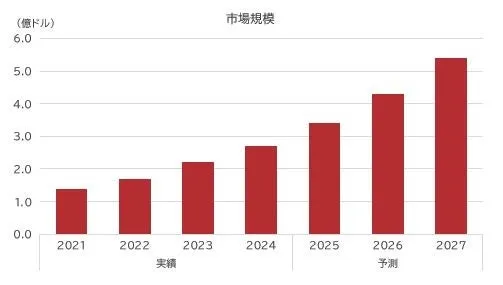
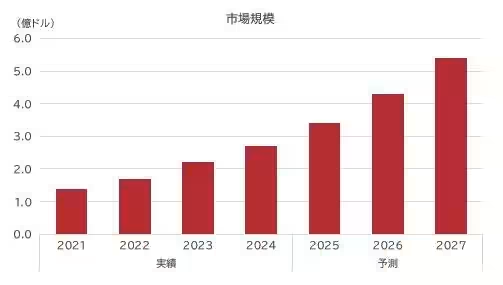
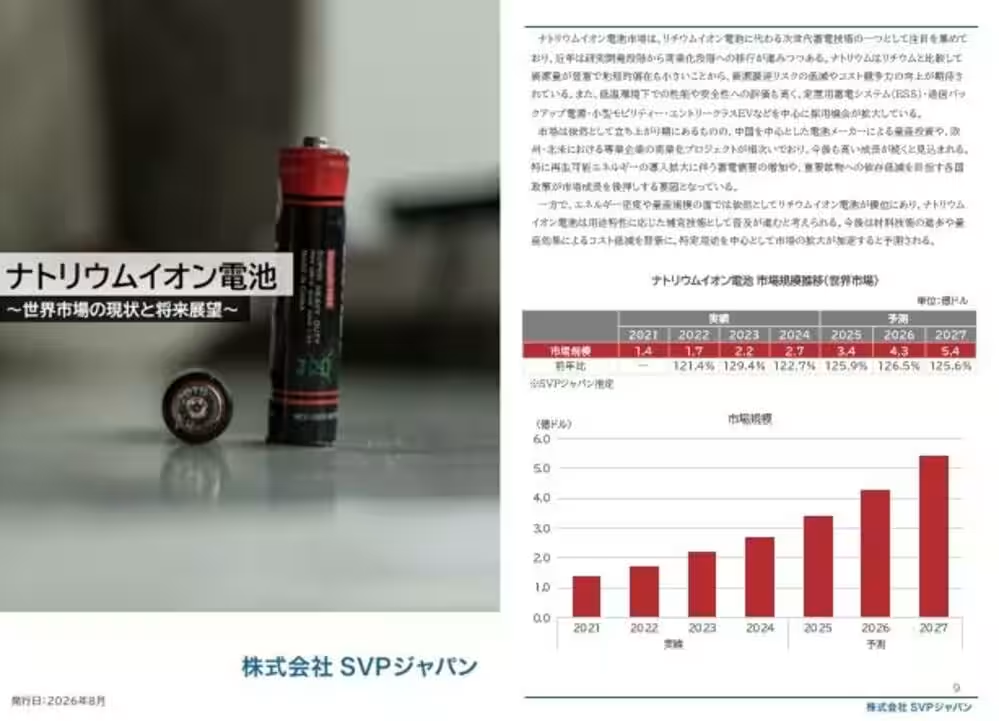
According to SVP's estimates, the global market for sodium-ion batteries is projected to reach approximately $270 million by 2024. As the technology transitions from demonstration phases to early production, there is a significant opportunity for deployment in applications such as stationary energy storage systems, small mobility devices, and backup power solutions.
Current Market Situation
China is leading in the commercialization and mass production of sodium-ion batteries, with a focus on stationary energy storage and small mobility vehicles. In contrast, the U.S. and Europe are witnessing increased activity from specialized companies and supportive government policies, gradually catching up in the market. While initial efforts focus on enhancing performance metrics related to energy density, there is a shift towards evaluating economic viability, mass production technologies, and overall commercialization capability.
Despite the advantages of leveraging existing lithium-ion battery manufacturing technologies, challenges remain. The lack of commercial deployment examples and the necessity for standardization and regulatory frameworks present hurdles that must be addressed for broader adoption. In this context, Japan's capabilities concerning materials, safety, and quality assessments are pivotal. The question now is whether Japan can establish competitiveness through niche commercialization in the global market.
Critical Factors Influencing Market Growth
Looking toward widespread adoption, the ability to connect production scale and proven performance to business competitiveness will be crucial. Companies that optimize applications while carving out competitive advantages against lithium-ion alternatives will likely enjoy significant market expansions.
Structure of the Report
The report provides insights into several key areas concerning sodium-ion batteries:
1. Market Definition
2. Market Trends
3. Market Size & Forecast
4. Market Shares
5. Trends Among Entrants
6. Industry Structure
7. Challenges
8. Trends in the Japanese Market
Subscription Information
Access to this report is exclusive to SVP members. Interested parties can join SVP Japan to receive regular updates on market research reports covering various topics. Additionally, SVP members can utilize quick research services and project research capabilities, providing valuable insights for informed decision-making.
About SVP Japan
Operating with the vision of delivering “business insights for decision-making that are not captured on the web or in AI,” SVP Japan has been a leading player in the member-based market research sector since its establishment in 1974. With a professional research team skilled in both traditional research and AI technologies, SVP combines public information, commercial data, and proprietary insights to facilitate critical business decisions across approximately 40 countries, including Japan. In 2021, the company underwent a managerial restructure to adapt its operations to the evolving research landscape of the AI era.
For more information, please visit SVP Japan's website. You can also contact us via email for inquiries or request further materials.
Company Information
- - Name: SVP Japan Co., Ltd.
- - CEO: Masashi Hashimoto
- - Location: 2F Miyamae Building, 1-38-9 Kakigaracho, Nihonbashi, Chuo-ku, Tokyo, Japan
- - Establishment: July 1, 1974
- - Service: Membership-based business information provider
- - Relevant Links: Twitter, Note, LinkedIn

Topics Consumer Products & Retail)
【About Using Articles】
You can freely use the title and article content by linking to the page where the article is posted.
※ Images cannot be used.
【About Links】
Links are free to use.