



SCUEL Dashboard Launched to Address Drug Supply Concerns in Japan
Introduction of the SCUEL Dashboard
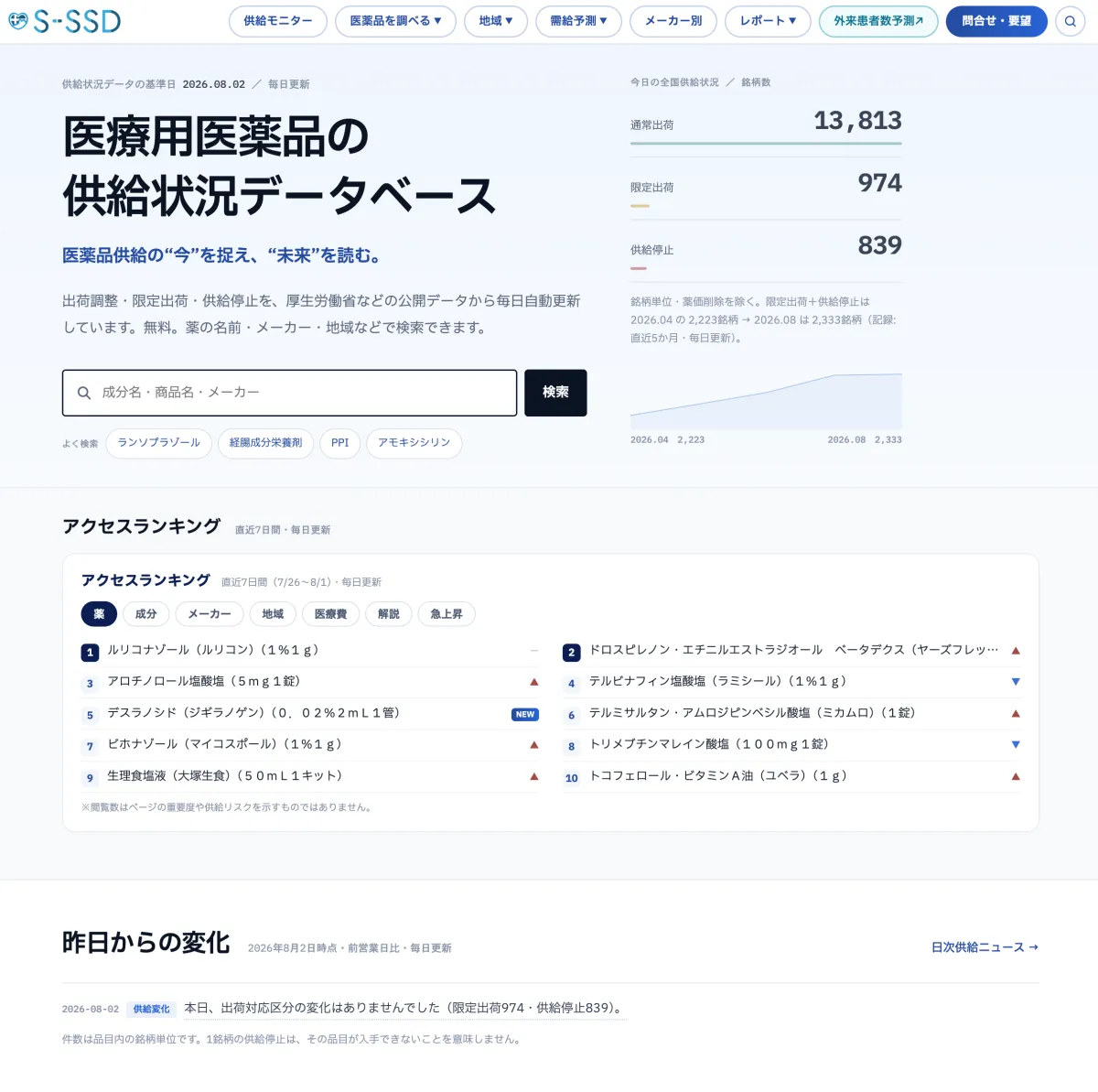
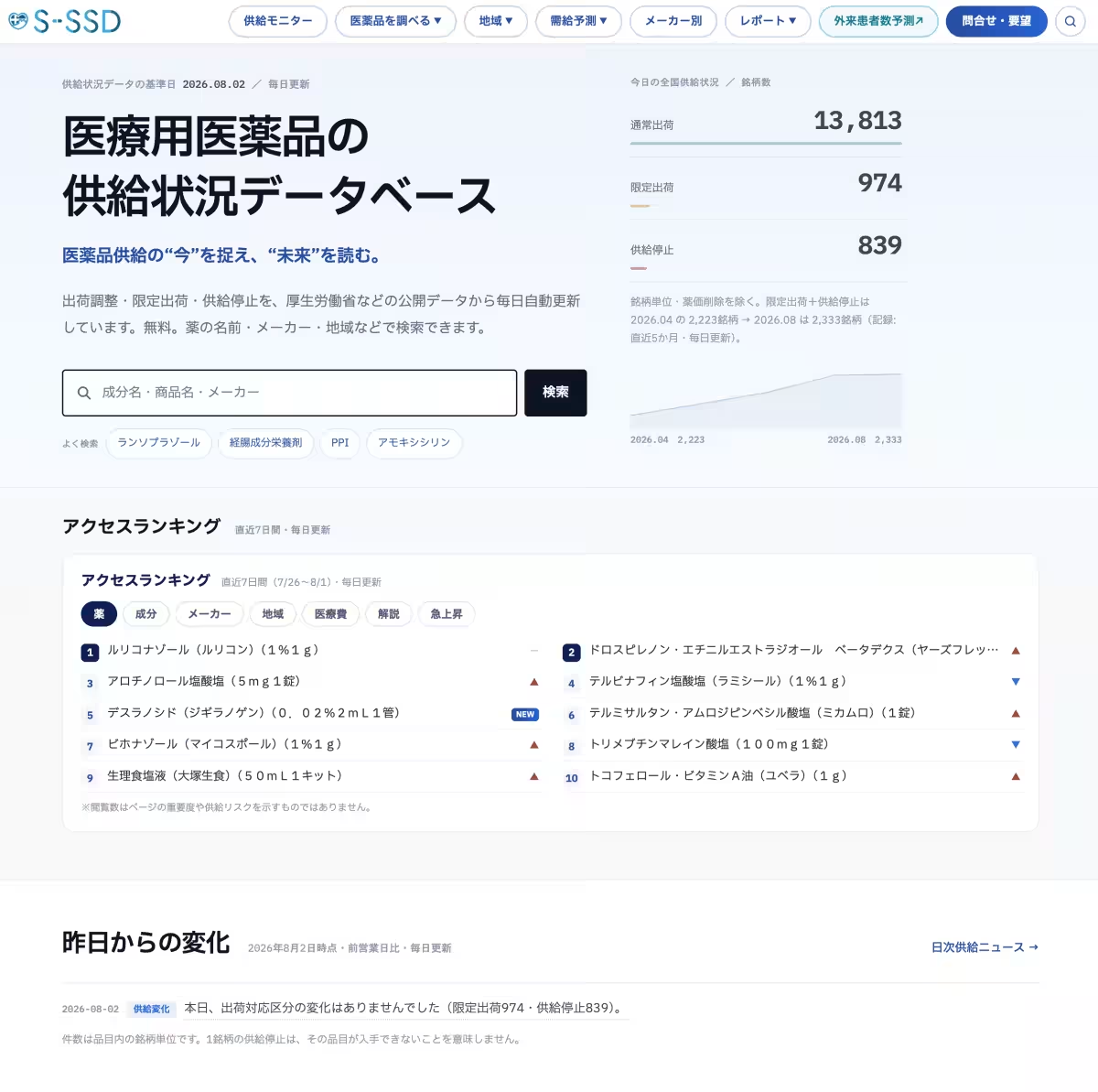
In an era where access to medication can be inconsistent, the Mii Company has stepped up to provide a solution with its newly launched SCUEL Pharmaceuticals Stability Supply Dashboard (S-SSD). This initiative aims to address the challenges of drug shortages that have been affecting pharmacies across Japan. With approximately 16,000 medications included, S-SSD offers daily updates on supply stability, which can significantly aid healthcare providers in managing prescriptions and ensuring patient care.
The Reality of Drug Shortages
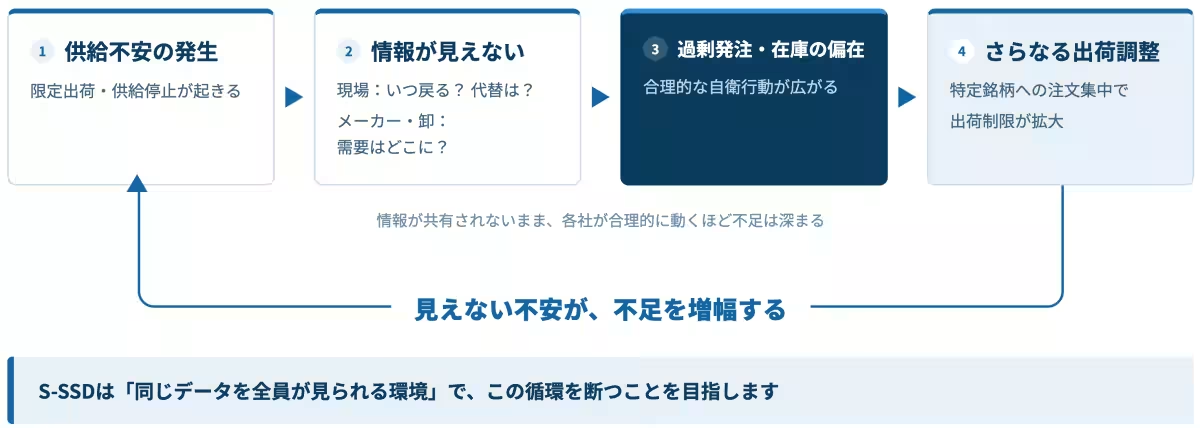
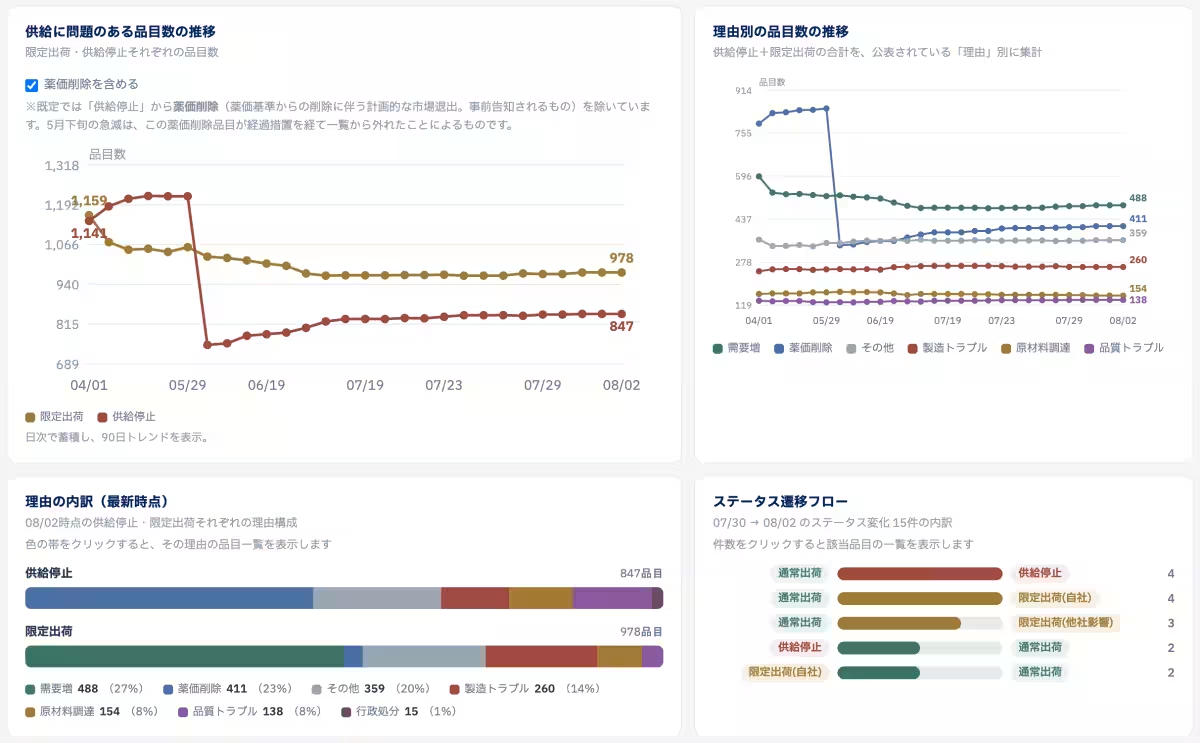
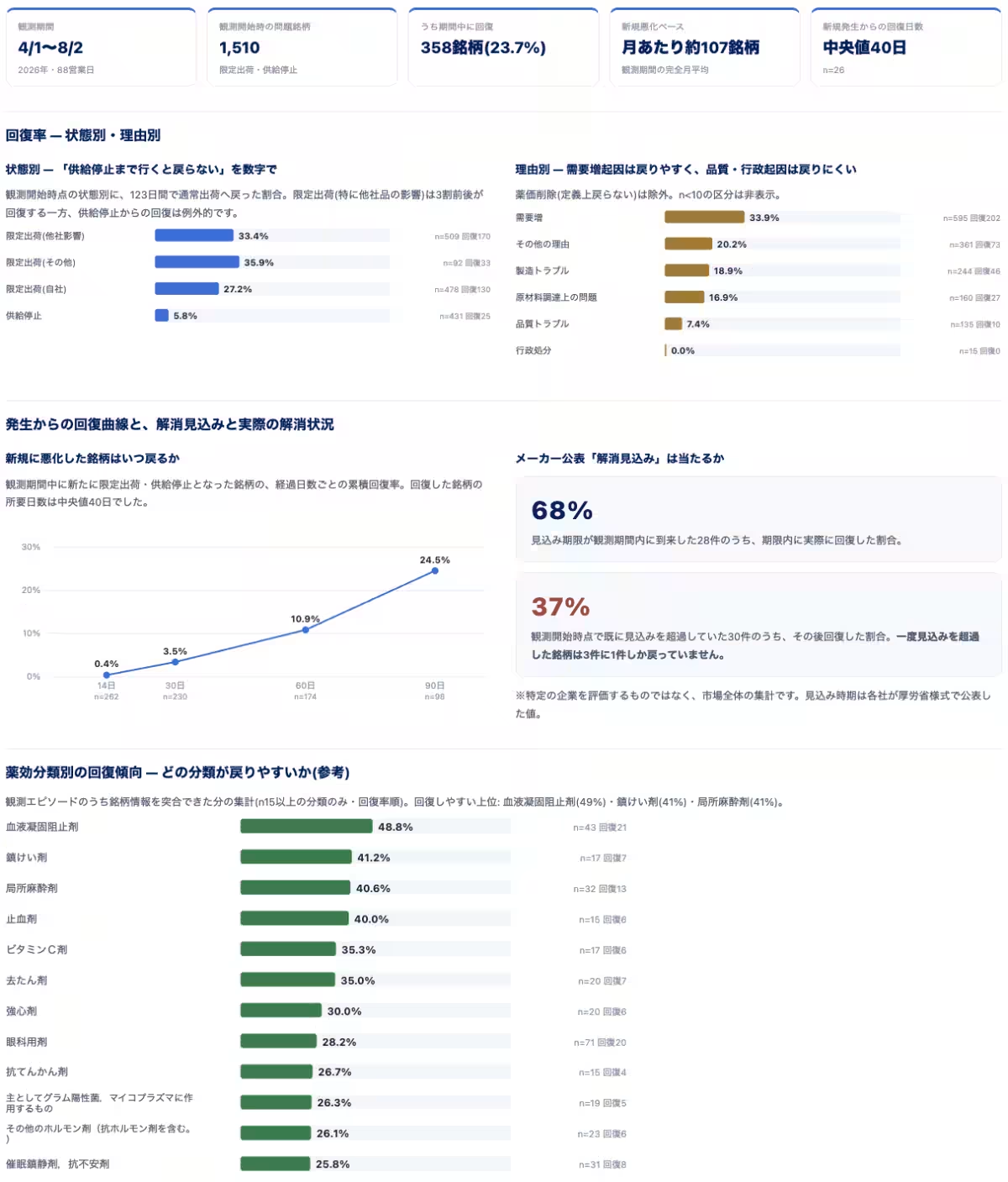
For the past few years, reports of missing medications have become all too common in Japan. As of August 2026, the Ministry of Health, Labour and Welfare highlighted that out of the medications listed, 978 were under limited distribution, while 847 were entirely unavailable. It's important to note that 382 of these were part of a planned exit from the market due to pricing standard removals. However, this leaves 465 medications experiencing what can be classified as ‘actual supply interruptions.’ The discrepancies in counting these shortages illustrate how discussions around supply anxiety lack a common measuring stick.
Addressing Supply and Demand
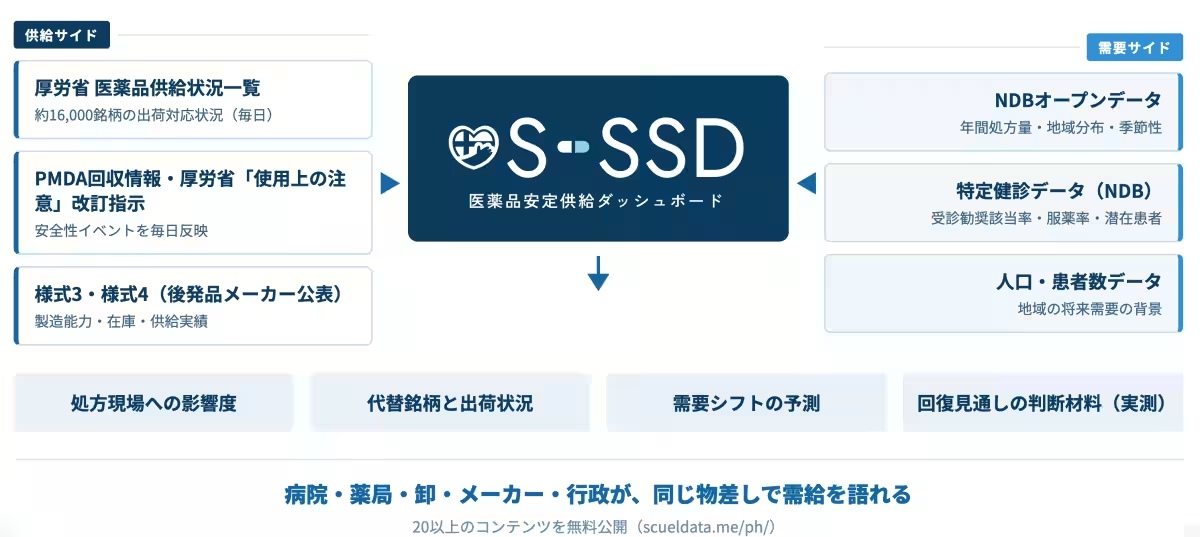
Mii Company has taken on the challenge of clarifying these metrics by launching the S-SSD beta version. The tool combines data from the supply side with insights from the National Database of Health Insurance Claims and Specific Health Checkups, thus providing a seamless view of what medications are impacted, their pharmaceutical alternatives, and expected recovery timelines in stocks. This resource allows for transparency in understanding the broader implications of the supply chain's disruptions.
Beyond Just Medications
The dashboard not only covers the state of medication supply but reflects a broader change in the pharmaceutical industry. As domestic drug production reached over 10 trillion yen, a significant portion (64%) of these medications comprised those more reliant on imports than local production. The S-SSD thus also incorporates long-term trends in drug manufacturing, providing data on raw material procurement.
Mechanisms Behind the Dashboard
S-SSD leverages publicly available data from the Ministry and the Pharmaceutical and Medical Devices Agency, in conjunction with data from healthcare claims. It fills the gap between existing data pools, ensuring a singular platform where stakeholders can interact with the same set of information. This convergence allows different sectors within healthcare to collaborate under a unified framework, enhancing communication and operational efficiency.
Daily Operations
Every day, Mii Company updates the S-SSD based on changes reported by the Ministry. This includes tracking new limitations, expected recoveries, and any recalls or safety information related to the medications. The platform covers nearly 6,600 medicine types, providing localized reports from each of Japan’s 47 prefectures and individual profiles for 261 manufacturers, enabling detailed analysis on both national and local scales.
Main Features of S-SSD
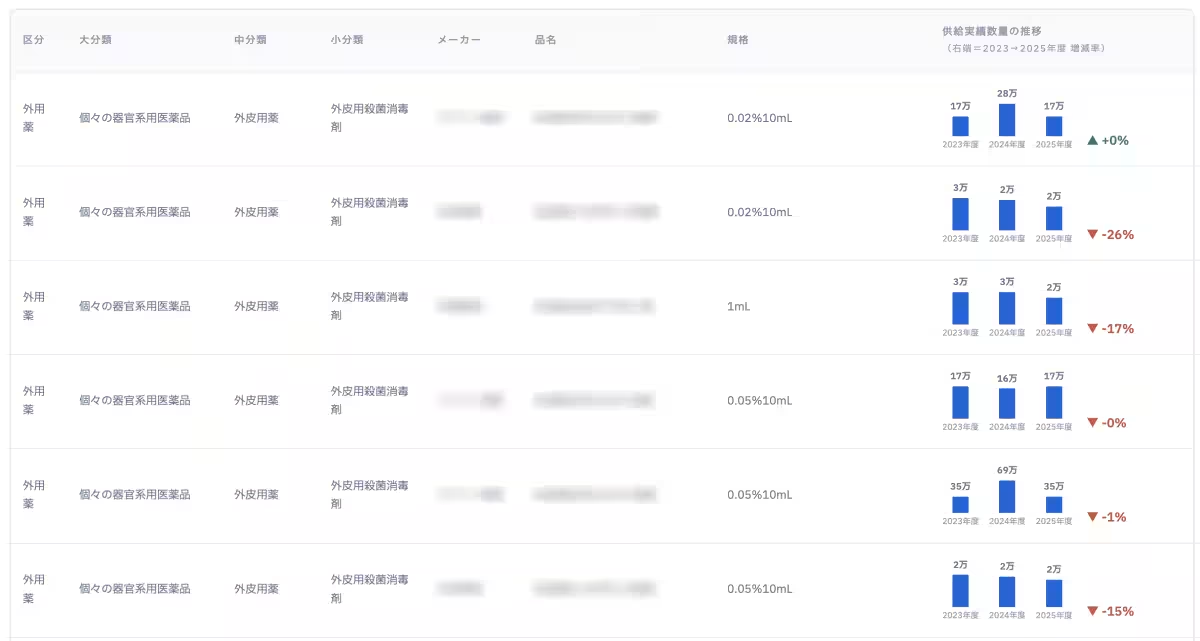
1. Pharmaceutical Supply Monitor: Offers daily updates on medication availability and supplies, making it easier for healthcare professionals to keep track of what is in stock and what is not.
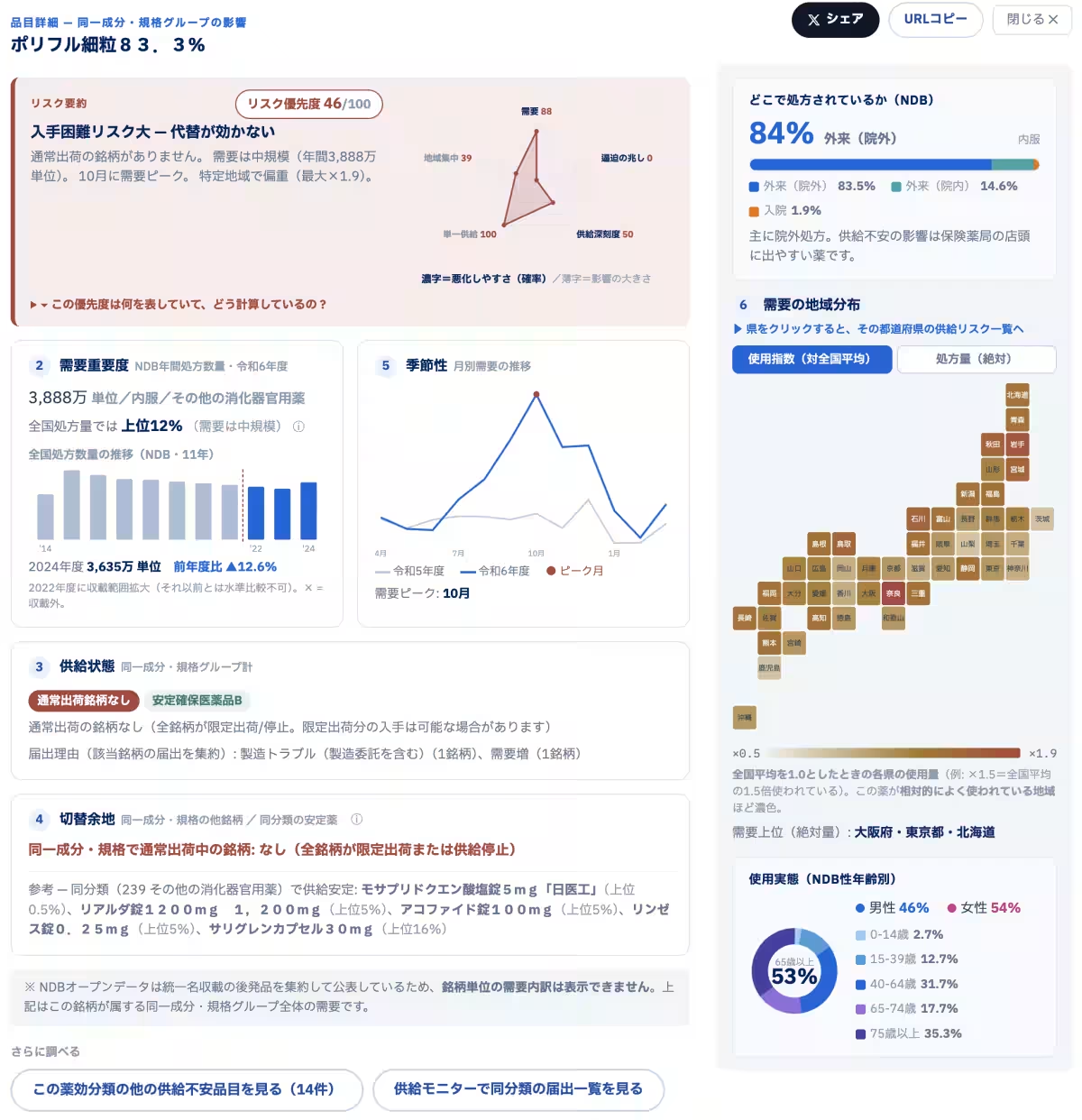
2. Supply Impact Analysis: Evaluates the regional impact of any shortages to prioritize areas that may need immediate intervention.
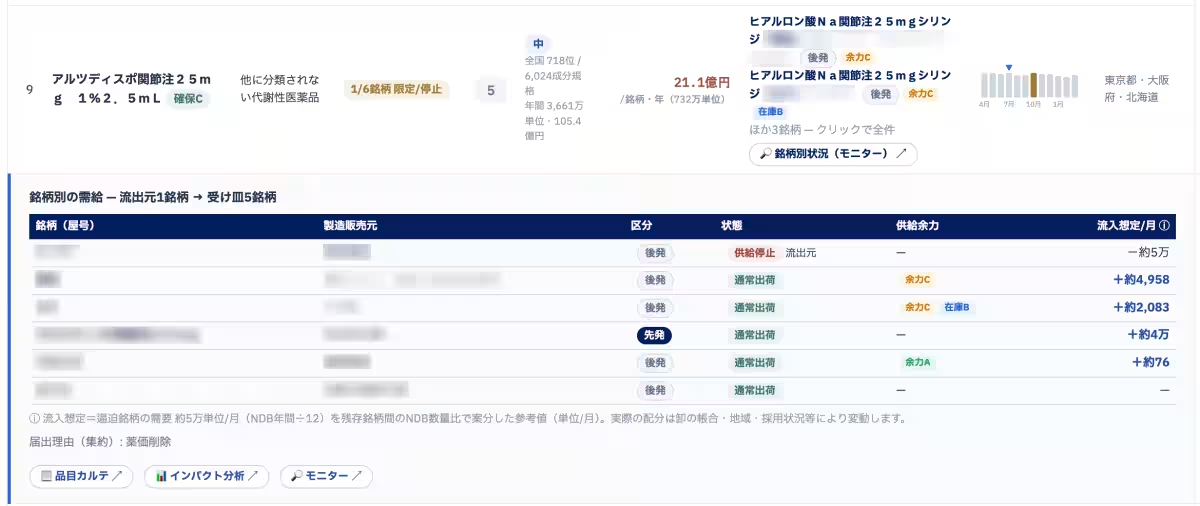
3. Demand Shift Analysis: Predicts how demand for alternatives might increase when a medication is out of stock, allowing for proactive measures.
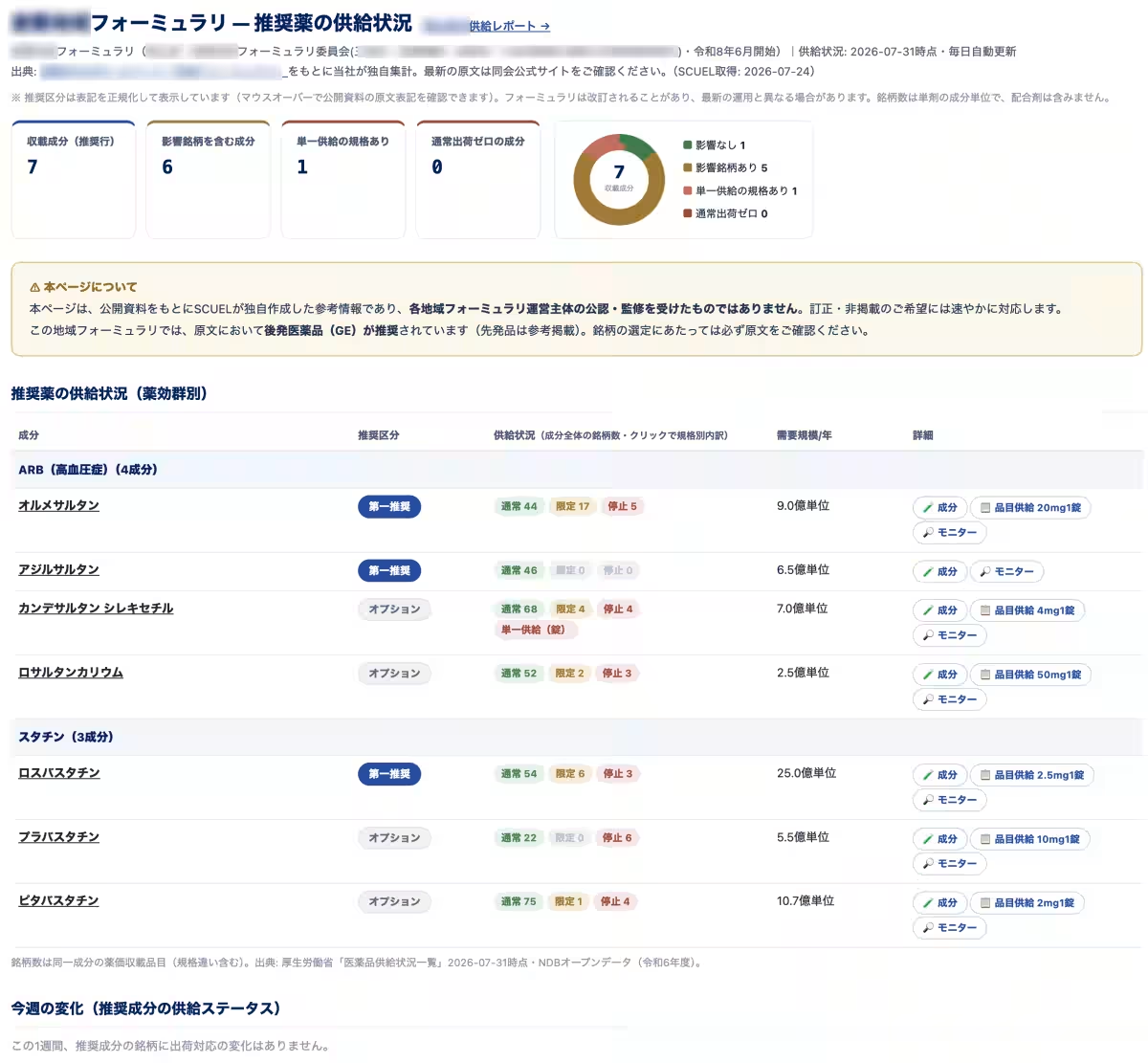
4. Generic Drug Supply Analysis: Provides insights into the capacities of generic drug manufacturers, ensuring that healthcare providers know where to turn for supplies.
Beyond Supply: Patient Outcomes
The S-SSD goes one step further by visualizing demand potential. It leverages data from health screenings to show how many patients fall into categories needing medication but are currently not being prescribed it. This aspect of the dashboard not only helps in predicting medication needs but ultimately leads to better health outcomes for patients, bridging gaps in care.
Collaborative Access
The SCUEL Dashboard is designed with inclusivity in mind, ensuring that users from different sectors—be it pharmaceuticals or healthcare services—can access relevant data tailored to their needs. A dedicated interface allows users to find localized information regarding medication supply, patient demographics, and healthcare costs in their respective regions.
Conclusion: A New Era in Drug Supply Management
The S-SSD is a significant milestone for Mii Company and its commitment to transforming Japan's healthcare landscape. By creating a common data platform for all stakeholders, it aims to mitigate the effects of supply disruptions and promote better patient care. This initiative not only enhances transparency but also fosters collaboration among pharmacies, healthcare providers, and manufacturers, ultimately contributing to a more resilient pharmaceutical supply system in Japan.
Topics Health)
【About Using Articles】
You can freely use the title and article content by linking to the page where the article is posted.
※ Images cannot be used.
【About Links】
Links are free to use.