




The Key to Encouraging Self-Directed Learning Among Employees: Official Company Recognition
Unlocking Self-Directed Learning in the Workplace
In a recent survey conducted by Schoo, a company based in Shibuya, Tokyo, which focuses on online learning, the importance of self-directed skill acquisition among employees was highlighted as essential for sustainable growth and digital transformation (DX) in organizations. Despite permission for learning during work hours, many employees struggle with the lack of formal recognition, resulting in missed learning opportunities.
Survey Insights
The survey included over 700 individuals from companies with more than 1,000 employees who are involved with e-learning and training programs. The primary objective was to identify factors that promote voluntary and continuous learning, as well as the disparity in human resource evaluations.
Finding 1: Formalization Matters
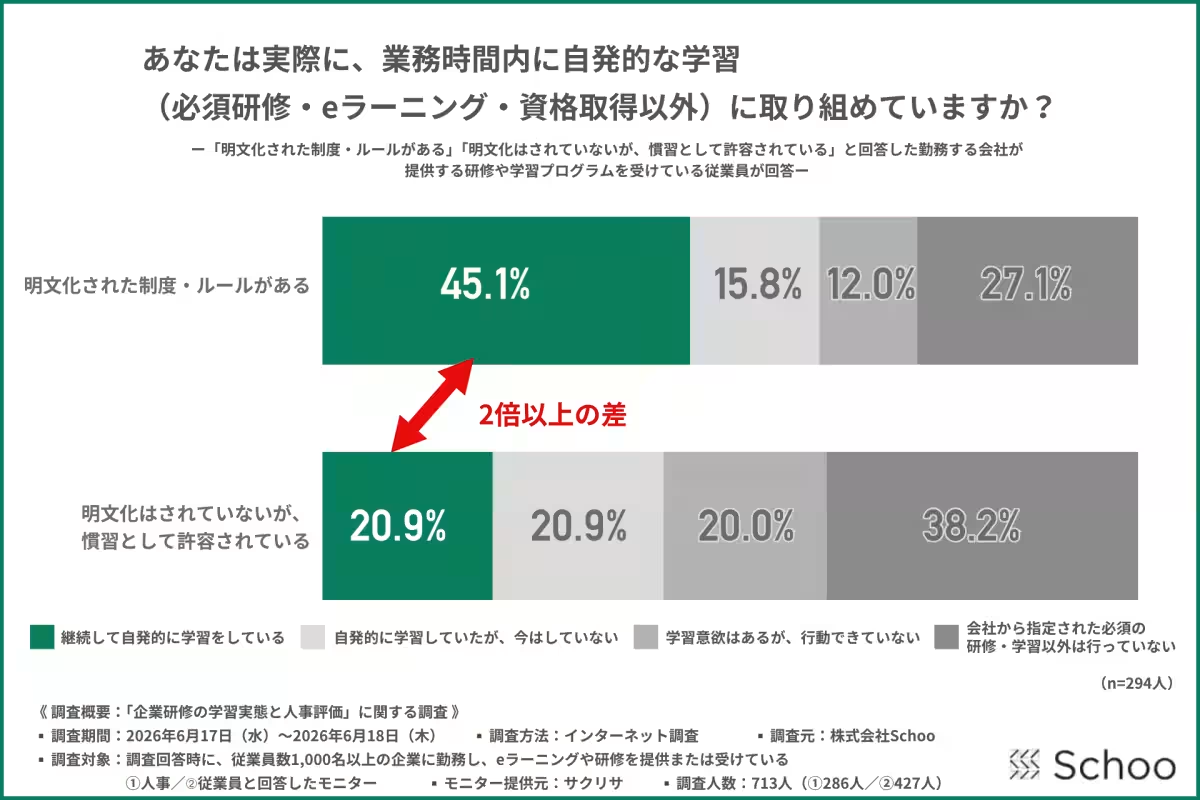
One key finding indicated that the learning continuation rate differs drastically based on whether learning opportunities are formally documented. Approximately 80% of respondents indicated their organizations have clear rules allowing learning during work hours. However, those who merely experienced informal acceptance showed a continuation rate of only around 20%. The data suggests that even in supportive environments, the lack of formal acknowledgment can discourage employees, causing them to hesitate about pursuing learning opportunities.
Finding 2: Integration into Goal Setting
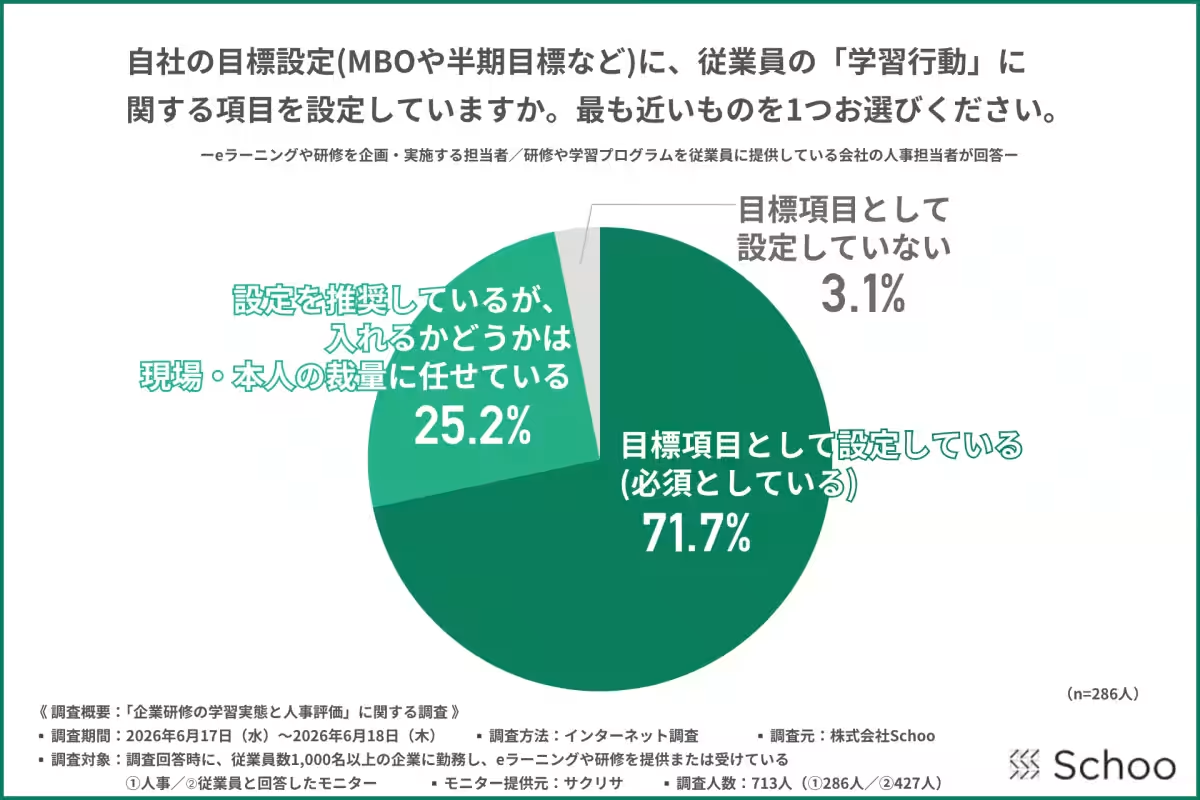
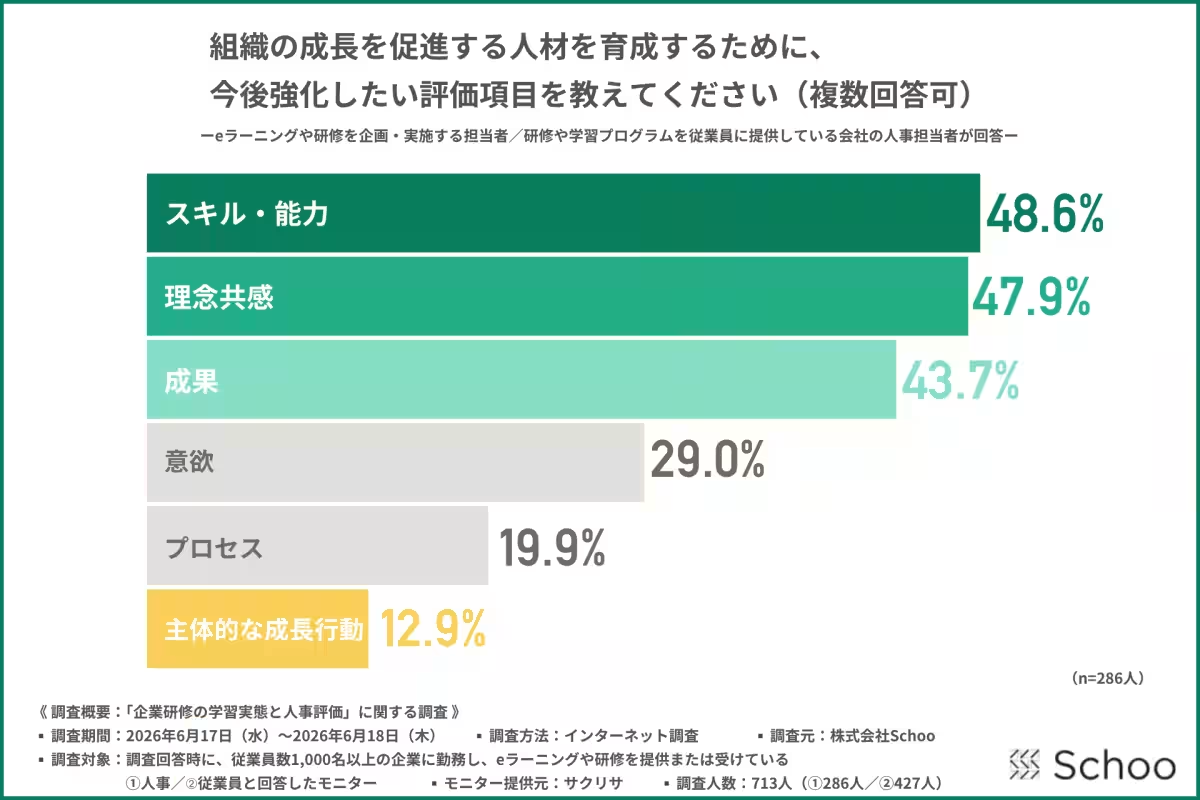
About 70% of companies reported including learning activities in their goal-setting processes, such as Management by Objectives (MBO). Despite this, a significant gap appeared when examining which aspects of employee performance were prioritized. The focus remained centered on outcomes—skills, results, and achievements—rather than the learning process itself, indicating a tendency to value immediate results over the developmental journey.
Finding 3: Employees' Preferences
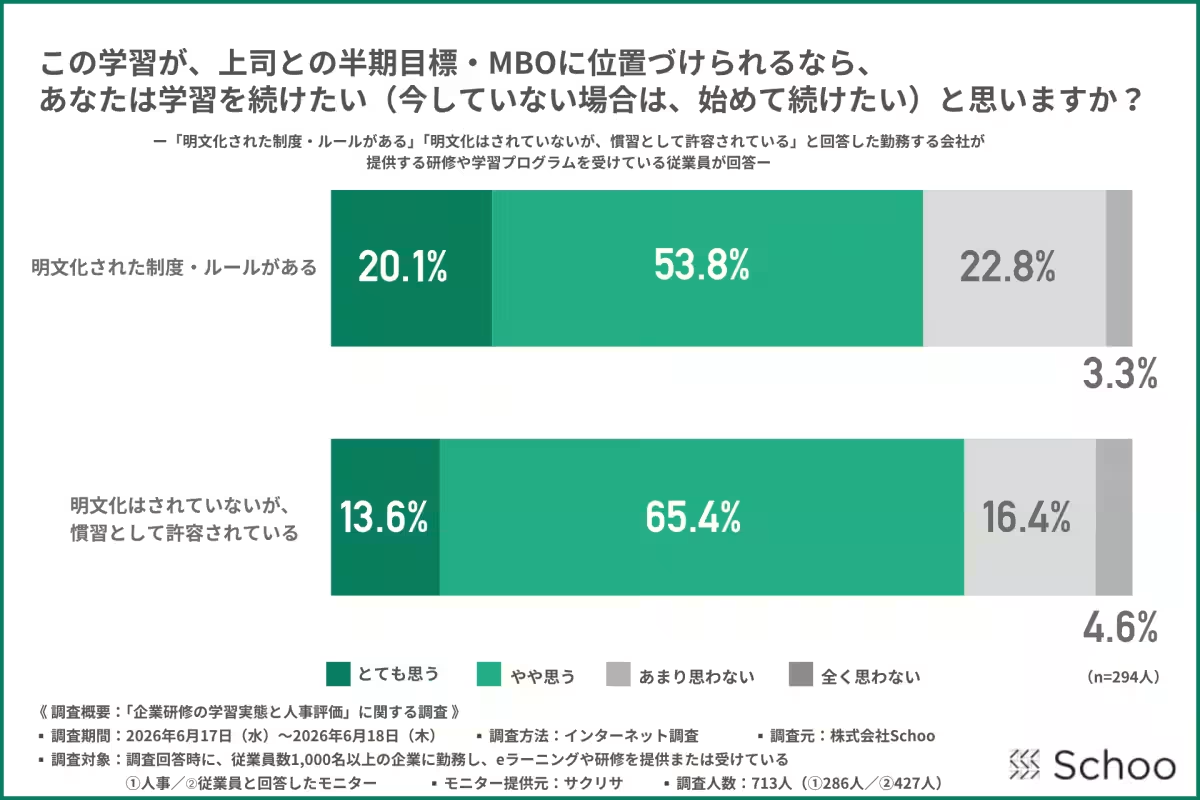
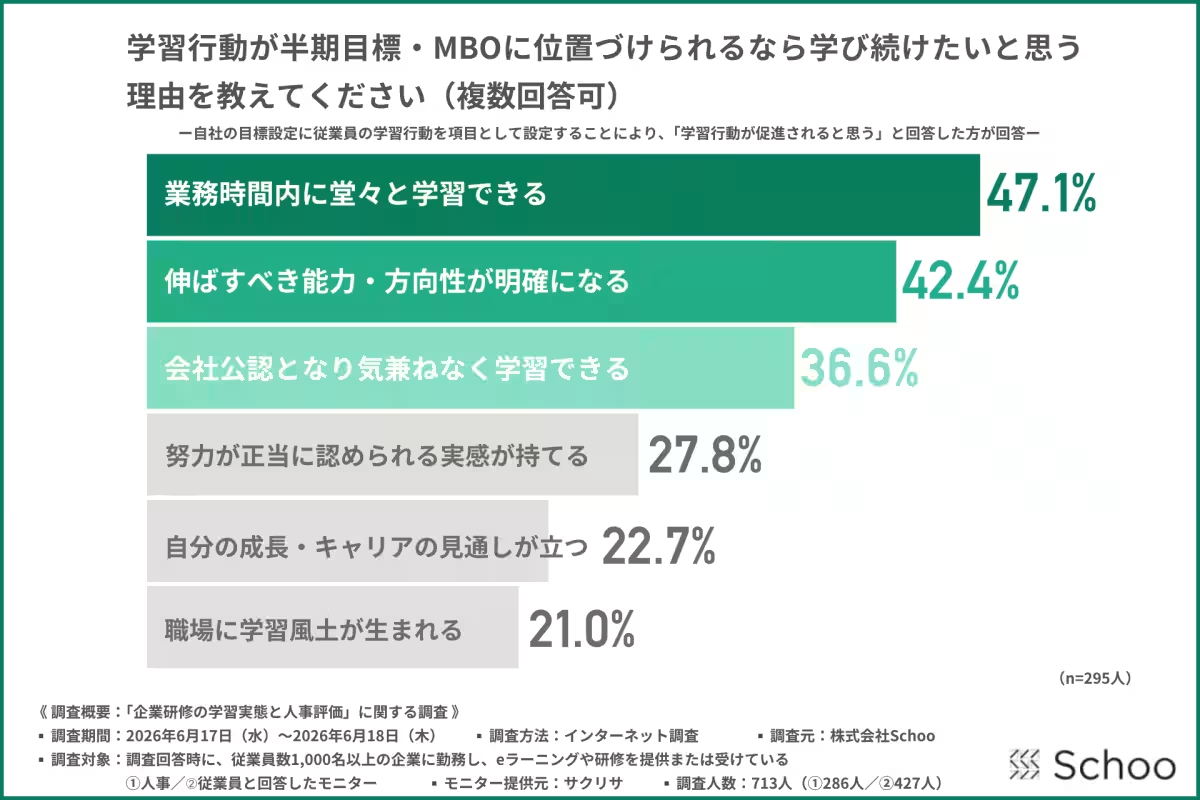
Employees expressed a strong desire for an environment where they could learn openly during work without judgment. An overwhelming 80% indicated they would prefer a work culture that officially recognizes learning as part of their objectives, as opposed to simply adhering to informal practices. This suggests that employees are looking for reassurance from their companies that learning during work hours is not just permitted but encouraged.
Bridging the Gap
The survey revealed significant discrepancies between the intentions of companies and the experiences of employees regarding self-directed learning. While about 80% of organizations allow learning during work hours, the effectiveness largely hinges on the formalization of such initiatives, which can double the actual learning engagement. Furthermore, although a majority of HR departments include learning activities in performance evaluations, the emphasis still remains predominantly on technical skills and end-results.
To facilitate and promote continuous self-directed learning, companies must not leave this endeavor solely to individual efforts or intrinsic motivation. Formalizing the learning process as an integral part of work responsibilities can eliminate the stigma felt by employees about taking time to learn, creating a more culture that supports growth and development.
Schoo's Contributions
Schoo, through its e-learning platform "Schoo for Business," provides firms not just with a wealth of training content but also with support systems to visualize learning progress and follow up after training sessions. This initiative aims to adapt learning into tangible results and foster organizational transformation.
Schoo emphasizes the significance of establishing a culture that endorses learning as a vital part of professionalism. By integrating educational goals into corporate frameworks and promoting an open learning environment, organizations can ensure sustainable growth and resilience in the face of rapid changes.
Conclusion
To effectively harness the potential of self-directed learning, organizations should reassess how they perceive and validate learning processes in their work culture. Acknowledging and supporting learning activities not only fosters individual growth but contributes as a powerful element for long-term organizational success. Schoo's continual support and innovative platforms aim to make learning a collective, rather than solitary, journey for employees across industries.

Topics Business Technology)

【About Using Articles】
You can freely use the title and article content by linking to the page where the article is posted.
※ Images cannot be used.
【About Links】
Links are free to use.