



AIST Releases First Version of Guidelines for Managing Generative AI Quality to Enhance Reliability
Introduction
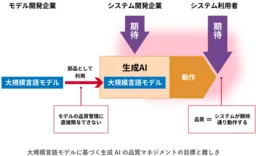
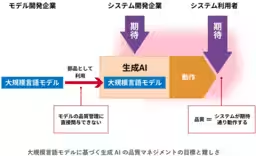
The National Institute of Advanced Industrial Science and Technology (AIST) has made a significant contribution to the growing field of generative AI by releasing its first version of quality management guidelines specific to this technology. These guidelines are designed to help organizations that develop and operate generative AI systems using Large Language Models (LLMs) ensure that their outputs meet expected standards of quality, thereby enhancing reliability and reducing risks.
Understanding Generative AI and Quality Management
Generative AI refers to systems that can generate new content such as text and images, based on input data. The performance of such AI systems has seen rapid improvement in recent years, offering innovative applications across various sectors. However, these advancements have not been without challenges; generative AI systems can also produce misleading information or demonstrate biased behavior, potentially leading to harm. Hence, establishing robust quality management practices specifically tailored to generative AI has become a pressing need.
AIST's new guidelines detail a systematic approach to quality management in generative AI, focusing on the integration and performance of LLMs employed as components within these systems. By outlining the necessary measures developers and operators must take to maintain high-quality standards, the guidelines aim to facilitate a safer and more effective application of generative AI technologies.
Purpose and Target Audience of the Guidelines
The primary audience for these guidelines includes companies and institutions that utilize LLMs in their generative AI systems. AIST has structured a comprehensive framework suggesting concrete steps and considerations to uphold quality standards while fulfilling user expectations.
The publication was developed by combining expertise from various research departments within AIST, including the Intelligent Platforms Research Division and the Cyber-Physical Security Research Division. They aim to maintain quality systems within AI utilization, responding to the increasing demands for safety and reliability in AI deployments.
Context Surrounding the Development of Guidelines
Since the end of 2022, the rise of generative AI in applications like image generation and chatbot services has captured societal attention due to their unexpectedly high performance levels. However, the rapid evolution of these technologies presents obstacles in maintaining consistent quality management. Algorithms that traditionally worked for predictive AI models cannot directly adapt to the intricacies presented by generative models. Consequently, if organizations attempt to implement generative AI without clear quality management strategies, they may face severe issues such as:
1. Inadequate quality assurance leading to user harm.
2. Failure to establish reasonable contract terms regarding quality between developers and users.
3. Inability to effectively communicate the quality capabilities of the system to users and stakeholders.
Given the international increase in concerns regarding the safety of generative AI, countries around the globe are establishing regulatory frameworks, such as the AI Safety Institutes, aimed at enhancing safety standards. Safety remains a critical aspect of quality management, and there is growing demand for methodologies that secure safety in generative AI.
Previous Guidelines and Research History
Before this initiative, AIST had published guidelines for the quality management of machine learning AI systems, yet these guidelines were more suited to predictive models and did not directly translate to generative AI dynamics. Recognizing the unique challenges, AIST formed a dedicated working group to explore quality management specific to generative AI, drawing on input from experts across industries and academia.
Tasked with developing these guidelines by 2023, the collaborative committee has thoroughly assessed the necessary quality attributes and management strategies integral to generative AI applications.
Guideline Features and Focus
The released guidelines primarily focus on generative AI systems that utilize LLMs as foundational models. The document outlines:
- - How to derive specific quality requirements from the intended use of the AI systems.
- - Relevant quality attributes and what controls must be in place to meet prescribed standards.
- - A comprehensive catalogue outlining essential quality characteristics to ensure continuous high standards in performance.
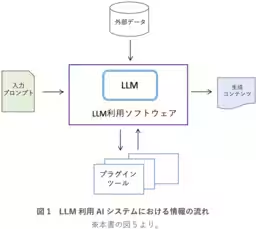
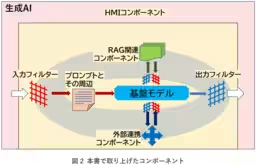
Through structured recommendations, the guidelines help organizations navigate the comprehensive landscape of quality attributes crucial for managing generative AI effectively. Each component of the LLM-utilizing AI systems is examined, including prompts, data retrieval components, external integration elements, and human-machine interfaces.
The Path Forward
As generative AI technology evolves rapidly, AIST is committed to continuously updating the guidelines to encompass the emerging complexities within these systems. The expectations are to adapt judiciously and maintain relevance amidst ongoing developments in AI technologies.
Conclusion
AIST's first edition of the generative AI quality management guidelines serves as a crucial framework for organizations looking to responsibly integrate and apply these advanced technologies. It highlights the significance of quality assurance and helps ensure that developers and users can navigate the evolving landscape of generative AI safely and effectively, paving the way for continued innovation in this transformative field.
For those seeking further insights into the guidelines, detailed documentation is available at AIST's Official Publication Portal.

Topics Consumer Technology)


【About Using Articles】
You can freely use the title and article content by linking to the page where the article is posted.
※ Images cannot be used.
【About Links】
Links are free to use.