



Enhancing Recruitment Strategies through Integrated Health Management Initiatives
Enhancing Recruitment Strategies through Integrated Health Management Initiatives
In today’s competitive job market, companies are often faced with the dual challenge of attracting talent while ensuring productivity. To tackle this, organizations are increasingly recognizing the importance of aligning recruitment strategies with health management initiatives. By emphasizing an inclusive workplace culture that prioritizes employee well-being, companies can effectively enhance their recruitment capabilities while addressing issues like presenteeism—where employees come to work but are unable to perform at their best due to health issues.
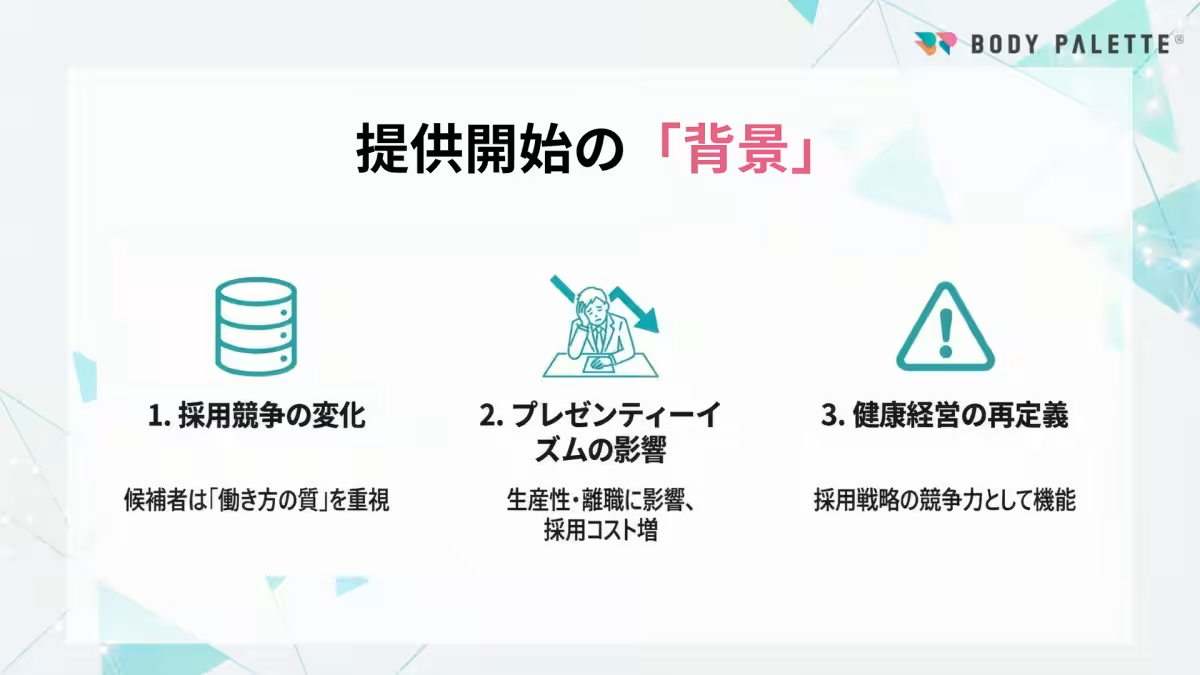
Understanding presenteeism is critical. Unlike absenteeism, which is more visible and measurable, presenteeism tends to be overlooked. However, it significantly affects productivity, quality of work, and employee turnover, ultimately leading to higher recruitment costs. Organizations often lack the necessary data to adequately address this problem, making an integrated approach vital.
The Need for Change
As candidates become more discerning, they increasingly value not only the salary and reputation of an organization but also the quality of their daily work environment. Unfortunately, many companies struggle to effectively communicate their organizational benefits in recruitment campaigns. This is where a strategic integration of health management and recruitment can have a transformative impact.
Recent developments in health management programs have underscored the need for a more systematic approach to employee well-being and performance metrics. Companies that take a proactive stance on health management can present a robust employment proposition that attracts potential candidates.
Program Overview
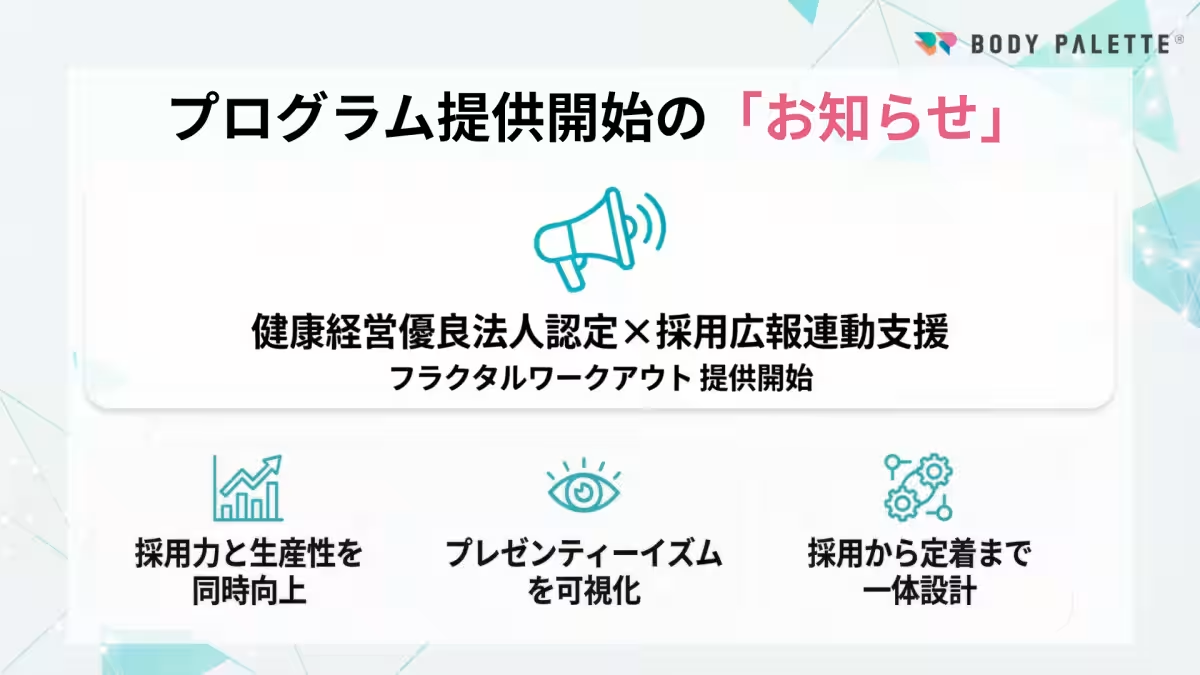
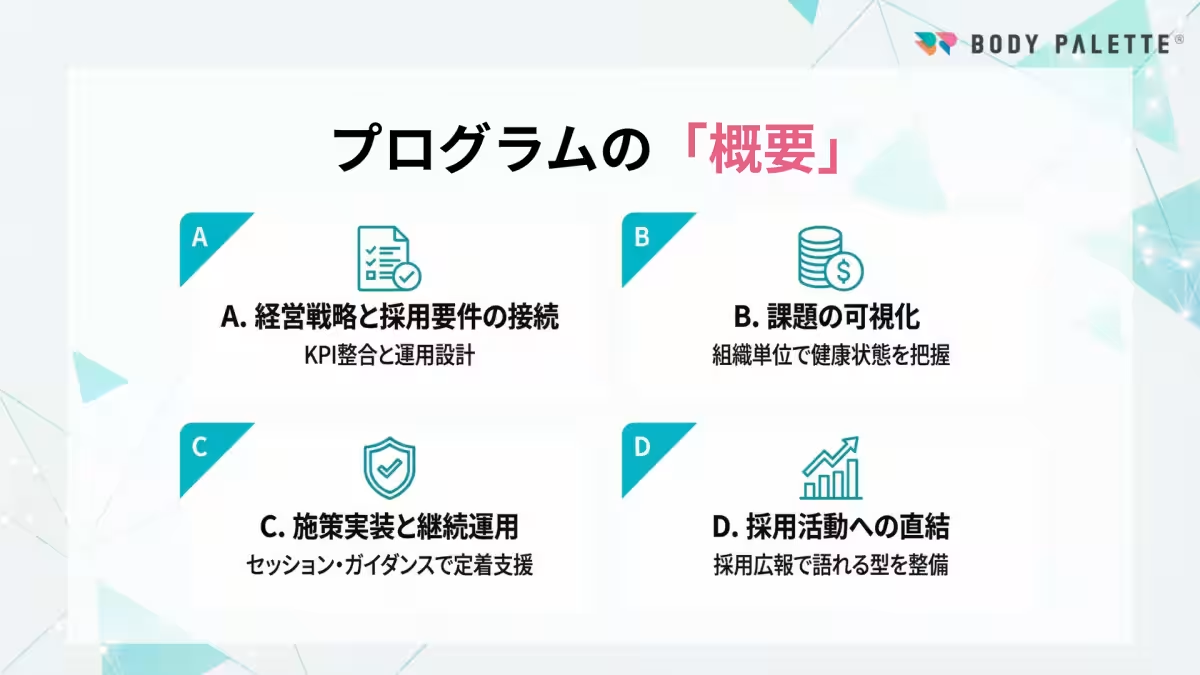
The integrated program aims to unify management strategy, talent acquisition, and health initiatives into one cohesive framework. This isn't just about isolated actions; it's about creating a system where recruitment results and post-hire success rates are interlinked through consistent design principles.
Key Components of the Program
1. Connecting Management Strategies with Recruitment Requirements
This component involves defining personnel requirements based on business strategy and operational plans. By creating detailed hiring personas and performance criteria—including health behaviors—we can align recruiting, human resources, and health KPIs for a seamless operation.
2. Visualizing Presenteeism Challenges
Presenteeism often goes unrecognized despite its negative impact. This program will help to visualize the organization's health status, transforming abstract challenges into structural issues that can be addressed systematically, without depending on personal information.
3. Implementation with Continuous Support
To avoid the pitfall of health initiatives being reduced to one-off events, ongoing support is crucial. The program will include online sessions and monthly guidance for employees, ensuring that the initiatives are not only implemented but also sustained over time.
4. Developing Tangible Outputs for Recruitment
Finally, the program will focus on creating recruitment materials that showcase the company's commitment to health management. This includes materials for job postings, recruitment events, and other communication tools, ensuring that the outward messaging aligns with the company’s internal policies.
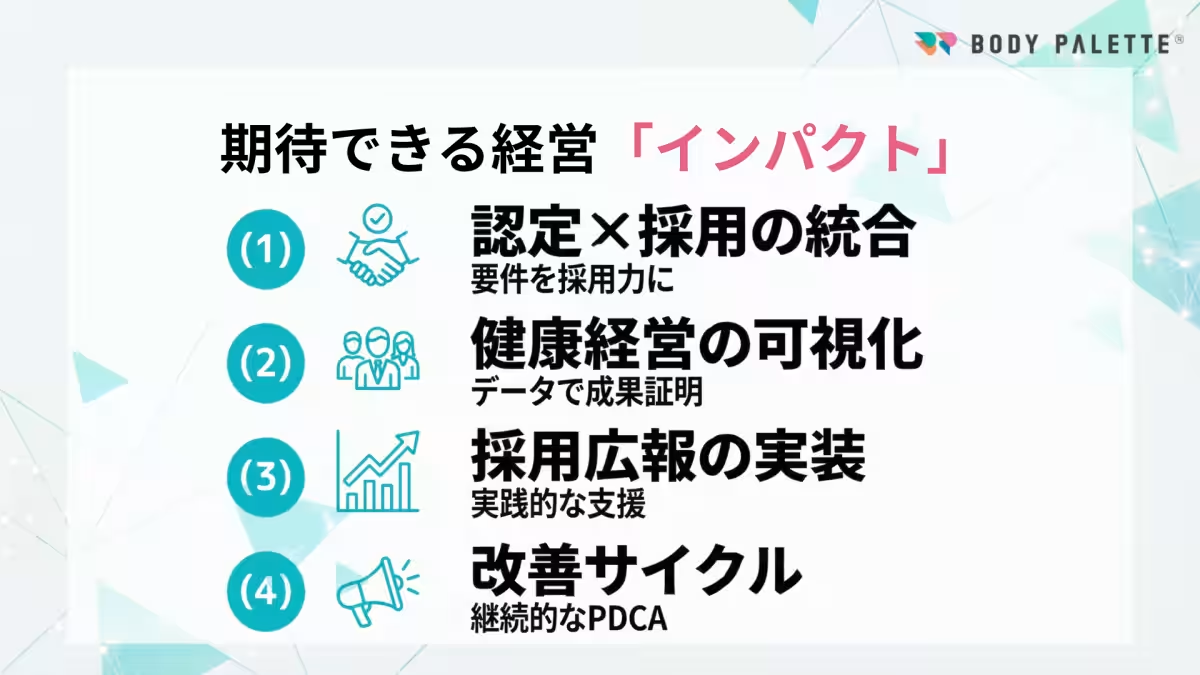
Expected Impacts on Business
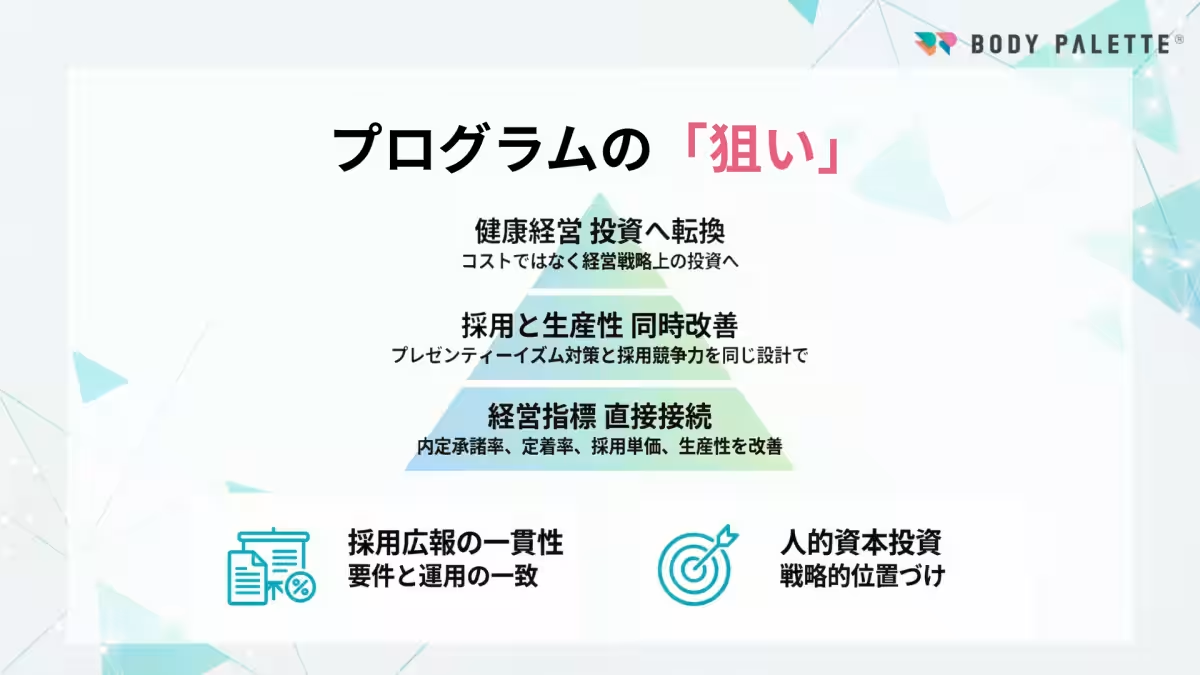
The ultimate goal of this program is to transform health management from being a perceived cost into a strategic investment. By doing so, companies can expect to see improvements in recruitment outcomes along with enhanced productivity levels.
Key Benefits
1. Reducing Mismatch in Recruitment
By closely aligning recruitment requirements with overall management strategies, organizations can communicate more effectively with candidates. This reduces the likelihood of misalignment after hiring, which can lead to lower dropout rates and a more efficient recruitment process.
2. Improving Retention Rates
By ensuring that the conditions presented during the recruitment process match the actual working environment, organizations can minimize early turnover. This leads to reduced costs associated with replacement hiring and training.
3. Decreasing Presenteeism-Related Productivity Loss
Addressing presenteeism is highly valuable as its impacts—such as decreased quality, increased overtime, and overall strain on the workforce—can significantly affect business outcomes. Through ongoing monitoring and responsive strategies, companies can enhance workforce productivity effectively.
4. Differentiating Recruitment Efforts
Finally, integrating health management into recruiting strategies opens up opportunities for differentiated messaging across various platforms, including job boards, PR articles, and online media. This broader outreach increases candidate engagement and enhances the overall visibility of recruitment efforts.
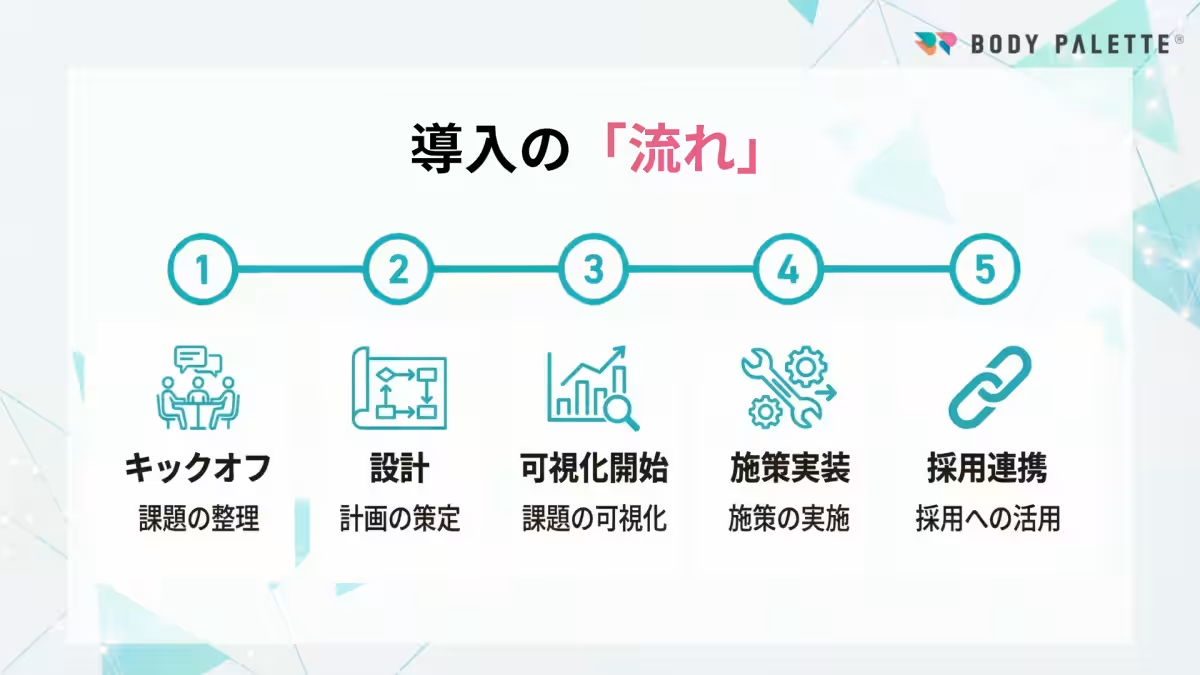
Implementation Flow
The program implementation will follow a structured flow:
1. Kick-off Meeting: Define management, recruitment, and health challenges.
2. Design Phase: Outline recruitment requirements, KPIs, and operational plans.
3. Begin Visualization: Develop organizational health metrics.
4. Implementation of Initiatives: Conduct sessions and training for employees.
5. Connect Recruitment: Develop materials and integrate them into recruitment efforts.
Conclusion
In conclusion, this innovative program not only seeks to enhance recruitment strategies but also aims to position health management as a crucial investment in human capital. By addressing presenteeism and effectively aligning recruiting efforts with health initiatives, organizations can create compelling value propositions that resonate with potential candidates. For further details on how this program can be tailored to your organization's needs, feel free to reach out to us with your current recruitment challenges, turnover rates, and desired objectives.
Topics Business Technology)
【About Using Articles】
You can freely use the title and article content by linking to the page where the article is posted.
※ Images cannot be used.
【About Links】
Links are free to use.