



Recent Study Reveals Lack of Awareness on Melasma Treatment and Risks of Laser Therapy
Understanding Melasma Treatment: A Recent Survey Findings
A recent survey conducted by the I.C. Clinic has shed light on the alarming gap in public knowledge regarding melasma and appropriate treatment methods. This condition, often misdiagnosed, can worsen with incorrect therapies. Melasma is a common skin condition marked by brown spots that typically appear symmetrically on the face, particularly along the cheekbones. Unlike common age spots, melasma presents significant challenges in treatment, as inappropriate interventions like traditional laser treatments can exacerbate the issue.
Key Findings from the Survey
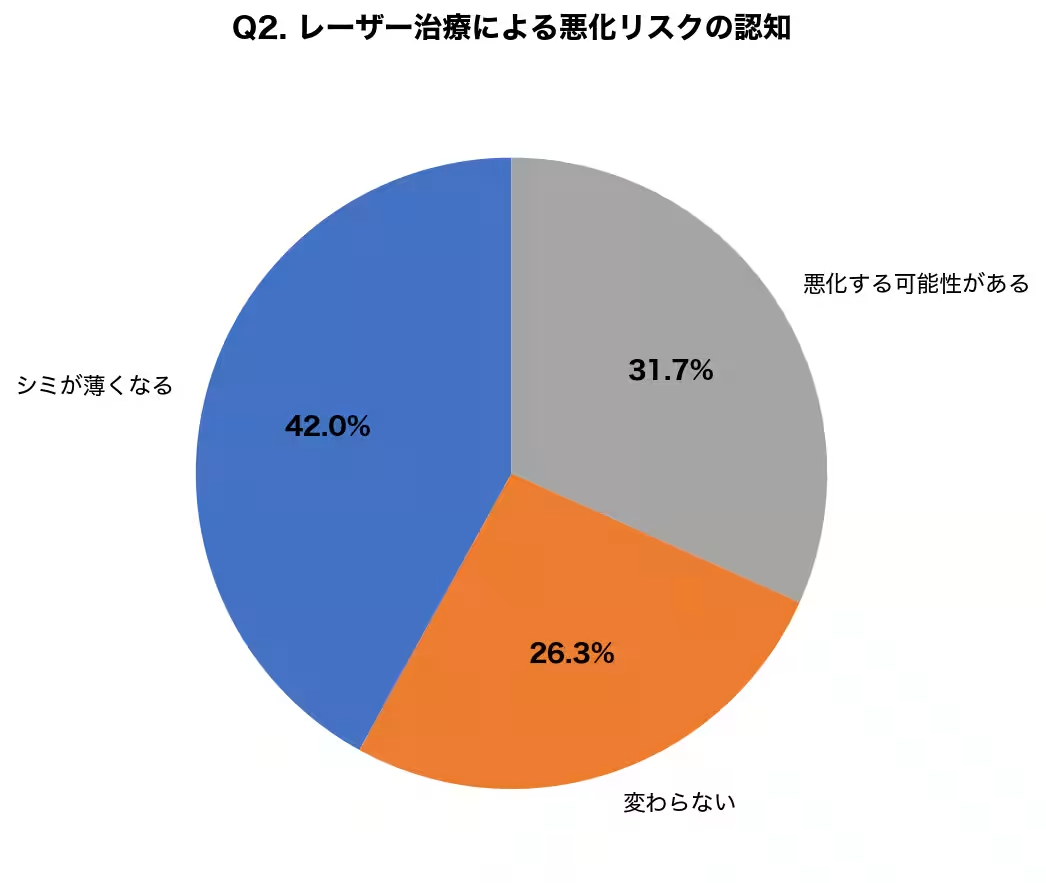
- - Awareness of Laser Risks: A staggering 68.3% of participants were unaware that laser treatment could worsen melasma. Misconceptions about the efficacy and safety of lasers for melasma highlight a critical need for clear patient education.
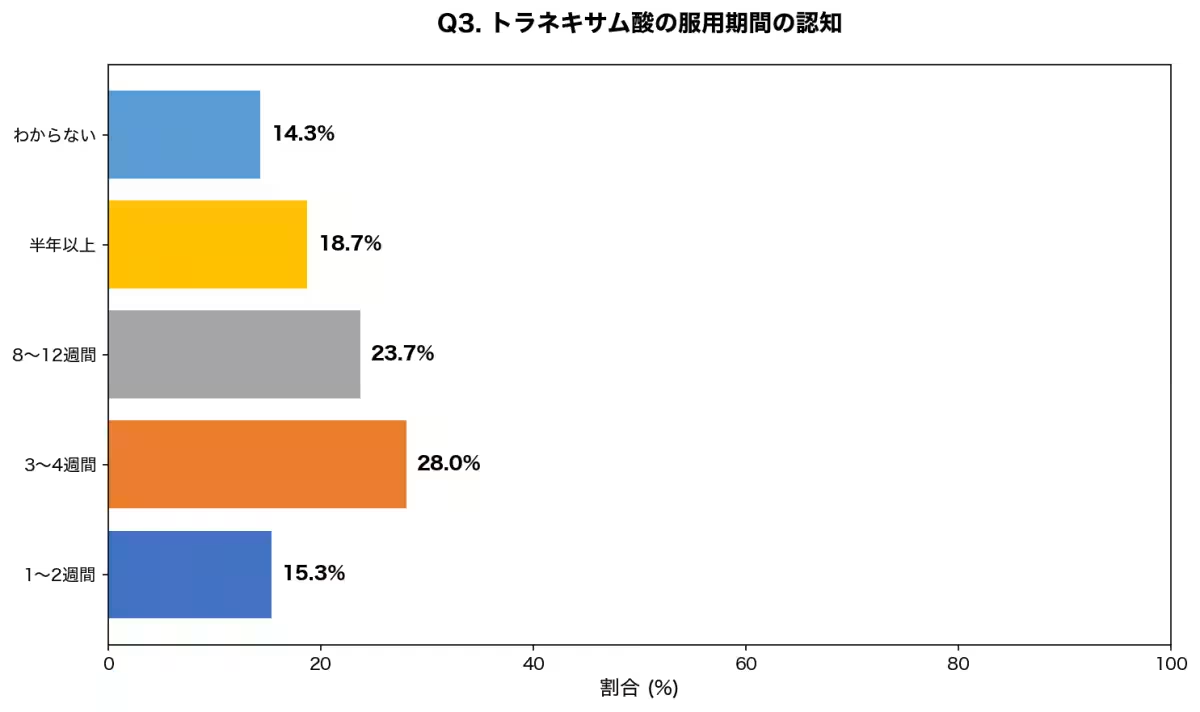
- - Understanding of Tranexamic Acid Duration: Only 23.7% of respondents correctly recognized that the recommended course for tranexamic acid treatment is 8 to 12 weeks. This lack of awareness can lead to premature discontinuation of treatment, hindering patient outcomes.
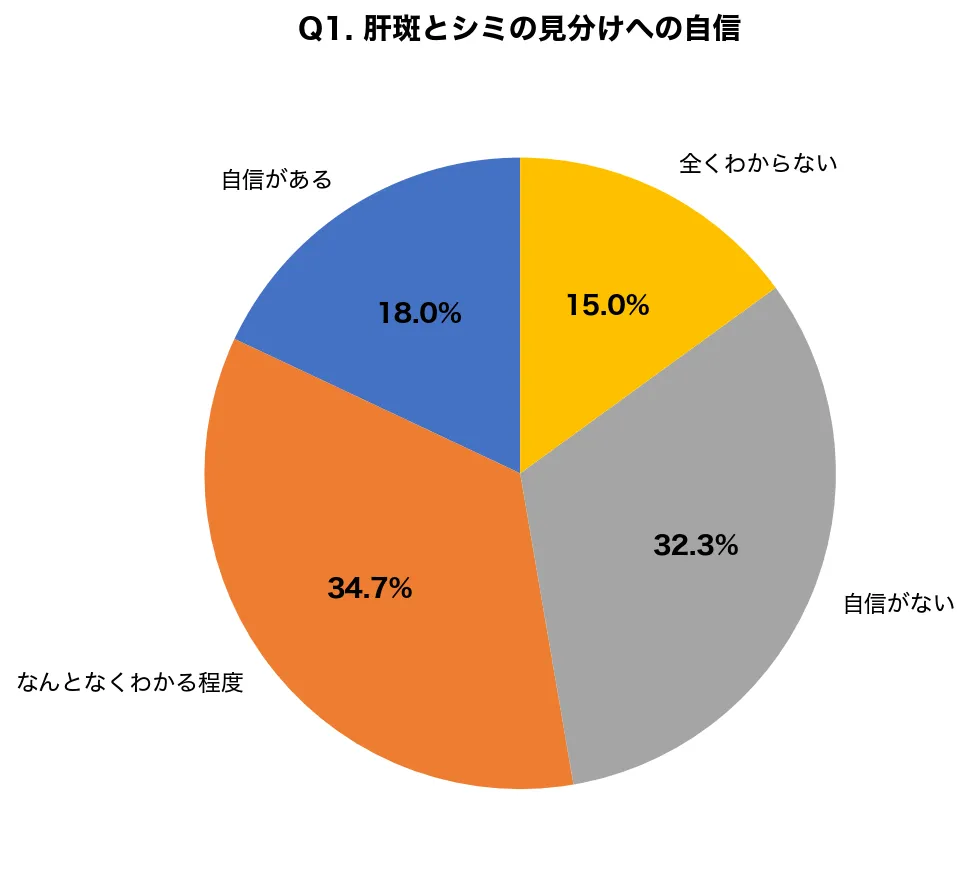
- - Confidence in Differentiating Conditions: A mere 18.0% of individuals felt confident in distinguishing melasma from other pigmentation issues like solar lentigines, pointing to the necessity of professional diagnosis.
Educational Gaps in Melasma Treatment
The survey indicates a pressing need for educational initiatives surrounding melasma. Many women, particularly those aged 30 to 50, are affected by this condition, yet there is insufficient understanding regarding effective treatments. Melasma often requires specific, gentle management strategies that differ significantly from those used for typical age spots.
Tranexamic Acid Therapy
Tranexamic acid is a key medication for managing melasma due to its anti-plasmin properties, which inhibit melanin production. Guidelines from the Japanese Dermatological Association recommend a dosage of 750 to 1500 mg daily for a period of 8 to 12 weeks to see optimal results. Despite its effectiveness, ongoing education surrounding adherence to treatment timelines is crucial, as many discontinue treatment prematurely.
Laser Toning Treatments
On the other hand, laser toning utilizes lower-power Q-switched YAG lasers to stimulate pigment distribution without activating melanocytes. This technique is suitable for melasma and can serve as a valuable adjunct to tranexamic acid treatment, leveraging the benefits of both modalities for improved patient outcomes.
Treatment Modalities Compared
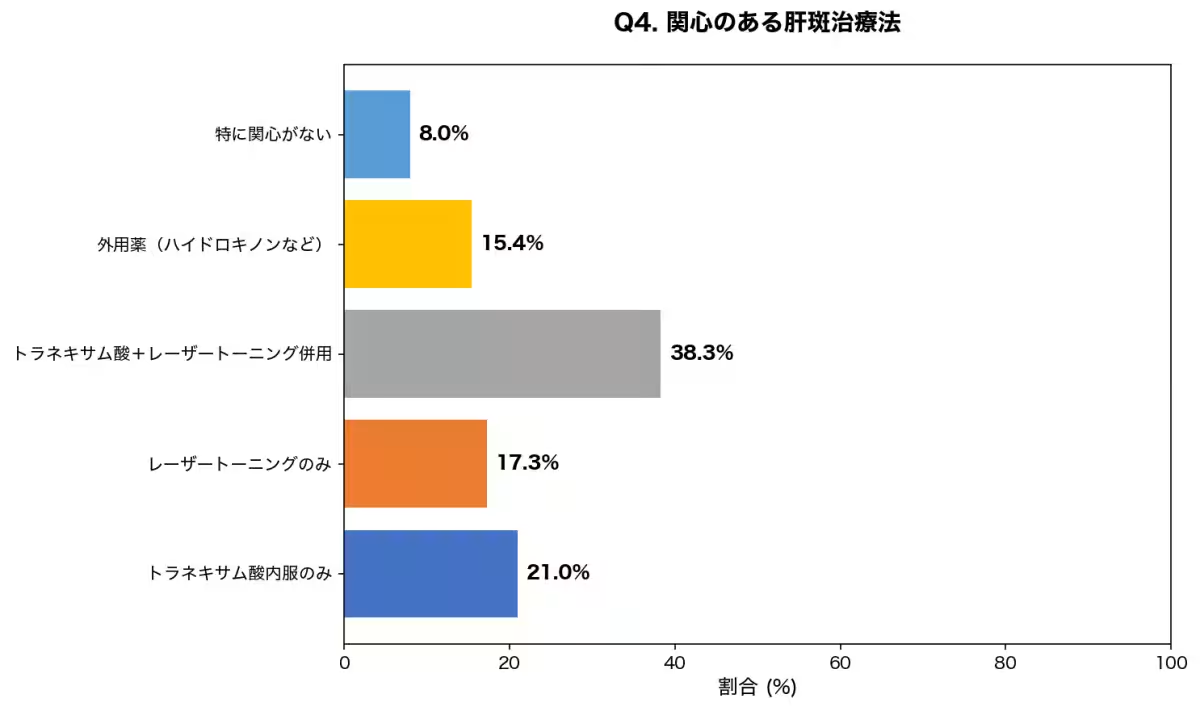
The survey also assessed preferences for different treatment methods:
- - Tranexamic Acid Alone: Noted for moderate improvement, taking 8 to 12 weeks to show effects, generally cost-effective.
- - Laser Toning Alone: Provides moderate results and carries higher costs with each session.
- - Combined Therapy: Showed the highest level of improvement and was preferred by 38.3% of respondents, showcasing a strong interest in utilizing both methods for enhanced results.
Risks of Mismanagement
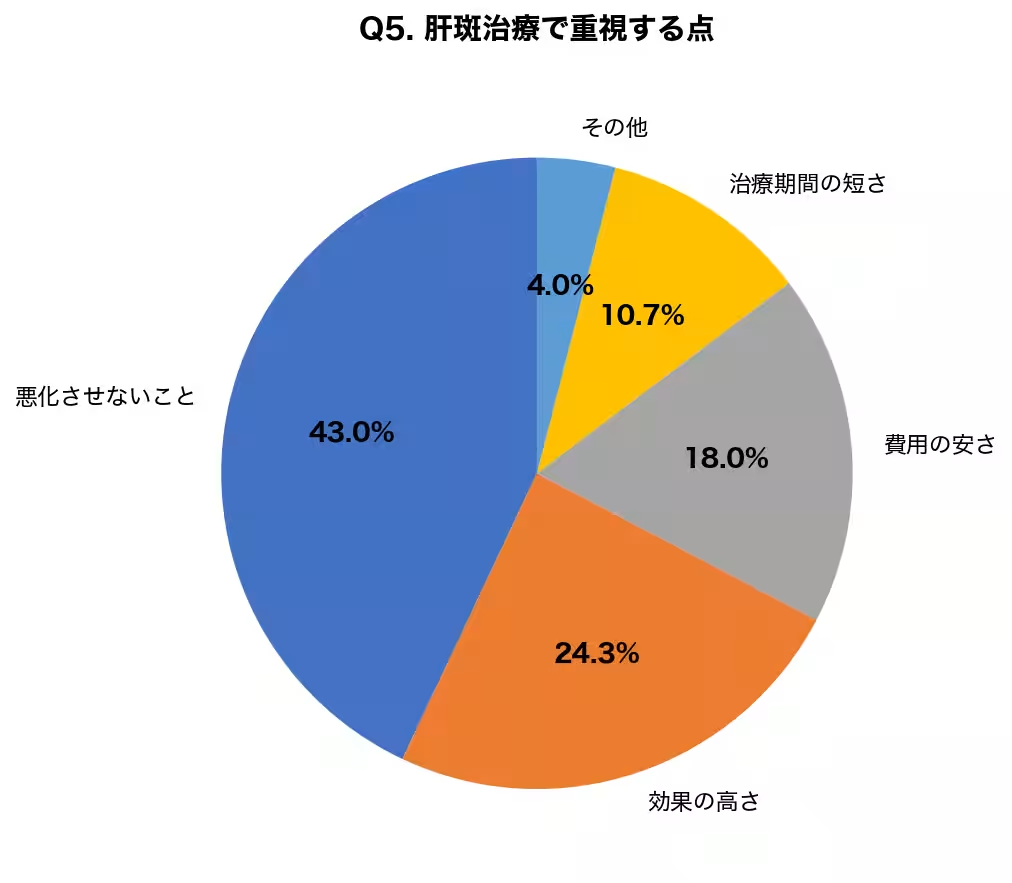
Several respondents indicated they prioritized not exacerbating their condition above all else, reflecting a widespread concern among patients. Individuals should avoid jumping to laser treatments without proper guidance from a dermatologist, as the wrong approach can aggravate melasma.
The survey's alarming results highlight the urgent need for improved awareness and education regarding melasma treatment options, risks, and the importance of professional evaluations. Proper management can dramatically improve outcomes and patient satisfaction.
Conclusion and Recommendations
In light of this survey, patients experiencing symptoms of melasma are urged to seek out qualified dermatological advice. Clinics should prioritize providing accurate information and guidance surrounding melasma treatment options, including the potential pitfalls of conventional laser therapies. Ensuring that patients understand the difference between melasma and common dark spots, along with the importance of prescribed treatment adherence, can significantly improve patient experiences and outcomes in managing this challenging condition.
Topics Health)
【About Using Articles】
You can freely use the title and article content by linking to the page where the article is posted.
※ Images cannot be used.
【About Links】
Links are free to use.