



Understanding the Harsh Realities of Mental Health Care Through a Survivor's Eyes
Understanding the Harsh Realities of Mental Health Care Through a Survivor's Eyes
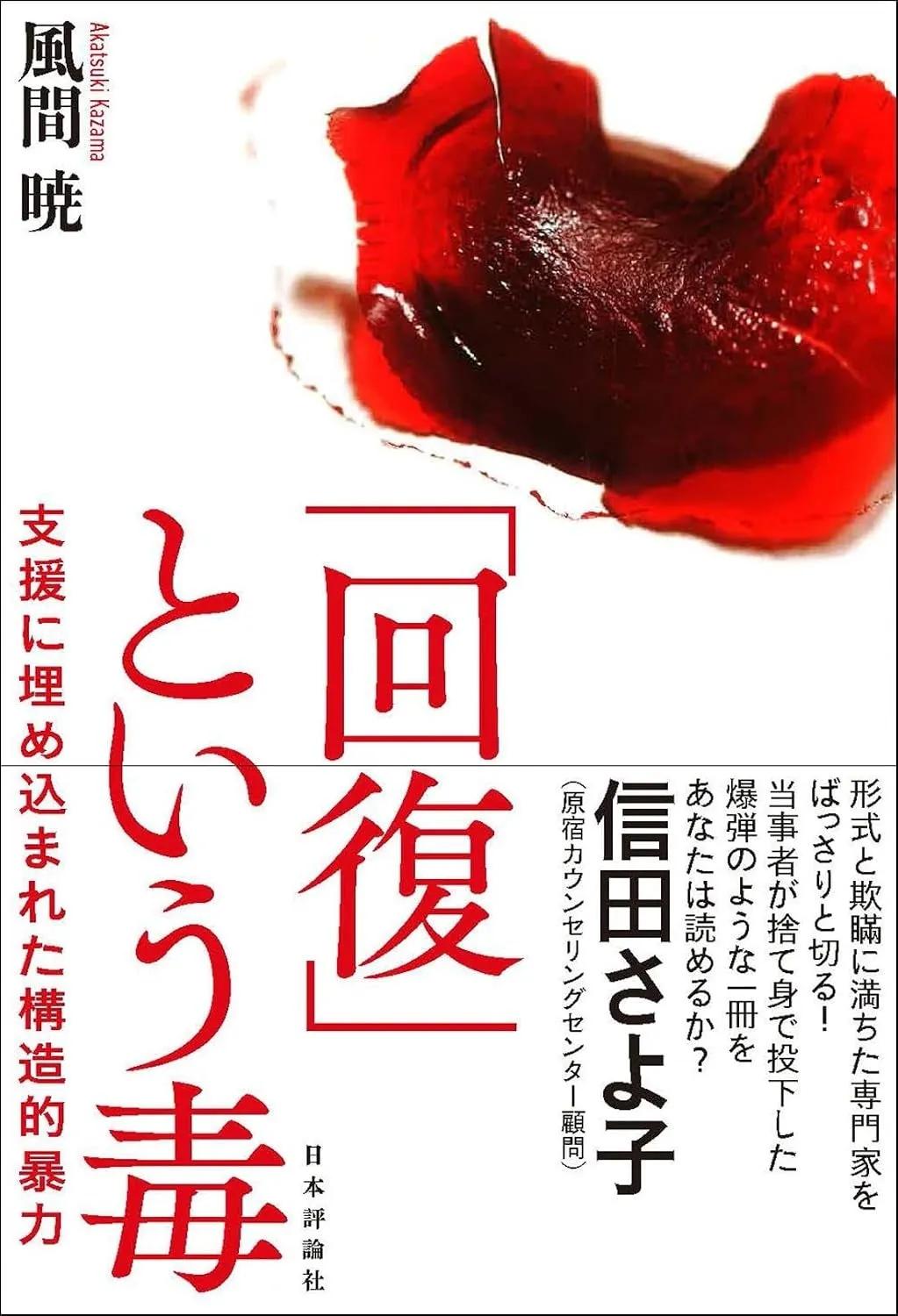
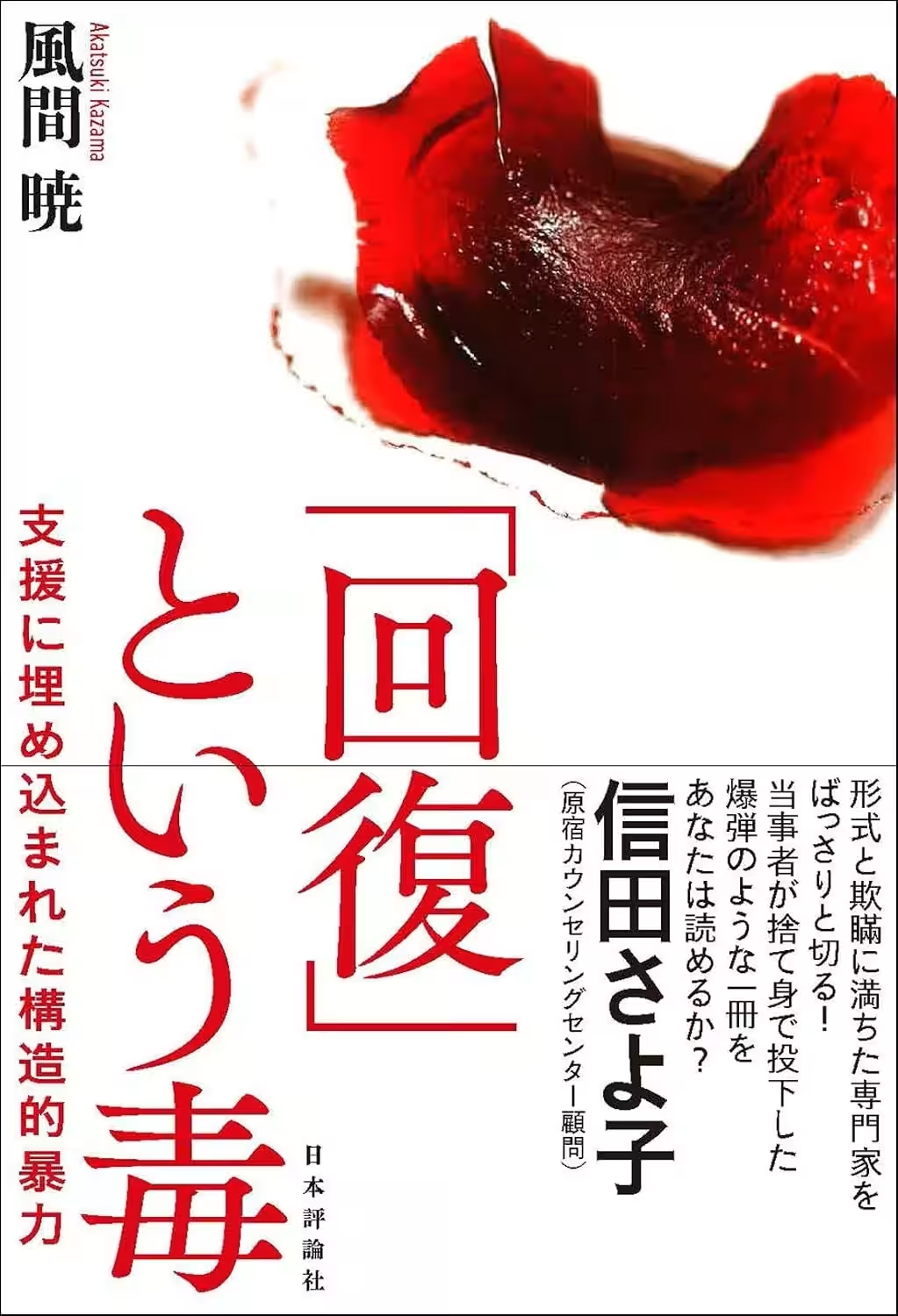
On September 2, 2026, Nippon Hyoron Sha, a publishing company based in Toshima, Tokyo, will release a compelling new book titled "The Poison of Recovery: Structural Violence Embedded in Support" by Akatsuki Kazama. This crucial work sheds light on the stark realities surrounding mental health care in Japan, particularly as they pertain to the youth.
Kazama, who has experienced severe abuse at the hands of her biological parents during her childhood, faced a turbulent adolescence marked by delinquency and drug abuse. Her story is not just one of hardship but also of resilience, as she navigated through correctional facilities and psychiatric hospitals. Today, she stands as a beacon of hope and transformation, dedicating her life to supporting young people and raising awareness about addiction.
In her book, Kazama dives deep into the pressing issues that have recently garnered attention, such as the concerns surrounding the so-called 'Tōyoko Kids' and the phenomenon of overdoses. These are not merely abstract problems; they reflect the struggles of real individuals with whom Kazama works closely, providing empathetic support rather than feeling overwhelmed by stigma.
Now, as an influential figure in the realm of addiction awareness, Kazama actively participates in initiatives like the Ministry of Health, Labour and Welfare's "Café Kokoro" and the Child and Family Agency's expert committee. She also plays an integral role in NHK E-Television’s welfare program, "toi-toi," which aims to provide a platform for those directly affected by these issues to contribute to the program’s planning. Her ongoing commitment to this work highlights the need for genuine understanding of and solutions for these challenges.
Her past, however, is marred by struggles with substance dependency, including using prescription and over-the-counter medications, leading to a history of addiction. At just 10 years old, she was placed in a group home and faced involuntary hospitalization in psychiatric wards. Adding to her complexity, her father was involved in a drunk-driving accident that resulted in death, marking her as part of a 'perpetrator family'.
These experiences of adversity and the accompanying trauma influenced her descent into rebellious behavior and drug misuse. In Kazama's view, the traditional support provided by mental health services and child welfare often acts as a hidden poison rather than a genuine remedy for recovery. Drawing on the experience of reviewing her mental health records, she illustrates how the very systems designed to help can sometimes perpetuate pain.
In her book, Kazama poignantly questions what true support looks like in the context of recovery. She challenges readers to consider why today’s youth increasingly rely on substances, why they find it hard to trust adults, and why they struggle to vocalize their need for help. Her narrative presents a raw reality that can only be conveyed by a survivor whose insights are rooted in lived experience.
Book Details
Understanding the real essence of support in mental health engagement, Kazama’s writing dissects the often blurry lines of professional intervention, questioning conventional wisdom and advocating for more empathetic approaches to aid.
Through her exhaustive work, Kazama makes it clear that recovery is more than just a goal; it is an intricate journey that traverses societal expectations and systematic challenges. As she aims to elucidate what support should genuinely signify, Kazama invites readers to embark on a reflective exploration of the role of adults and society.
About the Author: Akatsuki Kazama
Kazama serves as a director of the recognized non-profit organization ASK and the general incorporated association Void, acting as a social worker. She also teaches social medical studies as an adjunct lecturer at Kitasato University. Currently, she engages with the Child and Family Agency’s committee on juvenile treatment in national institutions and continues her vital involvement in youth support and mental health issues.
This groundbreaking work is a must-read for anyone seeking to understand the complexities of mental health care and the systemic issues that can hinder recovery instead of fostering it.
Don’t miss the opportunity to gain insights from a survivor who confronts the challenges head-on. As noted by Sayoko Nobuta, chairperson of the Japan Certified Psychologists Association, Kazama's book serves as a 'bombshell' that cuts through pretenses in professional mental health support.
Find out more about the book here or purchase it through Amazon here.

Topics Health)




【About Using Articles】
You can freely use the title and article content by linking to the page where the article is posted.
※ Images cannot be used.
【About Links】
Links are free to use.