




Importance of Infant Movement Sensors in Early Detection of Emergencies Discussed at Medical Conference
Raising Awareness: The Role of Infant Movement Sensors
At a recent academic conference held on February 7-8, 2026, at the Tokyo Medical Association Hall, significant insights into the early detection of sudden infantile emergencies were shared. This event was part of the 31st Annual Conference of the Japanese Society for the Prevention of Sudden Infant Death syndrome (SUDI), chaired by Dr. Toshimasa Obonai. In an enlightening presentation titled "A Case Where an Infant Movement Sensor Enabled Early Recognition of Apparent Life-threatening Event (ALTE), Leading to Survival," Dr. Obonai, head of the pediatric department at the Tokyo Metropolitan Tama North Medical Center, along with physicians from the Tokyo Metropolitan Children's Medical Center, presented compelling case studies.
Understanding Infant Movement Sensors
For context, infant movement sensors are devices designed to monitor the subtle movements of sleeping babies, primarily detecting the rhythmic movements associated with breathing. These sensors come in various forms, including mat-style and wearable devices. The capability of these sensors is critical, as they sound alarms when anomalies are detected, potentially safeguarding vulnerable infants.
Synopsis of the Conference Presentation
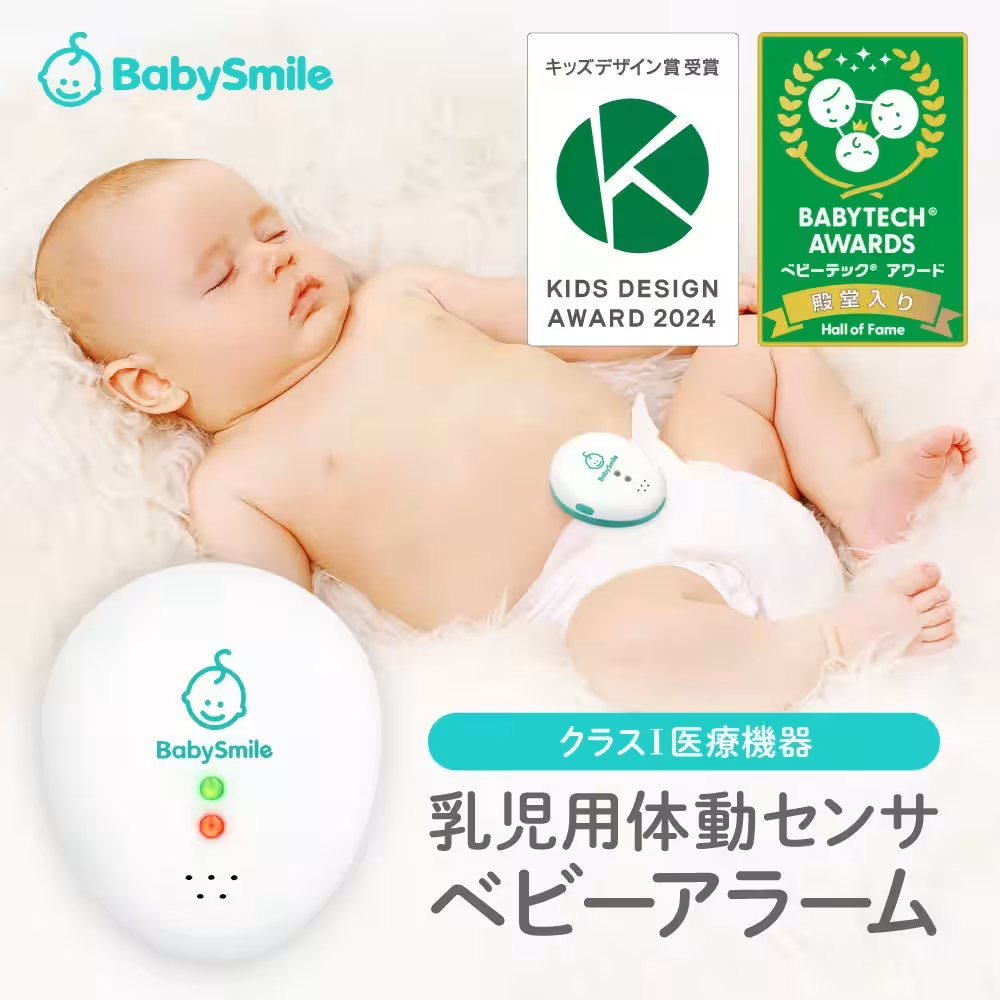
Dr. Obonai presented a particular case involving a one-month-old boy who was asleep at home. The wearable movement sensor activated, alerting the parents to a suspected state of apnea and decreased consciousness. The parents responded promptly by performing back blows, a first aid technique aimed at expelling airway obstructions. This intervention revived the infant's breathing, and emergency services were contacted immediately. Within approximately seven minutes, responders arrived, and about thirty minutes later, the infant was transported to a medical facility for further evaluation.
Upon initial examination, the infant exhibited pallor and mild lethargy. Blood tests confirmed lactic acidosis, a condition indicating elevated lactic acid levels in the blood. Fortunately, after a period of observation during hospitalization, the infant showed gradual improvement. Despite thorough examination, no definitive cause for the episode was identified, and the child was discharged without any recurrence.
Key Insights from the Presentation
The conference highlighted several crucial points regarding the use of in-home monitoring devices:
1. Traditional home monitoring has historically been linked with limited effectiveness in preventing Sudden Unexplained Infant Death (SUDI).
2. Technological advances, including the development of wearable sensors, represent a promising shift in how we monitor infants.
3. The specific case presented underscores the potential of such devices to allow for rapid recognition of abnormalities during sleep, suggesting the need for further validation of their effectiveness.
4. This case serves as an important reminder that early awareness within the home setting is vital not just within medical facilities but also in family environments.
Market Interest and Company Response
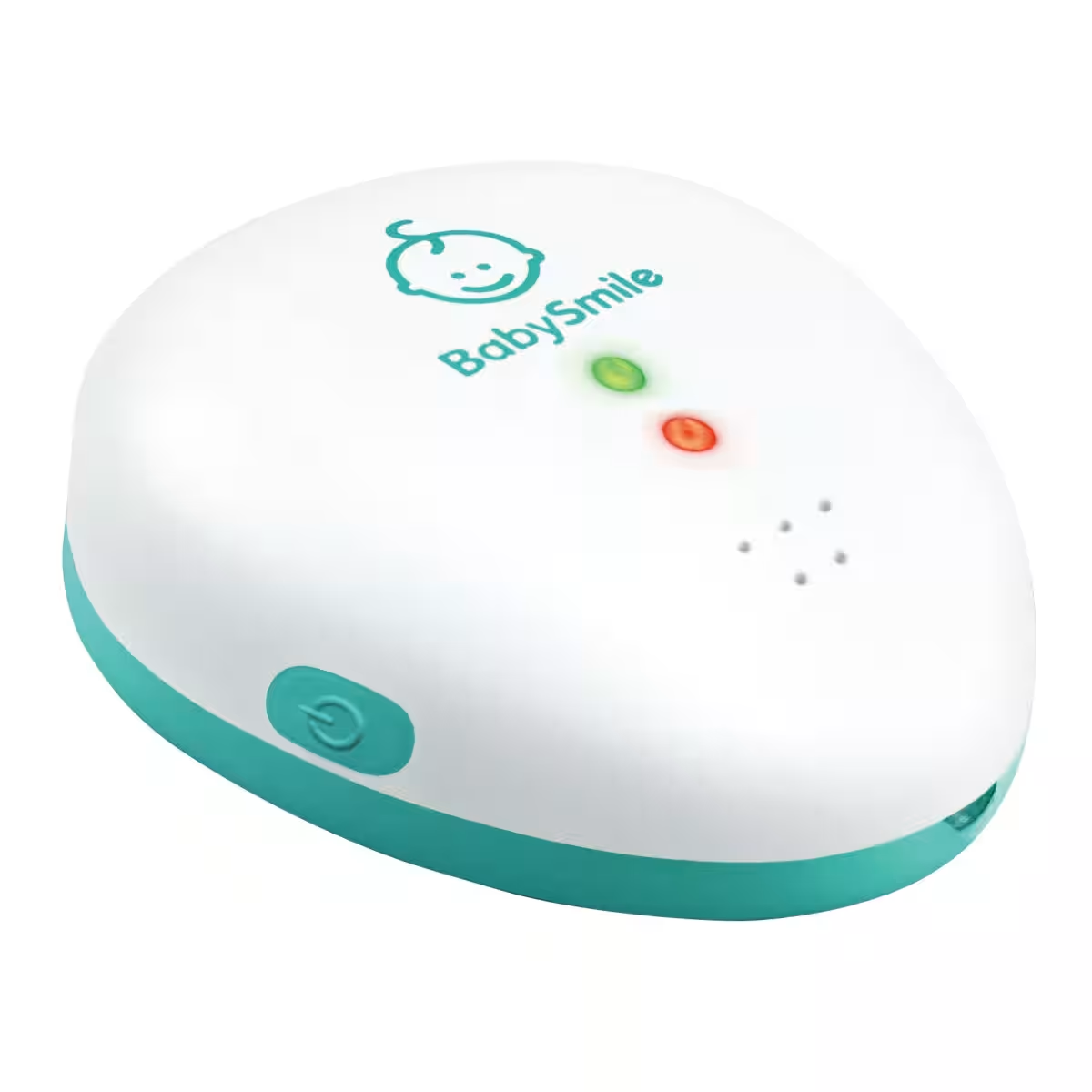
In light of the growing interest in home monitoring equipment, our company manufactures and sells infant movement sensors aimed at providing caregivers with the means to detect changes in their baby’s movement during sleep. Our product is designed not only for medical institutions but also for parents who are considering their options in childcare routines.
Product details:
- - Product Name: Infant Movement Sensor Baby Alarm E-202
- - Retail Price: ¥5,478 (tax included)
- - Contents: Battery, instruction manual, supporting documents
- - Dimensions: Approximately W47 x H55 x D25 mm
- - Power Source: 1 lithium thionyl chloride battery ER14250
Dynamic updates can be found on our official shop: Baby Smile Info Shop.
Future Directions
Our commitment moving forward remains steadfast as we utilize insights from medical practice and scholarly presentations to create products that bridge the gap between home users, childcare environments, and healthcare professionals. Our mission as a medical device manufacturer is to continually provide caregivers with options that facilitate early awareness and intervention for their infants.
Company Overview
- - Company Name: Seastar Co., Ltd.
- - Established: September 1, 1987
- - Headquarters: 21st floor, Shinagawa Season Terrace, 1-2-70 Konan, Minato City, Tokyo
- - CEO: Kazumasa Yamafuji
- - Business Scope: Development and sales of medical equipment for infants
- - Website: Seastar Website
Contact Information
For inquiries regarding this press release:
- - Contact Person: Shirakami and Iijima
- - Phone: 03-6711-5500
- - Fax: 03-6711-5510
- - Email: [email protected]

Topics Health)
【About Using Articles】
You can freely use the title and article content by linking to the page where the article is posted.
※ Images cannot be used.
【About Links】
Links are free to use.