



Exploring the Impact of Generative AI on Internal Help Desk Operations by 2026
Introduction
In recent years, Canon Marketing Japan conducted a significant survey on internal help desk operations within the information systems department, targeting companies employing between 300 and 1,000 staff members. This report offers insights into how generative AI is reshaping these roles and the increasing pressures faced by help desk personnel as we look toward 2026.
Survey Overview
Conducted from June 12 to June 15, 2026, the study received responses from 111 information systems personnel, revealing crucial trends in workload increase, personnel shortages, and expectations regarding service quality from external vendors. The survey emphasized how generative AI and operational efficiency tools have progressed while also highlighting the escalating burden on help desk staff due to a lack of manpower and knowledge silos.
Key Findings
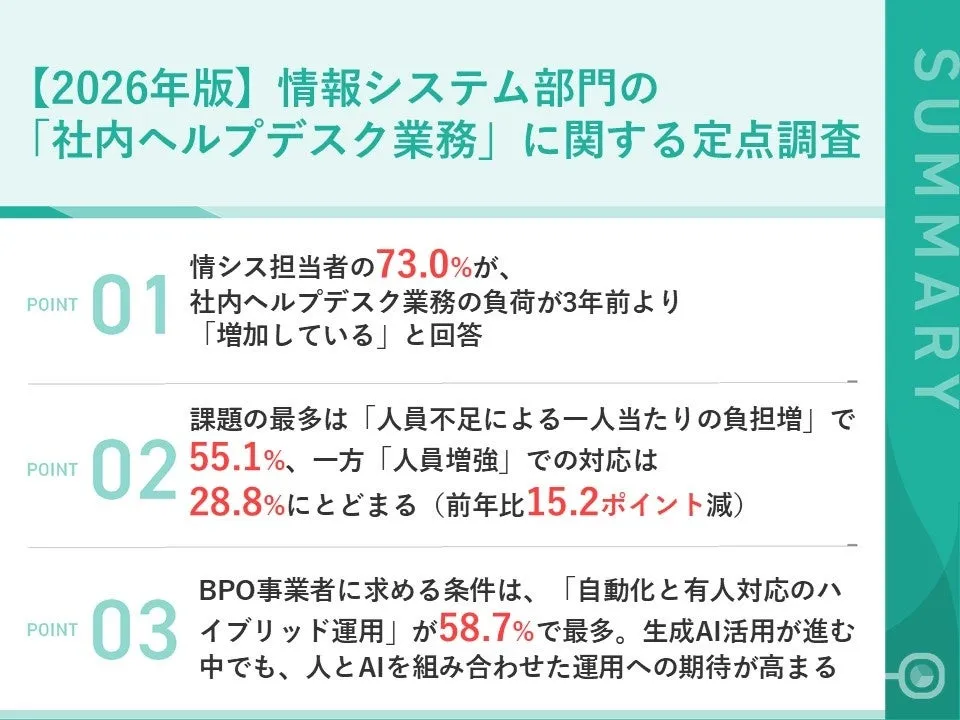
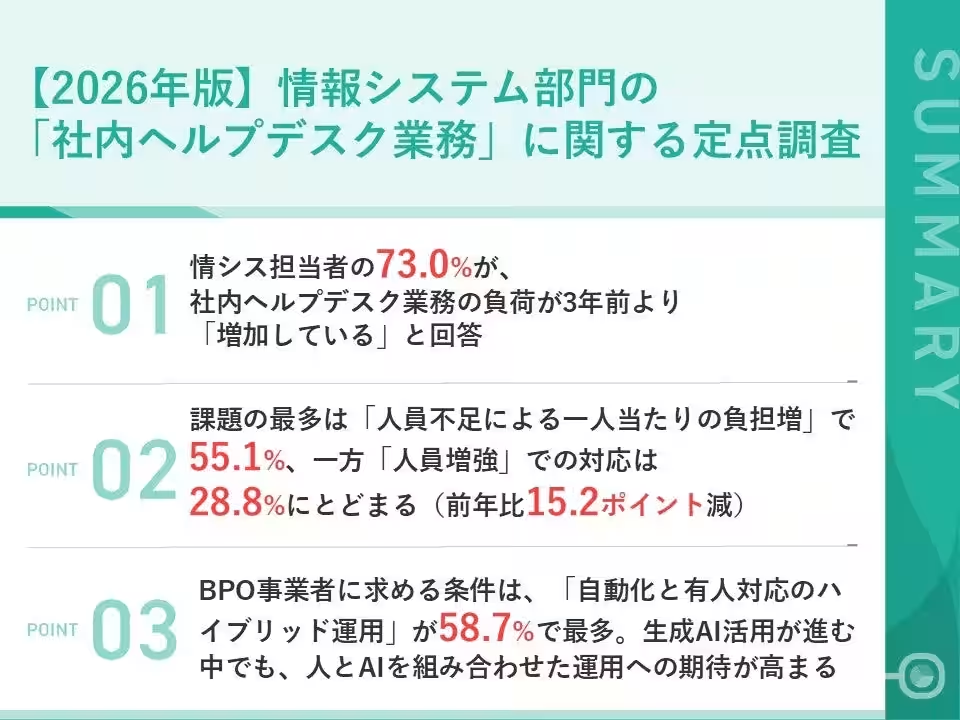
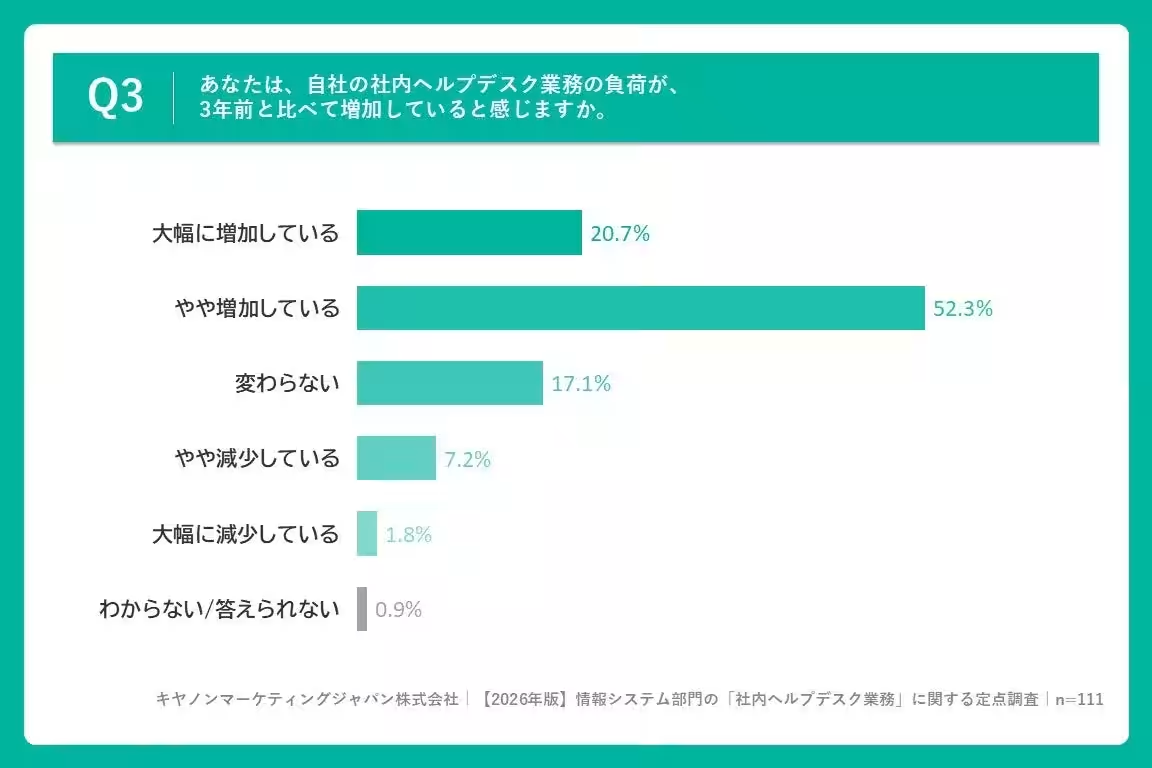
According to the survey, a staggering 73% of respondents noted that their help desk workloads have increased over the past three years. The primary concern arises from personnel shortages, which accounted for 55.1% of grievances expressed. Notably, attempts to address these challenges through increased staffing remains largely underwhelming, with only 28.8% considering hiring more staff, a decline of 15.2% from the previous year.
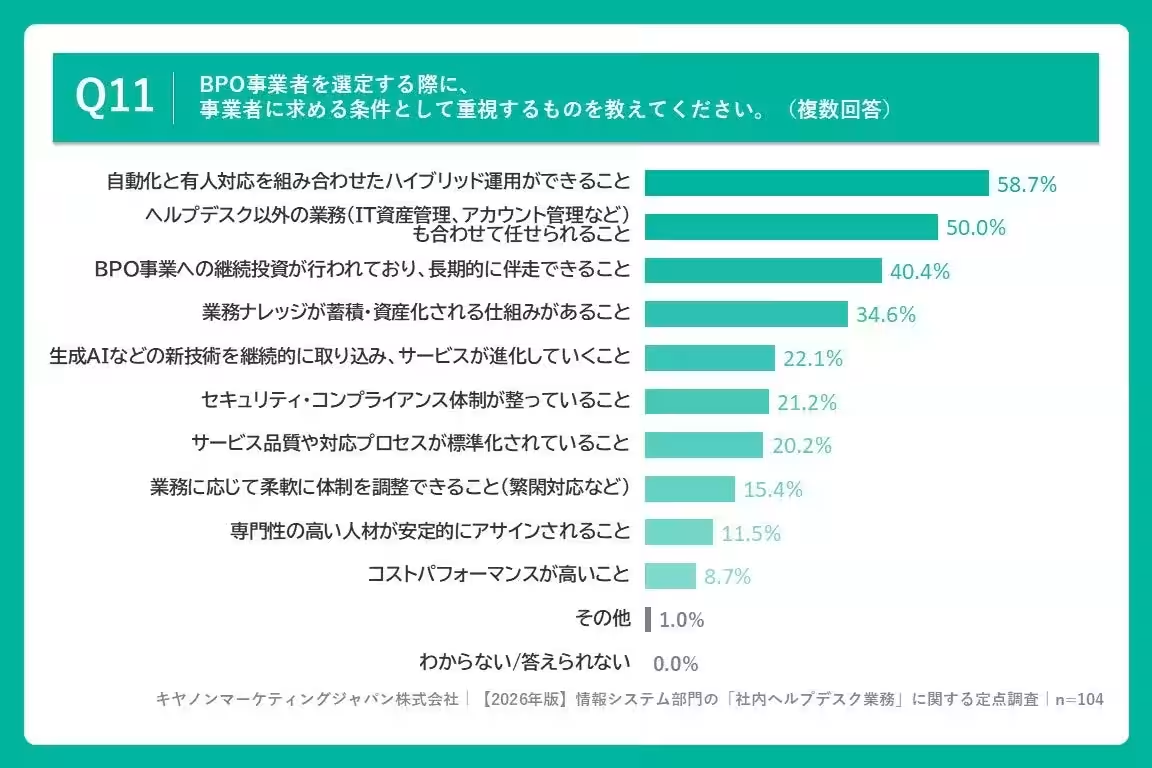
In terms of solutions, 58.7% of respondents indicated a preference for outsourcing partners capable of combining automation with human efforts. The need for a hybrid operational model has become evident, reflecting an evolving landscape where the human touch in support is still paramount despite the increasing reliance on technologies like generative AI.
External Partnerships in Focus
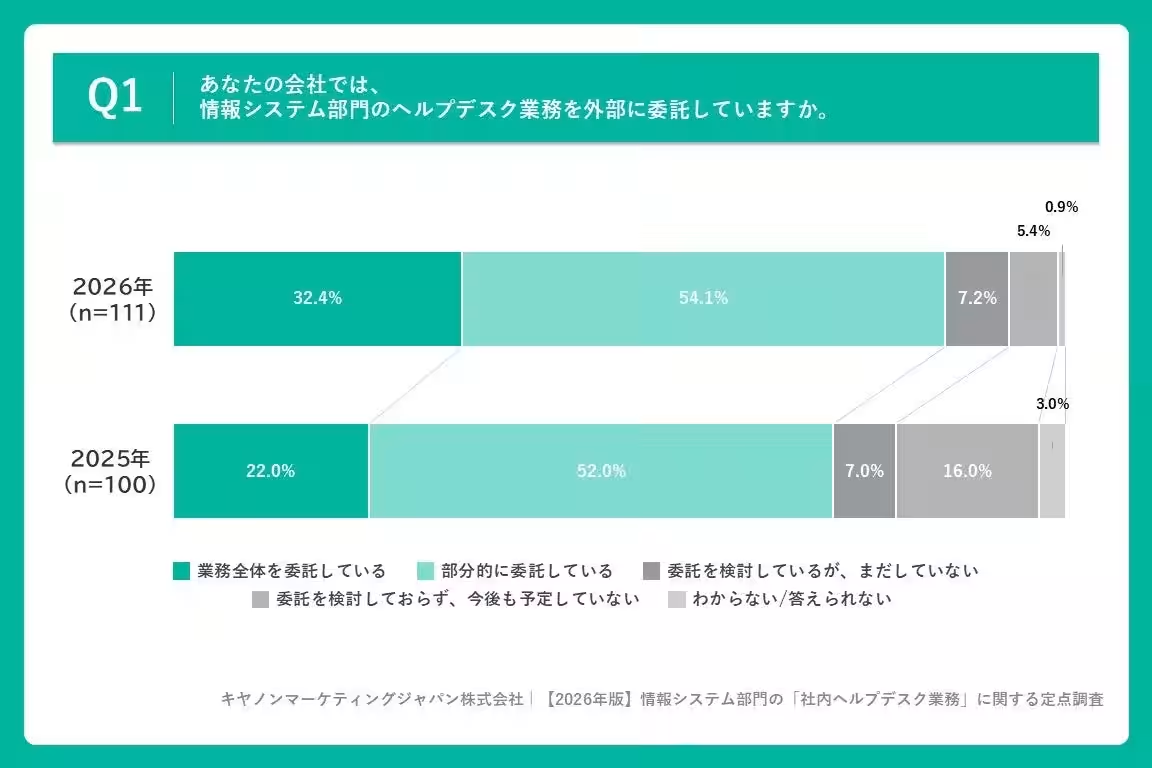
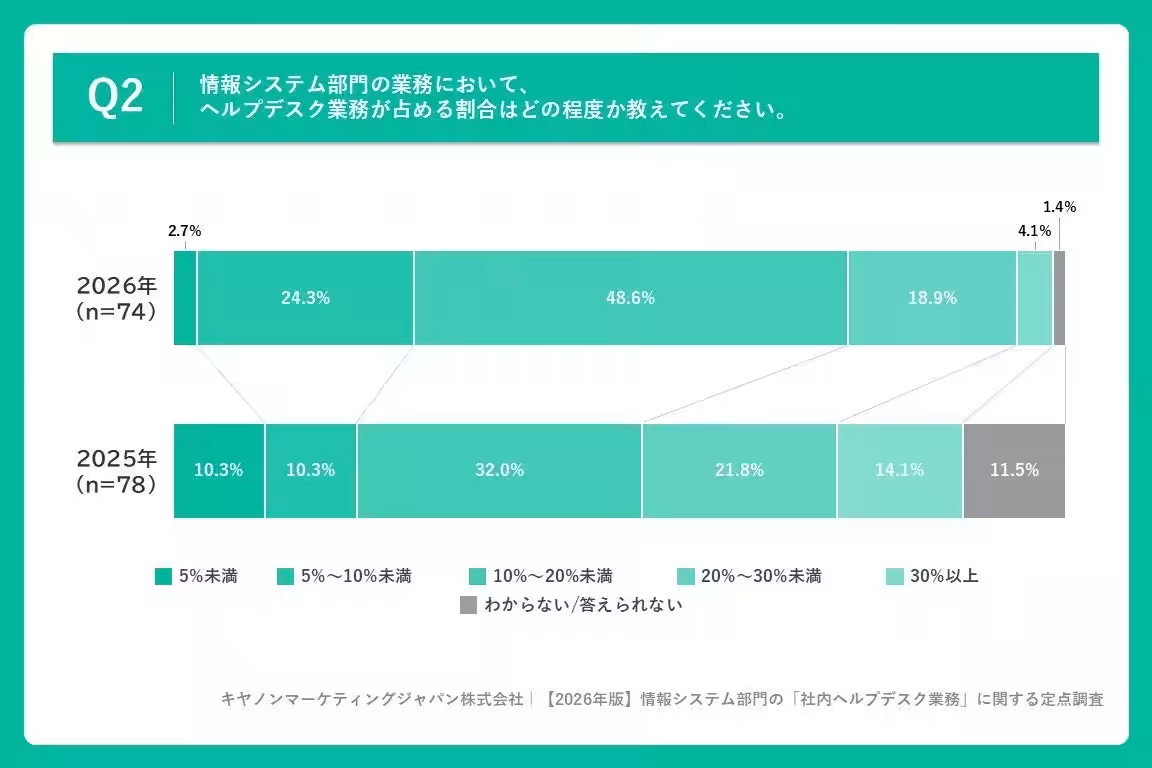
The data reveals that approximately 90% of companies currently outsource some aspect of their help desk operations, showcasing a 12.5-point growth compared to 2025 figures, emphasizing a shift toward external collaborations. Most companies, 48.6%, reported that help desk operations constituted 10% to 20% of their overall outsourced services, indicating a stable reliance on external expertise.
Workload and Challenges
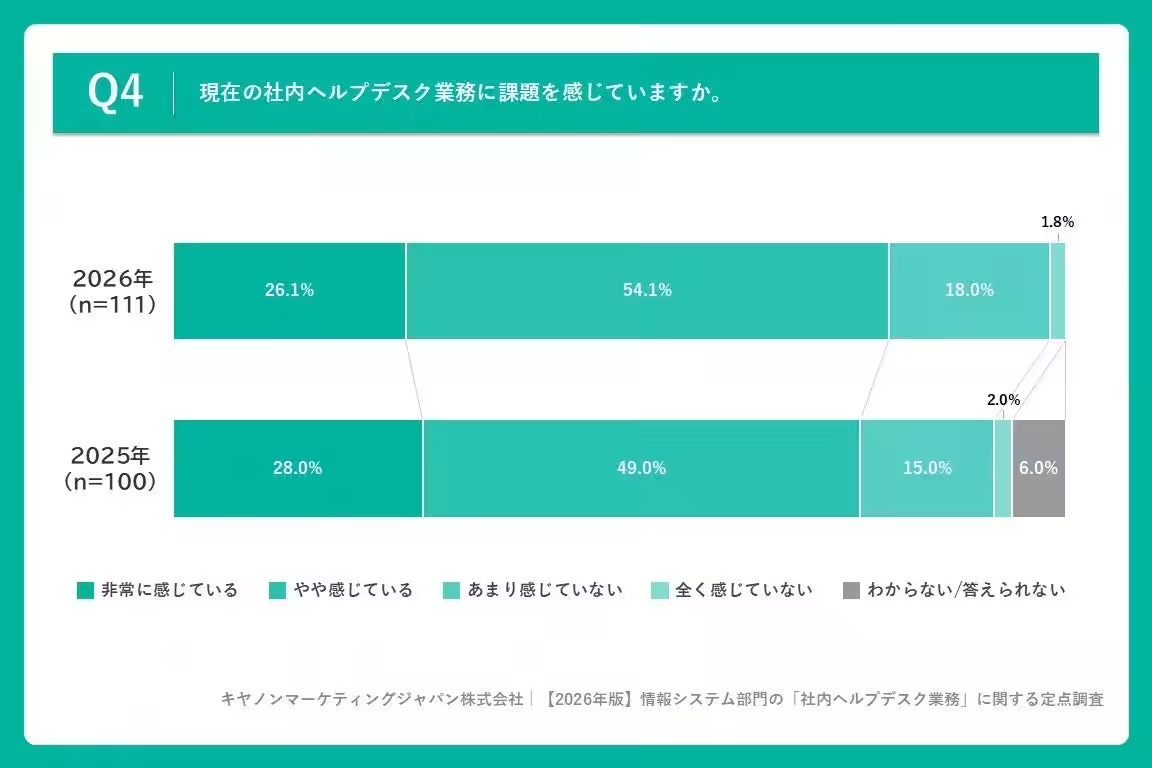
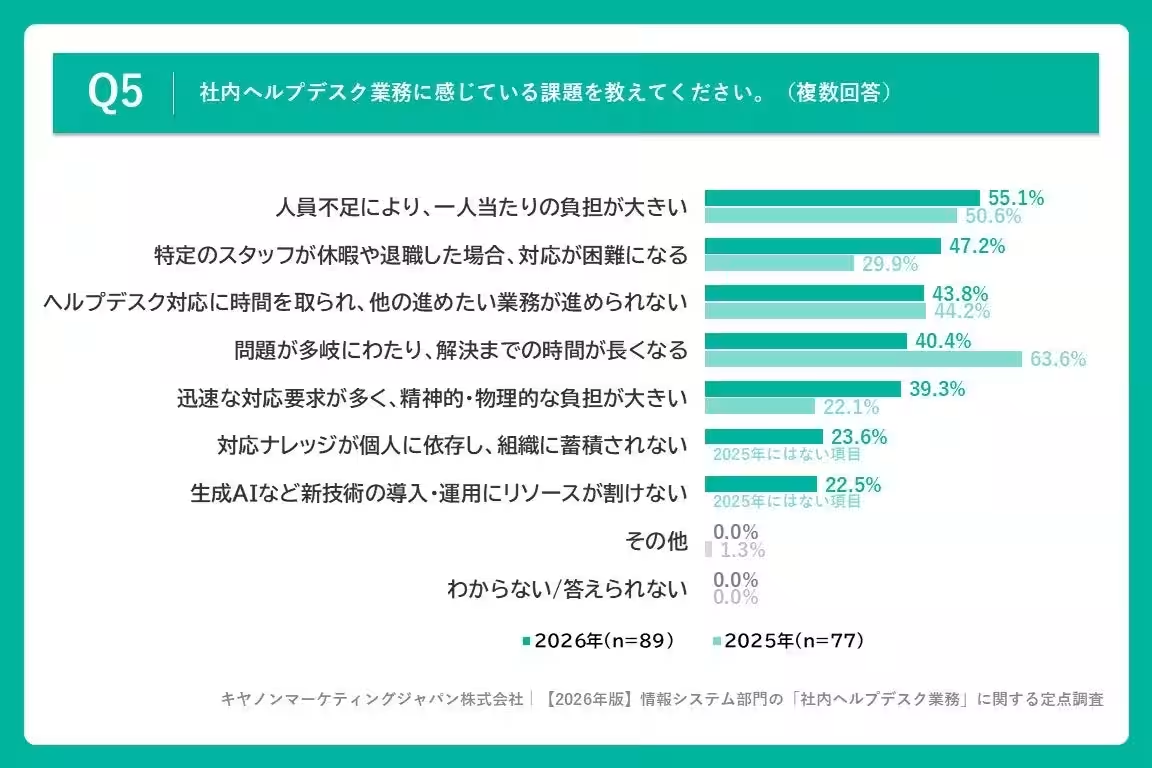
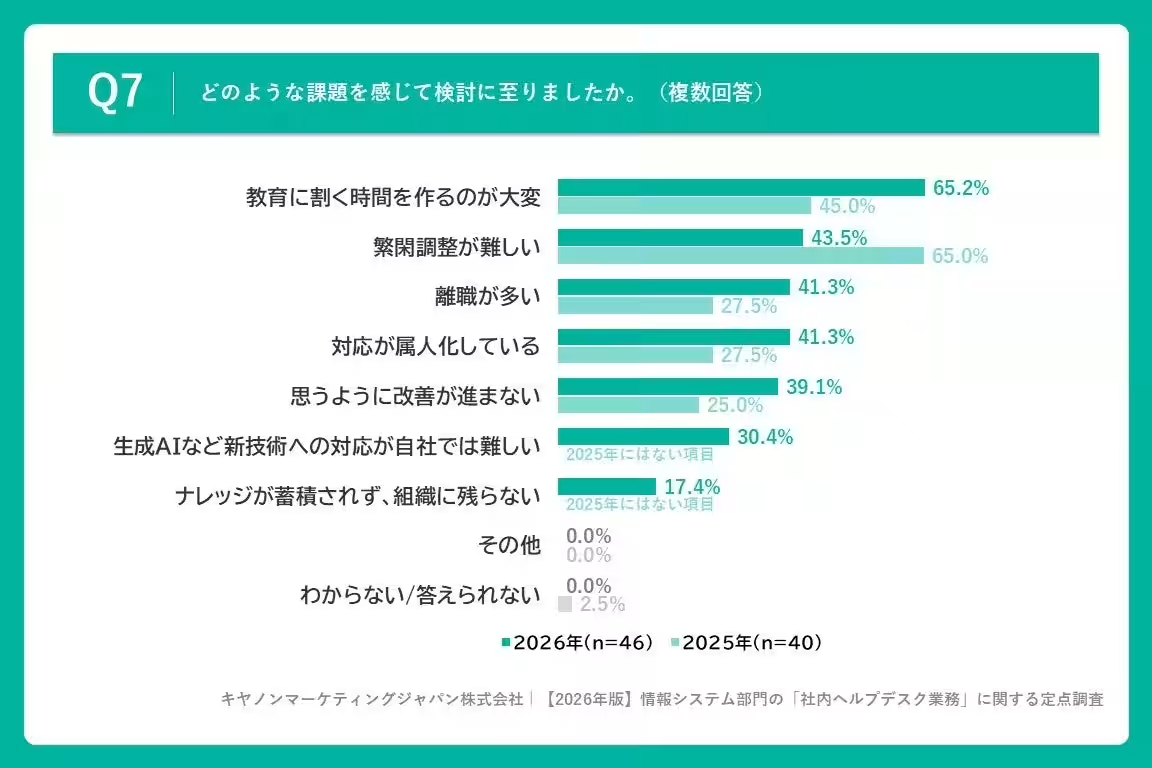
The study also highlighted that 80.2% of help desk workers feel that their current operations come with significant challenges. Specifically, 55.1% cited excessive burdens linked to staffing shortages, while 47.2% mentioned difficulties arising from sole reliance on particular staff members due to absences or turnover. Furthermore, the growing complexity of help desk inquiries has hindered the efficiency of operations, as nearly 43.8% expressed frustration over time lost to resolving inquiries, preventing them from focusing on other critical tasks.
Efficiency Initiatives
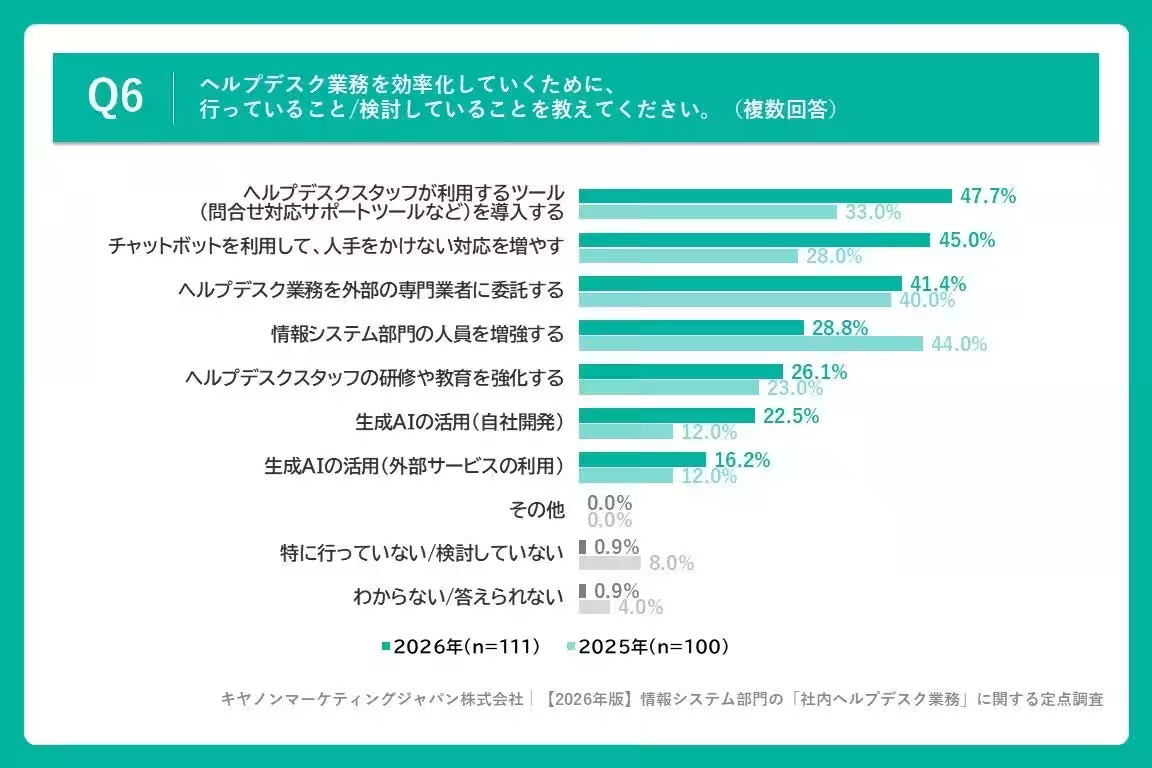
Interestingly, responses to the survey indicated a shift in focus towards automation tools: 47.7% of organizations have adopted support tools while 45% have implemented chatbots to reduce manpower-intensive responses. However, the desire to bolster staffing levels has seen a sharp decline, as many are exploring more innovative strategies to streamline operations through external partnerships and technology adoption.
Embracing Generative AI
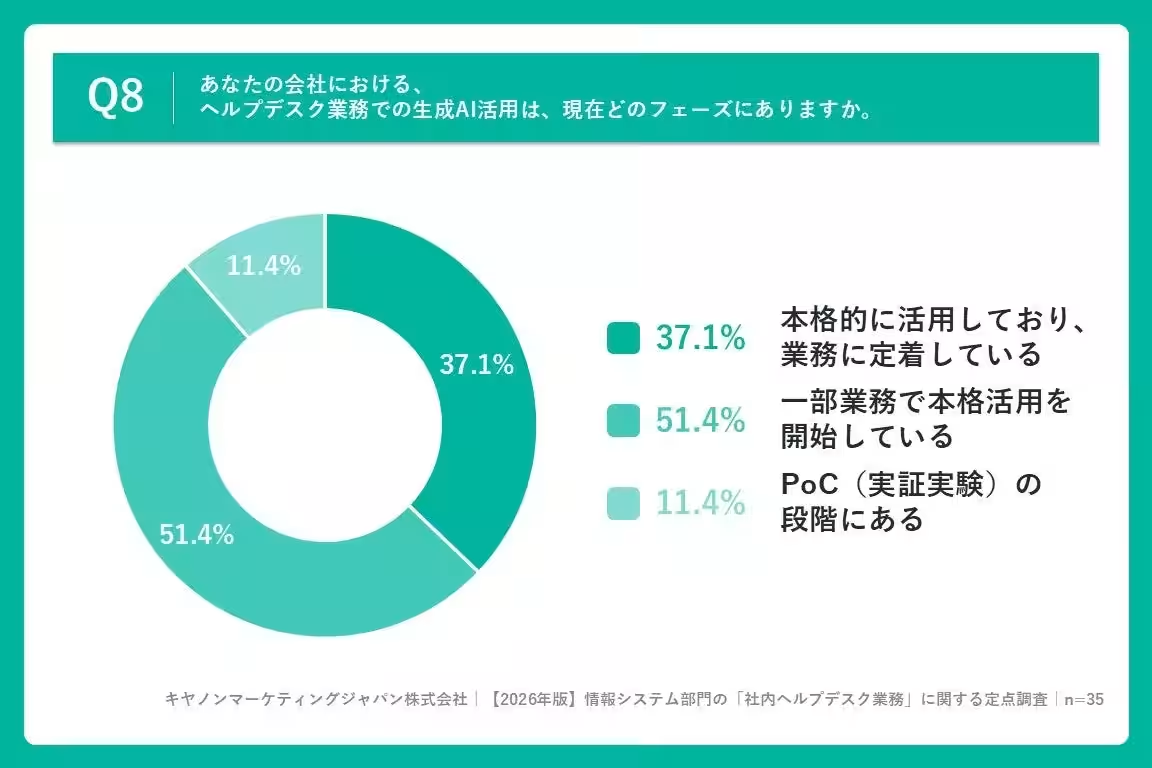
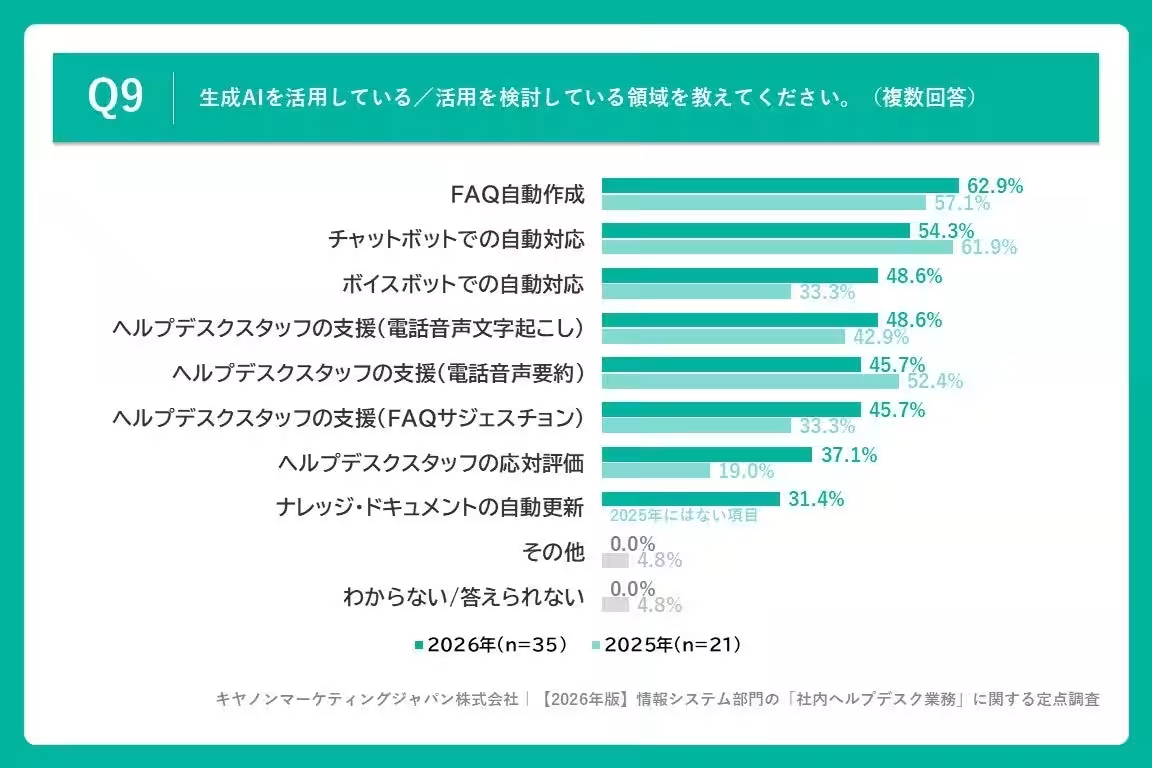
The integration of generative AI into help desk operations has accelerated, with 88.5% of participants either already using it extensively or implementing it in select areas. Many companies have begun leveraging AI for tasks like FAQ automation (62.9%), chatbot-driven queries (54.3%), and voice bot solutions (48.6%). This shift has resulted in fewer organizations grappling with the initial uncertainties surrounding AI adoption, indicating a maturity in the use of such technologies in day-to-day help desk operations.
Expectations from BPO Partners
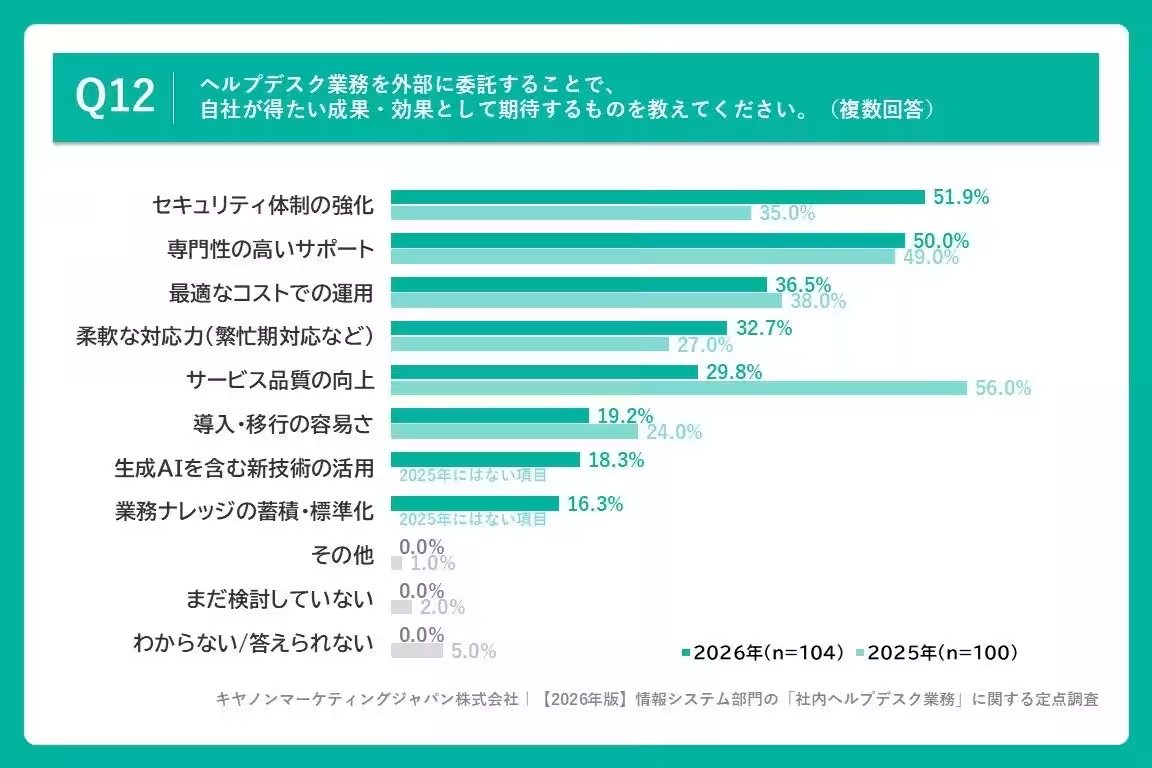
When asked about their expectations from BPO providers, 51.9% of respondents targeted enhanced security measures, marking a 16.9-point increase from 2025. This reflects a growing need for external vendors to not only provide service efficiency but also contribute to a secure operational infrastructure.
Conclusion
The ongoing survey paints a picture of internal help desk operations struggling against increasing demands. While personnel continues to be a pressing issue, companies are looking beyond simple staffing solutions and are instead favoring effective partnerships that harness the benefits of automation alongside human insight. The role of generative AI continues to evolve, offering substantial opportunities for enhancing operational workflows. The transformation from manual to automated processes, coupled with thoughtful strategic alignment with technology partners, will be critical in navigating the complexities of tomorrow’s help desk operations.
Topics Consumer Technology)
【About Using Articles】
You can freely use the title and article content by linking to the page where the article is posted.
※ Images cannot be used.
【About Links】
Links are free to use.