



Understanding the Link Between Summer Fatigue and Skin Issues: A Deep Dive into Nutritional Impact
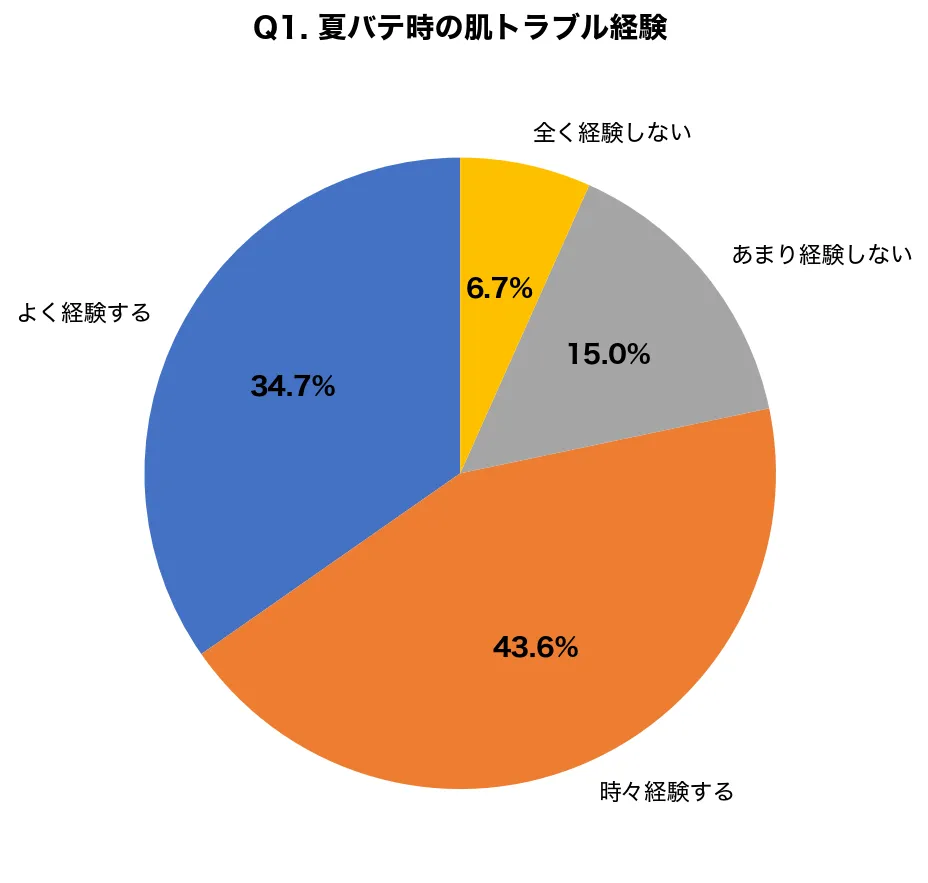
As summer heats up, many experience a phenomenon known as summer fatigue, characterized by fatigue, loss of appetite, and a decline in overall health. A recent survey conducted by IC Clinic revealed a striking statistic: approximately 78.3% of individuals who have suffered from summer fatigue reported various skin troubles. This figure highlights the alarming connection between seasonal fatigue and skin conditions, drawing attention to the underlying causes related to nutrition and lifestyle.
Summer fatigue can be attributed to a combination of factors, including high temperatures and humidity, leading to disruptions in the autonomic nervous system. This, coupled with decreased appetite and potential sleep deprivation, can significantly impact one’s overall well-being. Specifically, in terms of skin health, the shortage of essential nutrients due to altered eating patterns can lead to severe consequences, particularly for skin elasticity and barrier function.
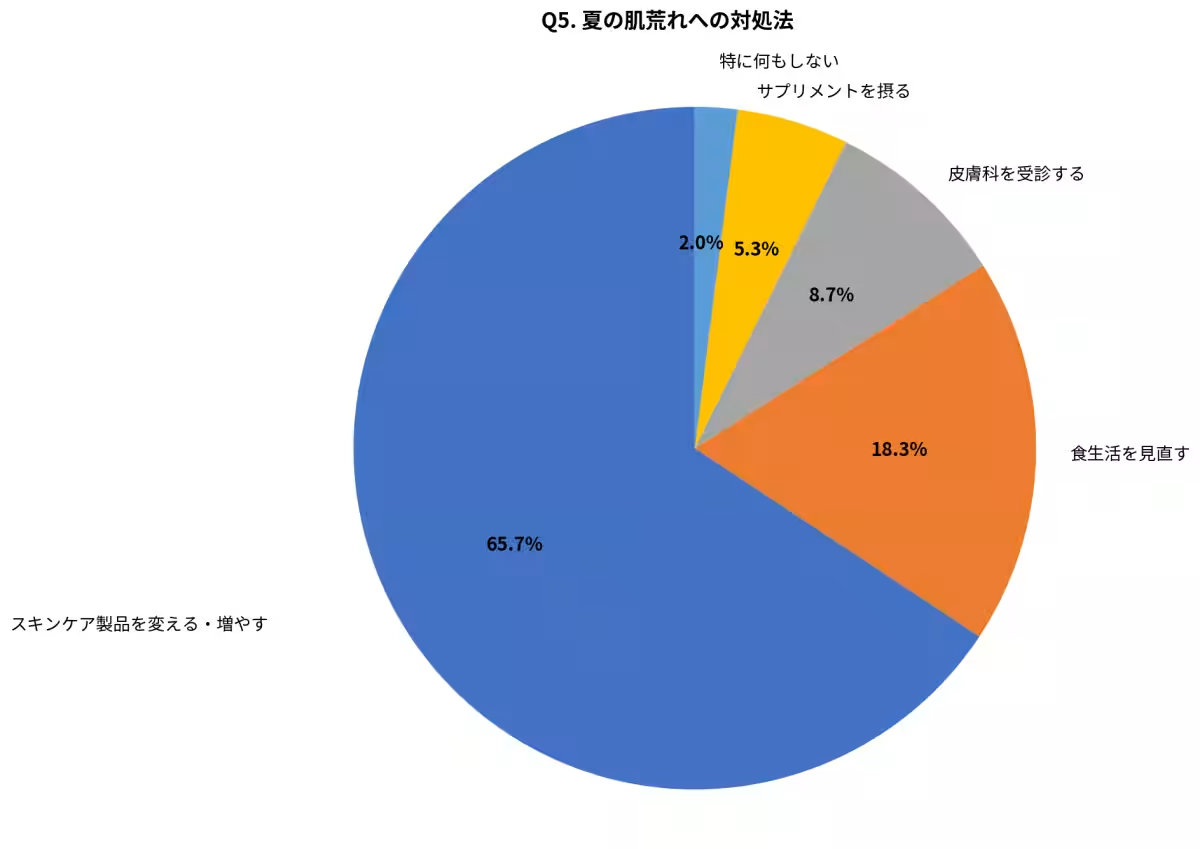
the survey revealed that a staggering 65.7% of respondents acknowledged their dietary disturbances as a primary factor contributing to their skin issues. Many reported a skewed reliance on carbohydrate-heavy meals, including cold noodles and rice dishes, which are commonly favored during hot weather due to their lighter nature. However, this dietary pattern often fails to provide adequate protein, vitamins, and minerals crucial for maintaining healthy skin.
Experts note that skin requires a specific balance of nutrients to function optimally. For instance, proteins are vital for the structural integrity of the skin, while vitamins B and C play essential roles in cellular turnover and collagen synthesis, respectively. Insufficient intake of these nutrients can lead to uneven skin texture, dryness, and even acne – symptoms commonly reported among summer fatigue sufferers.
During the survey conducted among a sample of 300 individuals aged 20 to 50, alarming trends emerged regarding dietary habits and their effects on skin health:
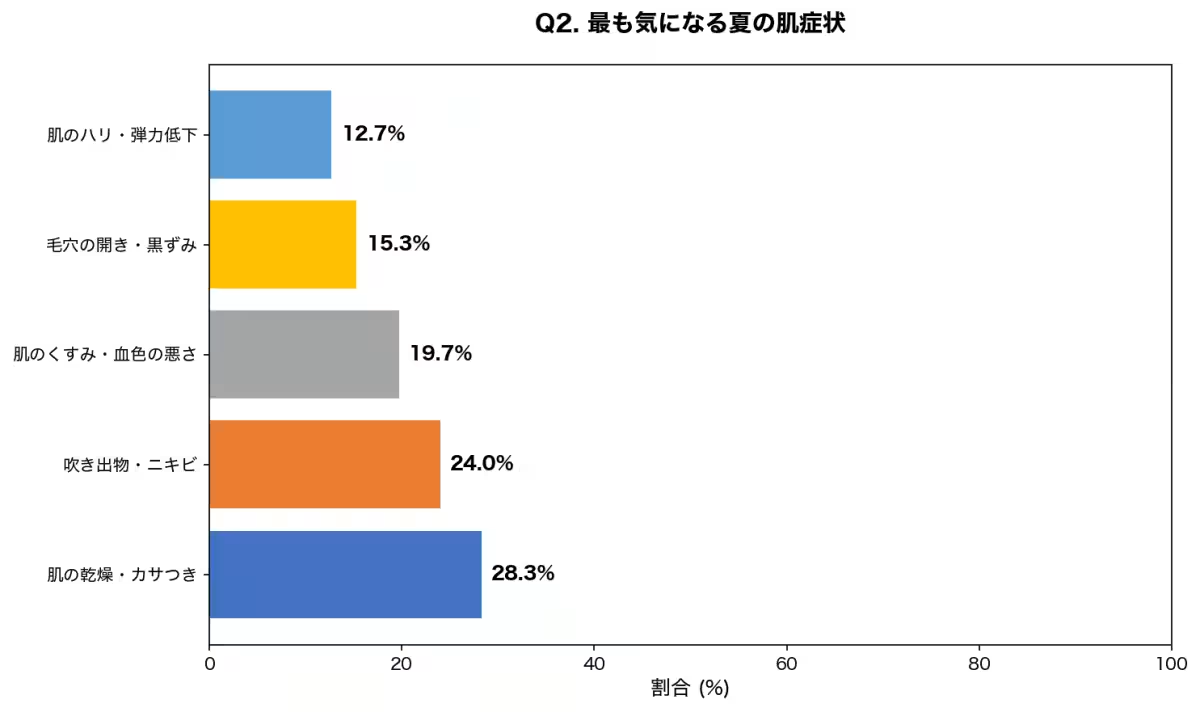
1. Skin Troubles: 80% of those who experienced summer fatigue reported some form of skin issue, with the leading complaint being dry skin (28.3%).
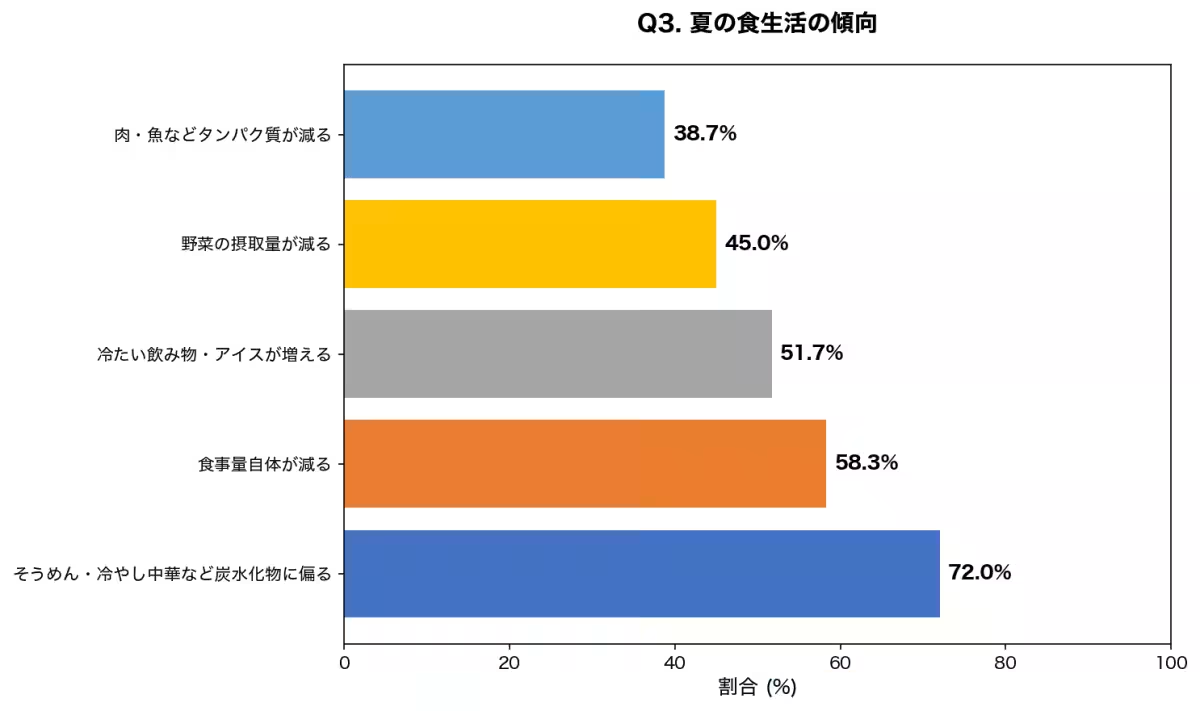
2. Dietary Patterns: 72% indicated their summer diet tends to be overly carbohydrate-focused, with insufficient protein and vegetable intake. This excessive reliance on carbs diminishes the range of nutrients essential for maintaining skin health.
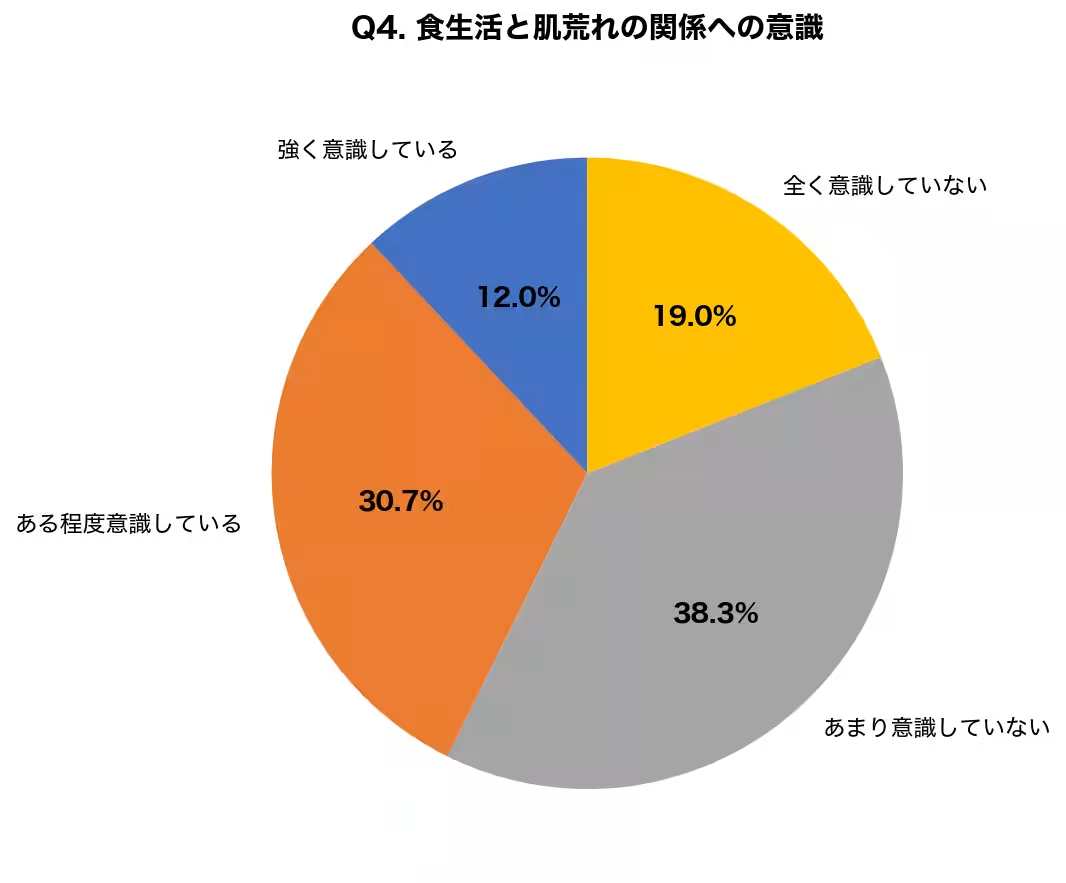
3. Awareness Gap: Only 42.7% were aware of the link between their eating habits and skin health, which suggests a lack of understanding regarding the interplay between nutrition and skin condition.
Dr. Kouta Takakuwa, a specialist at IC Clinic, emphasized the necessity of a well-balanced diet in combating summer-related skin issues. He pointed out that many often resort to skincare products to remedy skin problems without addressing the nutritional deficiencies that underlie these issues. He advised that incorporating nutrient-rich foods such as proteins from eggs, tofu, and fish, alongside vitamins from seasonal vegetables, can significantly enhance skin vitality.
To mitigate the adverse effects of summer fatigue on skin health, consider the following nutritional tips:
The research underscores a compelling narrative regarding the symbiotic relationship between summer fatigue, dietary patterns, and skin health. It demonstrates that many individuals inadvertently exacerbate skin issues through neglectful eating habits during the hotter months. As the traditional Japanese custom of eating unagi (eel) on the day of the ox in summer is believed to combat fatigue, it serves as a reminder of the importance of mindful eating. A well-rounded diet rich in diverse nutrients is not only essential for physical health but equally crucial for maintaining healthy skin during the sweltering summer months. As awareness grows, understanding the interplay between nutrition and skin conditions can empower individuals to make informed dietary choices for better skin health.
The Impact of Summer Fatigue
Summer fatigue can be attributed to a combination of factors, including high temperatures and humidity, leading to disruptions in the autonomic nervous system. This, coupled with decreased appetite and potential sleep deprivation, can significantly impact one’s overall well-being. Specifically, in terms of skin health, the shortage of essential nutrients due to altered eating patterns can lead to severe consequences, particularly for skin elasticity and barrier function.
Nutritional Deficits
the survey revealed that a staggering 65.7% of respondents acknowledged their dietary disturbances as a primary factor contributing to their skin issues. Many reported a skewed reliance on carbohydrate-heavy meals, including cold noodles and rice dishes, which are commonly favored during hot weather due to their lighter nature. However, this dietary pattern often fails to provide adequate protein, vitamins, and minerals crucial for maintaining healthy skin.
Experts note that skin requires a specific balance of nutrients to function optimally. For instance, proteins are vital for the structural integrity of the skin, while vitamins B and C play essential roles in cellular turnover and collagen synthesis, respectively. Insufficient intake of these nutrients can lead to uneven skin texture, dryness, and even acne – symptoms commonly reported among summer fatigue sufferers.
Key Findings from the Survey
During the survey conducted among a sample of 300 individuals aged 20 to 50, alarming trends emerged regarding dietary habits and their effects on skin health:
1. Skin Troubles: 80% of those who experienced summer fatigue reported some form of skin issue, with the leading complaint being dry skin (28.3%).
2. Dietary Patterns: 72% indicated their summer diet tends to be overly carbohydrate-focused, with insufficient protein and vegetable intake. This excessive reliance on carbs diminishes the range of nutrients essential for maintaining skin health.
3. Awareness Gap: Only 42.7% were aware of the link between their eating habits and skin health, which suggests a lack of understanding regarding the interplay between nutrition and skin condition.
Advice from Experts
Dr. Kouta Takakuwa, a specialist at IC Clinic, emphasized the necessity of a well-balanced diet in combating summer-related skin issues. He pointed out that many often resort to skincare products to remedy skin problems without addressing the nutritional deficiencies that underlie these issues. He advised that incorporating nutrient-rich foods such as proteins from eggs, tofu, and fish, alongside vitamins from seasonal vegetables, can significantly enhance skin vitality.
Practical Nutritional Tips for Summer
To mitigate the adverse effects of summer fatigue on skin health, consider the following nutritional tips:
- - Focus on Protein: Ensure a regular intake of easily digestible proteins like eggs and fish in your meals, which are crucial for maintaining skin integrity.
- - Embrace Seasonal Vegetables: Incorporate summer vegetables such as tomatoes and peppers, which are rich in vitamins C and A, pivotal for skin repair and health.
- - Stay Hydrated: Consuming soups and broths not only aids hydration but also enhances nutrient absorption.
Conclusion
The research underscores a compelling narrative regarding the symbiotic relationship between summer fatigue, dietary patterns, and skin health. It demonstrates that many individuals inadvertently exacerbate skin issues through neglectful eating habits during the hotter months. As the traditional Japanese custom of eating unagi (eel) on the day of the ox in summer is believed to combat fatigue, it serves as a reminder of the importance of mindful eating. A well-rounded diet rich in diverse nutrients is not only essential for physical health but equally crucial for maintaining healthy skin during the sweltering summer months. As awareness grows, understanding the interplay between nutrition and skin conditions can empower individuals to make informed dietary choices for better skin health.
Topics Health)




【About Using Articles】
You can freely use the title and article content by linking to the page where the article is posted.
※ Images cannot be used.
【About Links】
Links are free to use.