



Shared Decision Making and Patient Awareness in Breast Cancer Treatment: Survey Insights
Understanding Shared Decision Making in Breast Cancer Treatment
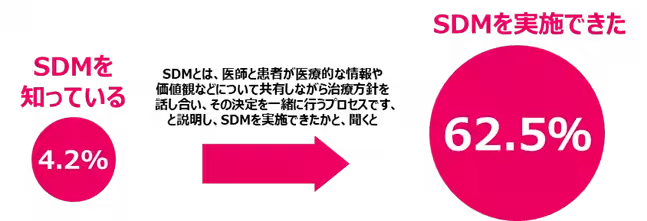
A recent survey involving 360 breast cancer patients has highlighted the significance of shared decision making (SDM) in treatment selection. The study aimed to explore patient perceptions regarding breast cancer treatment options and the role of multi-gene testing. Conducted by Lisa Sana Corporation and Exact Sciences Corporation, the survey gathered insights that reveal a pressing need for enhanced communication between patients and healthcare providers.
Key Insights from the Study
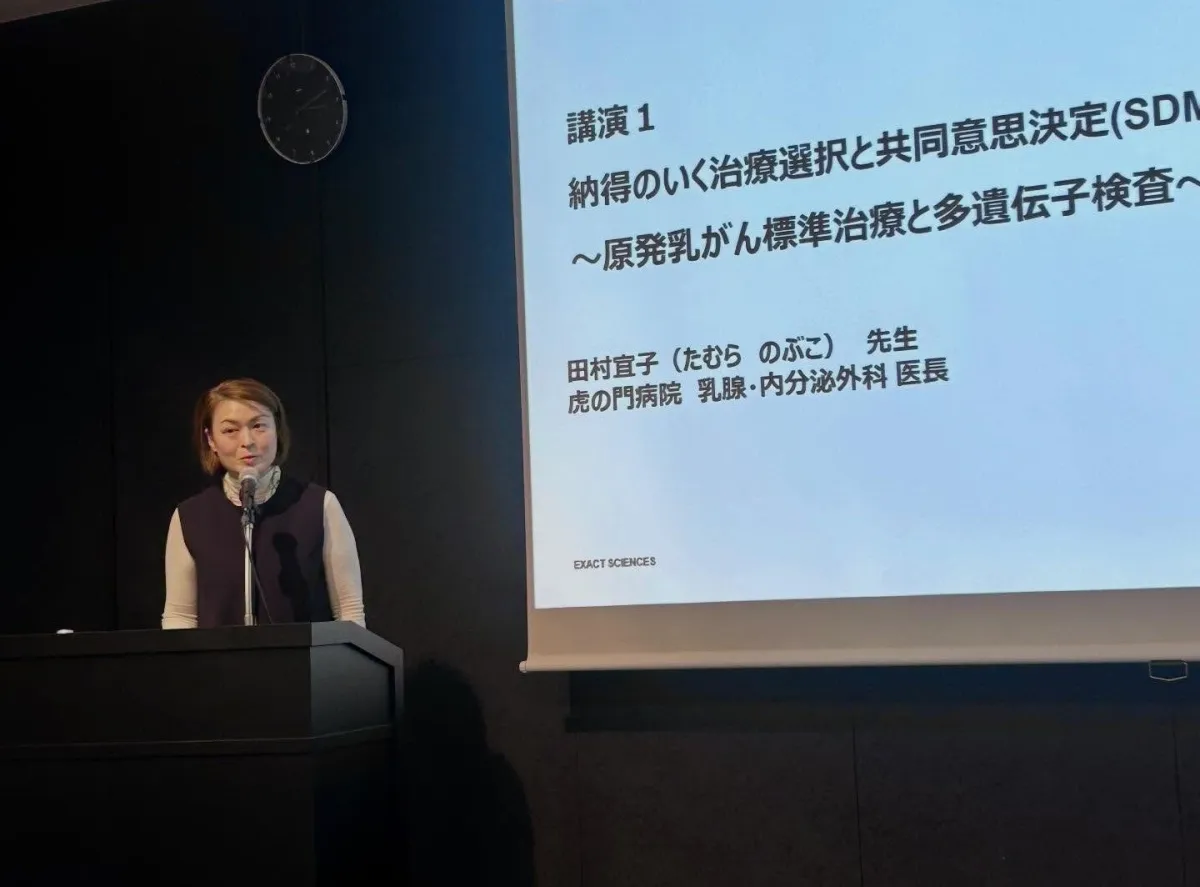
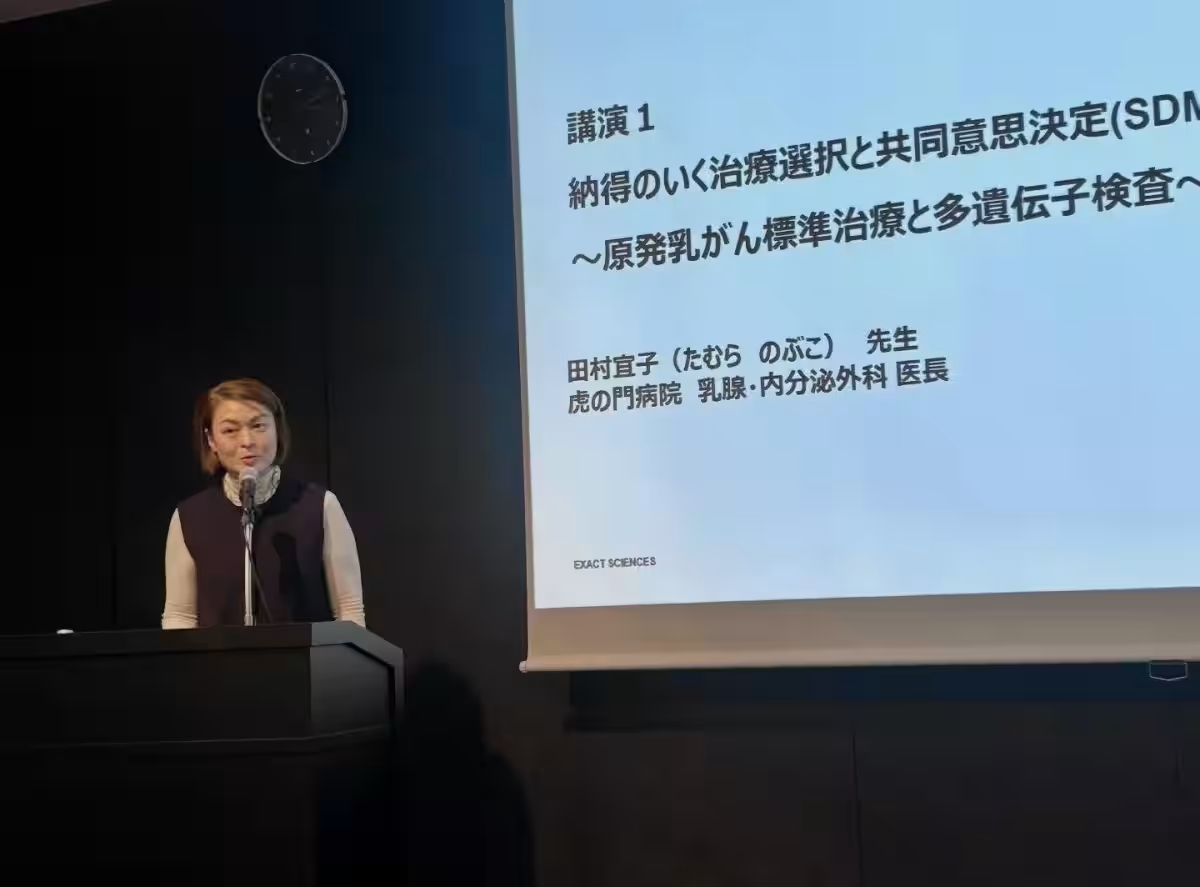
During a media roundtable, Dr. Nobuko Tamura, Chief of Breast and Endocrine Surgery at Toranomon Hospital, emphasized the importance of SDM in breast cancer care. Patients should feel empowered to make informed choices about their treatment, reflecting not only on the scientific aspects but also on personal values regarding life priorities. This patient-centered approach aims to support individuals in making decisions they can confidently live with.
Survey Findings
1. Patient Information Needs
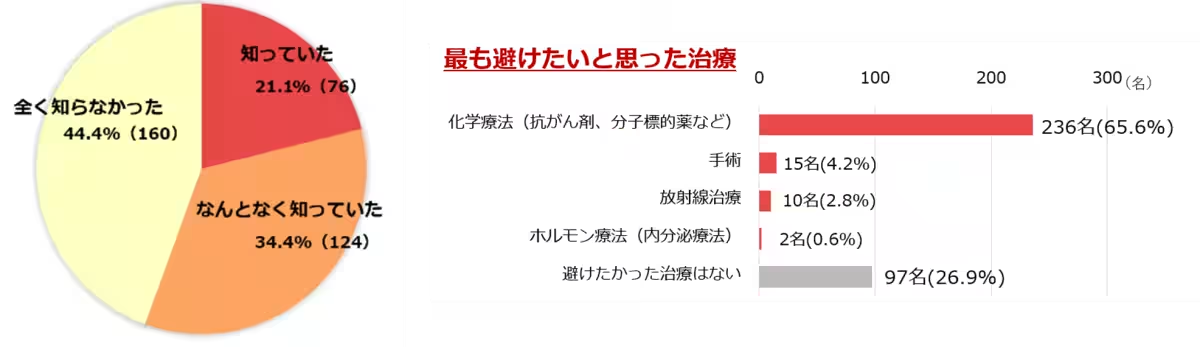
The survey revealed that a significant number of patients expressed a strong desire for information regarding their condition and treatment options. Notably, 66% indicated that they want to avoid chemotherapy, which underscores the anxiety many feel regarding treatment side effects.
2. Early Detection Importance
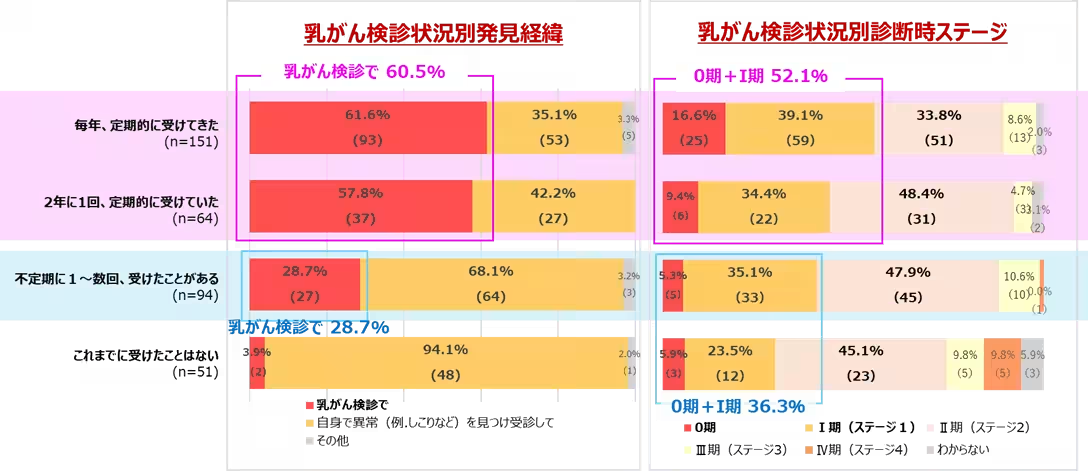
The data indicates that early detection, facilitated by regular screenings, significantly affects outcomes. Patients who attend regular check-ups were more likely to be diagnosed at earlier stages compared to those who do not participate in regular mammograms.
3. High Awareness of Multi-Gene Testing
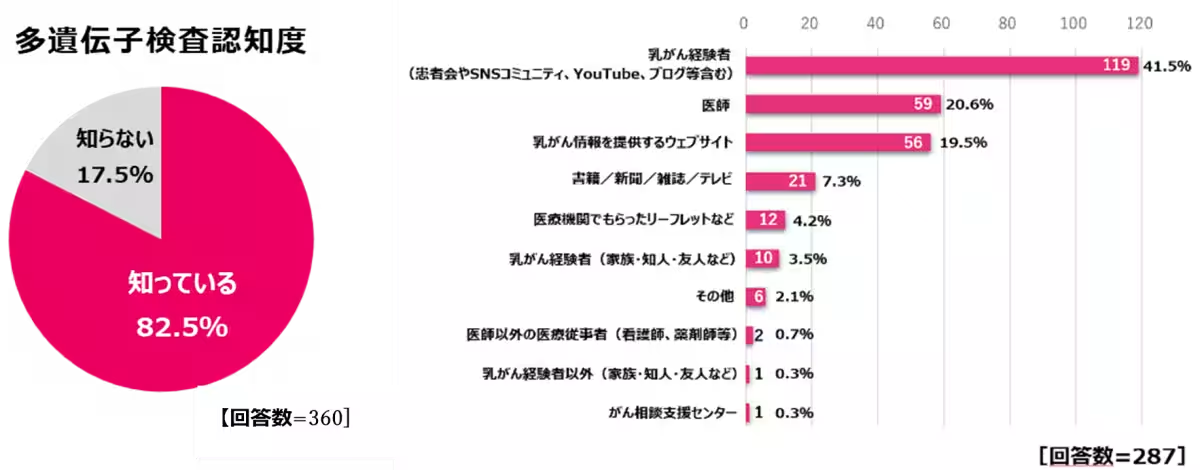
Approximately 82.5% of patients recognized the importance of multi-gene testing, viewing it as a tool to aid in decision making about chemotherapy and assessing recurrence risks. Knowledge about multi-gene tests largely stemmed from patient communities and social media platforms, showing the pivotal role these outlets can play in patient education.
4. Information Gaps
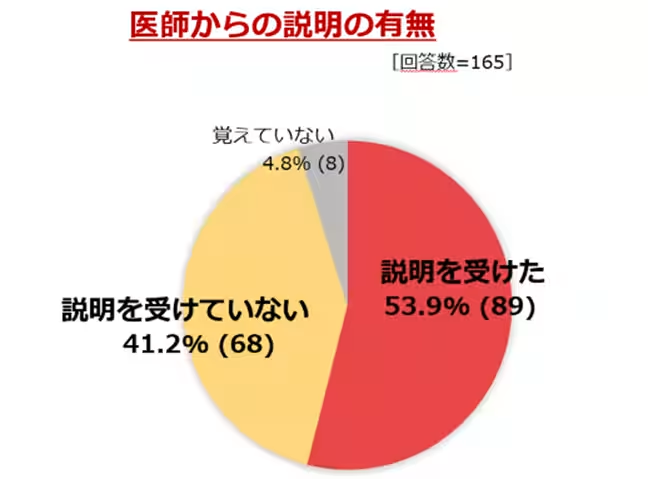
Despite the high recognition of multi-gene testing, nearly half of the patients eligible for such tests did not undergo them primarily due to a lack of explanation from their healthcare providers. This reveals a critical gap that needs addressing to ensure all patients can make informed decisions regarding their treatment options.
5. The Desire for Personalization in Care
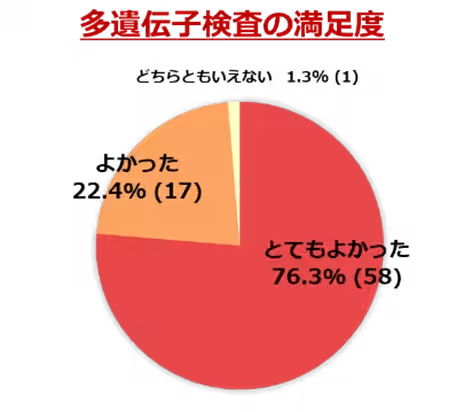
Patients overwhelmingly reported that receiving multi-gene testing results was a positive experience, as it provided clarity and guidance for their treatment options. Many articulated a desire for a clear understanding of their risks and available treatments to feel secure in their medical decisions.
Moving Forward: Enhancing SDM and Personalized Care
Reflecting on the findings, experts agree that refining the communication between healthcare providers and patients is imperative. Patients who engage in their treatment decisions through SDM feel a greater sense of control and confidence in their choices. The insights from this survey will undoubtedly help shape future practices aimed at creating a more supportive and responsive healthcare environment.
As stated by Dr. Atsushi Yoshida of St. Luke's International Hospital, utilizing multi-gene testing effectively can reduce unnecessary chemotherapy and help tailor treatment plans that align closely with individual patient needs.
Conclusion
The data gathered from this survey serves as a crucial reminder of the evolving landscape of breast cancer treatment. Through effective communication and a commitment to shared decision making, healthcare providers can empower patients to take charge of their health journey. As we continue to navigate through complex treatment options, fostering an environment where patients feel informed, understood, and supported is not just beneficial, but essential for improved patient outcomes and quality of life.



Topics Health)
【About Using Articles】
You can freely use the title and article content by linking to the page where the article is posted.
※ Images cannot be used.
【About Links】
Links are free to use.