




Fractal Workout Launches New Engagement Measurement Tool for Organizations
Introduction
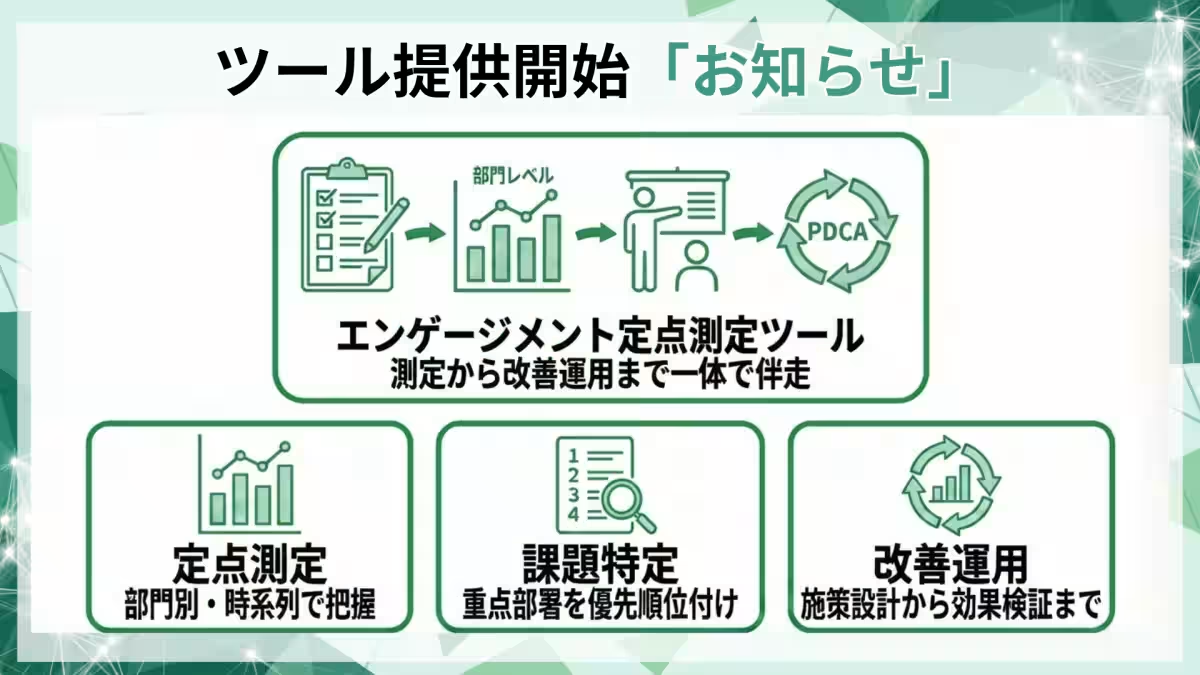
Fractal Workout Corporation has introduced an innovative tool aimed at measuring work engagement and presenteeism with the aim of facilitating organizations in their engagement strategies. This tool aligns with recent guidelines on human capital visualization, emphasizing continuous improvement based on concrete measurements.
Background of the Tool
In the realm of human capital disclosure, organizations face the challenge of not just presenting numbers, but also clarifying the definitions, measurement methods, frequency of monitoring, and avenues for improvement. According to the Cabinet Office's guidelines on the visualization of non-financial information, there is a pressing need to connect management strategies with talent strategies through a structured framework of governance, strategy, risk management, and metrics.
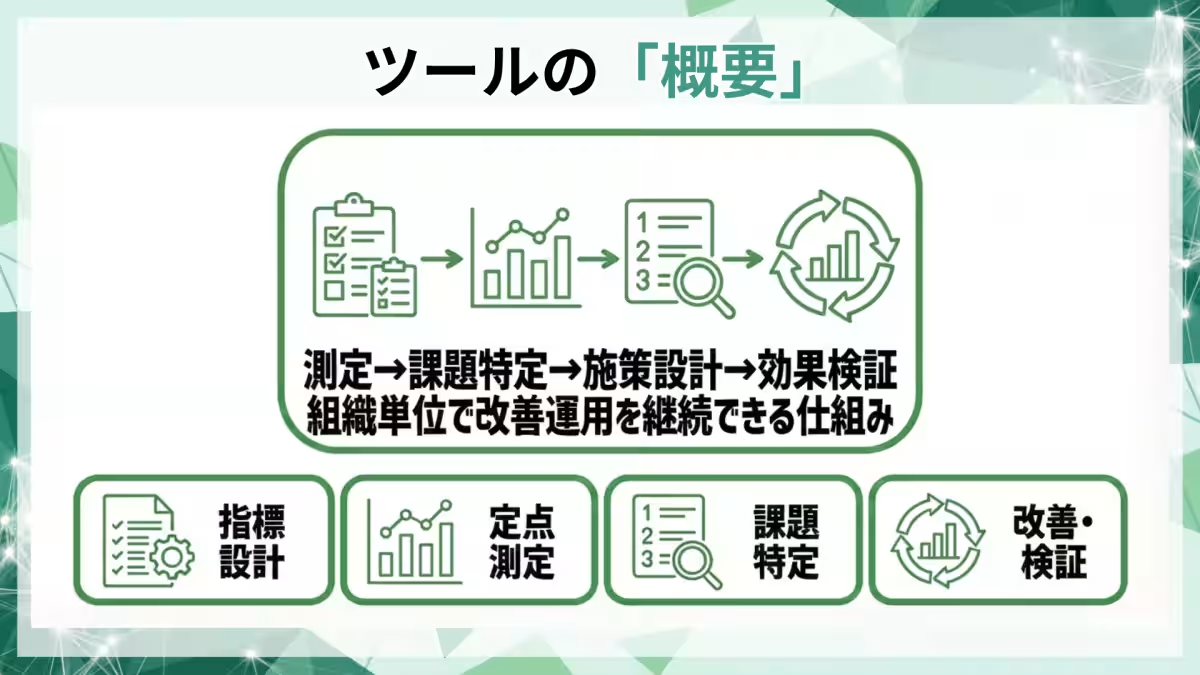
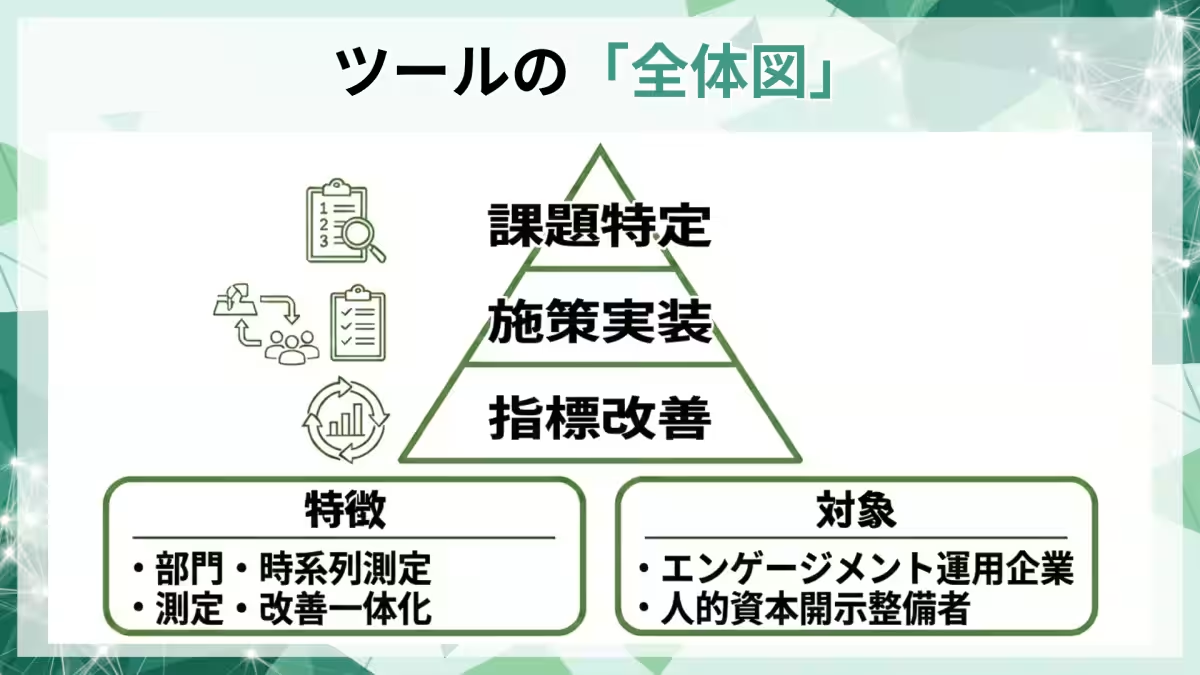
This new tool focuses on taking a structured approach to engagement by working through a cycle of measurement, identifying issues, designing interventions, and verifying their effectiveness. It is designed to continuously manage discussions around issues that can aid in reducing turnover rates and enhancing productivity. Importantly, this tool does not provide medical diagnoses or treatments but operates based on organizational aggregates to avoid individual identification.
Features of the New Tool
The tool is unique in that it does not target individual identification; rather, it aggregates data at the organizational level for effective ongoing management of engagement. The critical components of the tool include:
1. Metric Design: Establishing definitions, aggregation units, and operational frequencies.
2. Regular Monitoring: Collecting baseline metrics and employing additional questions as needed to refine causal assumptions.
3. Identification of Key Issues: Segmenting scores by departments and formulating priorities based on data trends without making definitive correlations.
4. Designing Improvement Strategies: Tailored recommendations based on measurement results, including training, operational enhancements, and opportunities for engagement.
5. Effectiveness Evaluation: Reporting changes over both the short and long-term, ensuring metrics are presented without compromising individual anonymity.
Overcoming Implementation Challenges
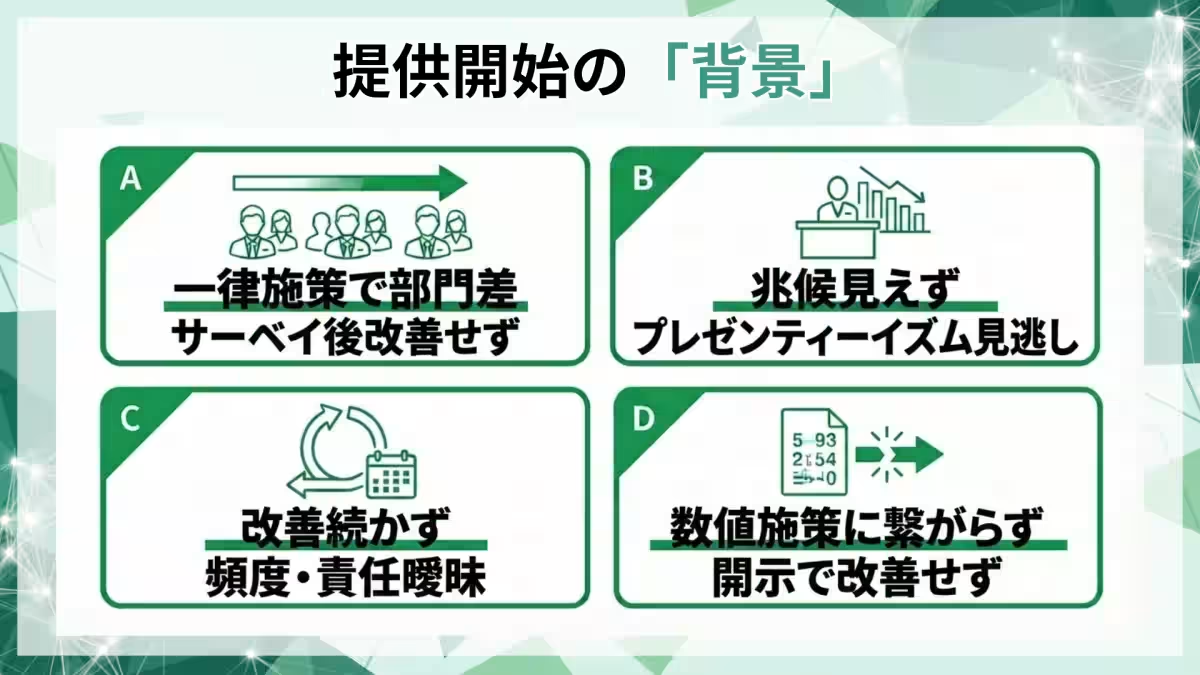
Despite the utility of surveys, organizations often commit to one-size-fits-all strategies that fail to address departmental discrepancies. The appearance of presenteeism alongside declining engagement often goes unnoticed. The tool’s focus is on operationalizing engagement metrics not merely for disclosure but as actionable operational indicators aimed at sustaining improvements.
Insight into Common Pitfalls
Organizations often face the following obstacles:
- - Implementing uniform engagement strategies that do not address specific departmental needs.
- - Overlooking the correlation between low engagement scores and signs of presenteeism.
- - Establishing metrics without fixed operational frequencies or clear accountability, resulting in stagnant improvement efforts.
- - Compiling numerical data for disclosure purposes that do not translate into actionable strategies.
Fractal Workout has addressed these challenges by developing a tool that transforms engagement metrics into operational indicators straightaway. This will avoid the trap of treating engagement merely as a statistical figure for superficial disclosure.
Expected Impact on Management
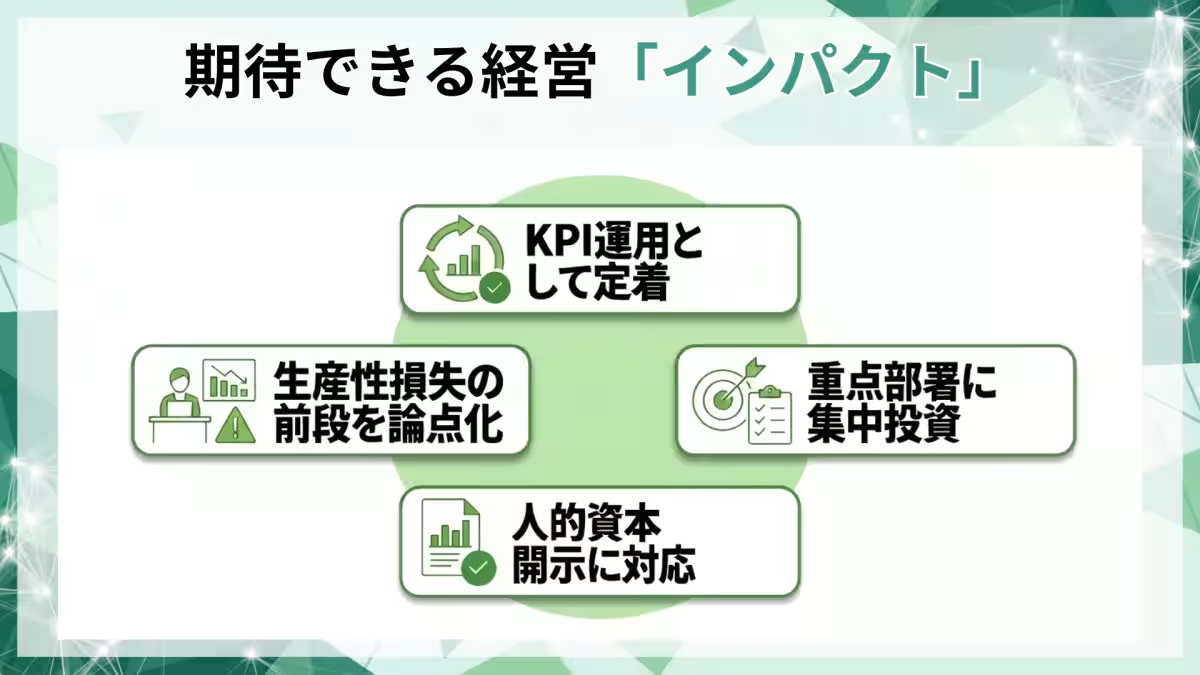
The engagement tool will transition engagement from merely a KPI to a fully integrated operational measure, where continuous review and updates to interventions will ensure actionable processes. By focusing on areas of presenteeism, organizations can better address dips in productivity before they escalate. Concentrating investments in key departments will help eliminate wasteful spending, pushing forward initiatives that yield tangible results.
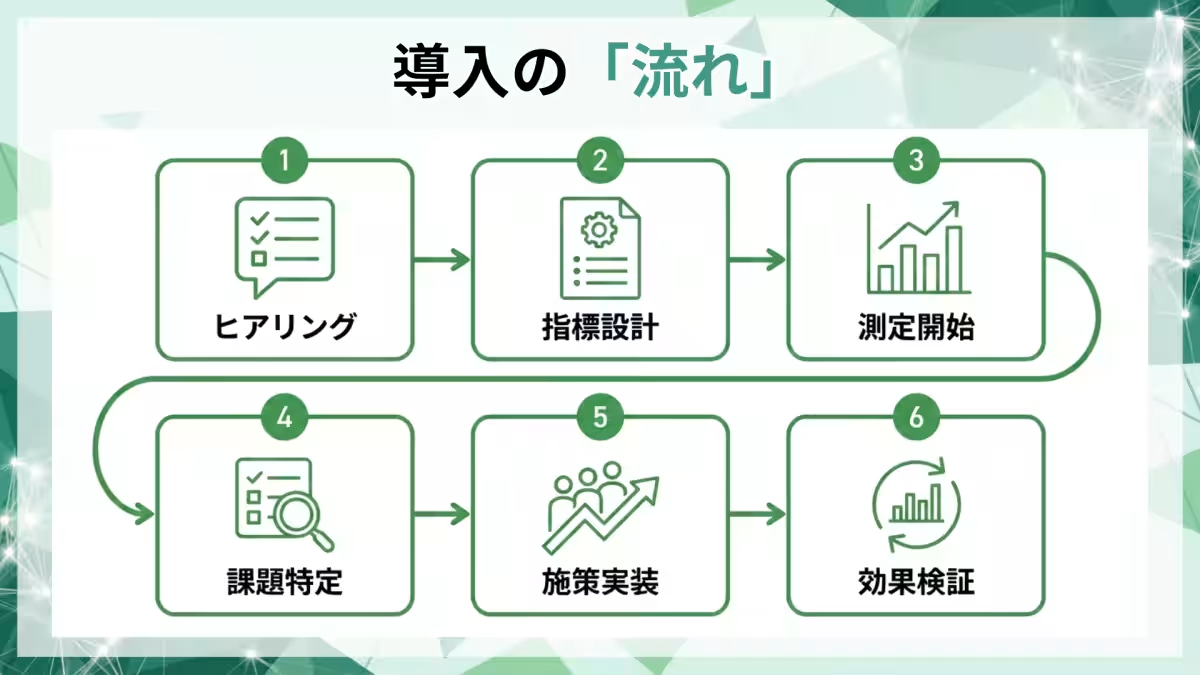
Implementation Sequence
Implementing this tool involves several stages:
1. Pre-Hearing: Discussing key management challenges and defining the scope of assessment.
2. Metric Design: Establishing definitions, frequencies, aggregation units, and reporting formats.
3. Measurement Initiation: Taking baseline measurements while adapting additional queries as required.
4. Identifying Issues: Pinpointing priority areas based on scores.
5. Design and Execution of Improvement Strategies: Crafting tailored strategies integrated with feedback mechanisms.
6. Effectiveness Verification: Reporting progress and improvement rates while constantly updating necessary strategies.
Conclusion
Fractal Workout’s newly developed tool represents a significant advancement in the way organizations can approach the critical issue of work engagement and presenteeism. By taking a structured, data-driven approach, the tool facilitates organizations in achieving substantive improvements, thereby enhancing overall productivity and employee satisfaction. The importance of this tool aligns with the growing need for meaningful human capital disclosure and management, establishing a lasting impact on organizational health and productivity.
For more information, please contact Fractal Workout at their Tokyo office or visit their websites.

Topics Consumer Products & Retail)





【About Using Articles】
You can freely use the title and article content by linking to the page where the article is posted.
※ Images cannot be used.
【About Links】
Links are free to use.