



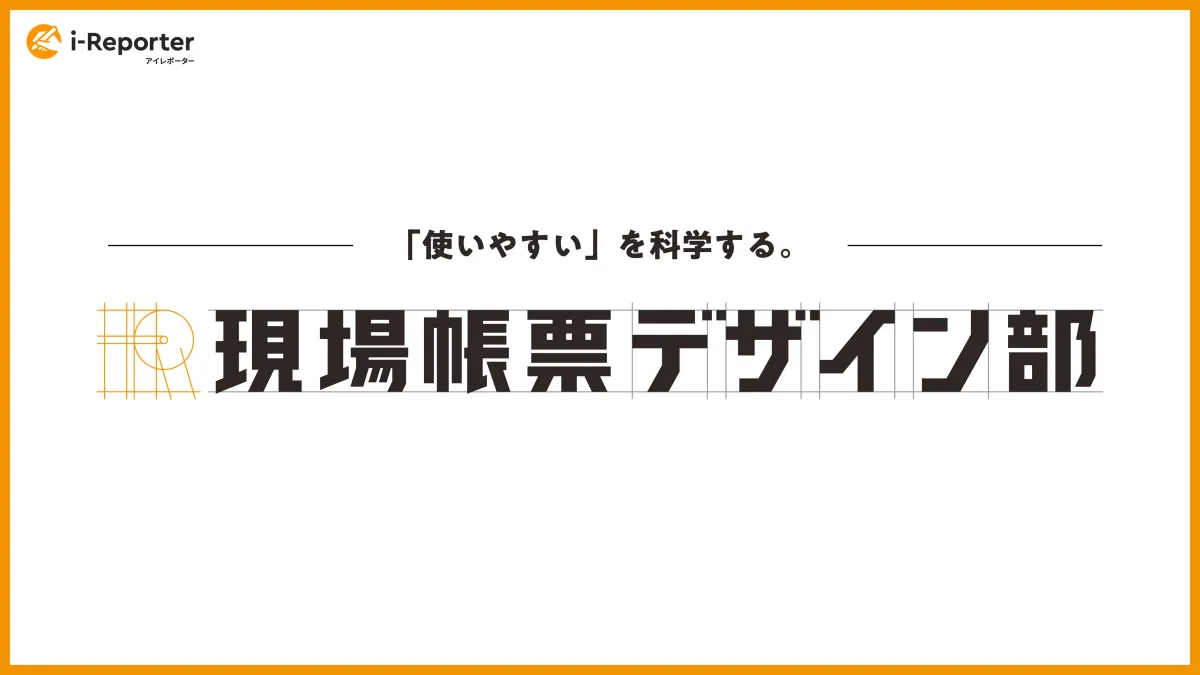
Simtops Launches On-Site Form Design Division to Enhance Usability Standards
Enhancing Usability in On-Site Documentation
Simtops, a leading provider of on-site form systems, recently inaugurated the "On-Site Form Design Division" to explore and scientifically analyze the usability of on-site documentation. The event was officially kicked off at the "On-Site Form Improvement Division's 2nd Anniversary Grand Meeting" held on May 29, 2026, with Professor Yoshitake Ryoji of Nagano University stepping in as an external advisor. The goal of this initiative is to create and share replicable design knowledge to enhance the usability of forms not just in Simtops' flagship product, i-Reporter, but across industries using on-site forms.
Why 'Design' On-Site Forms Now?
In industries like manufacturing, food, construction, and infrastructure, daily record-keeping relies heavily on on-site documentation. This practice involves diverse participants, irrespective of nationality, age, or ICT literacy. However, despite its widespread usage, there has been an inadequate application of UI/UX design principles to form layouts. While standards like ISO 9241-143 exist, applicable knowledge for designing digital on-site forms hasn't been universally established.
There are essentially two approaches when digitizing forms: maintaining the original paper layout or condensing the input fields into a web form format. The latter often fails to meet the nuanced demands of workplace documentation that require multifaceted input and seamless data transfer across processes. Hence, refining the layout that workers find intuitive is crucial for successful digitization. Surveys indicate that while 70% find their current forms user-friendly, a staggering 90% express a desire for improvements. More than half of respondents identified fear of operational disruption as the key barrier to implementing changes.
The Vision Behind the 'On-Site Form Design Division'
The newly formed On-Site Form Design Division emerged as a subcommittee of Simtops' existing user community, focusing on gathering diverse improvement examples and transforming them into structured, usable guidance. Notably, this division embraces design not merely as visual aesthetics but as a means of addressing practical challenges and optimizing organizational structures. The division encourages collaborative learning among companies, allowing them to share their success stories adhering to shared industry contexts. The underlying philosophy revolves around Human-Centered Design (HCD), with Professor Yoshitake Ryoji's guidance helping to establish a common language grounded in user needs.
Goals of the Division
- - Foster a self-sufficient improvement culture among participant companies.
- - Accumulate and systematically organize knowledge based on practical cases from the field.
- - Collaborate on research to develop and publish a "UI/UX Design Guideline for On-Site Forms".
This initiative not only plans to enhance form usability but also aligns with the digital skills required by the Ministry of Economy, Trade and Industry in Japan, potentially serving as a launchpad for broader DX (Digital Transformation) competencies within companies.
Professor Yoshitake Ryoji's Role
As the external advisor for the On-Site Form Design Division, Professor Yoshitake Ryoji is a prominent figure in Human Factors and Human-Centered Design. His extensive background includes leadership roles within various organizations, including serving as the Past President of the Japan Ergonomics Society. His academic and practical expertise ensures that the division adheres to robust design principles grounded in research and user experience.
In his recent comments, Professor Ryoji highlighted the importance of community-driven projects. He believes that using HCD approaches will not only enhance form usability but will also drive process and operational transformation. The thoughtful design of forms can lead to significant operational improvements, enabling companies to leverage their best practices more effectively.
Kickoff Event Highlights
The kickoff meeting held on May 29, 2026, was a significant milestone, witnessing the participation of over 1,500 members. The agenda included:
- - Introduction of the On-Site Form Design Division: Outlined objectives and activities planned.
- - Keynote by Professor Ryoji: Addressed the intersection of HCD and form design, emphasizing that usability can be measured and defined through specific indicators.
- - Panel Discussion: Featured leaders from Yamaha Corporation and Yanmar Construction Equipment sharing successful case studies comparing their respective advancements in paper-to-digital transitions.
These discussions highlighted measurable benefits, including a significant reduction in data compilation time and improved operational consistency, revealing that the necessity for a user-friendly design is universally acknowledged among participants.
Future Aspirations
Moving forward, the On-Site Form Design Division aims to enhance its collaborative network, refining knowledge around usability while disseminating their findings in an accessible format for a wider audience. Plans include releasing the "UI/UX Design Guideline for On-Site Forms" to help all companies leveraging on-site documentation. The lessons learned from this initiative are expected to ripple through various sectors, ultimately enhancing the usability of forms across Japanese industry. Simtops remains committed to supporting digital transformation efforts with their flagship product, i-Reporter, while ensuring continuous improvements to on-site documentation practices.


Topics Consumer Technology)
【About Using Articles】
You can freely use the title and article content by linking to the page where the article is posted.
※ Images cannot be used.
【About Links】
Links are free to use.