



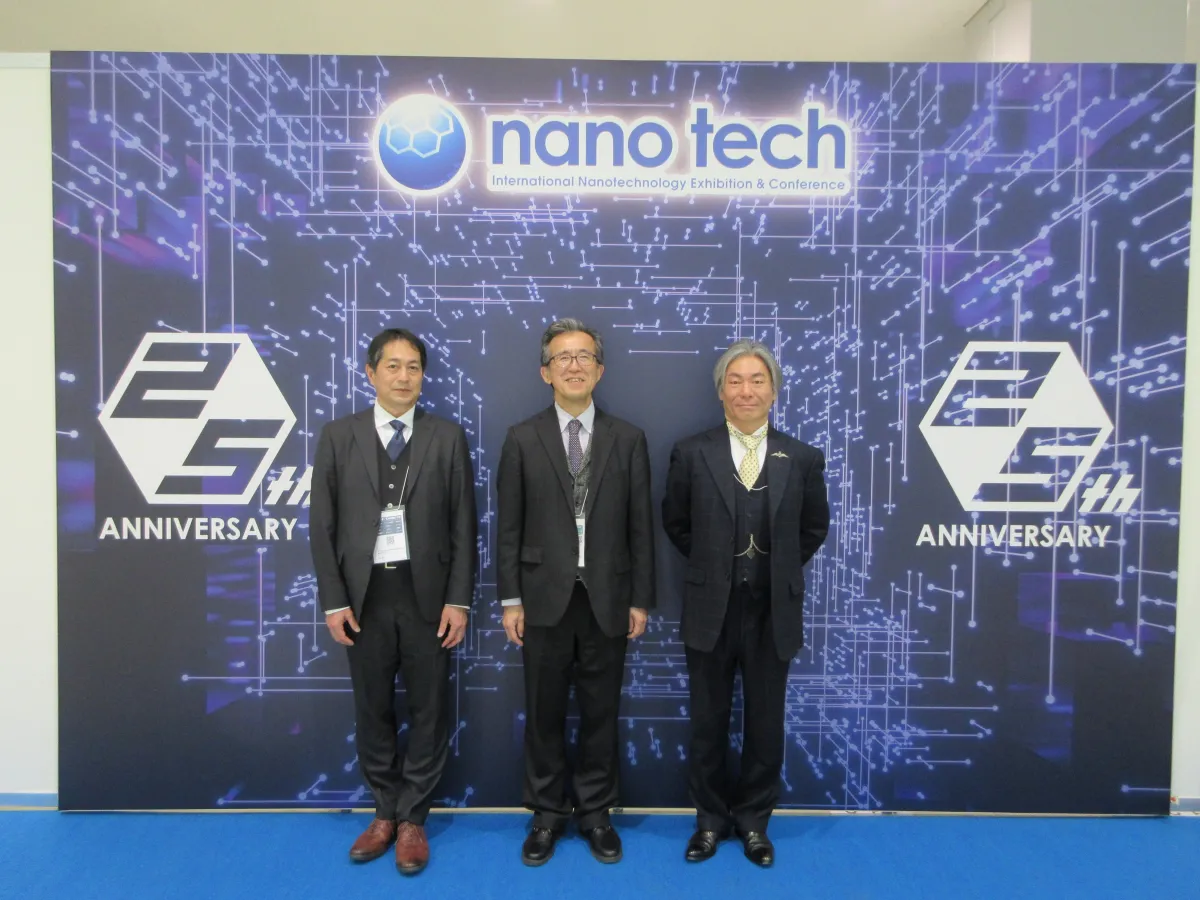
Tsuyama National College Takes Center Stage at Nano Tech 2026 in Tokyo
Tsuyama National College's Impact at Nano Tech 2026
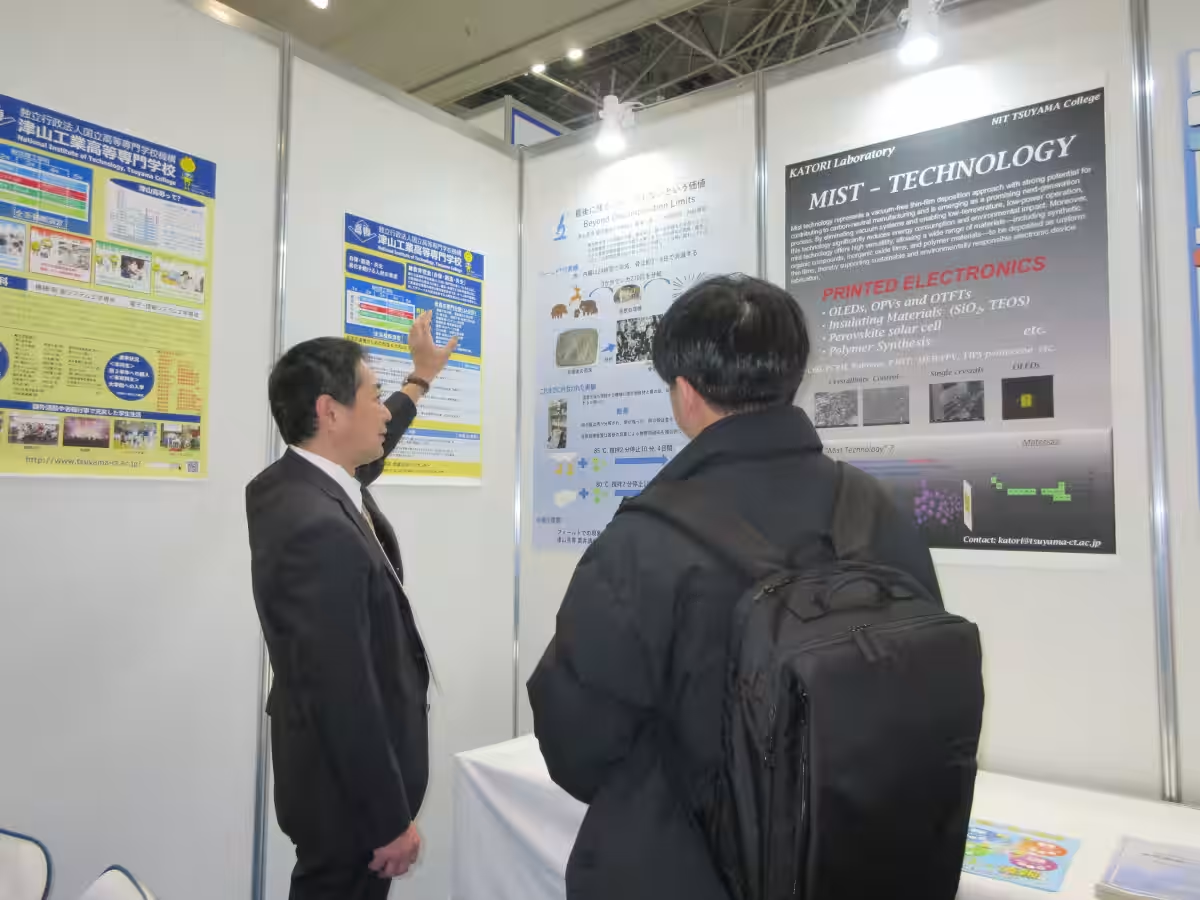
From January 28 to January 30, 2026, Tsuyama National College of Technology, located in Tsuyama City, Okayama Prefecture, made impressive strides by participating in the renowned international exhibition, Nano Tech 2026, held at the Tokyo Big Sight. The event is recognized as Asia's largest platform for showcasing the latest advancements in nanotechnology, where numerous innovative materials and next-generation devices were displayed. With over 45,000 attendees coming from various sectors including companies, universities, and government research institutions, Tsuyama College stood out as the sole representative from Japan's national colleges.
Event Overview
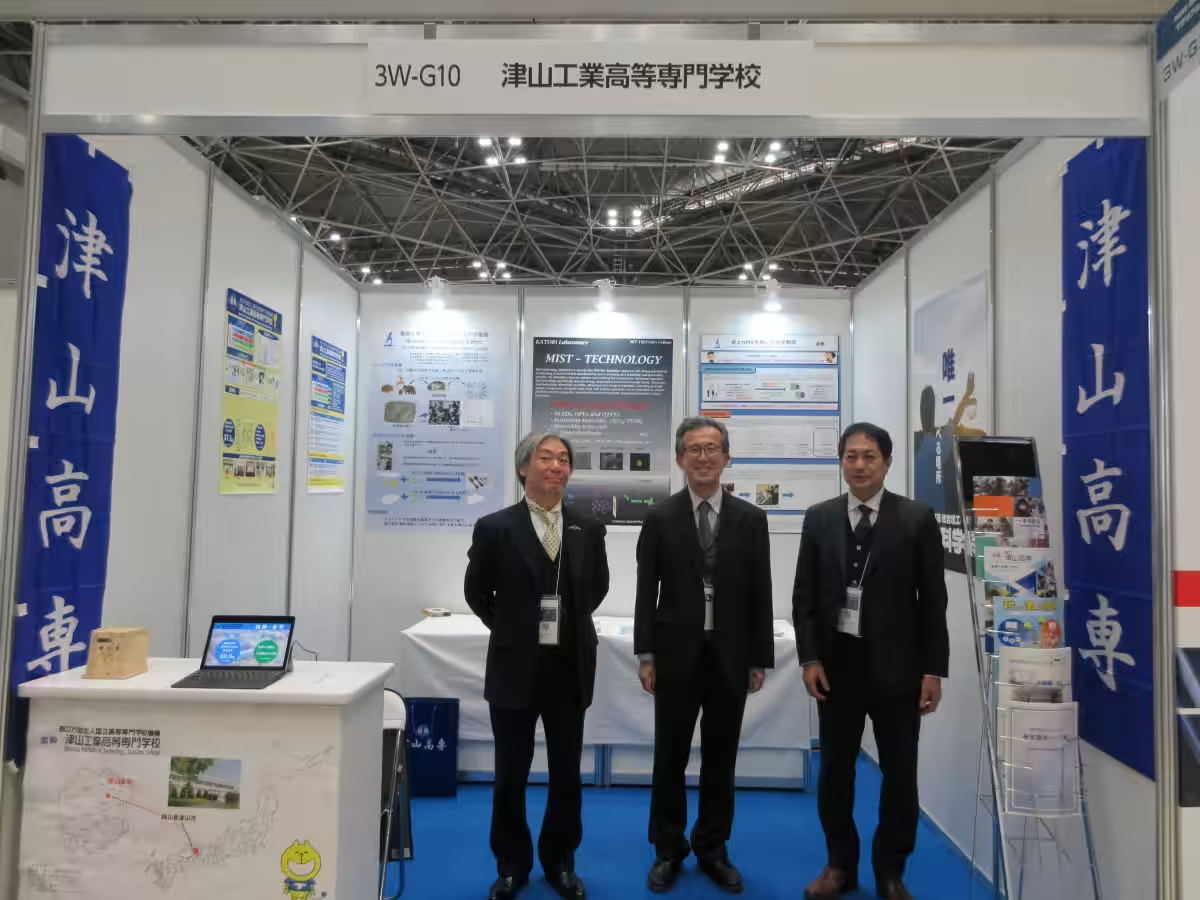
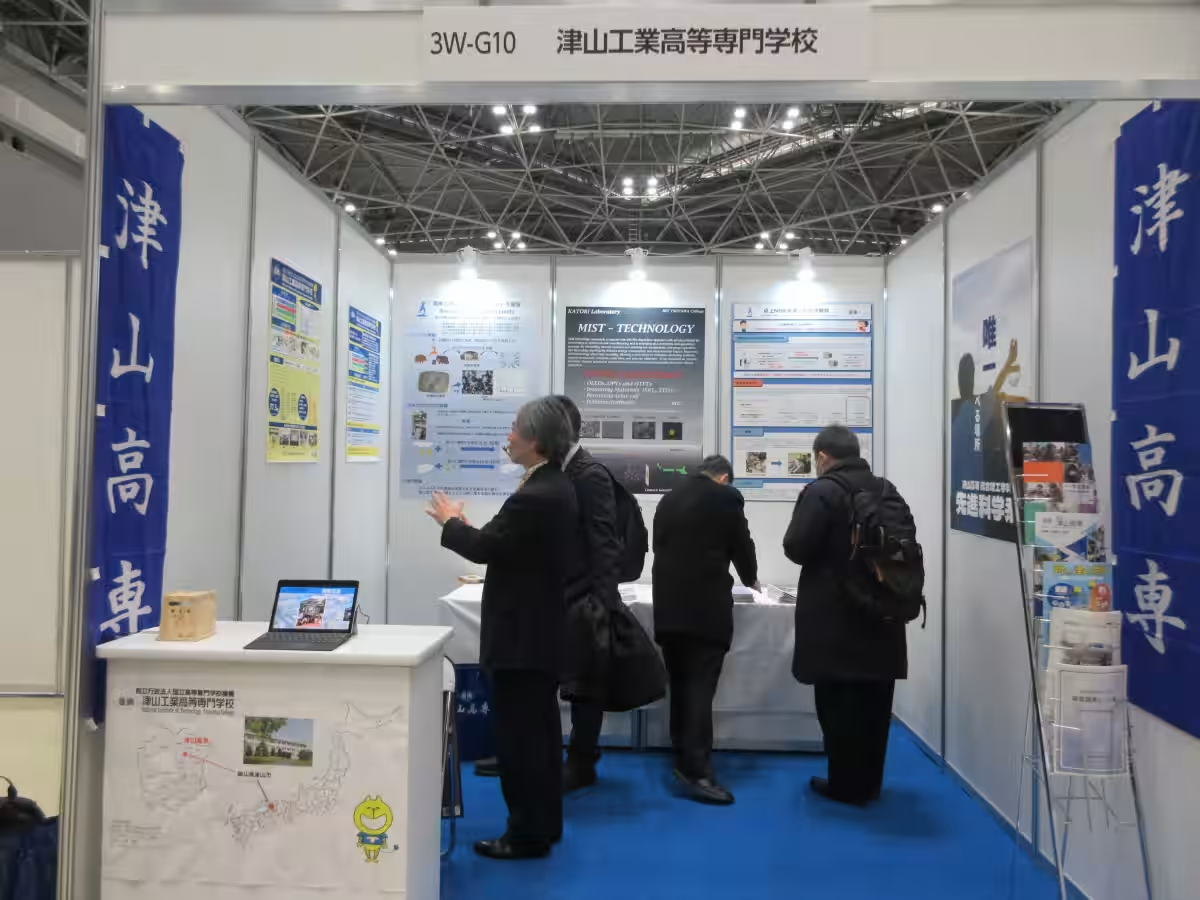
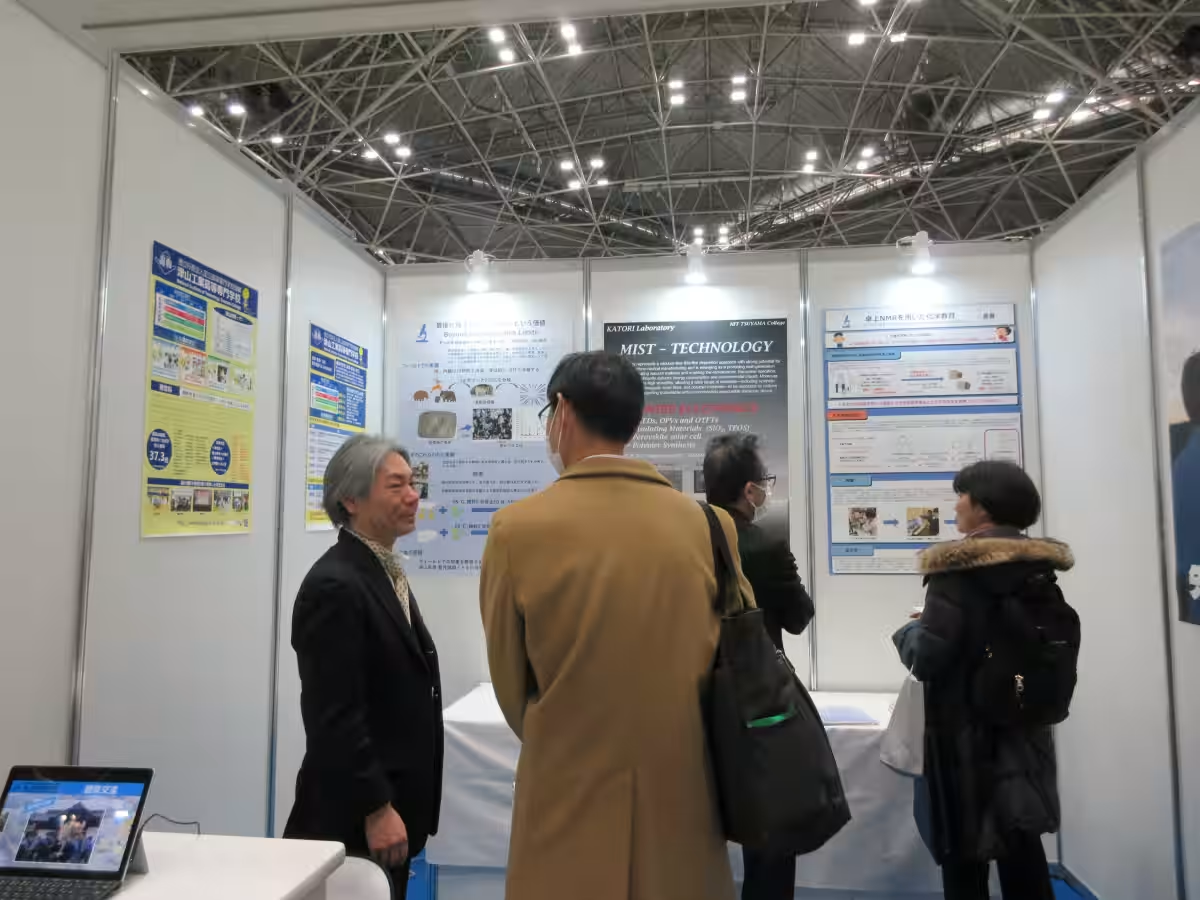
The exhibition took place in the West and South Halls of Tokyo Big Sight, drawing significant crowds and profits. Tsuyama College's booth, labeled 3W-G1, was situated in the Material Zone, a section dedicated to materials and substance innovations. The college presented remarkable developments in the field of electronics and nanotechnology through its research initiatives led by esteemed faculty members.
Research Highlights
Tsuyama College showcased two key research projects:
- - The development of organic semiconductor device processes using mist CVD technology, presented by Professor Shigetaka Katori from the Electrical and Electronic Systems Department.
- - Practical equipment analysis education utilizing a desktop NMR device, led by Professor Kazuki Hiroki from the Advanced Sciences Department.
This exhibition served as a fantastic opportunity to deepen collaboration among academia, industry, and government sectors, particularly in fostering innovation through education and research.
Engagement and Networking
Throughout the event, approximately 133 visitors engaged with Tsuyama College’s booth, expressing keen interest in the research findings and educational endeavors on display. Attendees included students, researchers, and industry professionals, all intrigued by the advancements being made by the college. The exchange of ideas and networking during the exhibition not only highlighted the capabilities of Tsuyama College but also exemplified the importance of interdisciplinary collaboration in addressing modern technological challenges.
Looking Forward
Tsuyama National College is committed to continue contributing to regional and societal development through its educational and research efforts. The college aims to inspire the next generation of skilled technologists who will lead innovations and solutions in a world increasingly reliant on sophisticated technologies.
In closing, Tsuyama College extends heartfelt gratitude to everyone who visited its booth at Nano Tech 2026, reinforcing its mission to cultivate a rich educational environment that thrives on collaboration and creativity.
About Tsuyama National College of Technology
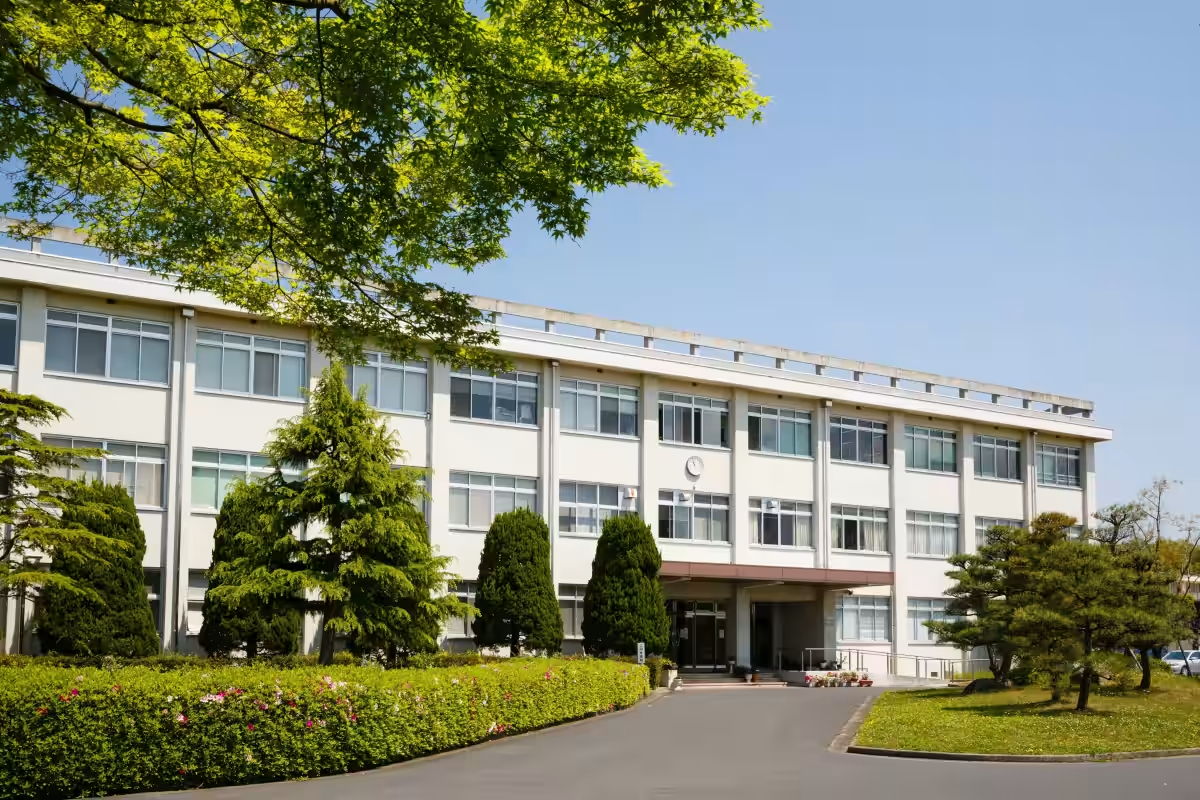
Founded in 1963, Tsuyama National College of Technology serves as an advanced educational institution dedicated to training practical and innovative engineers. In response to the evolving industrial landscape, the college underwent a significant reorganization in 2016, merging its existing four departments into a single department known as the General Integrated Engineering Department. The college currently consists of four divisions: Advanced Sciences, Mechanical Systems, Electrical and Electronic Systems, and Information Systems.
With a focus on providing a seamless five-year educational experience, Tsuyama National College aims to equip students with both practical skills and creative thinking necessary for becoming highly capable technicians and innovators. The curriculum emphasizes interdisciplinary problem-solving capabilities alongside a strong foundation in basic sciences, fostering a perspective that values human and environmental considerations on a global scale.
Additionally, the college offers a two-year specialized program focusing on Mechanical and Control Systems Engineering and Electronic and Information Systems Engineering, further enhancing the integration of education necessary for producing core engineers capable of making significant impacts in the international community.
For more details, visit their official website: Tsuyama National College.
Topics Other)
【About Using Articles】
You can freely use the title and article content by linking to the page where the article is posted.
※ Images cannot be used.
【About Links】
Links are free to use.