



New Research Highlights the Mental Health Challenges Faced by Postpartum Mothers in Japan
New Research Highlights the Mental Health Challenges Faced by Postpartum Mothers in Japan
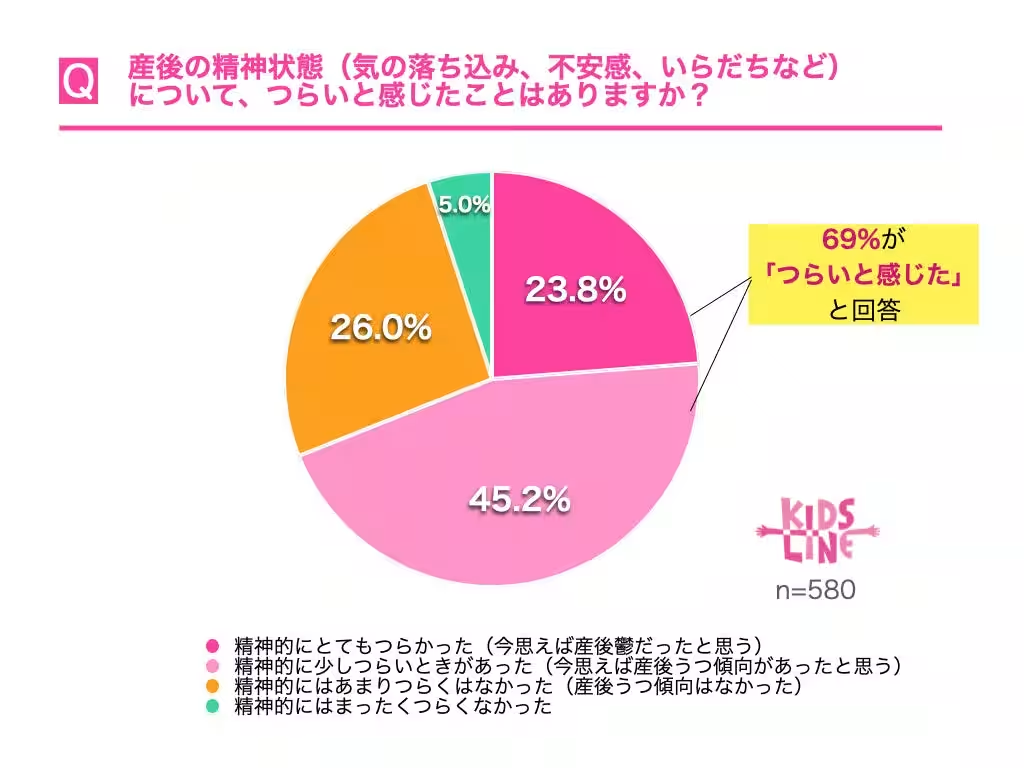
A recent survey conducted by Kidsline, a company providing 24-hour babysitting and homemaking services nationwide, has brought to light alarming statistics regarding the mental health and support experiences of postpartum mothers. The study surveyed 580 parents across Japan from August 26 to September 1, 2026. Results showed that 69% of respondents reported experiencing mental distress after childbirth, attributing their struggles primarily to sleep deprivation and lack of support.
Key Findings
- - 69% of parents reported feelings of mental distress post-pregnancy.
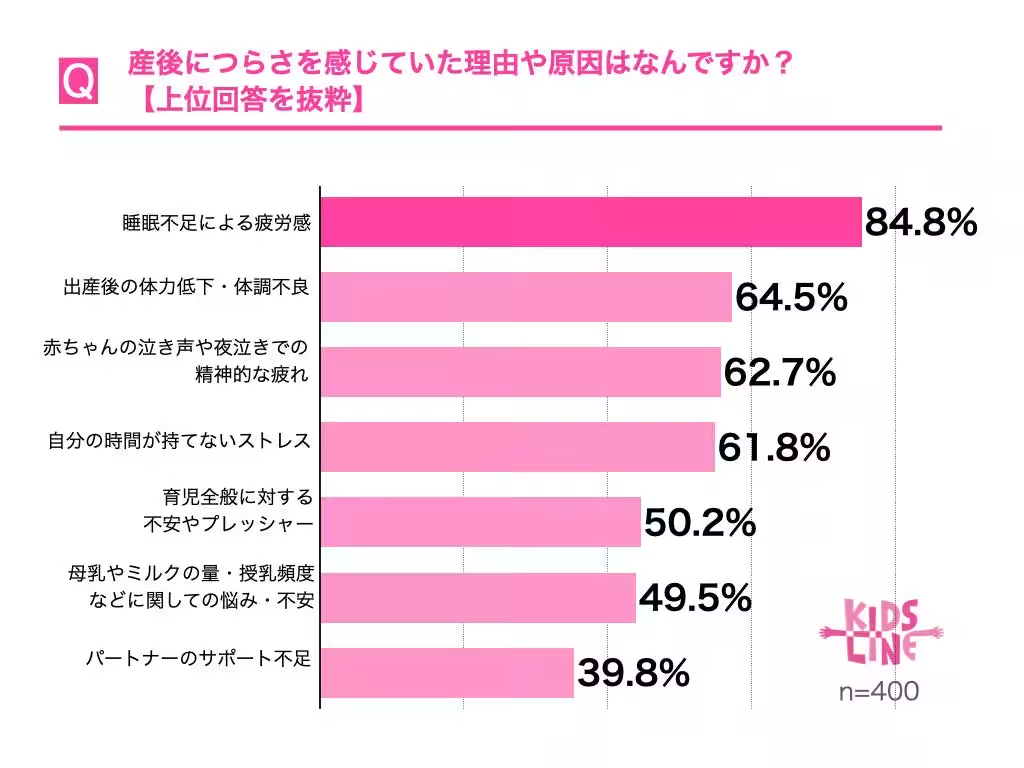
- - 84% of these individuals noted sleep deprivation as the leading cause of their struggles.
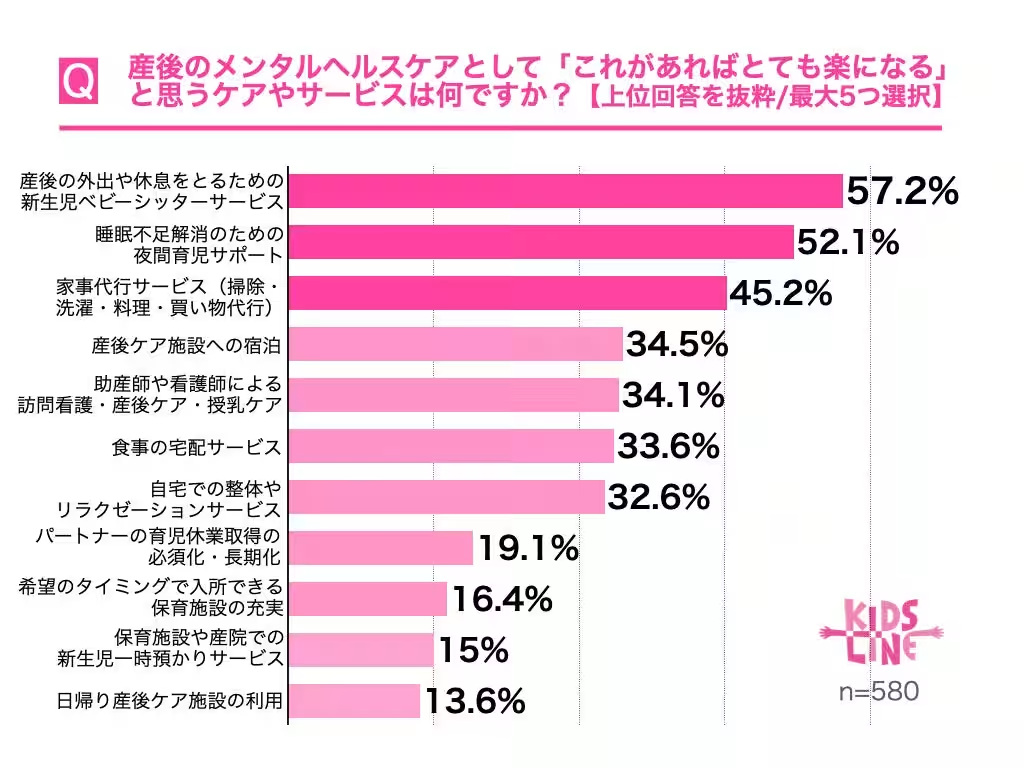
- - The necessity for support services is surging, with 57% of participants wanting newborn babysitters to alleviate their burdens.
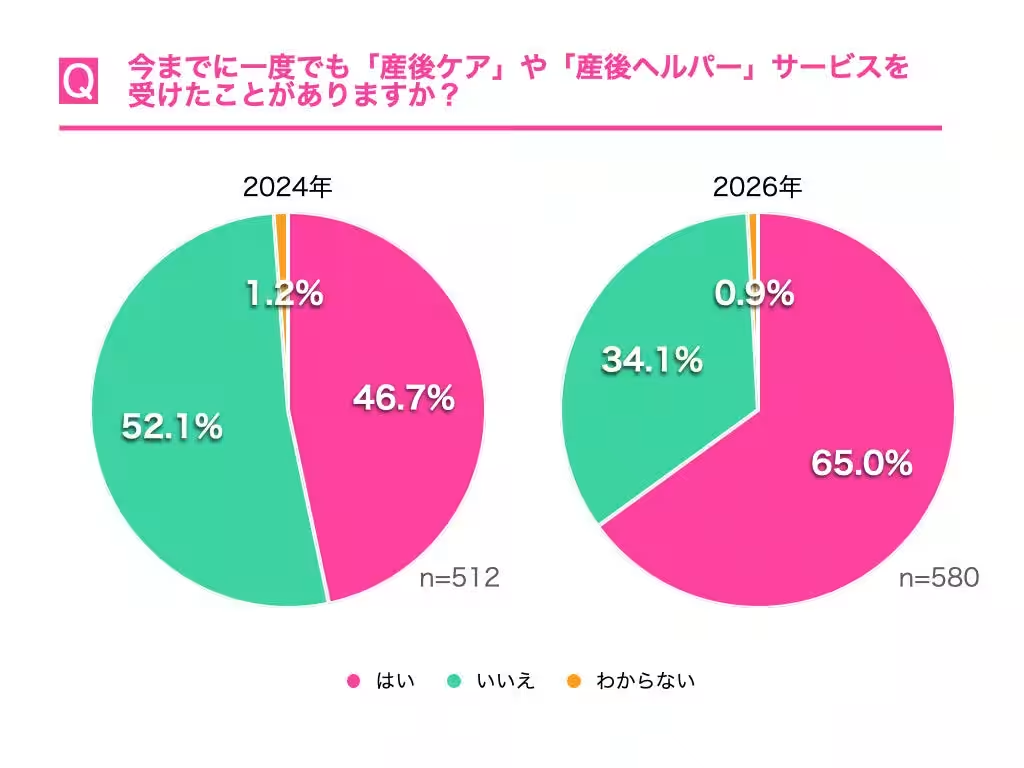
- - Despite a rise in the experience of postpartum care usage to 65%, one in three individuals still lack access to these crucial services.
Mental Distress and Its Causes
The survey asked those who experienced mental distress about its nature and timeline. Approximately 23.8% of participants felt they had significant mental challenges, while 45.2% noted they often experienced troubling feelings that resembled postpartum depression. The primary reasons cited were overwhelming fatigue due to sleep issues and the feeling of handling responsibilities without support.
In particular, the highest reports of distress were concentrated around the two-week to one-month postpartum mark. Alarmingly, 50% of those surveyed indicated they faced significant challenges beyond the three-month mark, suggesting a longer-term need for mental health support than is traditionally considered during the immediate postpartum period.
The Role of Social Support
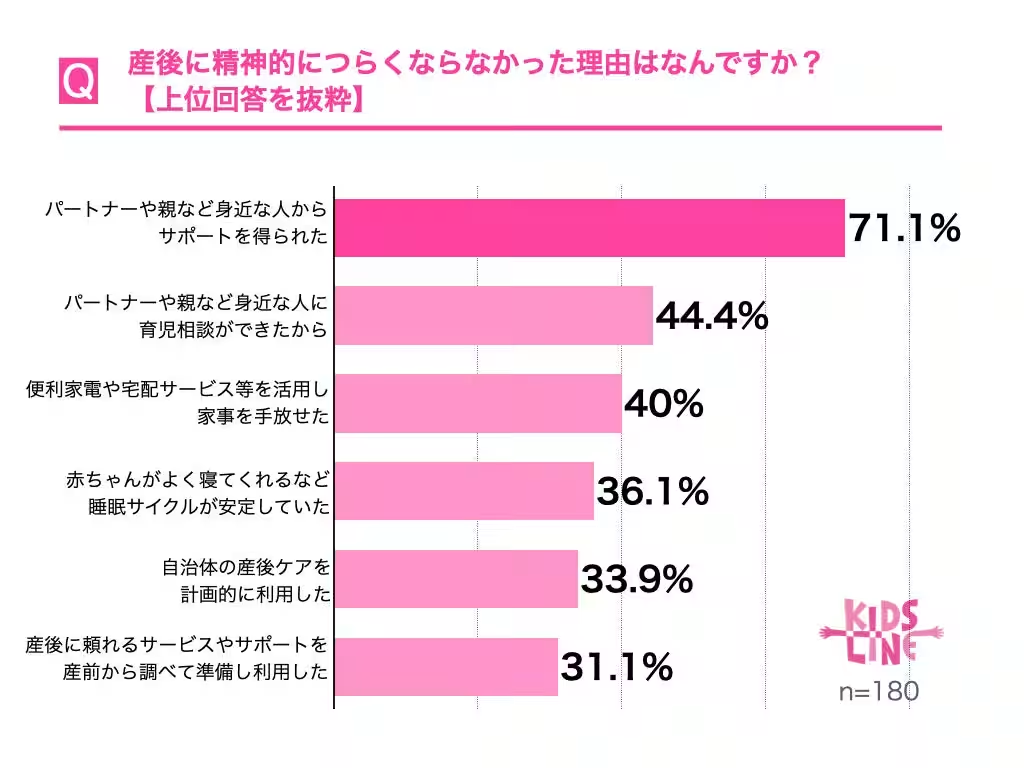
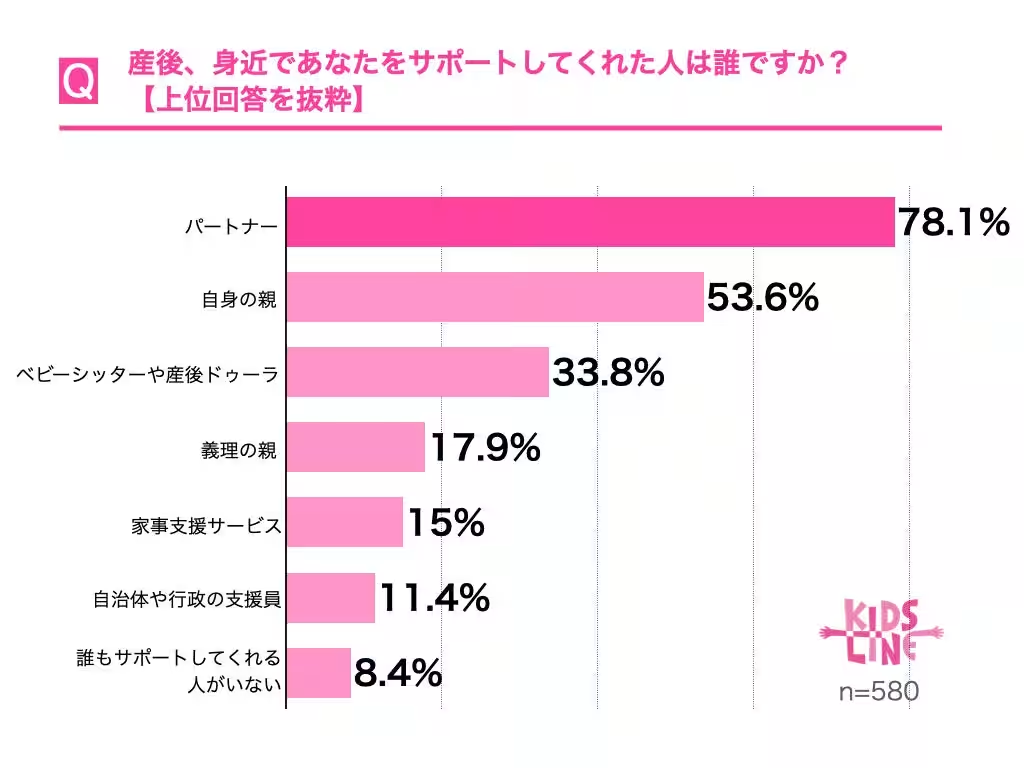
Conversely, 71% of participants who reported not feeling significant distress indicated their coping strategies included receiving adequate support from partners or family. Positive feedback also included utilizing conveniences like home appliances and food delivery services. The shared theme across these affirmations highlights the importance of not facing these burdens alone; rather, the act of seeking help—whether from loved ones or external services—appears essential for mental well-being.
Increasing Demand for Postpartum Care
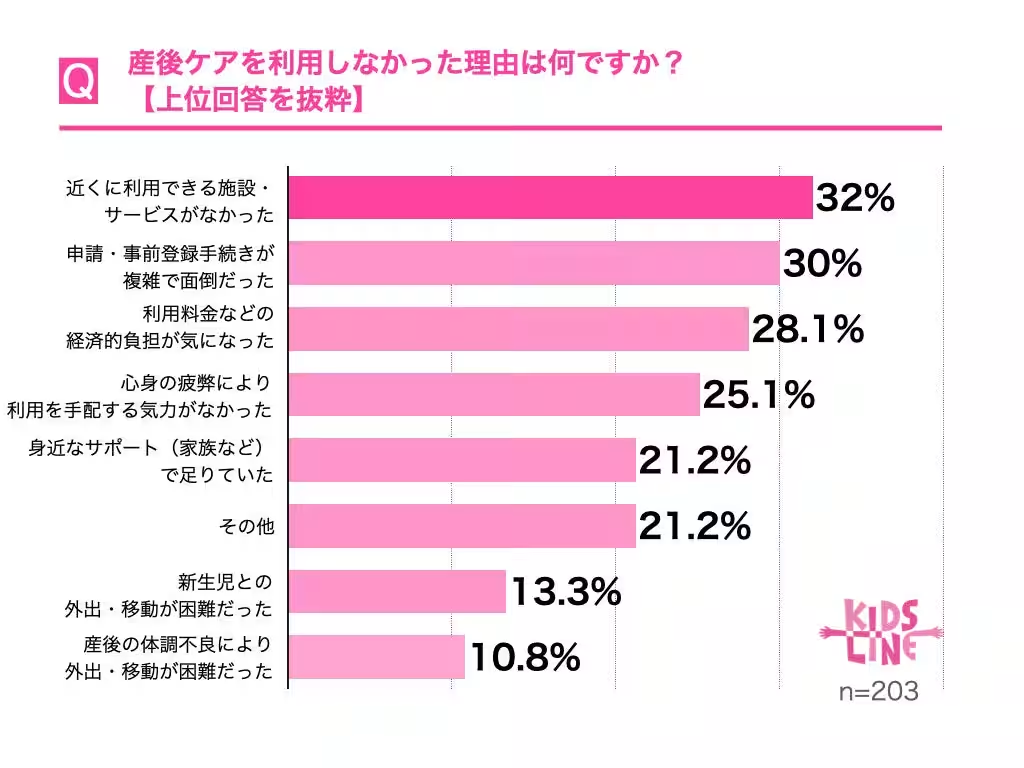
Between 2024 and 2026, the number of parents who utilized postpartum care services jumped from 46% to 65%. Despite the rise, clear barriers still prevent many parents from engaging these services, with the leading reasons being the unavailability of nearby options and the complexity of application processes. The survey results showed that 32% of participants struggled to find services in their vicinity, while 30% found the application procedures too complicated.
Children's Family Agency data supports this trend, showing a continuous increase in the utilization of municipal postpartum care services since 2021. While current policies are evolving to better support parents, significant challenges remain in making these resources readily accessible.
The Need for Home Support
The survey highlighted a profound need for home-based support solutions. When asked to identify services that could alleviate their postpartum experiences, the top request remained the availability of newborn babysitters. This demand speaks volumes about the realities faced by postpartum parents, who often find it challenging to leave home for support. Participants expressed a desire for services that could come to them, reducing the stress of travel and transition during an already overwhelming time.
Conclusion
The findings underscore a critical need for societal and policy reform to ensure postpartum mothers have reliable access to mental health support and childcare resources. Companies like Kidsline are stepping in to fill these gaps, advocating for proactive measures that cater to the needs of mothers adjusting to life after childbirth. The report encourages further dialogue around postpartum care and the societal support systems available, emphasizing that no one should feel alone during such a profound transition in life.
As we work towards more robust support systems, prioritizing the mental health of postpartum mothers creates a healthier environment for families and communities. To learn more about Kidsline’s services and the potential impact on supporting postpartum care, visit Kidsline's official website.


Topics Health)





【About Using Articles】
You can freely use the title and article content by linking to the page where the article is posted.
※ Images cannot be used.
【About Links】
Links are free to use.