



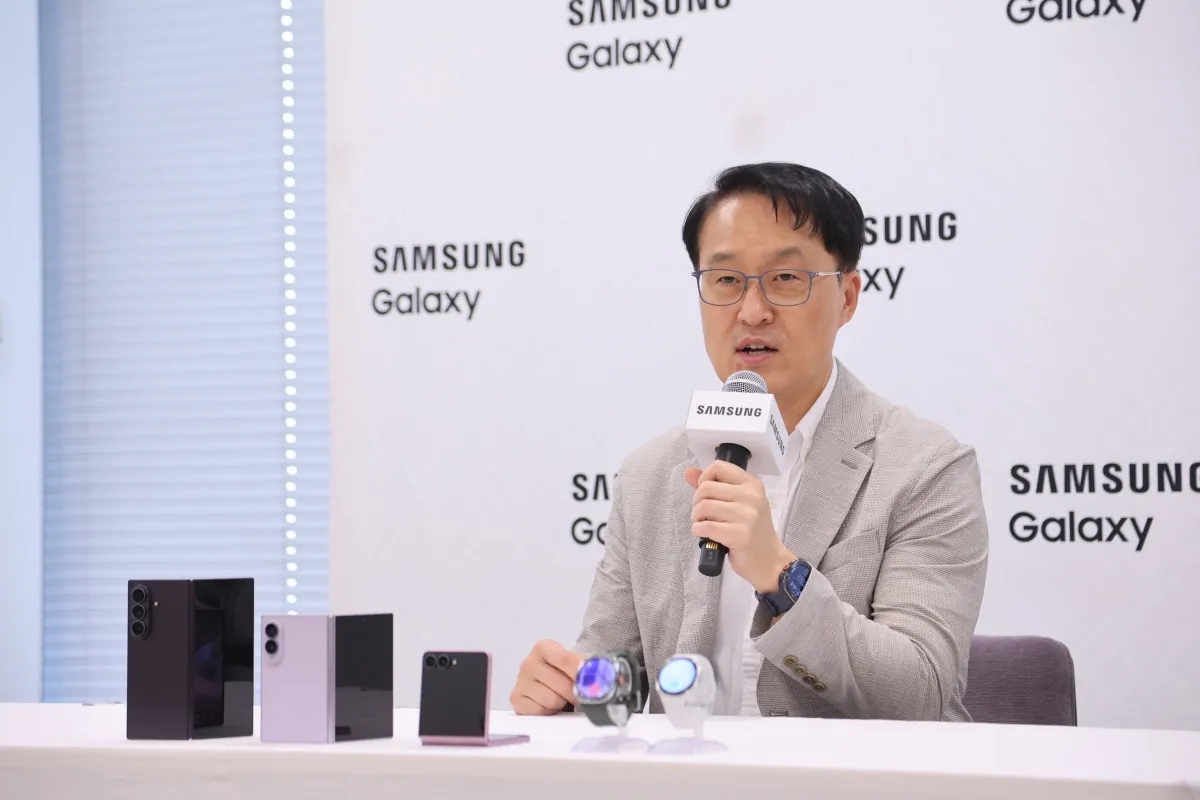
Inside Samsung's Revolutionary Foldable Technology with Byung-Duk Yang
Samsung's Revolutionary Foldable Technology
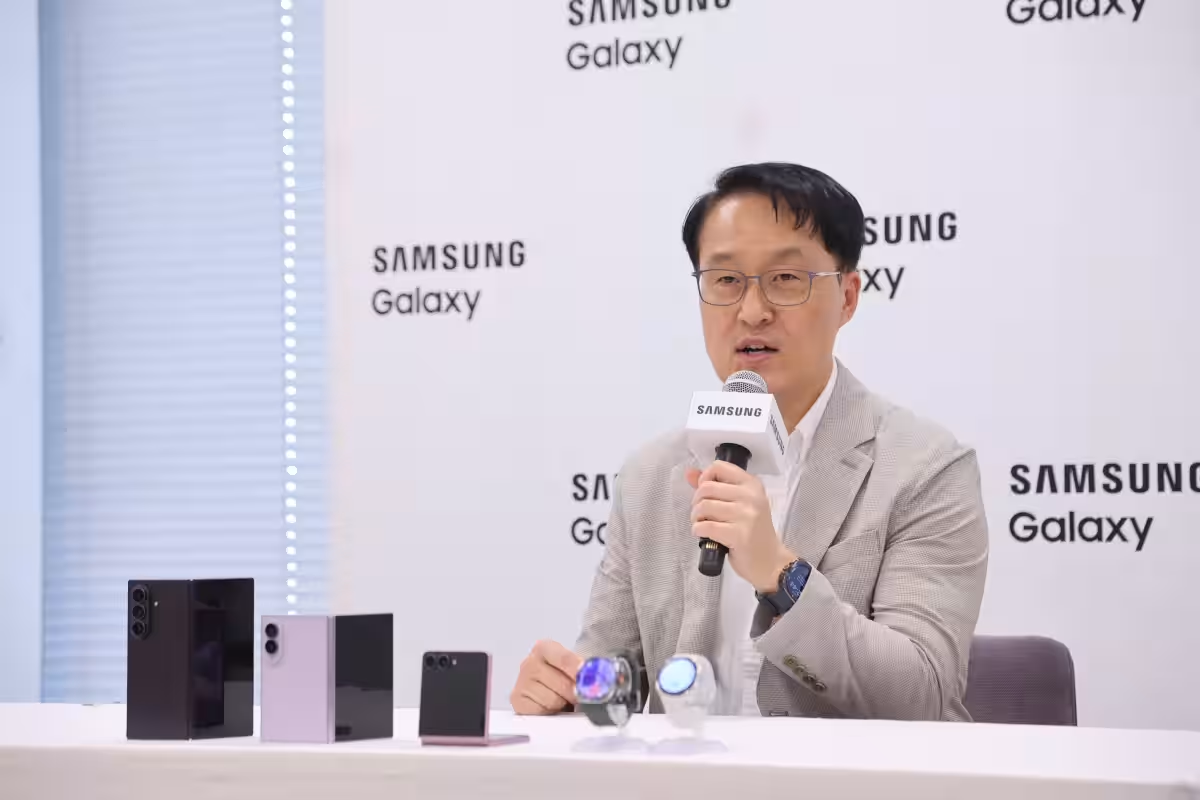
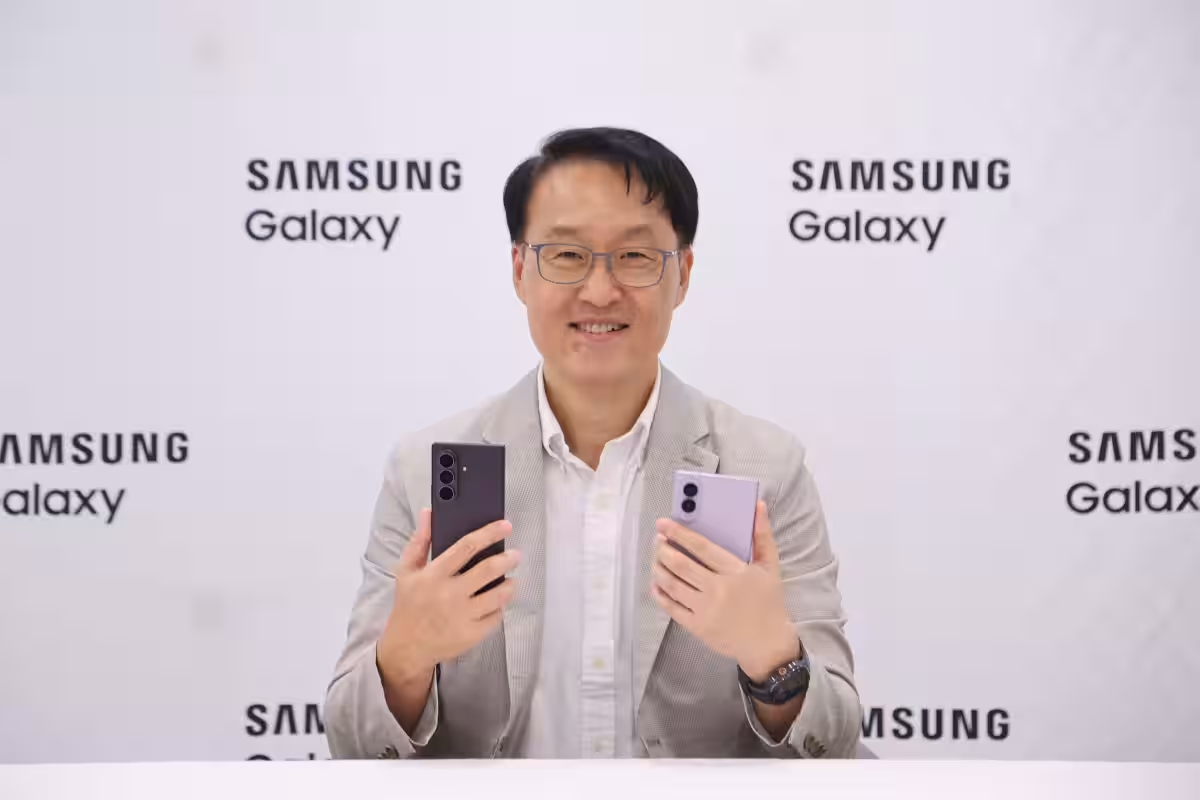
Samsung Electronics Japan recently hosted an event honoring the launch of the new Galaxy Z series, which includes the Galaxy Z Fold8 Ultra, Fold8, and Flip8. The event featured Byung-Duk Yang, Vice President and Vice Team Leader of the Core Component Technology Team, who shared insights into the company’s ongoing commitment to innovation in foldable smartphone technology.
Since the introduction of the original Galaxy Fold in 2019, Samsung has made significant strides across seven generations of foldable devices. Yang discussed how the company has focused on creating products that are thinner, lighter, and more durable while also enhancing user experience across various features such as displays, hinges, and battery life.
User-Centered Innovation
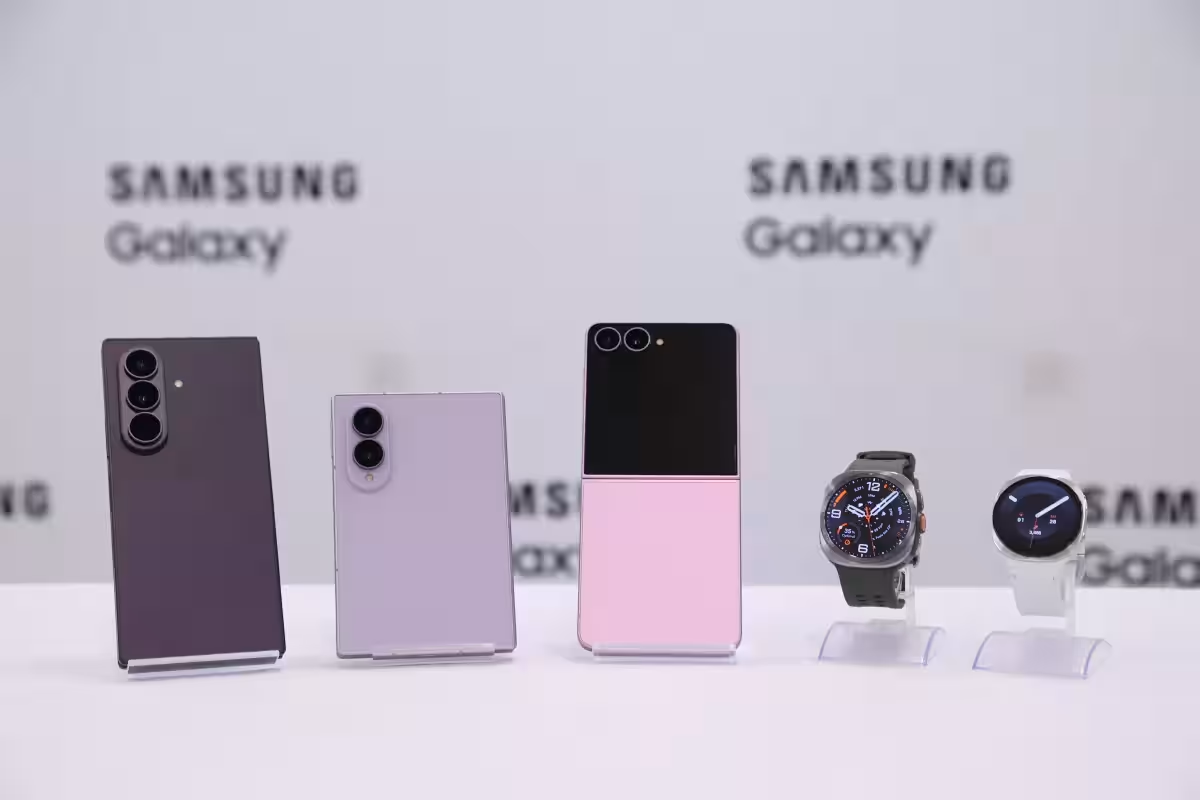
According to Yang, Samsung’s philosophy is clear: The ideal foldable device cannot be defined by a single form factor. Users have varied needs, whether they seek to enhance productivity on larger screens, immerse themselves in content, or express individuality through more compact devices. To address this diversity, Samsung has identified three core innovations: a larger and immersive display experience, a design that is thinner and lighter yet incredibly durable, and uncompromised Ultra-level performance. As a result, the company has launched three distinct foldable models tailored to different user preferences and lifestyles.
The Galaxy Z Fold8 Ultra combines a large screen with advanced AI features, maximizing both usability and productivity. The Galaxy Z Fold8 is designed for enjoying everyday content and entertainment with greater immersion, while the Galaxy Z Flip8 offers a compact, stylish option for users looking to showcase their individuality. This new lineup represents Samsung’s most refined Galaxy Z series yet, designed to cater to various lifestyles and enhance user experiences through Galaxy AI.
Groundbreaking Technology
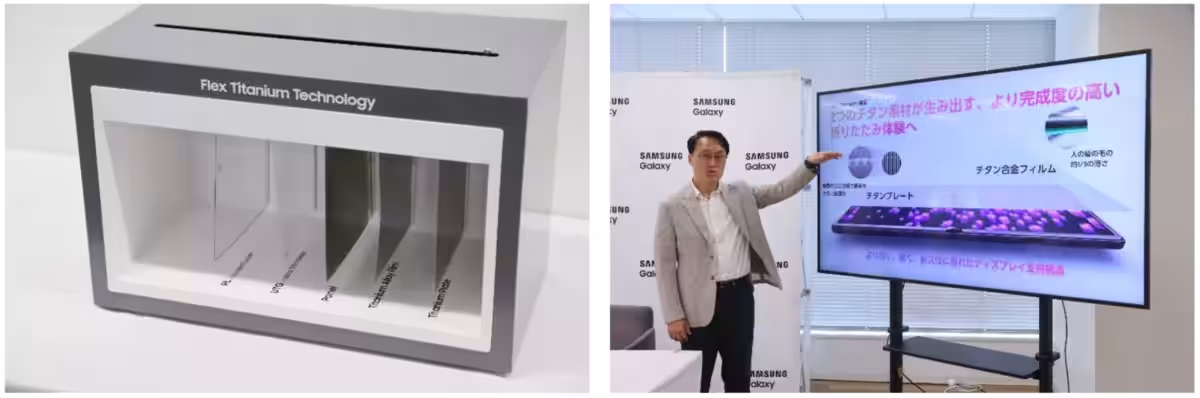
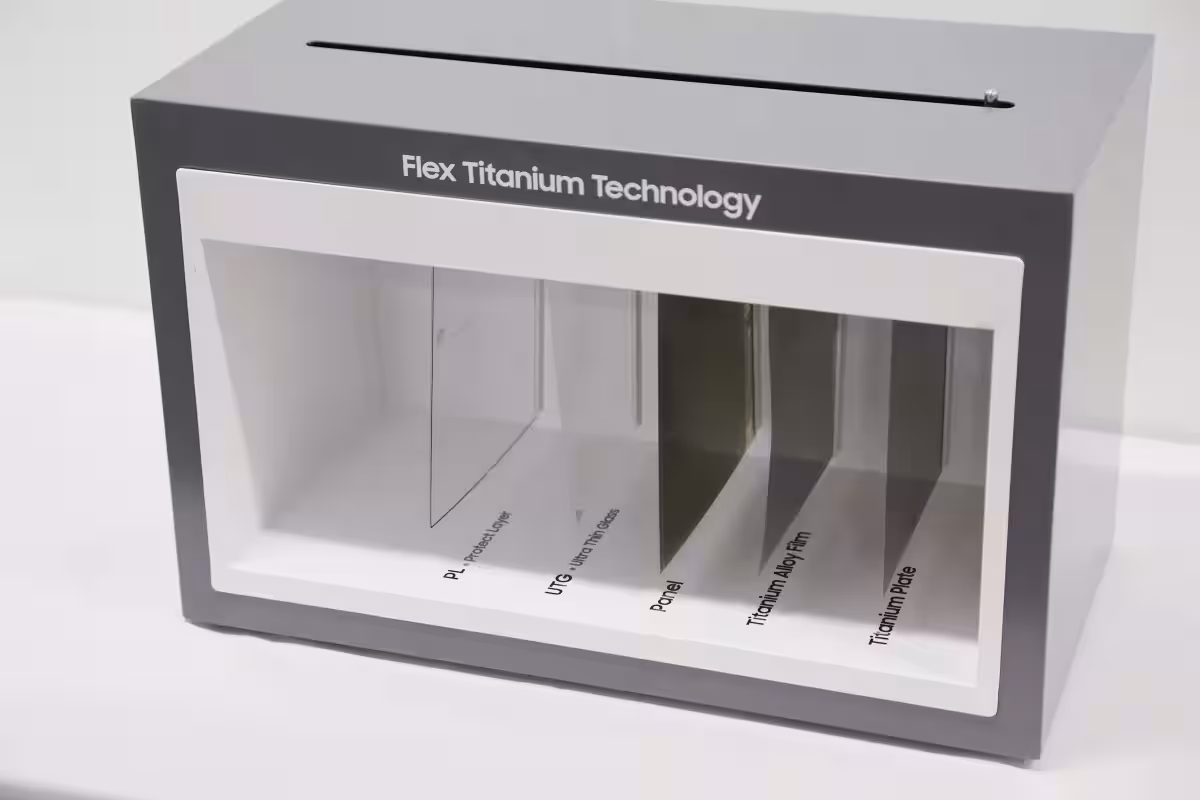
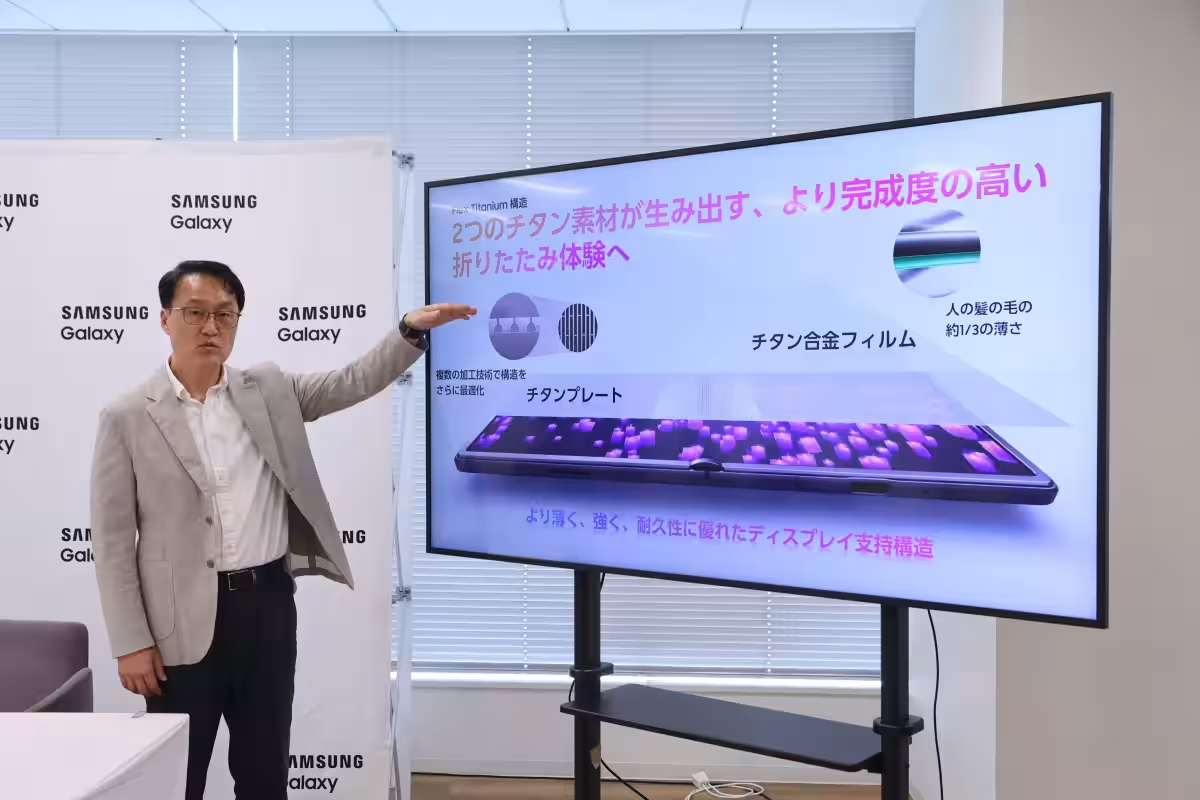
One of the key innovations in the latest Galaxy Z series is the newly developed Flex Titanium technology. This advancement allows the devices to be lightweight while maintaining strength and flexibility needed for folding. Yang and his team utilized titanium for its impressive structural properties and long-term durability under repeated use. The average user may not recognize the challenges involved in processing titanium into a form that maintains its strength while allowing flexibility, but Samsung’s development team has achieved this balance.
The Flex Titanium technology consists of two components: titanium plates provide the main structural support below the display, protecting against pressure while allowing for the essential bending. The introduction of titanium alloy film, incorporating elements like vanadium and aluminum, contributes to the device’s thinness while ensuring that it remains robust enough for everyday use.
This technology has facilitated the creation of an immersive display experience that supports a thinner design, with the Galaxy Z Fold8 Ultra becoming the world's thinnest foldable device at approximately 4.1mm, and the Fold8 weighing around 201g, making it one of the lightest in the category.
User-Centric Design and Testing
Yang also emphasized the importance of user feedback in the development process. As the devices became thinner, users expressed concerns about their usability, such as difficulty opening the devices. To address this, refining hinge and magnet structures and creating a targeted groove at the folding point improved the ease of use significantly.
In addition to focusing on hardware innovation, Samsung implemented a comprehensive reliability testing process involving over 100 tests, including drop tests and fold-unfold cycles, to ensure the devices would perform effectively under real-world conditions. This level of rigorous testing ensures users can confidently rely on their foldable devices for everyday use.
Collaboration with Japanese Innovation
Reflecting on the challenges faced during the project, Yang acknowledged that collaboration with Japanese companies was crucial in achieving the required standards for the materials and processing techniques for the Flex Titanium technology. He recalled the persistent challenges faced during development, likening their efforts to the hurdles depicted in the film “Saving Private Ryan.”
Through close collaboration with these companies, Yang’s team was able to overcome obstacles and deliver a revolutionary product that meets high technological standards.
Battery Innovations
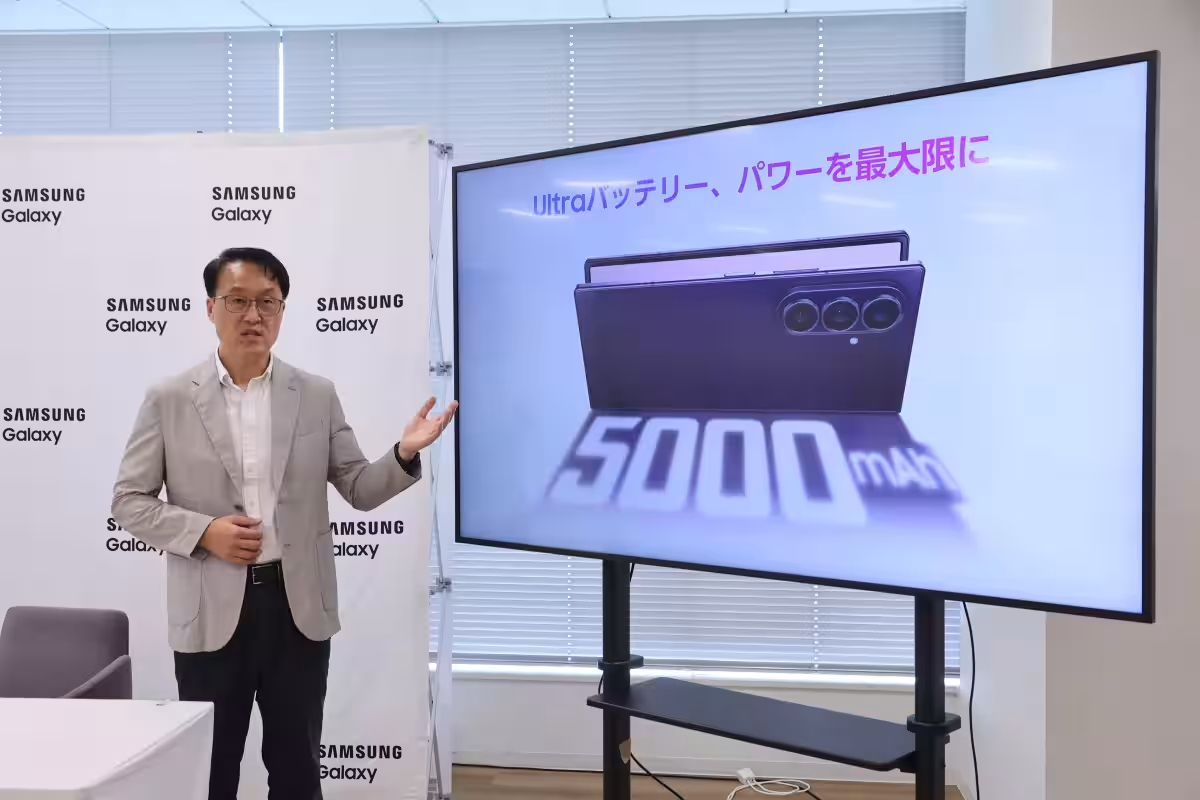
Alongside advances in display technology, Yang also discussed innovations in battery and charging technology for the foldable series. The Galaxy Z Fold8 Ultra features a redesigned battery system that allows for extended use and fast charging while maintaining safety and stability. The introduction of a new silicon-carbon anode material enhances energy density, enabling a capacity of 5,000mAh.
Moreover, the series now supports 45W super-fast charging for the first time, tailored to optimize performance while minimizing heat, ensuring reliable functionality over time.
In conclusion, Samsung continues to drive innovation in foldable technology, focusing on user experience and collaboration to set new standards in the industry. As Byung-Duk Yang puts it, the journey of creating the next generation of foldable smartphones is just beginning, with exciting advancements on the horizon.


Topics Consumer Technology)
【About Using Articles】
You can freely use the title and article content by linking to the page where the article is posted.
※ Images cannot be used.
【About Links】
Links are free to use.