



Innovative Carbon-Fixing Pavements Combat Urban Heat in Japan
Innovative Pavement Solutions for Urban Heat
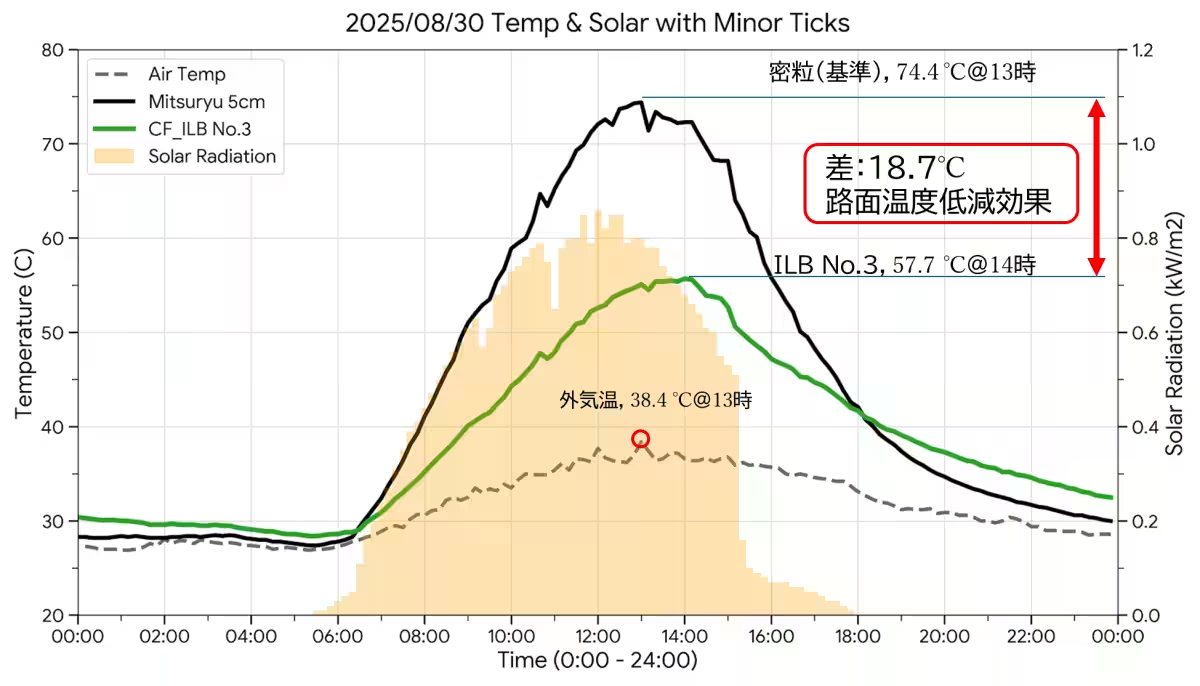
In the summer of 2025, as Japan experienced an unprecedented heatwave with temperatures soaring to 38.4℃, Taisei Rotec Co., Ltd. implemented a demonstration project showcasing a groundbreaking environment-friendly pavement material called "CF Mix." This initiative was part of the Ministry of Land, Infrastructure, Transport and Tourism's 2025 Decarbonization and Urban Cooling Development Project. What sets CF Mix apart is its remarkable ability to reduce surface temperatures by as much as 18.7℃ compared to conventional asphalt. This isn't just a cooling solution; it represents a comprehensive decarbonization scheme throughout the entire supply chain, from manufacturing to construction.
Utilizing Unused Resources
The CF Mix utilizes shells from scallops and lignin from forestry waste, embodying a circular economy model that addresses both rural and urban challenges. Traditional black asphalt tends to absorb heat, exacerbating the urban heat island effect, whereas CF Mix employs calcium carbonate derived from shells to create a lighter-colored surface that effectively reflects sunlight. This technology not only demonstrates significant cooling effects but also ensures that unused resources are creatively utilized.
Key Components of CF Mix
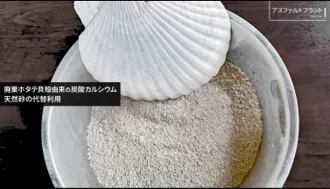
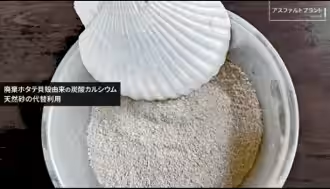
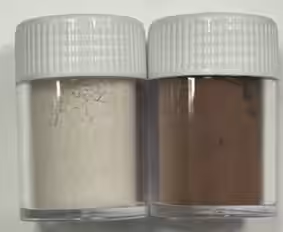
The CF Mix comprises two main components: high-purity calcium carbonate obtained from scallop shells known as "shell sand," and high-purity lignin extracted from forest residues known as "Lignova."
Shell Sand
Utilizing scallop shells as a byproduct from aquaculture, the high-purity, uncalcined calcium carbonate is integrated into the paving material. The life cycle assessment methods prioritize the environmental impact on the main product (the meat of the shellfish) rather than the waste, allowing the shells to be treated as a clean resource, thus minimizing carbon dioxide emissions during production.
Lignova
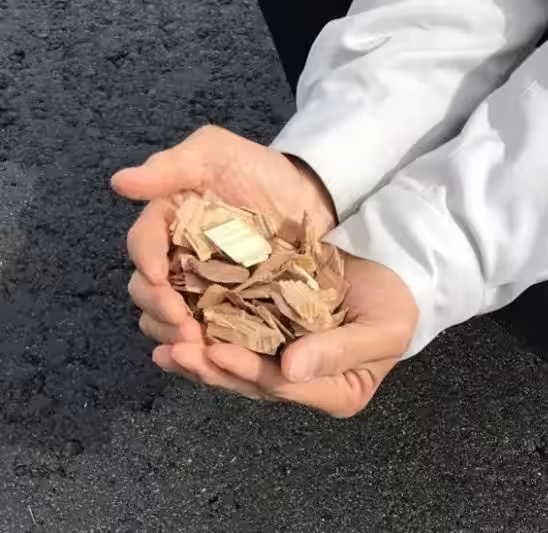
The lignin used is derived from local forest management practices, specifically from unused thinned wood and forestry residues. Traditionally burned as waste, this material now serves as a valuable ingredient, replacing certain petroleum-derived pavement materials while ensuring carbon that trees captured during growth remains stored and does not return to the atmosphere quickly.
Testing New Technologies under Extreme Conditions
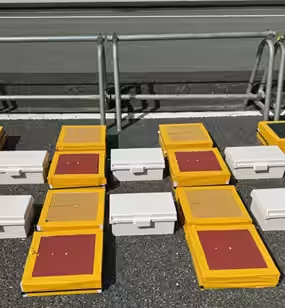
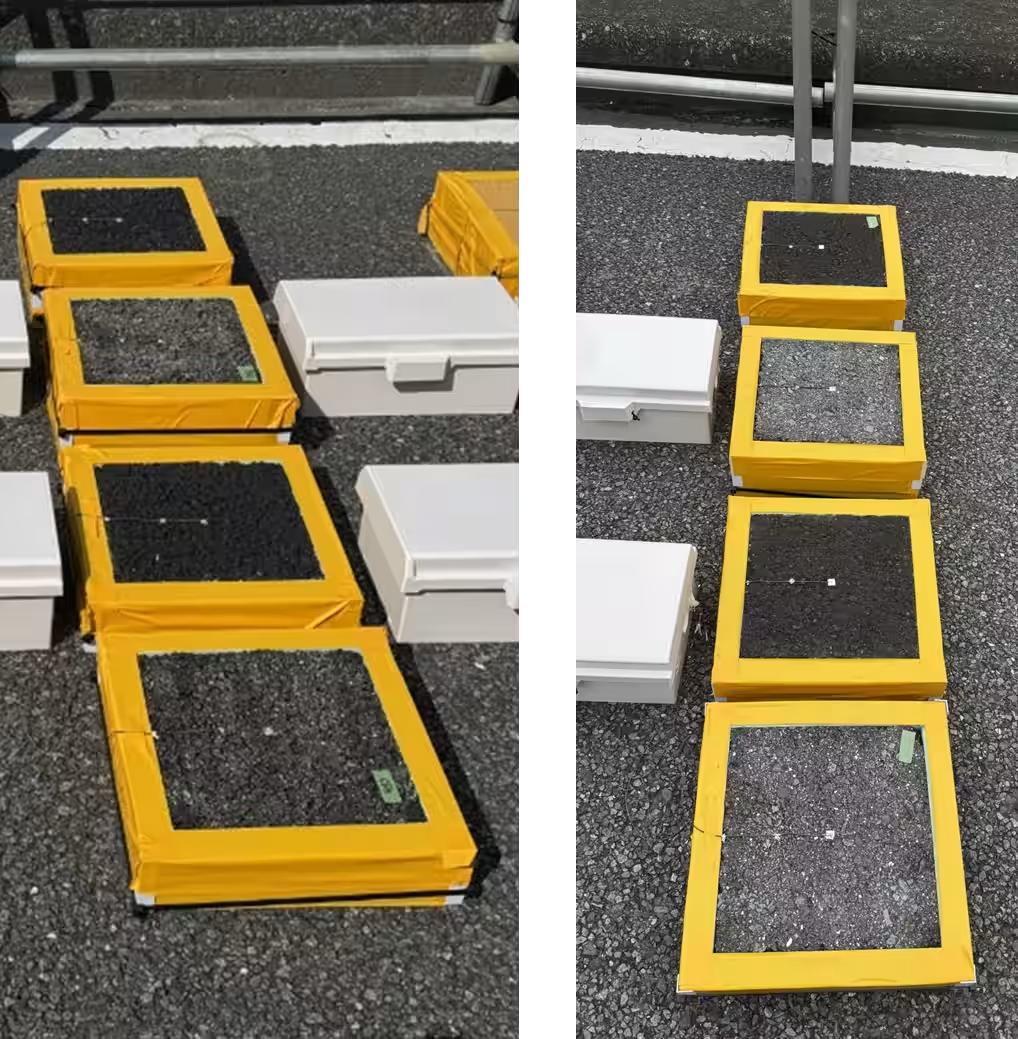
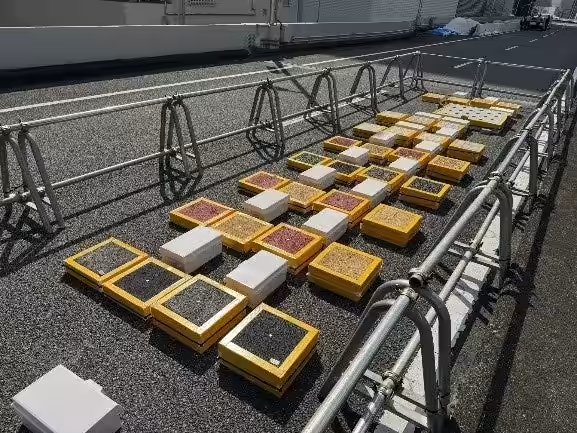
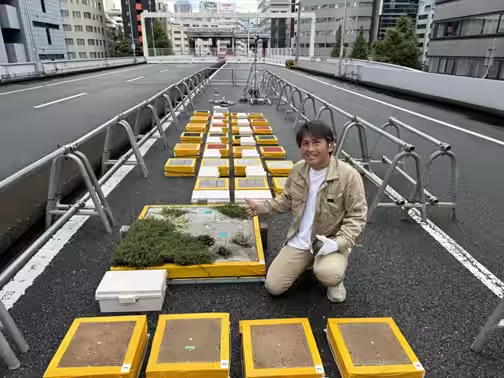
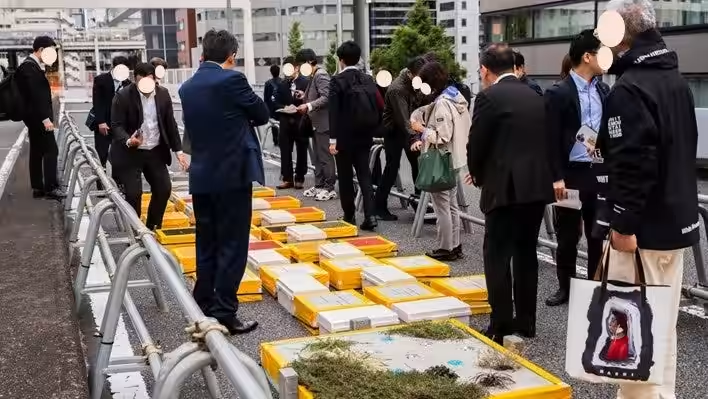
To validate the cooling effects of CF Mix, different pavement samples were tested under harsh environmental conditions above the KK line of the Tokyo Expressway. Over several months, continuous temperature measurements demonstrated remarkable performance. On the hottest day recorded, when asphalt temperatures soared to 74.4℃, the CF Mix IL Block maintained a significantly lower surface temperature of 55.7℃.
Consistent Performance
What’s particularly noteworthy is that the CF Mix technology maintained its cooling performance despite enduring a protracted heat wave, illustrating its effectiveness without relying on water evaporation. On several occasions, the IL Blocks recorded an average reduction of about 16℃, sustaining its cooling properties under high heat conditions.
The Entire Supply Chain's Decarbonization
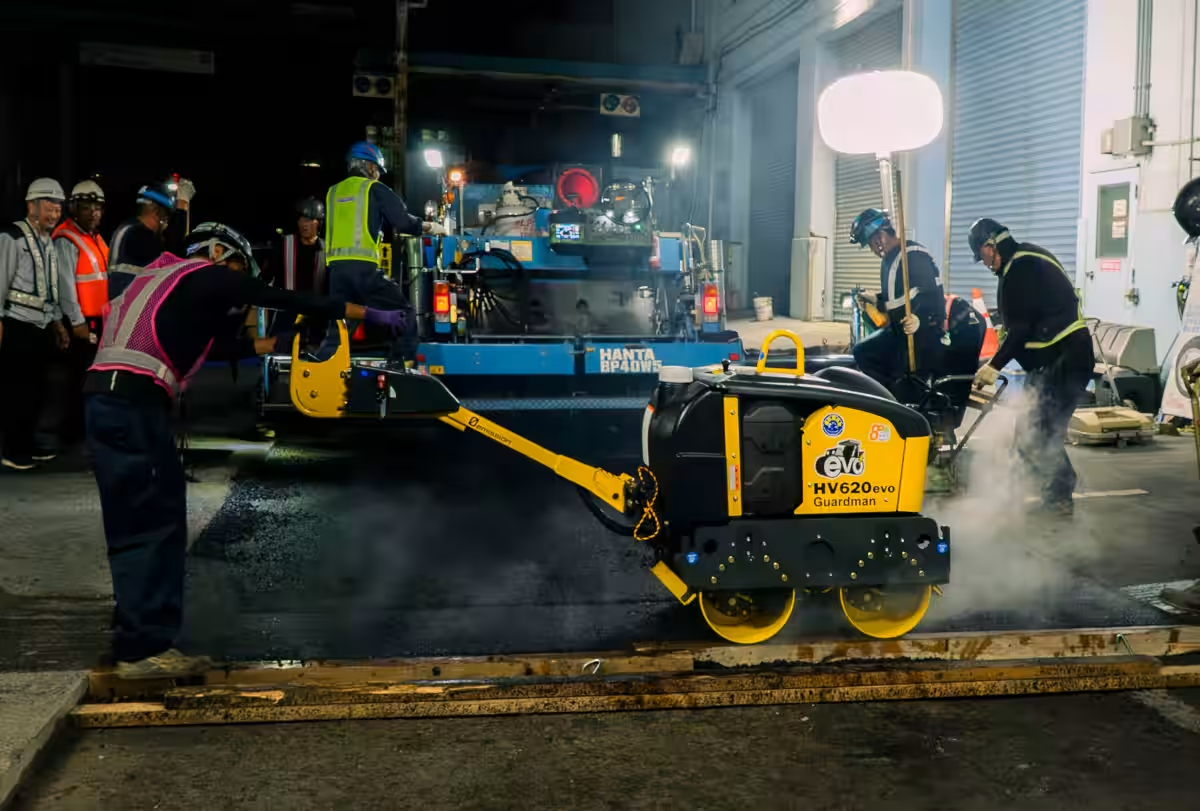
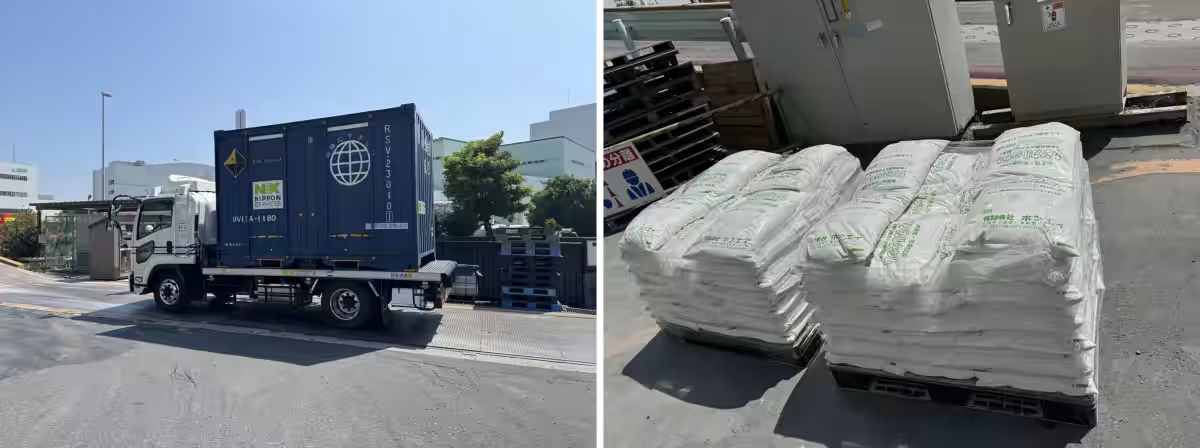
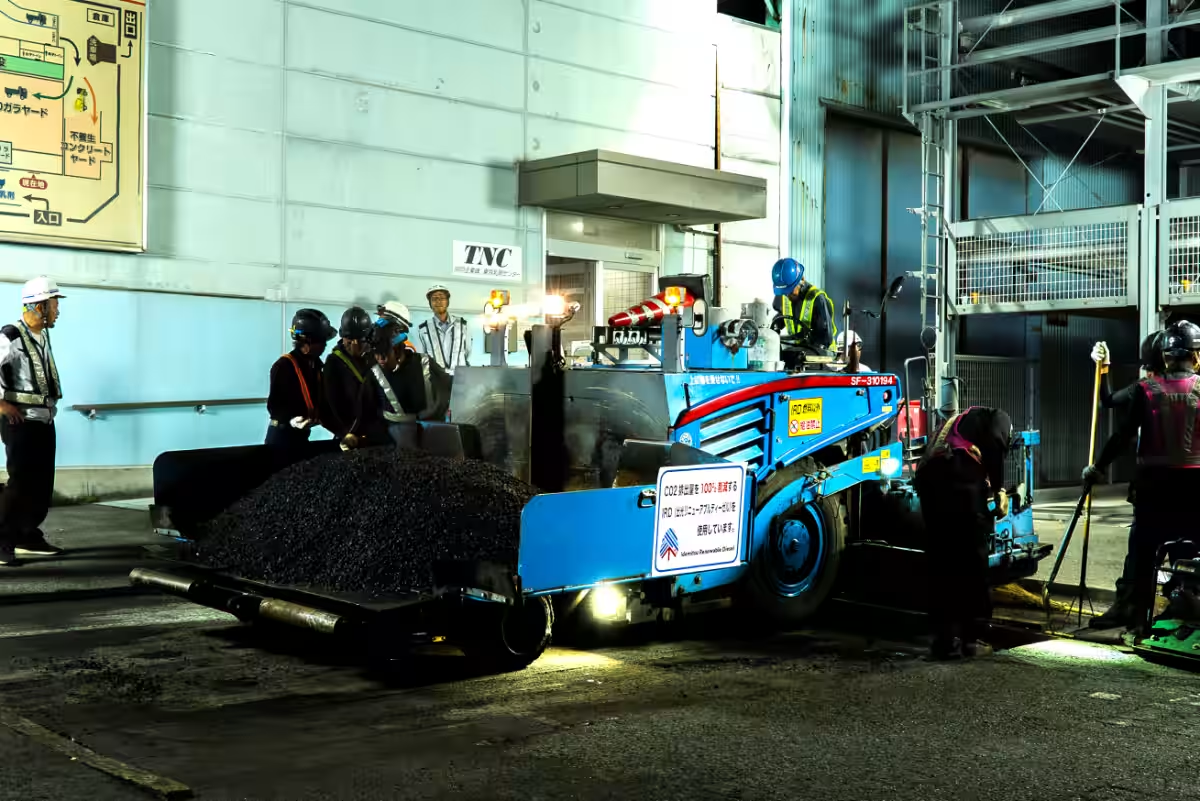
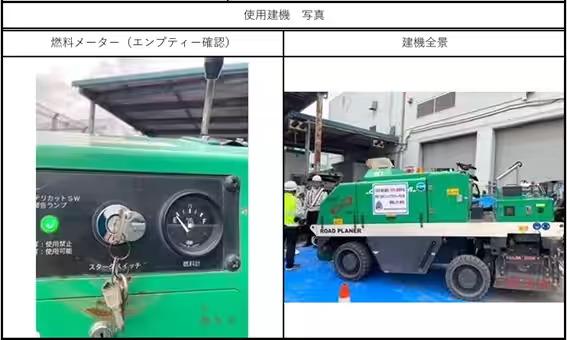
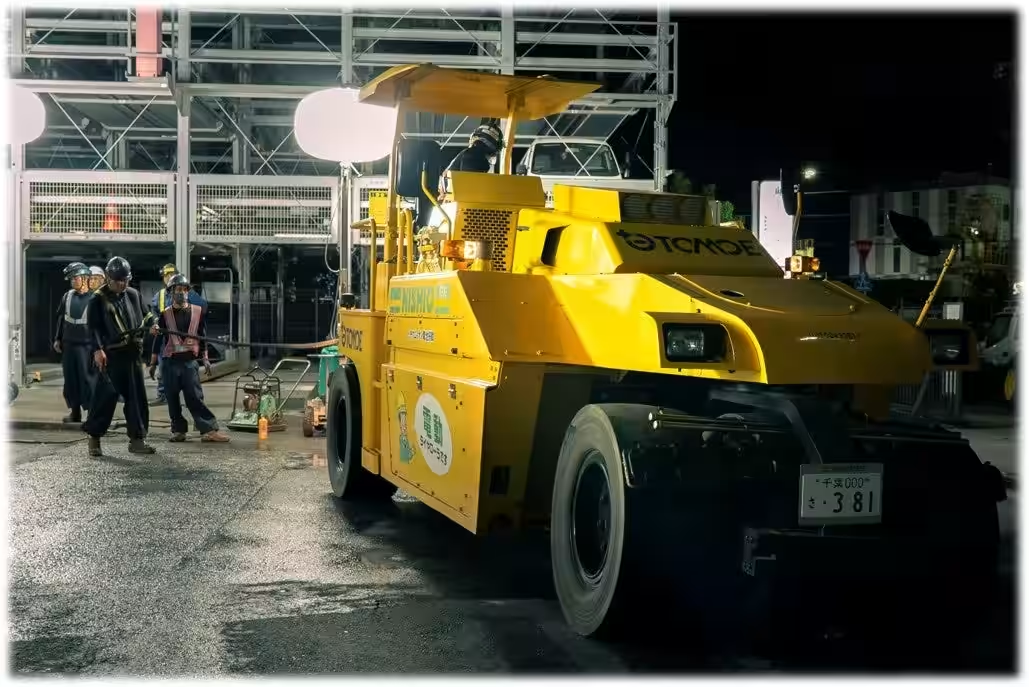
Beyond just the innovative material, the project emphasizes a holistic approach to decarbonization throughout the supply chain. Utilizing next-generation machinery powered by biofuels during the construction phase minimized on-site CO2 emissions, establishing a proof of concept for near-zero emissions construction projects. Moreover, a modal shift in transportation logistics from truck to rail freight significantly cut down CO2 emissions associated with material transportation.
Looking Ahead: Sustainable Urban Infrastructure
This landmark project at Taisei Rotec is poised to serve as a blueprint for sustainable urban infrastructure. The deployment of brighter pavements, using the innovative CF Mix, coupled with steps toward comprehensive carbon retention and reduction represents a paradigm shift in urban design. As Japan gears up for the upcoming changes in its resource recycling laws, Taisei Rotec plans to collaborate further with academic institutions and partners to tackle regional challenges while pushing for widespread implementation of practices that fulfill the carbon neutrality agenda and promote urban cooling. The future is set for greener, cooler cities in Japan, driven by the efforts of enterprises like Taisei Rotec.



Topics Environment)




【About Using Articles】
You can freely use the title and article content by linking to the page where the article is posted.
※ Images cannot be used.
【About Links】
Links are free to use.