



Innovative Recovery Solutions for Natural Disasters Utilizing Off-Site Construction in Japan
Introduction
In recent developments, the Japan Off-Site Construction Association, led by President Toshinari Nagasaka, showcased its innovative solutions aimed at enhancing disaster recovery capabilities. During the results presentation held on March 3, 2026, by the Ministry of Land, Infrastructure, Transport, and Tourism, the association emphasized the significance of two major initiatives: the ‘Wide-Area Model Development Type’ and the ‘Local Model Implementation Type.’ These efforts are integral to ensuring rapid housing solutions during emergencies, particularly in major disaster scenarios like the anticipated earthquakes in the Kanto region and the Japan Trench.
Wide-Area Model Development Type
One of the primary goals of the Wide-Area Model Development is to establish a robust national supply system fortified by digital transformation (DX) technologies. The association aims to create a framework that ensures safety and security in daily life through a comprehensive approach that includes:
1. Standardization and Manual Development
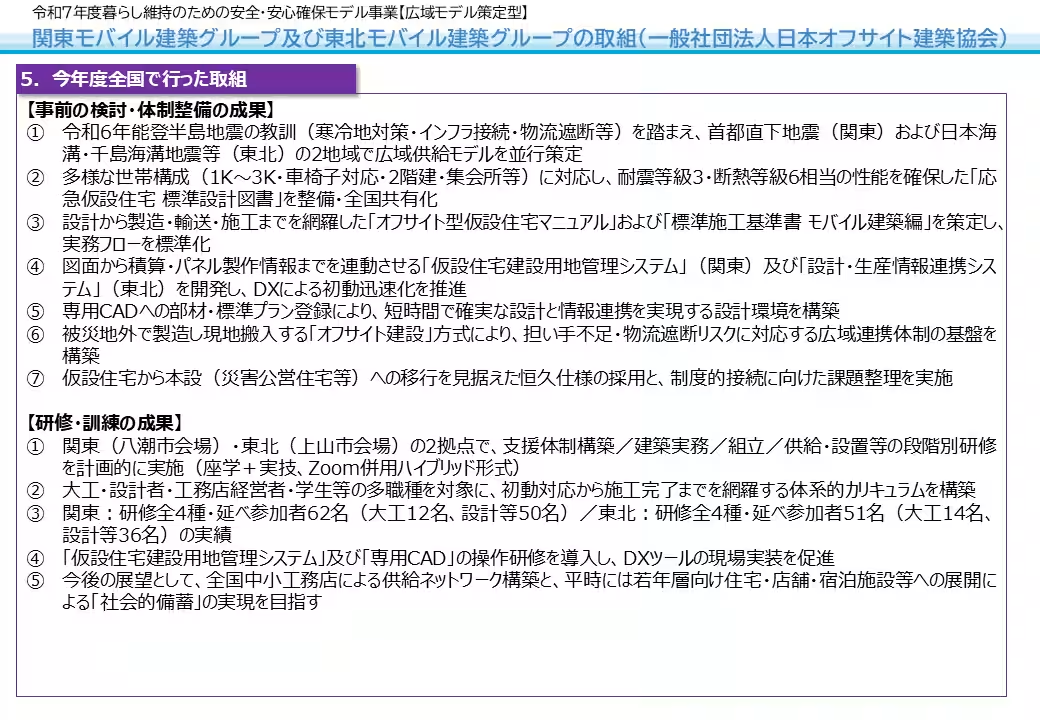
- The association has developed and shared standard designs for emergency temporary housing that meet seismic grade 3 and insulation grade 6. This standardization process aims to cater to various family structures across the nation while ensuring optimal performance in terms of safety and comfort.
2. Rapid Initial Response through DX
- By implementing digital systems, such as the Temporary Housing Construction Site Management System, which integrates various stages from design to procurement and panel manufacturing, the association enhances the speed and efficacy of its responses in times of crisis.
3. Skilled Workforce Development
- Hybrid training programs have been initiated in two regions, focusing on various professions including carpenters and designers. This initiative aims to strengthen the capacity for wide-area cooperation, essential for effective disaster response.
Achievements of the Wide-Area Model
The report highlighted various strategies adopted throughout the fiscal year to bolster the wide-area model, proving that disaster readiness is not merely reactive but a proactive state of preparedness.
Local Model Implementation Type
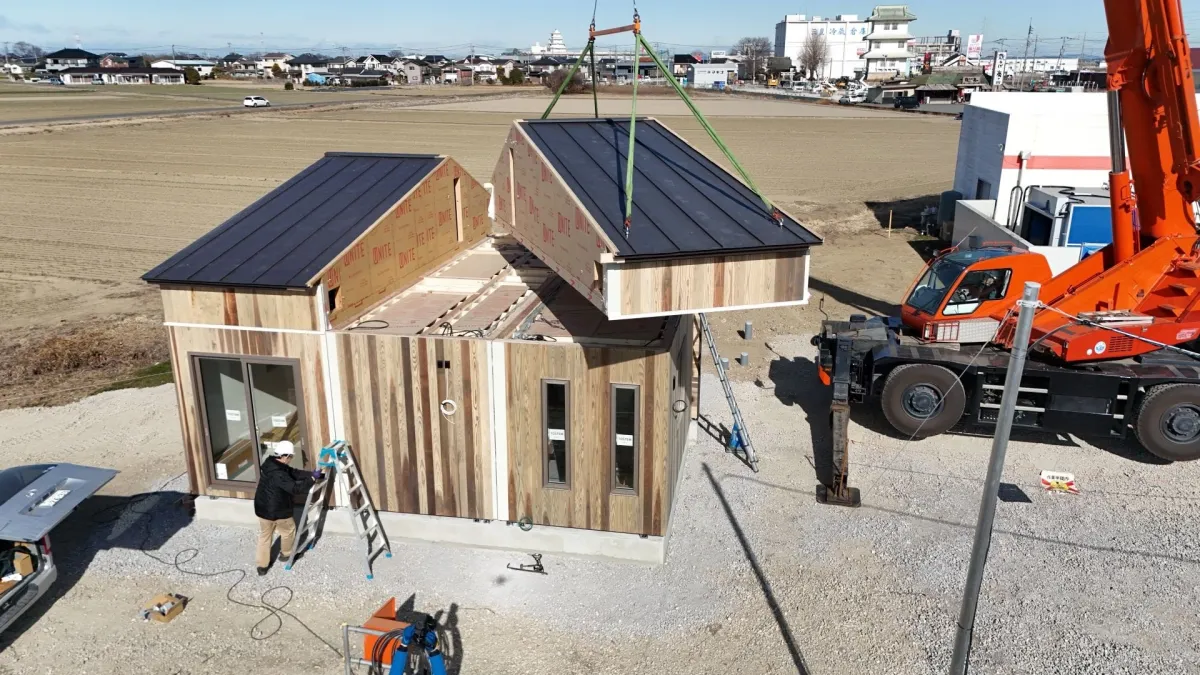
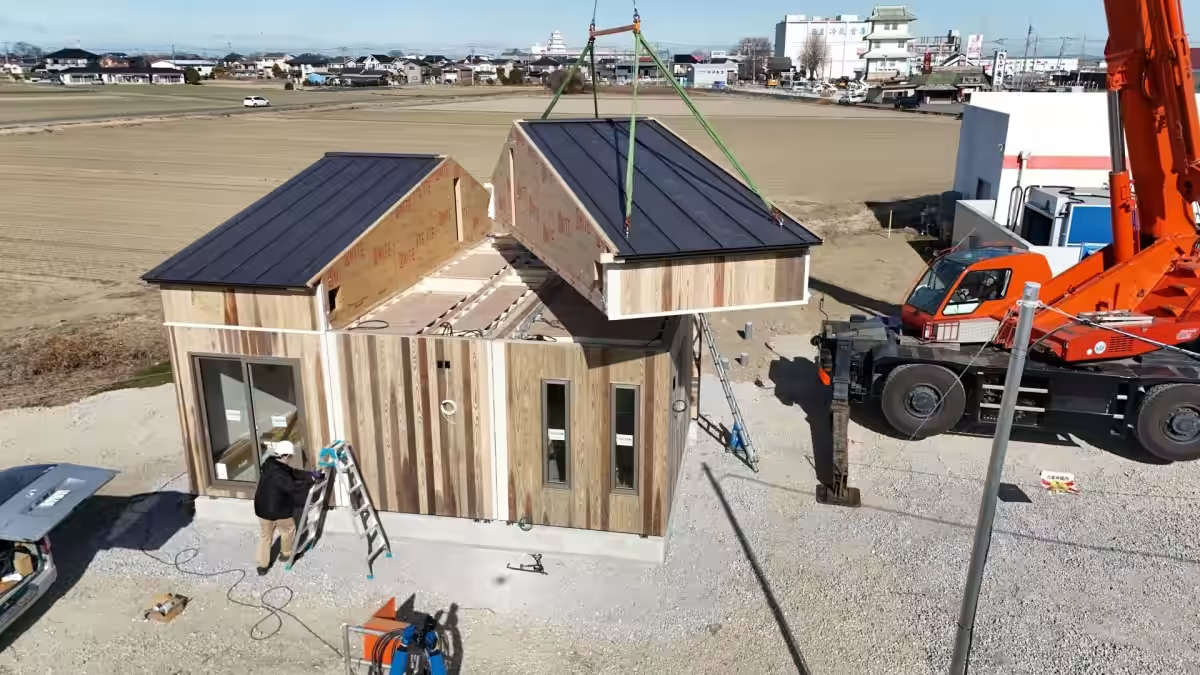
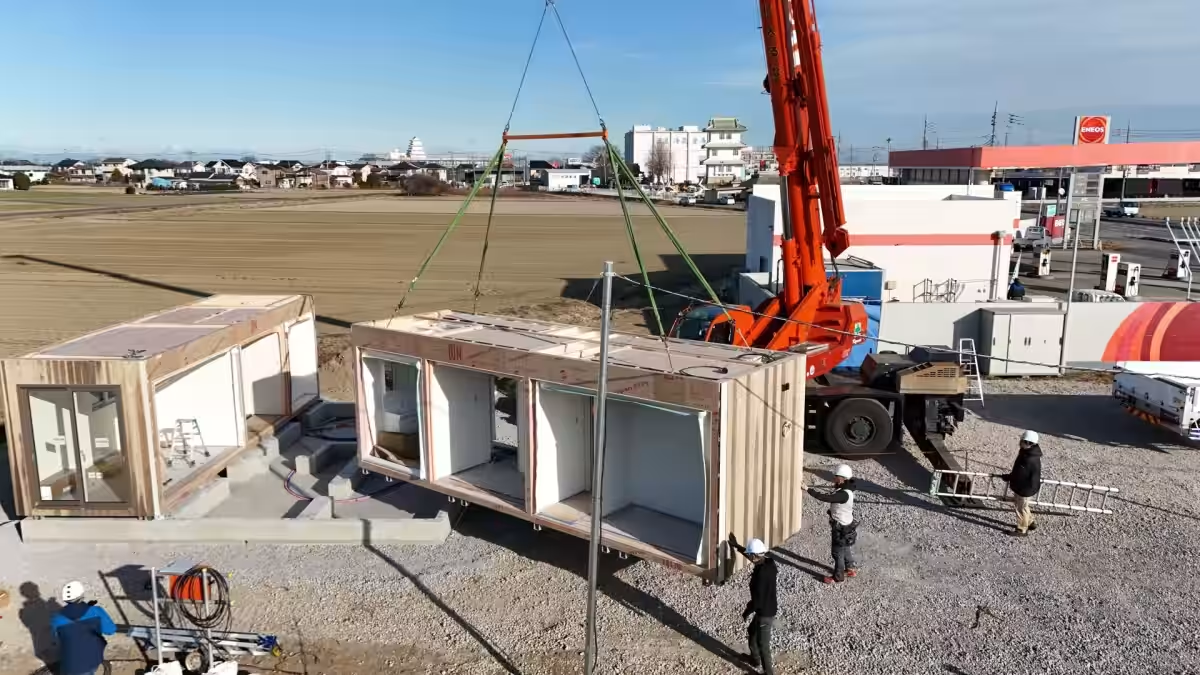
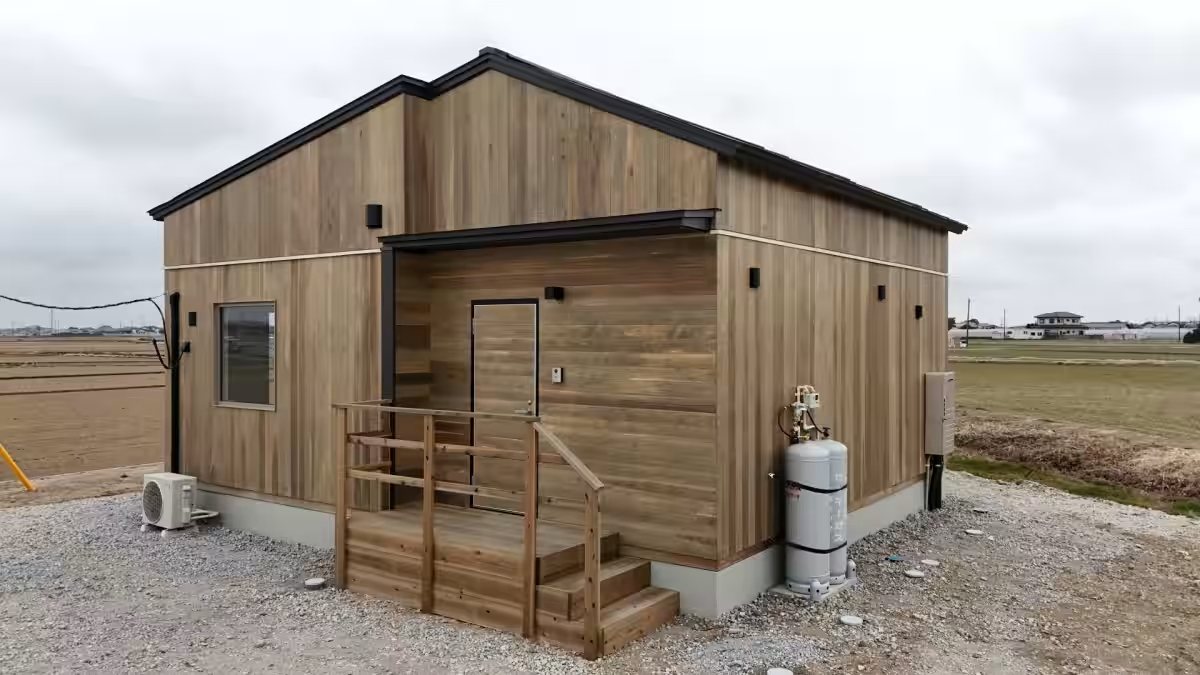
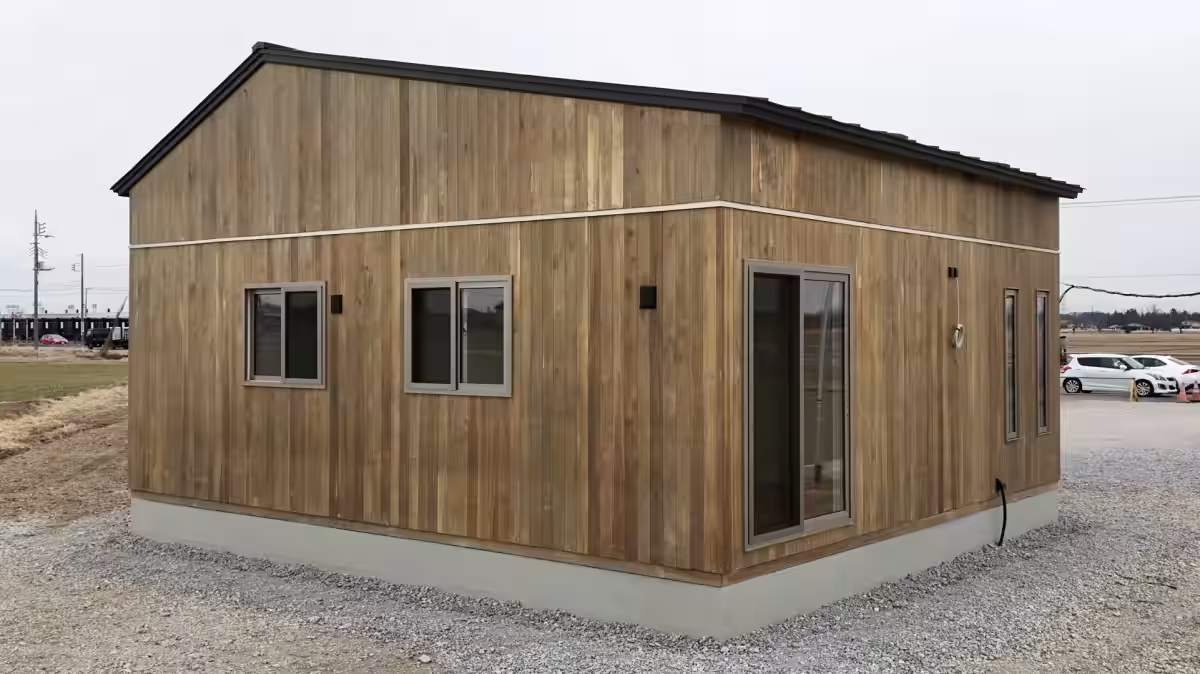
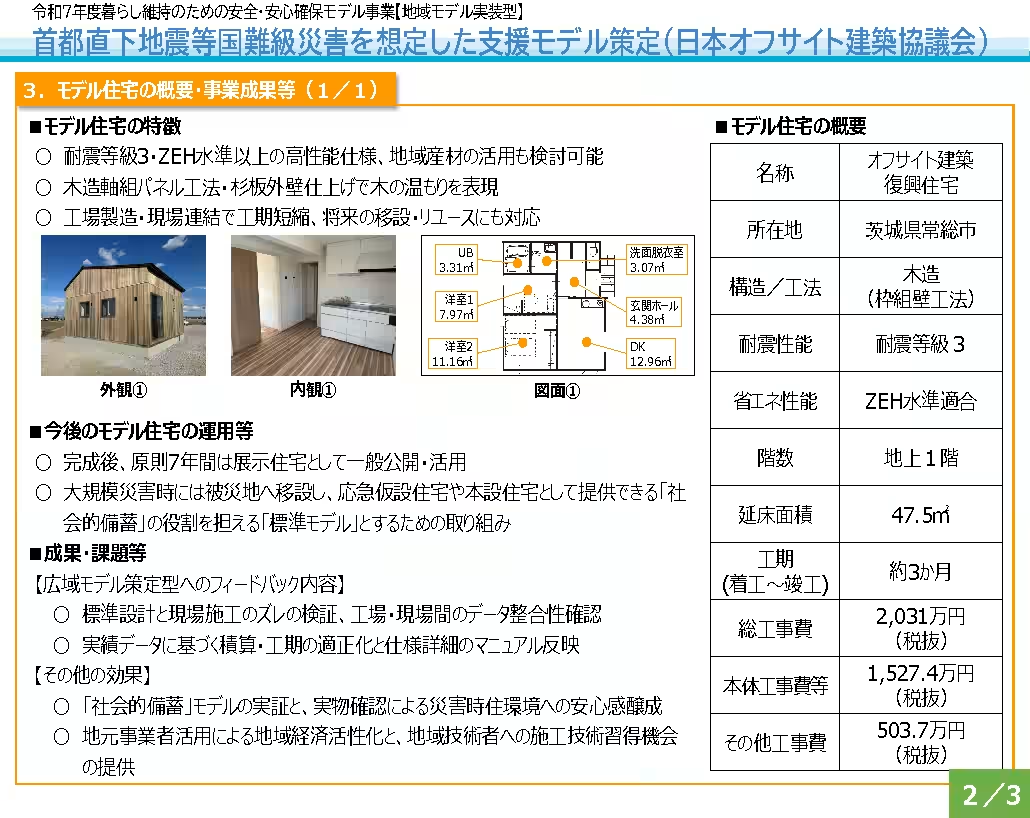
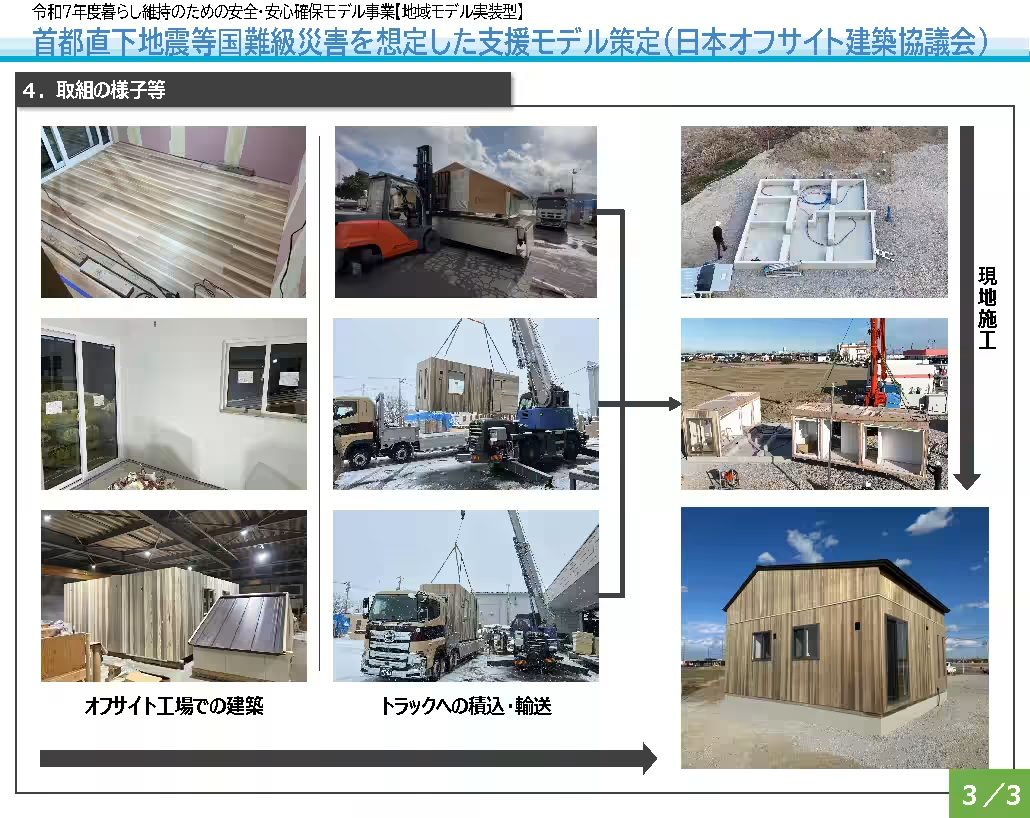
To validate the strategies set forth by the wide-area framework, a model house using off-site construction techniques has been built in Joso City, Ibaraki Prefecture. Key features of this local model include:
- - High-Performance Specifications
- - Cost Optimization
- - Feedback Incorporation into Wider Models
- - Utility During Both Peace and Disaster
Topics Other)




【About Using Articles】
You can freely use the title and article content by linking to the page where the article is posted.
※ Images cannot be used.
【About Links】
Links are free to use.