



How AI is Transforming Design Processes for Enhanced Productivity and Creativity
Leveraging AI for Accelerated Design Operations
In a rapidly evolving business landscape, AI has transitioned from a mere option to an essential asset for growth. Engineerforce Inc., based in Shibuya, Tokyo, specializes in UI/UX design and has published a comprehensive white paper titled "AI × Design: A Guide to Enhancing Creativity and Efficiency." This document provides insightful methodologies on how AI can significantly improve design practices through boosting productivity and reducing costs.
Background of the White Paper
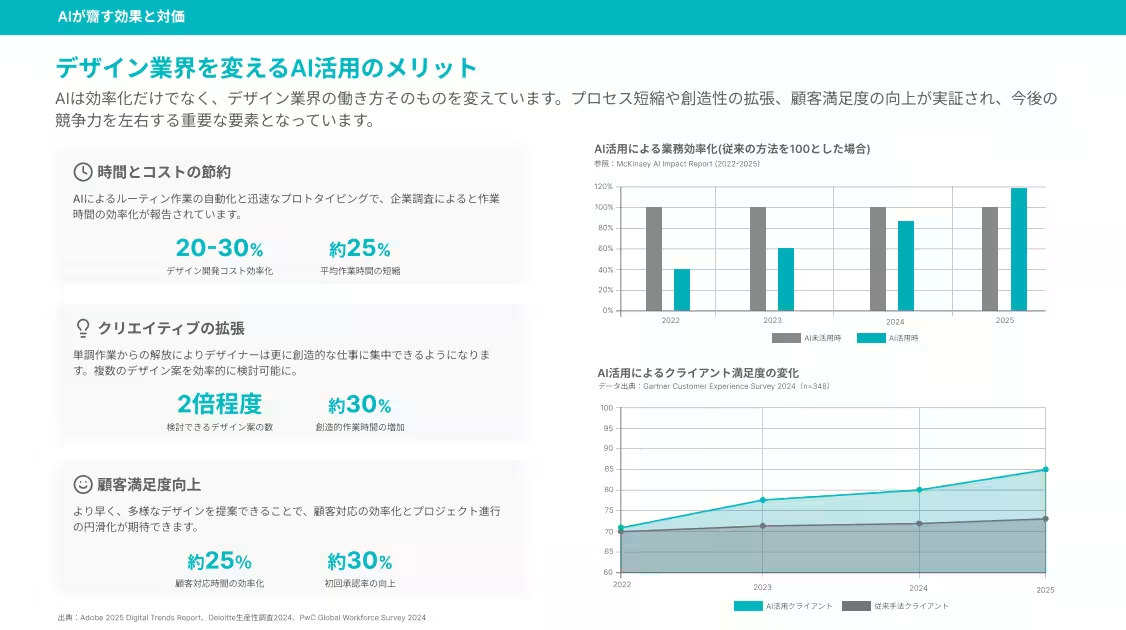
By 2025, AI will no longer be considered merely a luxury but a critical element for companies looking to thrive. In the design sector, businesses adopting AI technologies have reported productivity improvements ranging from 20% to 30%, allowing for a more efficient review of multiple design options. However, challenges still persist, such as ensuring data quality, bridging skill gaps, and establishing robust implementation processes. Engineerforce has compiled these issues and created a structured approach encouraging companies to view AI not just as a tool for efficiency but as a partner that extends human creativity.
Key Benefits of AI in Design
The white paper emphasizes the concrete benefits of integrating AI into design workflows:
- - Automation of Mundane Tasks: AI can reduce task completion times by an average of 25%, allowing teams to focus on more significant creative decisions.
- - Doubling Design Iterations: Companies can generate approximately twice the number of design proposals due to AI-enhanced capacities.
- - Improved Approval Rates: There is a reported 30% increase in first-time approval rates, which leads to enhanced customer satisfaction.
Application Domains
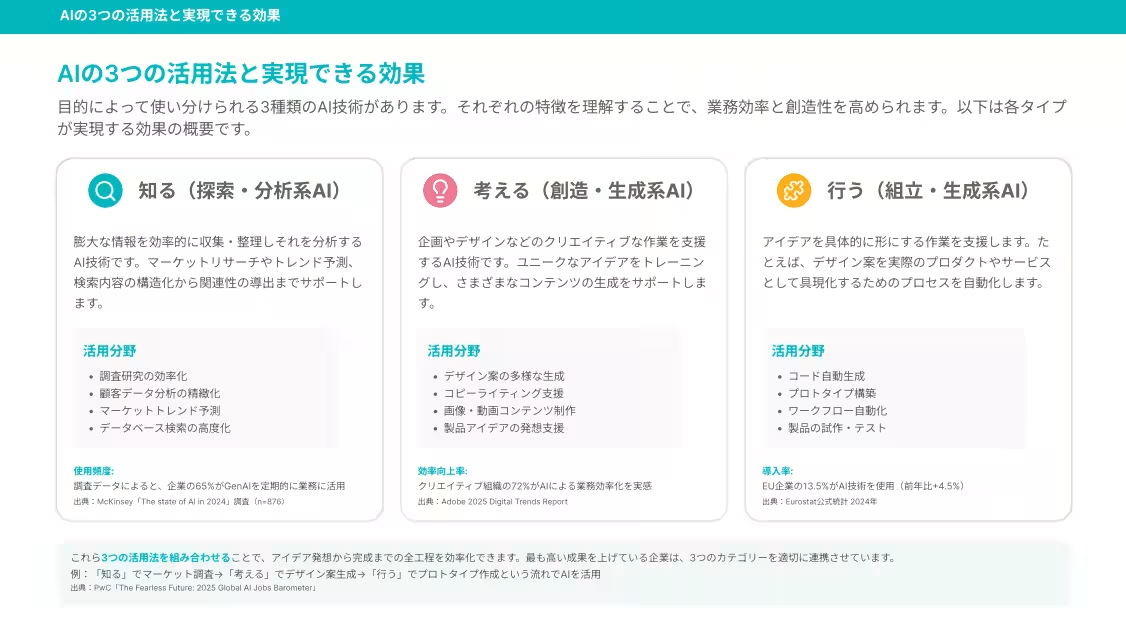
Engineerforce categorizes AI applications into three distinct areas:
1. Know (Exploratory and Analytical AI): Streamlines market research, trend forecasting, and customer data analysis.
2. Think (Creative and Generative AI): Supports the development of varied design concepts and content generation.
3. Do (Assembly and Production AI): Automates the creation of prototypes and code generation, fast-tracking implementation.
Practical Examples
The white paper also features several case studies:
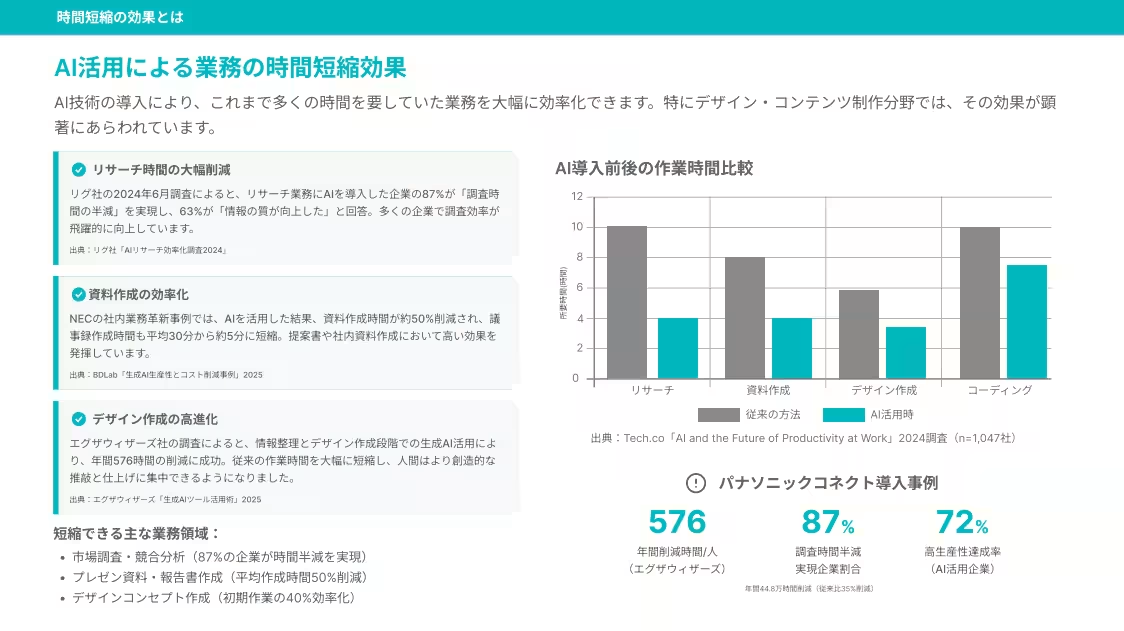
- - A leading domestic company used AI to streamline its document creation process, halving the time required for completion.
- - An innovative firm leveraged generative AI and achieved a reduction in operations by hundreds of hours annually.
- - Data from global surveys show that companies effectively integrating AI have improved the time employees can dedicate to creative tasks by approximately 45%.
Who Should Read This?
This white paper is ideal for:
- - Individuals facing challenges in enhancing the efficiency of design work.
- - Teams spending excessive time on idea development or prototype creation.
- - Anyone interested in adopting AI but unsure of how to leverage it effectively.
- - Organizations focused on improving proposal speed and quality for clients.
- - Professionals seeking continuous learning to elevate their competitive edge.
Conclusion
The integration of AI into design processes promises to transform the industry by enhancing both creativity and efficiency. Engineerforce’s white paper serves as a valuable resource for organizations aiming to utilize AI technology effectively.
For a more in-depth understanding and practical guidance, download the white paper here: AI Design Guide
About Engineerforce
Engineerforce provides a comprehensive array of services, including consulting, system development, and UI/UX design, aimed at accelerating business growth through three strategic pillars:
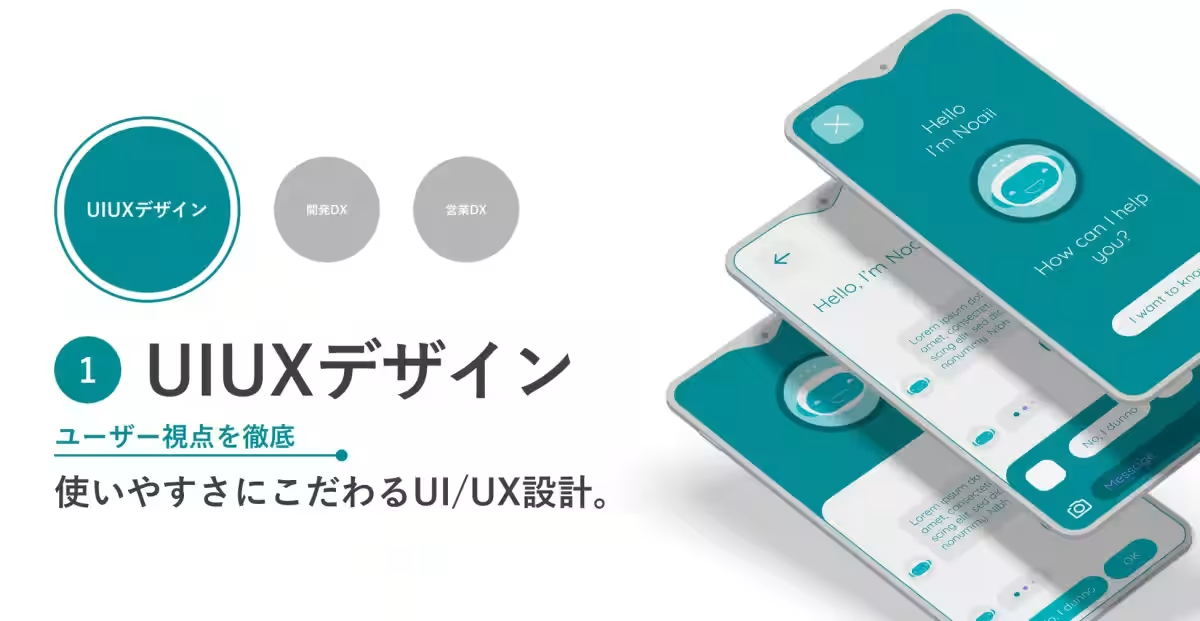
1. UI/UX Design: Expertise in creating user-centered designs that are both aesthetically pleasing and functional.
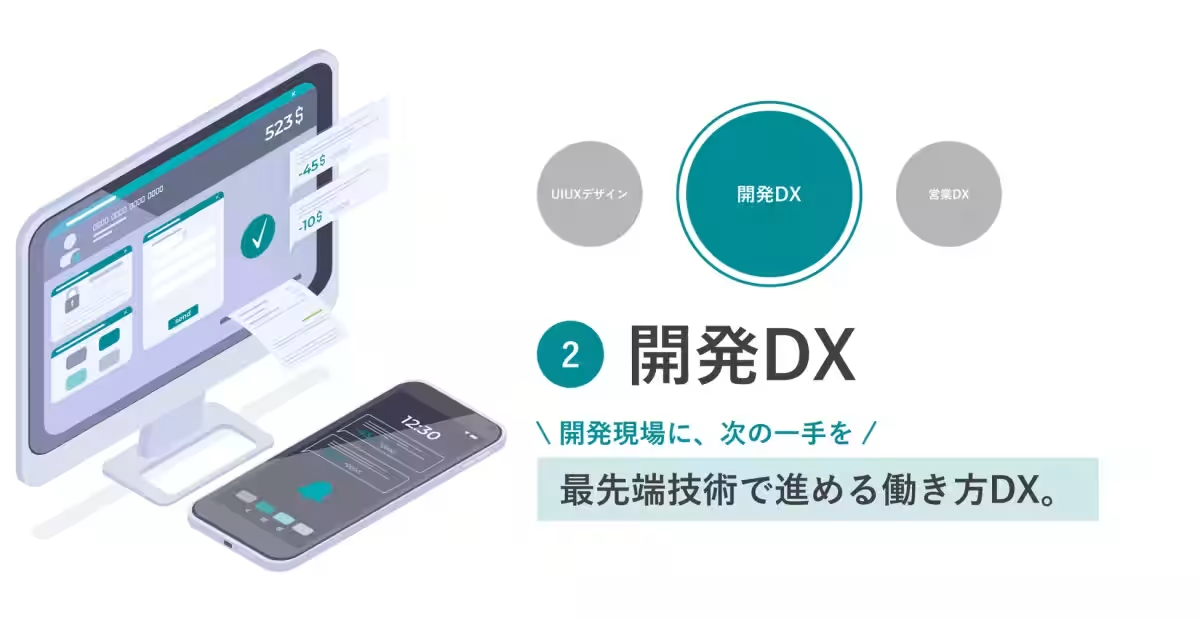
2. Development DX: Incorporation of state-of-the-art technology and methodologies to improve development processes.
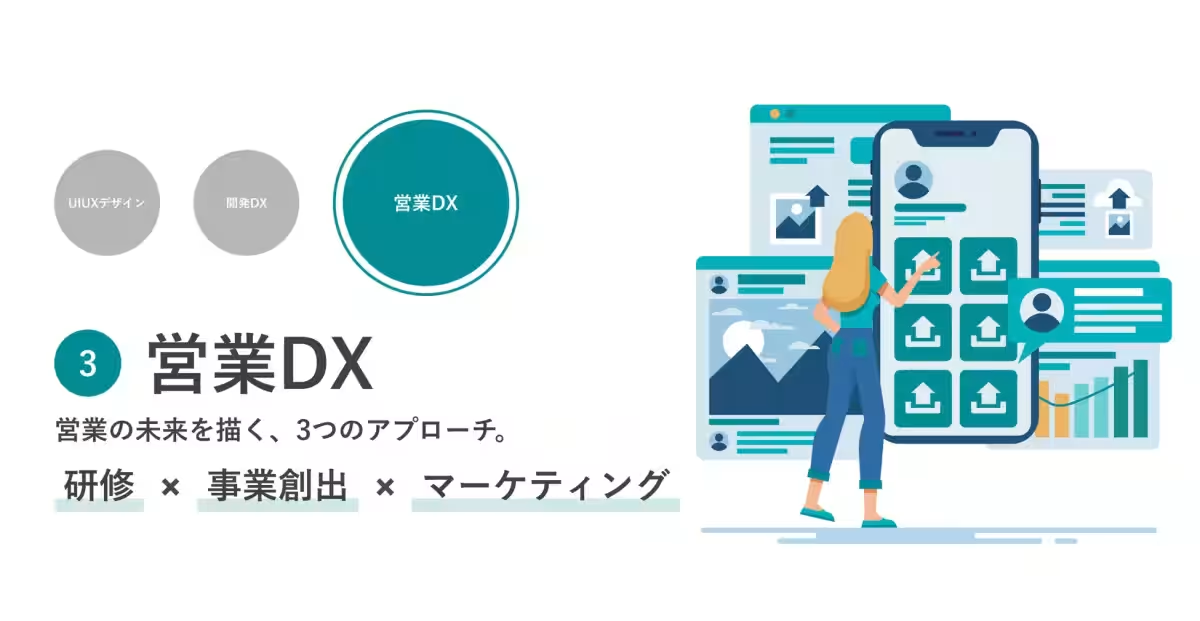
3. Sales DX: Enhancing sales capabilities through targeted training and impactful marketing strategies.
For more information, visit: Engineerforce
Company Overview: Engineerforce Inc. (CEO: Yoshiaki Iida) is located at 23-17 Sakuragaoka-cho, Shibuya, Tokyo, and focuses on utilizing design and technology to facilitate business transformations.

Topics Consumer Technology)


【About Using Articles】
You can freely use the title and article content by linking to the page where the article is posted.
※ Images cannot be used.
【About Links】
Links are free to use.