



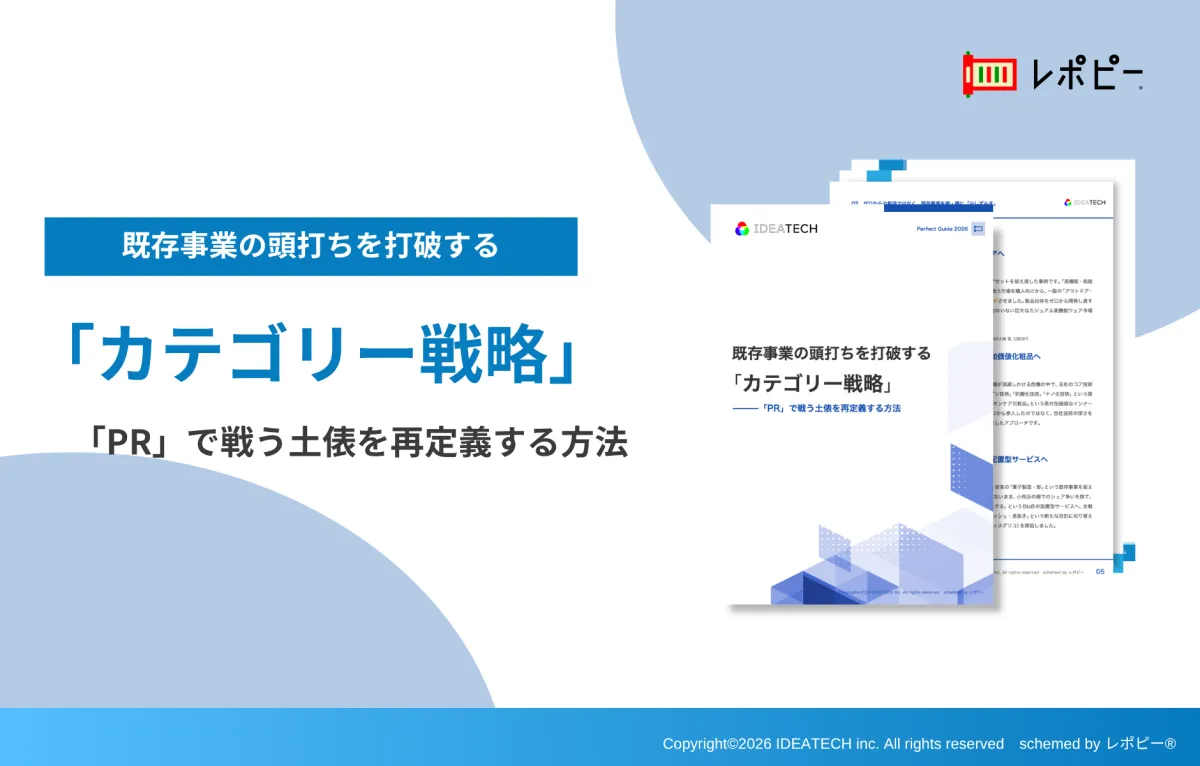
IDEATECH Offers Free Guide to Break Existing Business Limitations with Category Strategy
Breaking Through Business Limitations with Category Strategy
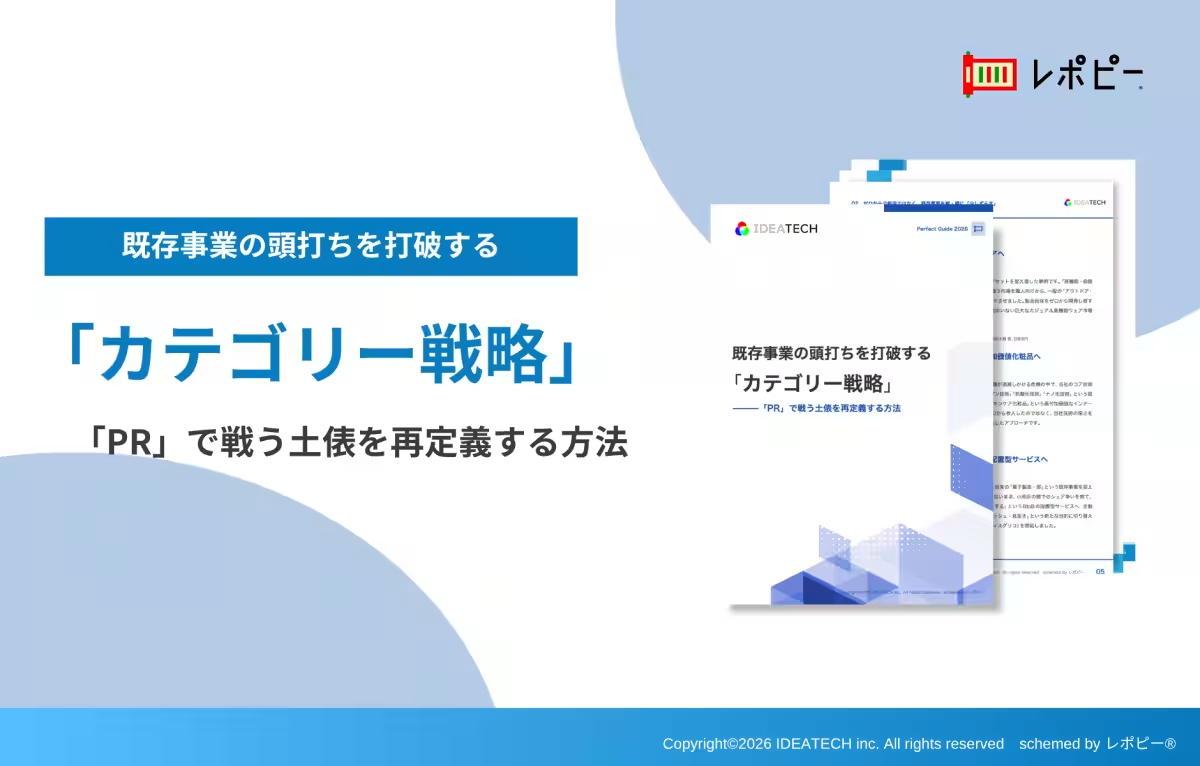
In the ever-evolving landscape of business, many companies find themselves at a standstill, grappling with diminishing returns from established marketing strategies. A staggering 89.2% of marketing leaders recognize the inadequacy of merely enhancing traditional advertising, SEO, and content strategies. IDEATECH has responded to this pervasive challenge by publishing a comprehensive guide titled 'Breaking Through Existing Business Limitations: The Category Strategy.' This guide is now available for free, offering a roadmap for companies looking to redefine their market approach.
Understanding the Guide
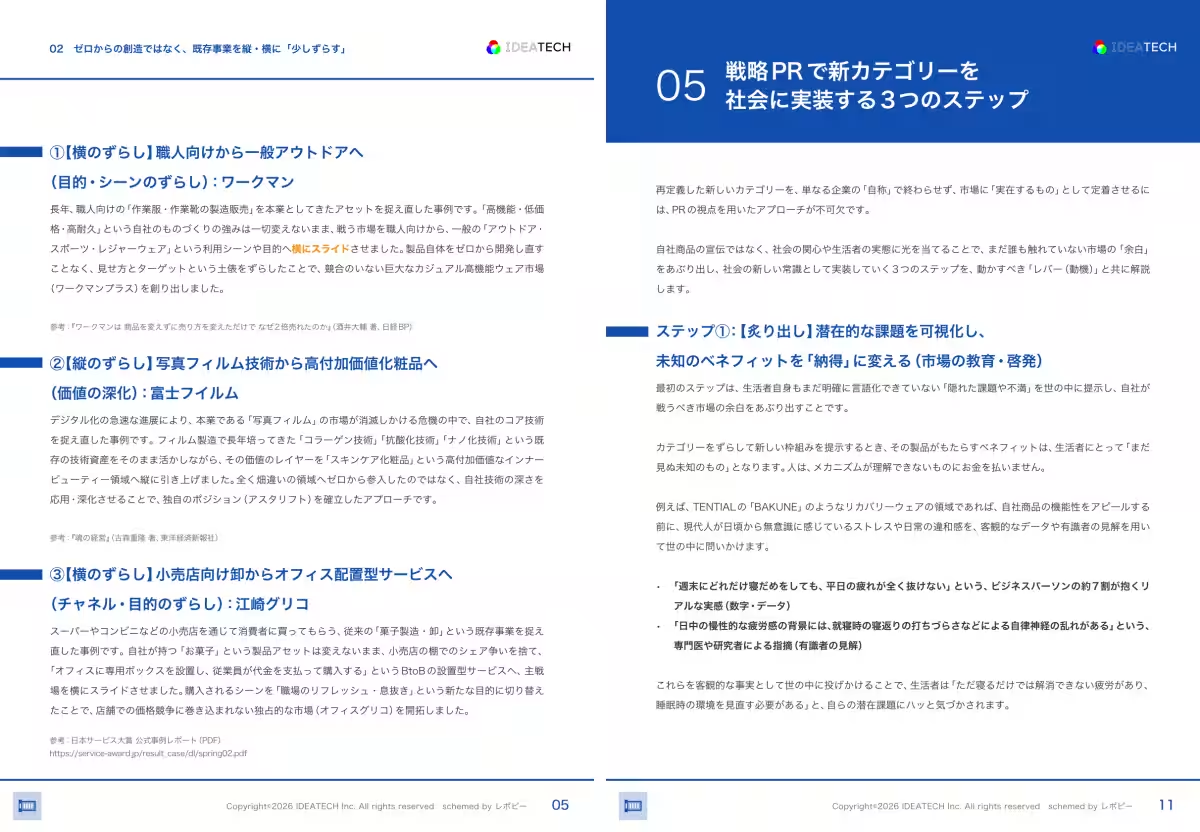
The guide underscores that overcoming stagnation is not about crafting brand-new market categories from scratch. Instead, it emphasizes subtle shifts—both vertically (depth of value) and horizontally (targeting different purposes or scenarios)—to uncover untapped market spaces. By illustrating this concept through case studies from notable companies like Workman, Fujifilm, and Ezaki Glico, the guide presents three pivotal steps for finding these market opportunities.
In addition to identifying new markets, the guide also delves into the vital role of strategic PR. To firmly establish new categories in the public consciousness, it reveals that 61.3% of respondents believe being acknowledged by third parties is crucial. Thus, creating a strategy that integrates PR as a core component of category definition is essential for long-lasting impact.
The Need for Category Strategy
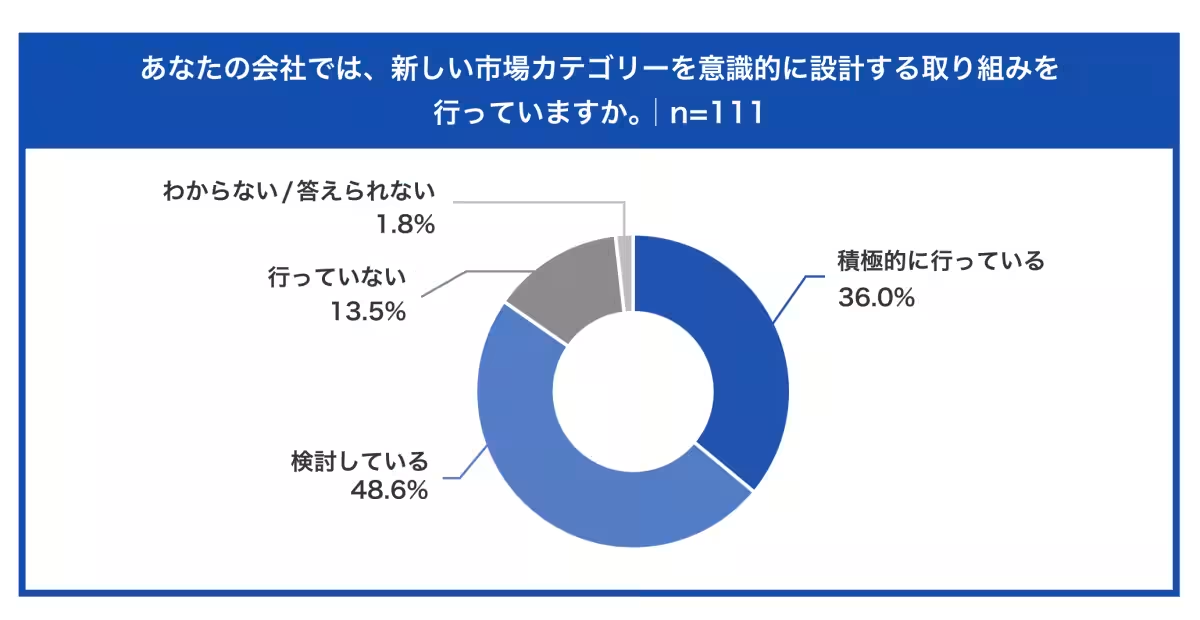
With increasing competition and rising costs of web advertising, traditional marketing tactics often fall short. Businesses that rely solely on these methods are likely to experience stagnation. The guide clearly presents data that reflects a shift in mindset; an overwhelming majority of marketing professionals (84.6%) actively pursue or consider designing new market categories. This shift in focus has led experts, including the renowned Al Ries, to advocate for a PR-focused approach as the foundation of a successful category strategy.
Steps to Implement Category Strategy
1. Assess Existing Assets: Understanding what unique resources your company already possesses is fundamental in creating a new category. This includes reflecting on current offerings and identifying aspects that can be reframed or repositioned.
2. Challenge Existing Assumptions: The next step involves questioning the norms within your industry. This may lead to innovative approaches that differentiate your offering from competitors, allowing you to create a unique market presence.
3. Reframe Evaluation Criteria: Revamping the metrics by which your products or services are assessed can unveil new market opportunities that were once overlooked.
These steps require a thoughtful approach and collaboration across various departments within a company to garner collective insights and reach effective conclusions.
PR's Role in Establishing New Categories
One of the guide's most significant insights lies in the relationship between PR and category definition. The common perception that launching a new category solely rests on the company's initiative is misleading. The guide advocates for leveraging PR to gain credibility and recognition from third-party sources, emphasizing its critical role in cementing the new market perspective in consumers' minds.
Throughout the guide, IDEATECH encourages businesses facing stagnation to consider various angles for rejuvenating their existing ventures. Whether through redefining what their services stand for or by cleverly repositioning them in the minds of consumers, the journey toward meaningful change starts with understanding and implementing a comprehensive category strategy.
For those interested in delving deeper, the guide is available for free download at IDEATECH's website. This resource is a must-read for anyone feeling the pressure of a slowing market or seeking to innovate their approach to business.
Conclusion
In conclusion, IDEATECH's guide to breaking past existing business limitations offers actionable insights into redefining market boundaries through creative strategies. With a firm emphasis on the integration of category strategies and PR, this guide is set to aid companies not only in navigating contemporary challenges but also in realizing their potential for growth in an increasingly competitive market.

Topics Consumer Products & Retail)
【About Using Articles】
You can freely use the title and article content by linking to the page where the article is posted.
※ Images cannot be used.
【About Links】
Links are free to use.