



Mitsubishi Fuso Truck and Bus Enhances Employee Sleep and Wellness Programs
Improving Employee Sleep and Wellness at Mitsubishi Fuso Truck and Bus
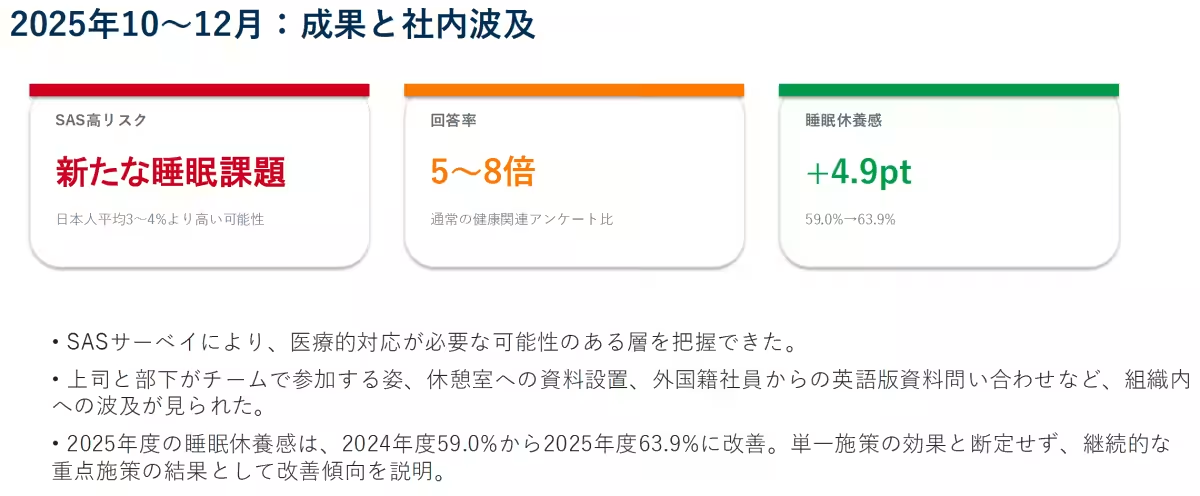
Mitsubishi Fuso Truck and Bus Corporation has taken a proactive approach to improve employee sleep and overall wellness by partnering with Neurospace, a company specializing in sleep improvement. Recently, they held a joint seminar focusing on sleep enhancement and health management within enterprises. This initiative has yielded significant results, with employee sleep satisfaction increasing from 59% to 63.9%.
Seminar Overview
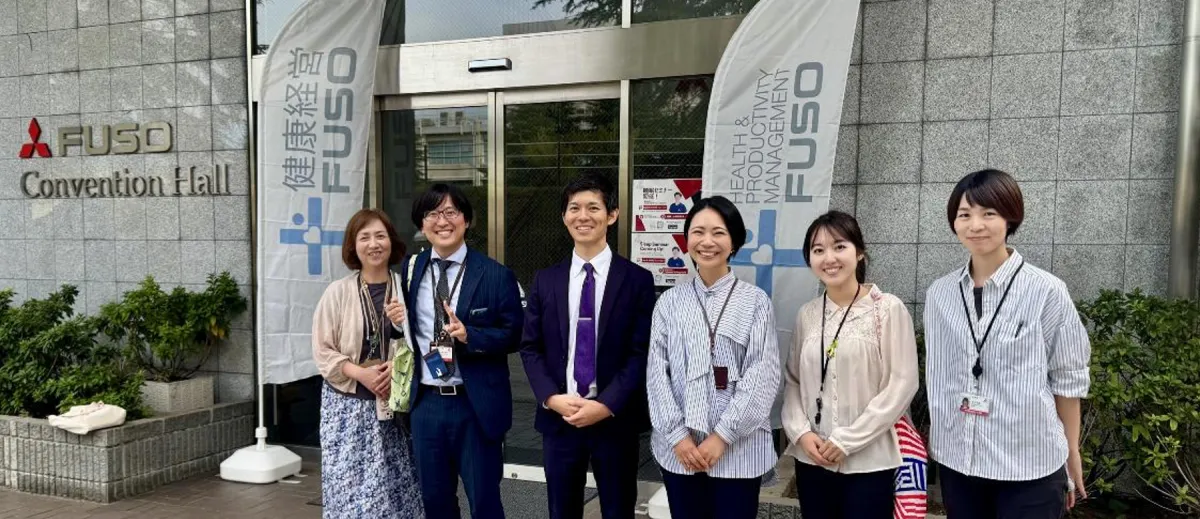
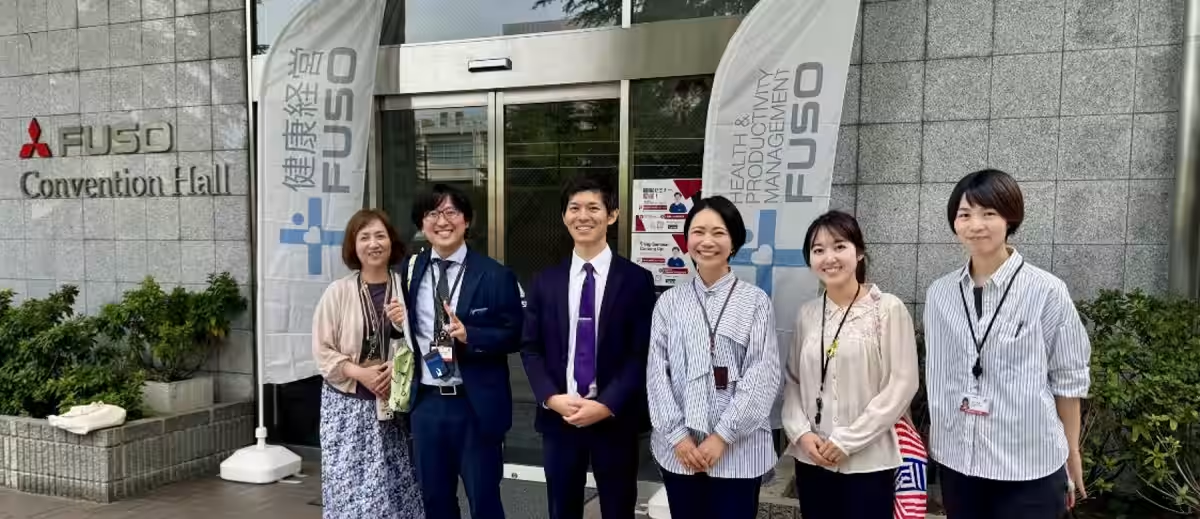
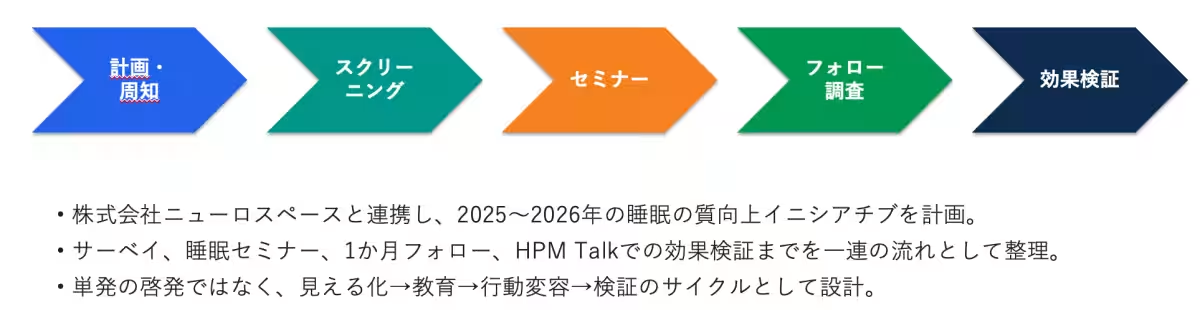
During the seminar, Dr. Takashi Ogasawara, Chief Medical Officer at Mitsubishi Fuso, detailed the company's commitment to health management with an emphasis on sleep strategies. These strategies have been an essential part of the company's health management framework since 2025. Dr. Ogasawara discussed the origins of this initiative, visible challenges, sleep apnea syndrome screenings, educational seminars, effectiveness evaluations, and future prospects through practical case studies.
In the latter part of the seminar, a panel discussion was held featuring Neurospace CEO Takashi Kobayashi. They tackled practical themes that corporate human resource and health management professionals face, such as how to maintain health initiatives beyond one-off events and effectively communicate the importance of sleep to employees.
Embracing Sleep as a Health Management Strategy
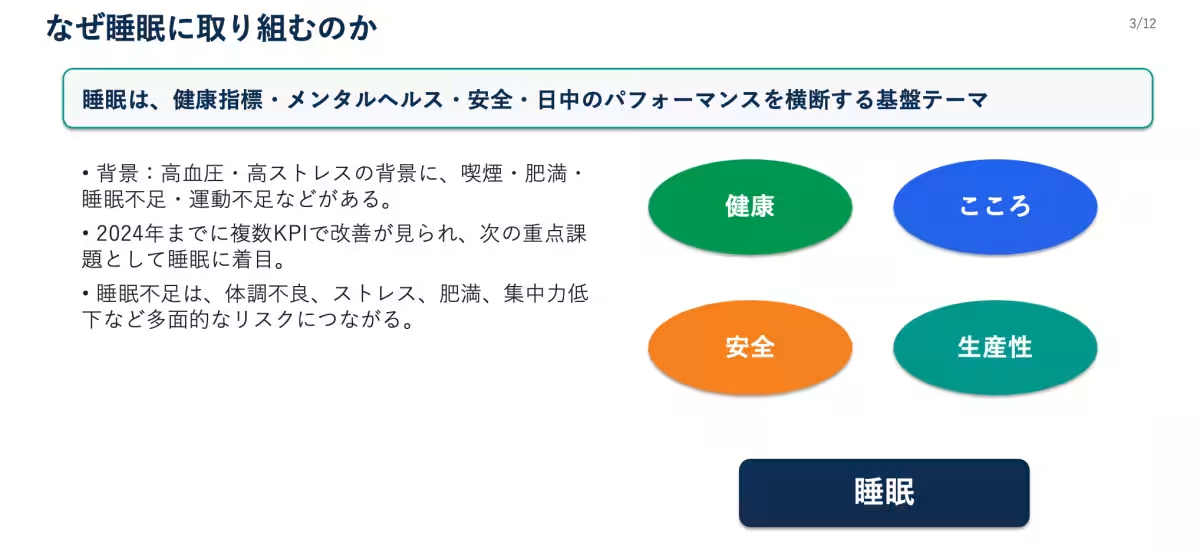
Since embarking on their health management journey in 2023, Mitsubishi Fuso has identified high stress and hypertension as key health challenges. Through detailed analysis of health data, the company recognized that sleep quality is strongly intertwined with both stress and hypertension. While other health metrics showed improvement, sleep-related KPIs fell short of targets, prompting a focused effort on sleep beginning in 2025.
Dr. Ogasawara emphasized that sleep is not just a physical health issue; it is a foundational theme that intersects with mental health, safety, and daytime performance. Given the demanding nature of jobs in truck and bus manufacturing, addressing daytime drowsiness and decreased concentration is crucial not only for employee health, but for workplace safety and productivity.
Unveiling the Sleep Challenge Through Employee Surveys
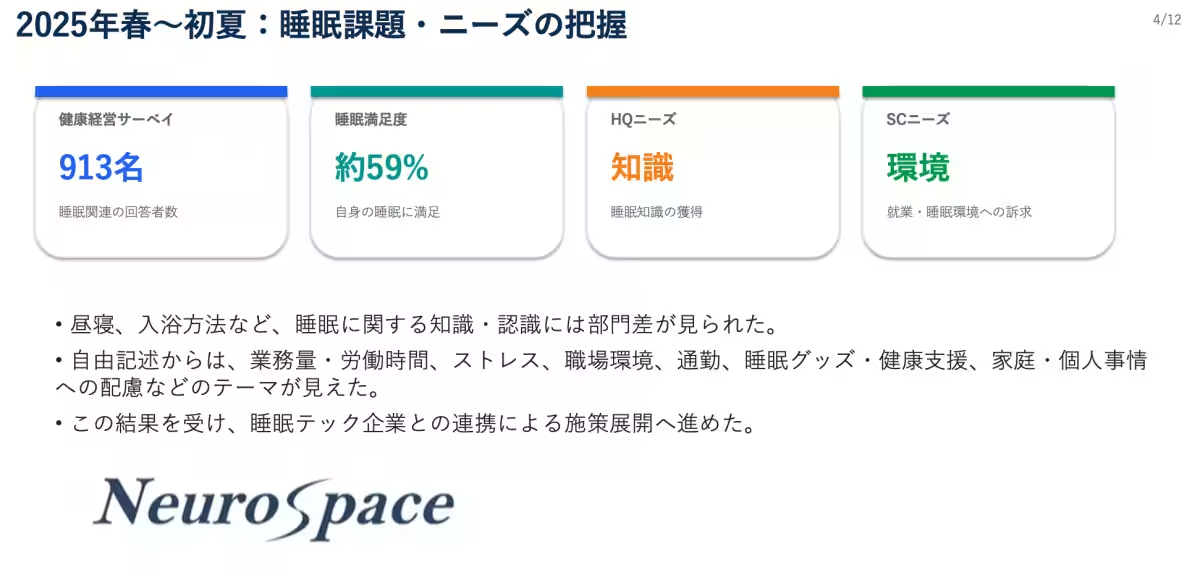
The initial step in addressing sleep issues involved conducting a survey focused on sleep among employees. Out of approximately 9,000 employees, around 900 responded, which starkly contrasts with the typical 100-200 responses seen in prior health surveys. Among those surveyed, about 59% expressed satisfaction with their sleep, revealing varied needs across different workplace sectors. Headquarters and manufacturing employees tended to seek knowledge about sleep, while those at retail locations desired improvements in their sleep environment.
This feedback led Mitsubishi to collaborate with Neurospace to design a cyclical approach involving: visualizing issues, screening, education, behavior change, and effectiveness verification.
Tackling Sleep Apnea Syndrome as a Priority
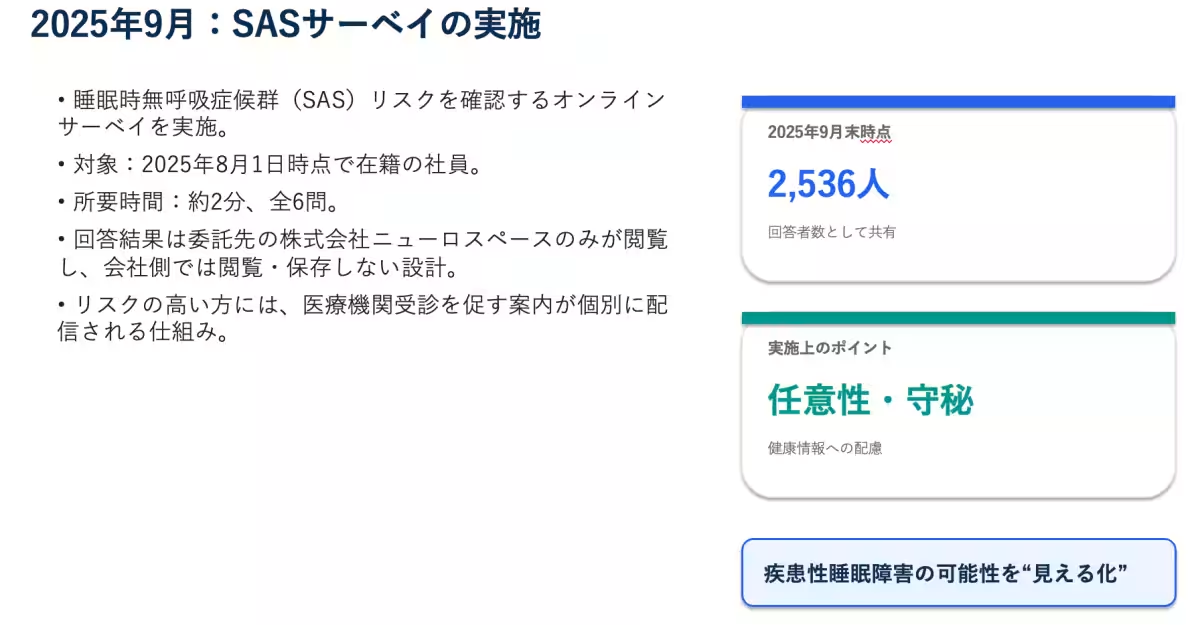
One critical area identified for focused action was sleep apnea syndrome (SAS). Mitsubishi Fuso executed Neurospace’s SAS survey, gathering responses from over 2,500 employees, indicating high engagement and concern for sleep health. Individuals' responses remained confidential, reviewed solely by Neurospace, ensuring privacy protection.
Through this survey, Mitsubishi recognized the proportion of individuals at high risk for SAS and made it a pivotal area for improvement. Rather than merely identifying problems, the company is utilizing the findings to inform educational and advocacy efforts.
Educating Employees About Sleep as a Skill
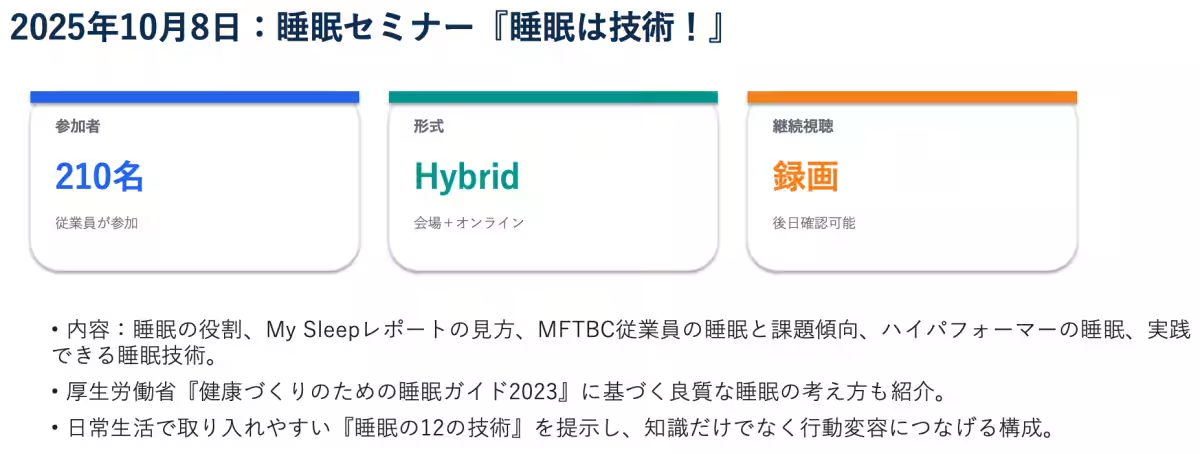
Following the SAS survey results, Takashi Kobayashi held a seminar themed “Sleep as a Skill.” The seminar offered foundational knowledge and practical “12 Techniques for Better Sleep” that employees can easily incorporate into their daily routines. Participating employees were taught strategies such as:
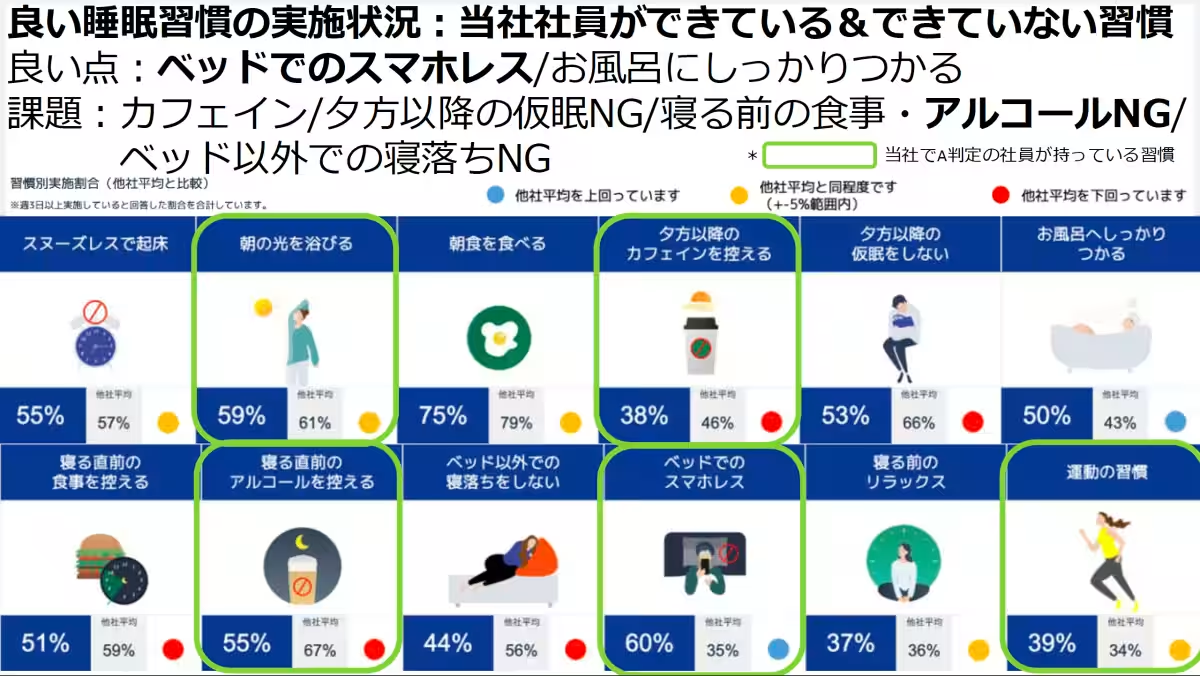
- - Relaxing before bedtime
- - Getting morning sunlight exposure
- - Limiting caffeine after afternoon
- - Reevaluating alcohol consumption
- - Reducing smartphone use in bed
- - Incorporating regular exercise
The seminar utilized multiple channels, including emails, internal media, digital signage, and posters, and was recorded for on-demand access to maximize employee engagement.
Notable Improvements in Sleep Recovery Scores
Throughout these undertakings, notable changes in the company's sleep recovery scores emerged. The indicator, which initially stood at approximately 59%, climbed to an impressive 63.9% over one year. Importantly, this information was not merely retained by health management but was reported to top management, aligning with their long-term health management goals for 2026 and beyond.
Future Steps in Employee Sleep Initiatives
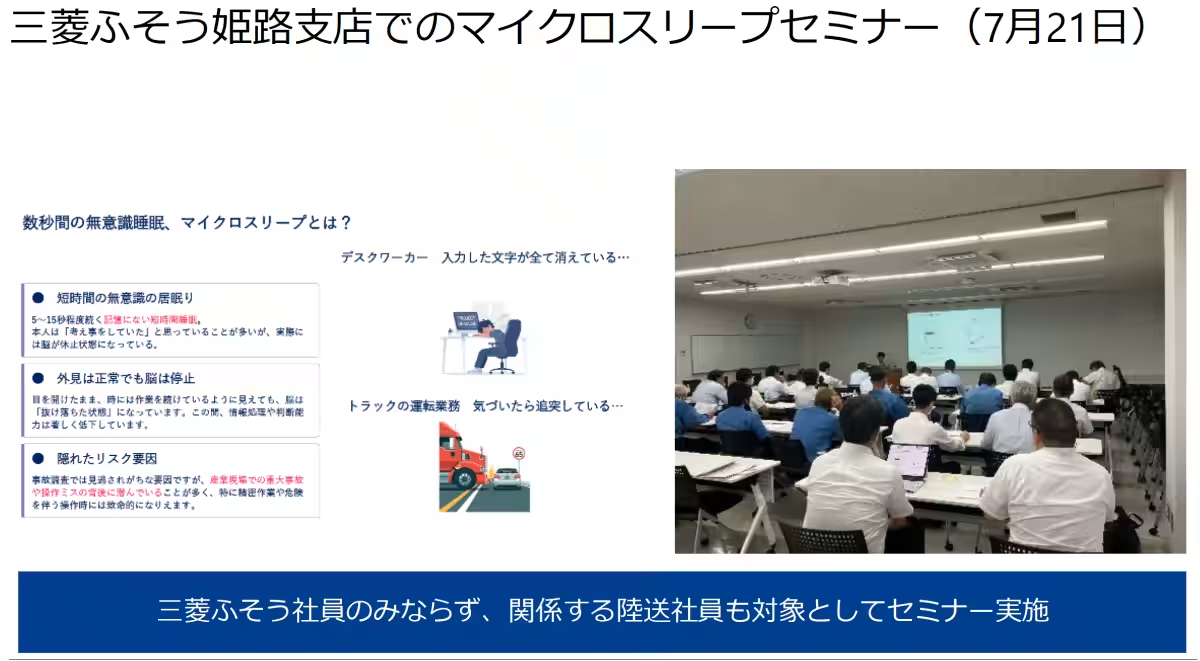
By 2026, Mitsubishi Fuso plans to implement the Neurospace “MySleep” sleep checks, informing employees about shared habits among individuals with healthy sleep patterns and lingering sleep challenges tailored to the workforce. Specialized sleep training related to job functions, like training for truck drivers on the risks of micro-sleep, is also anticipated.
Expanding Support for Families and Colleagues
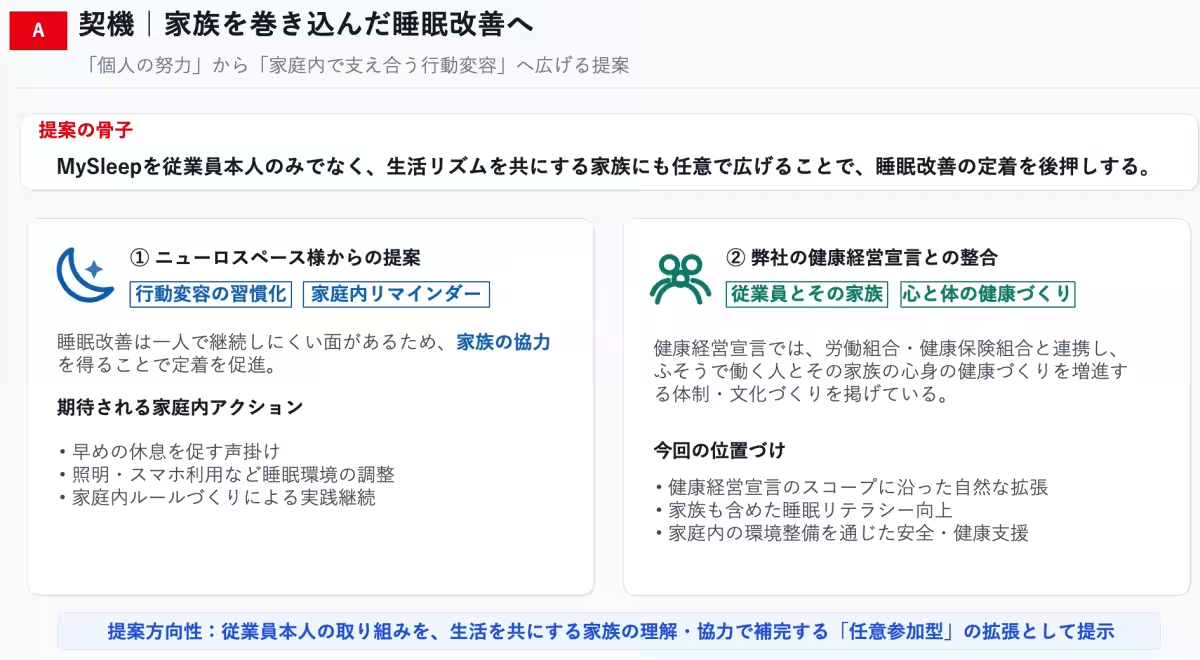
The company aims to broaden its infrastructure to not just support employees but also their families. Starting October 2026, the “MySleep” program is expected to extend to cohabitating family members. Mitsubishi Fuso’s health management declaration emphasizes the mental and physical well-being of both employees and their families.
Plans are also underway to include contractors and temporary workers in the SAS survey outreach.
Establishing Long-Term Health Initiatives
During the panel discussion at the seminar, the importance of transforming health initiatives into sustainable practices was highlighted. Ensuring that health promotions do not remain as isolated events, but as components of a continuous cycle of evaluation, is crucial.
Dr. Ogasawara stressed the importance of defining the challenges faced, visualizing desired outcomes, recognizing gaps, and implementing feasible solutions.
Engagement Through Enjoyable Health Practices
In discussing strategies for promoting health initiatives, the necessity of addressing employee concerns was emphasized. Introducing enjoyable elements, along with health benefits, can significantly improve employee participation in health programs. Mitsubishi Fuso has assigned “Health Promotion Ambassadors” to encourage internal dissemination of health information and recognises departments for undertaking unique health actions, fostering a culture of health-oriented practices.
Neurospace’s Commitment to Effective Sleep Solutions
Neurospace has transformed the conventional approach, emphasizing that sleep improvement extends beyond initial assessments. Their methods include:
- - Visualizing challenges
- - Identifying risks
- - Providing accurate knowledge and actionable solutions
- - Encouraging behavioral changes
- - Evaluating effectiveness
- - Reporting to management and aligning future actions
To conclude, Neurospace continues to support Mitsubishi Fuso Truck and Bus in fostering better sleep health and overall wellness among employees, contributing to enhanced safety, mental health, and productivity in the workplace.


Topics Health)








【About Using Articles】
You can freely use the title and article content by linking to the page where the article is posted.
※ Images cannot be used.
【About Links】
Links are free to use.