




Free Access to 'AI Era: First Steps in Judgment Design' - A Key Resource
Introduction
In response to feedback following the release of the main content, Request Inc. is pleased to announce the free distribution of a 9-page document titled 'AI Era: First Steps in Judgment Design'. This initiative is designed to support individuals and organizations as they navigate the complexities of decision-making in an AI-driven environment.
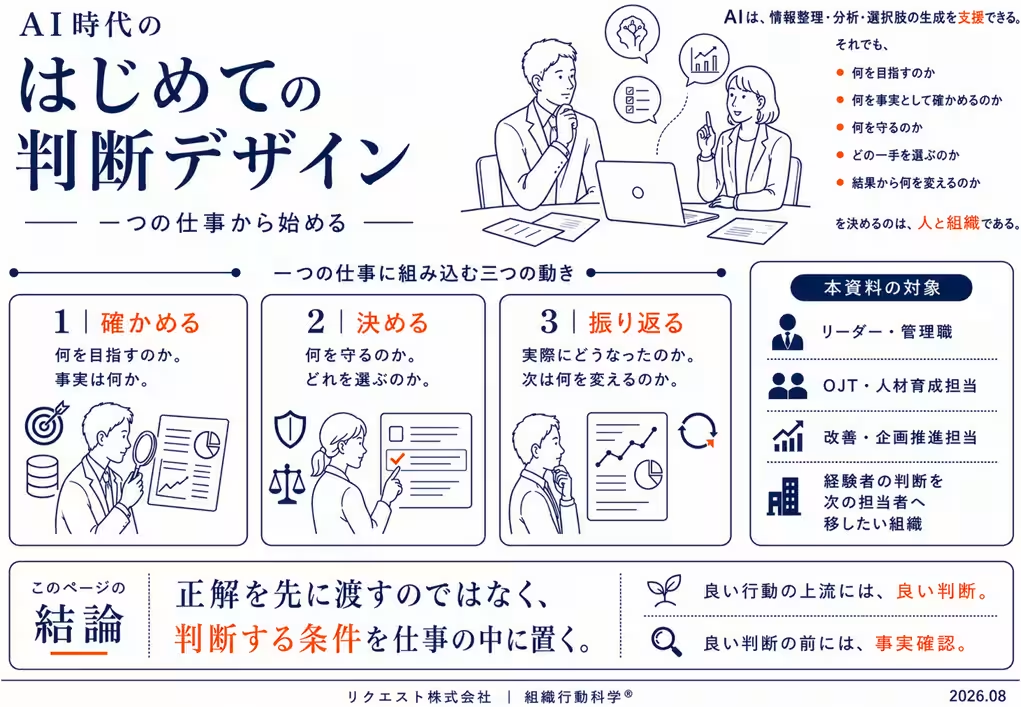
The document aims to distill essential concepts for those new to judgment design, helping them grasp critical questions such as: "What is this design approach intended for?" "Where should I start?" "How to integrate AI and human judgment?" and "How can experiences be preserved for future use?"
Background of the Free Release
The initiative stems from previous engagement where the 17-page main content was distributed as part of corporate training programs. Since its release on August 16, 2026, we've received various responses:
- - Some found the material somewhat complex to fully comprehend.
- - Others felt overwhelmed by the amount of information in the visuals, unsure which part to focus on initially.
- - A common sentiment was the desire for a quicker way to grasp the overall picture before diving into details.
The feedback emphasized the need for a more accessible introduction to judgment design, specifically for those unfamiliar with it. Instead of merely condensing the main document, we have restructured it into a concise format that highlights key principles and offers a clear path leading to practical implementation.
Key Elements of the Essence Edition
1. Understand the Overall Concept
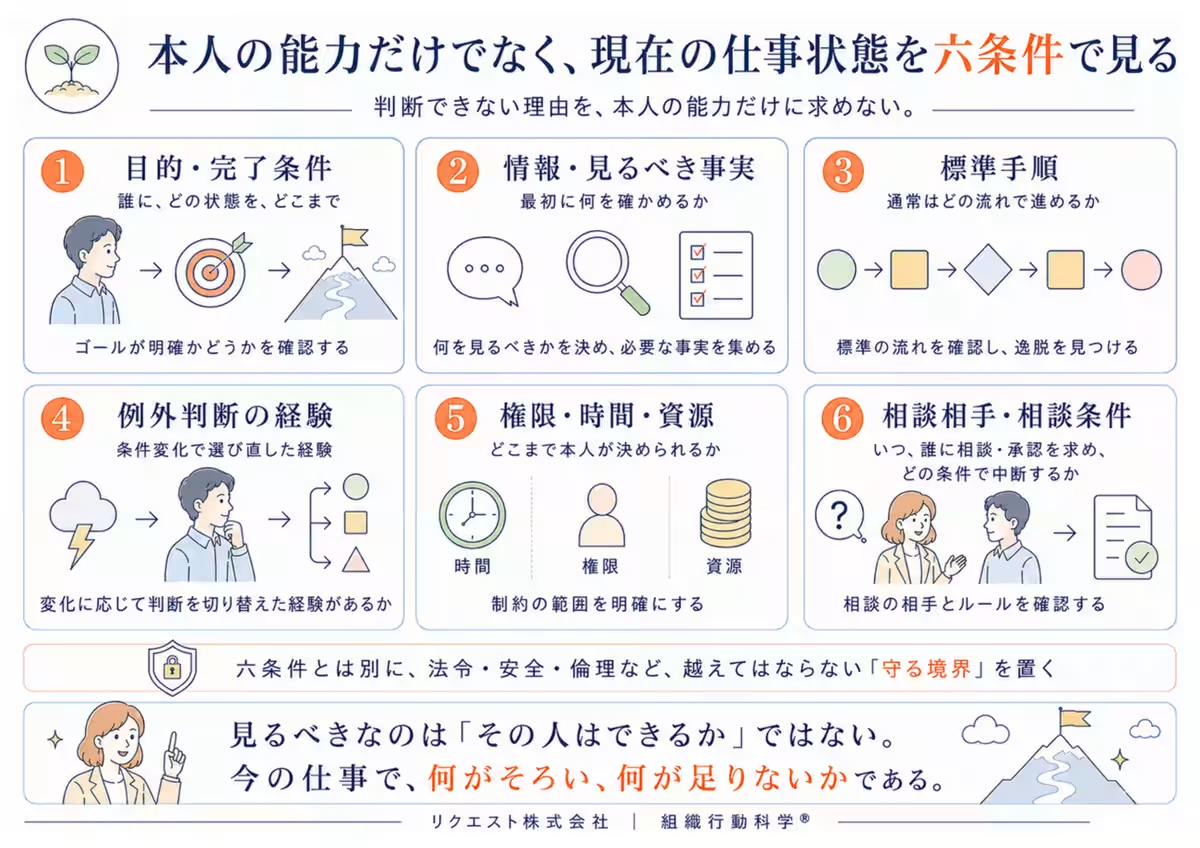
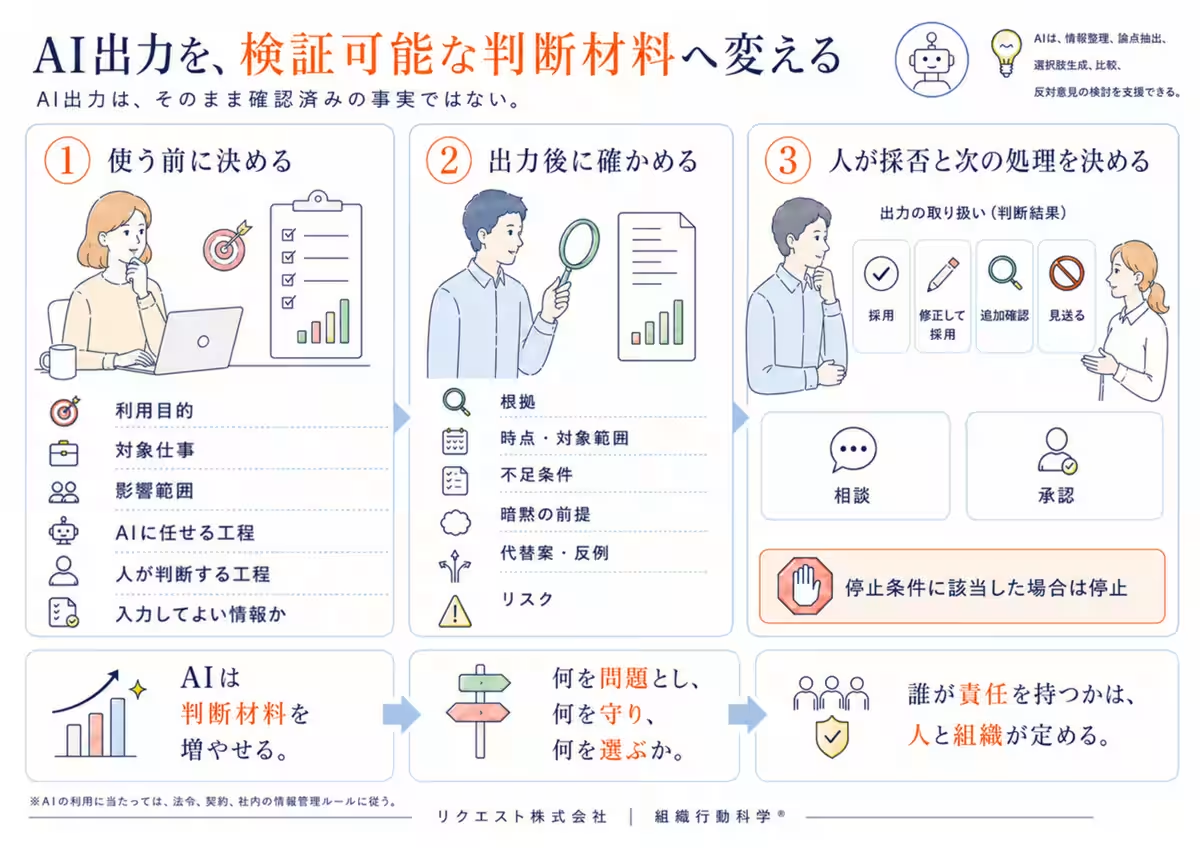
This edition allows new learners to quickly visualize the goals and relevance of judgment design within the context of AI-driven work. The narrative starts by presenting the broader picture, guiding users through fundamental concepts before delving deeper into specifics.
2. Start Small with Practical Applications
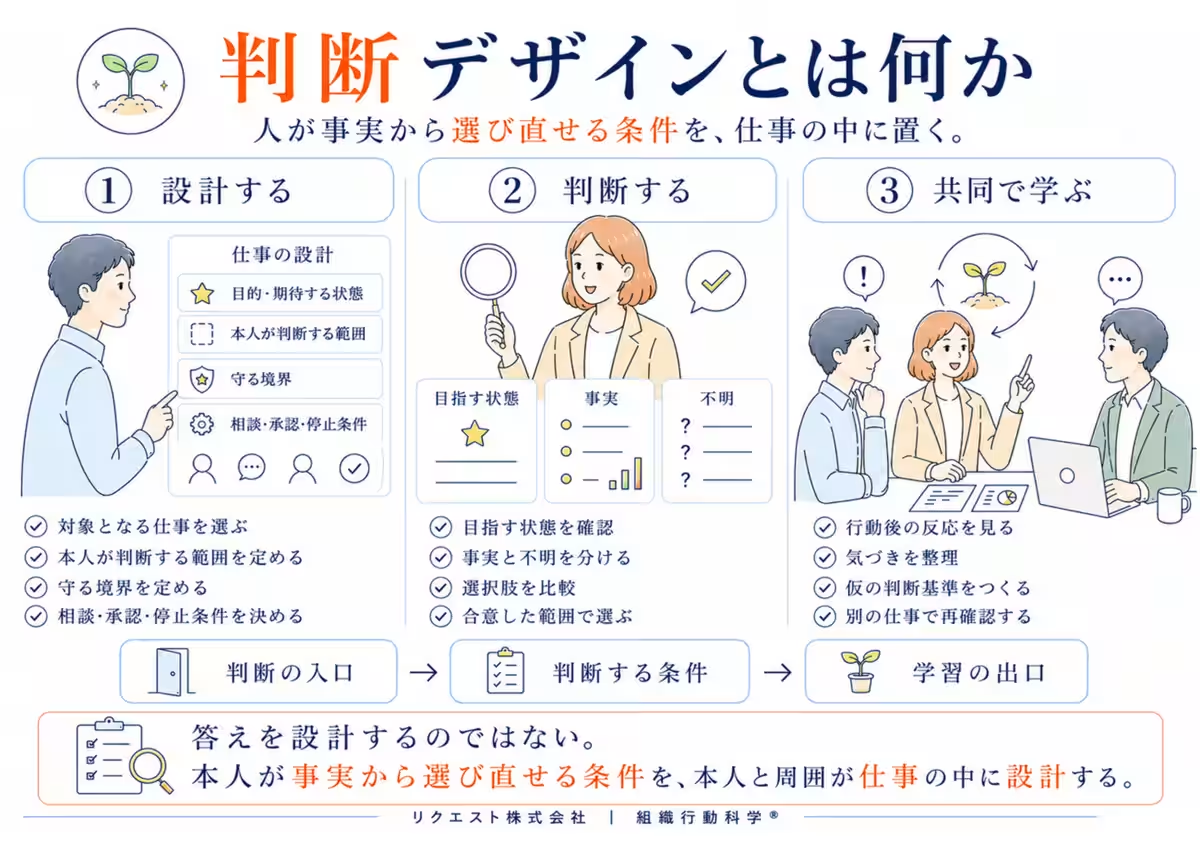
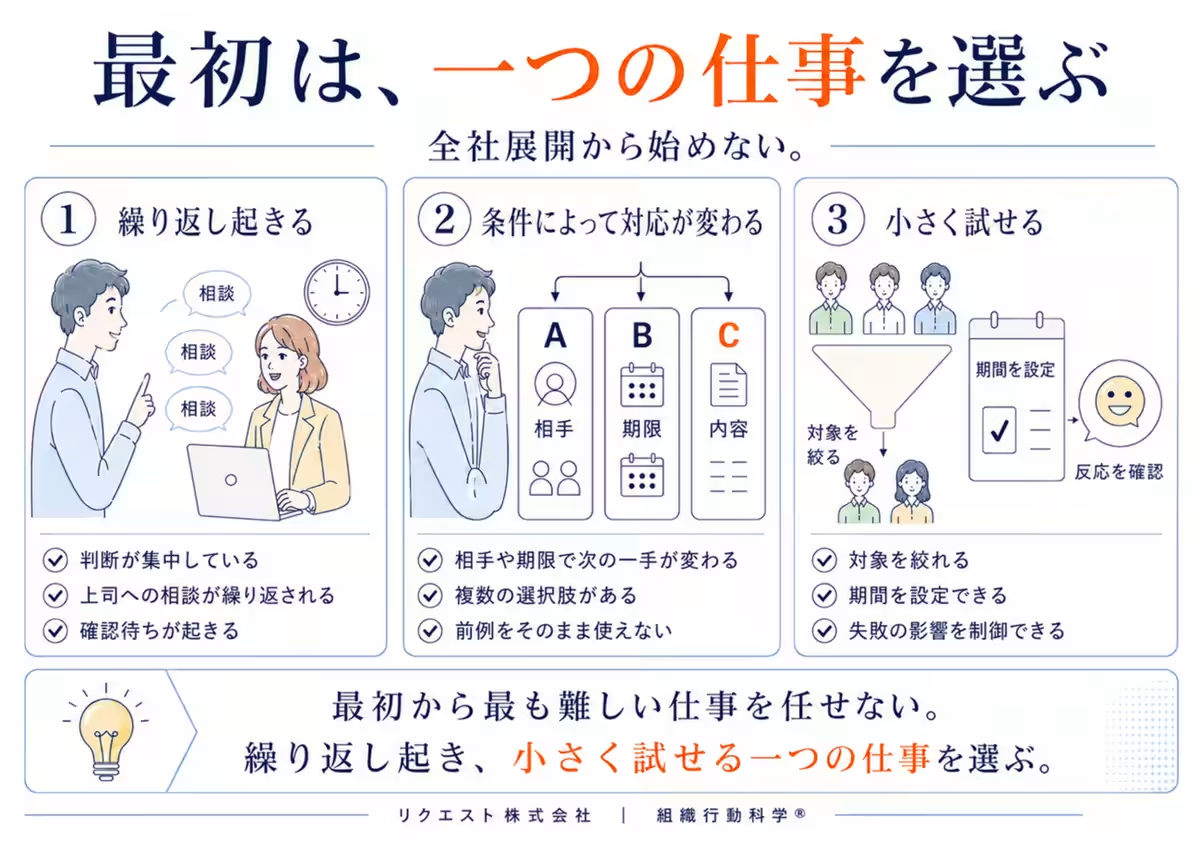
Judgment design does not necessitate immediate organization-wide implementation. Instead, it encourages individuals to take practical steps by applying the principles to a manageable task at hand. This approach is illustrated visually to ease understanding of how one might begin incorporating judgment design into their daily operation.
3. Focus on Retaining Judgment Experience
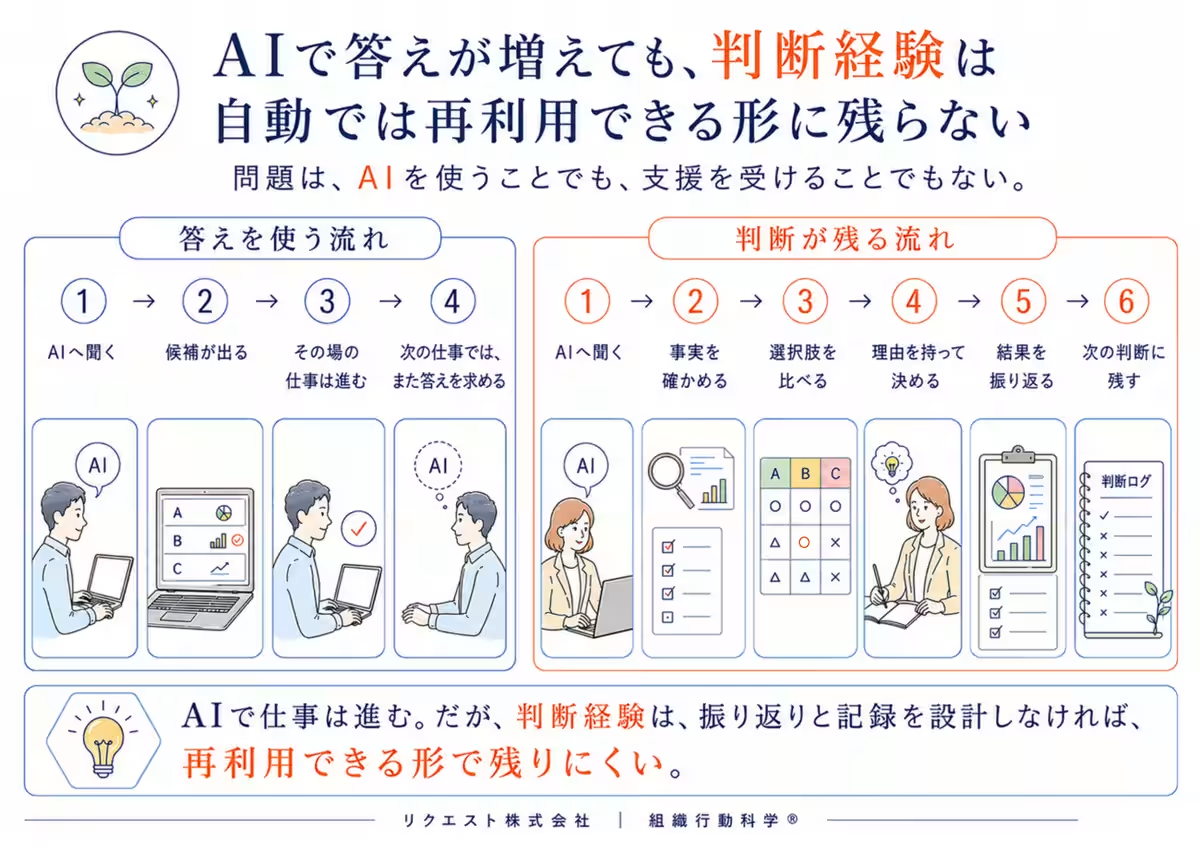
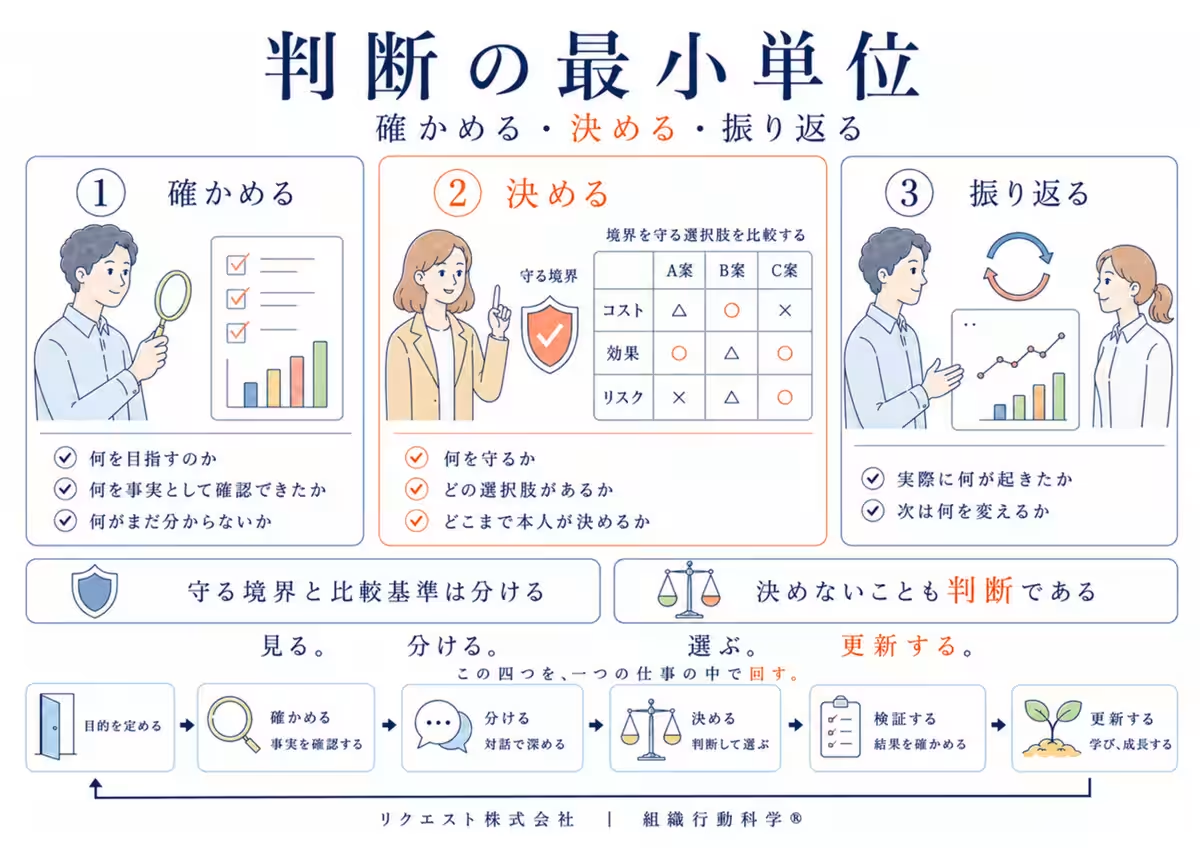
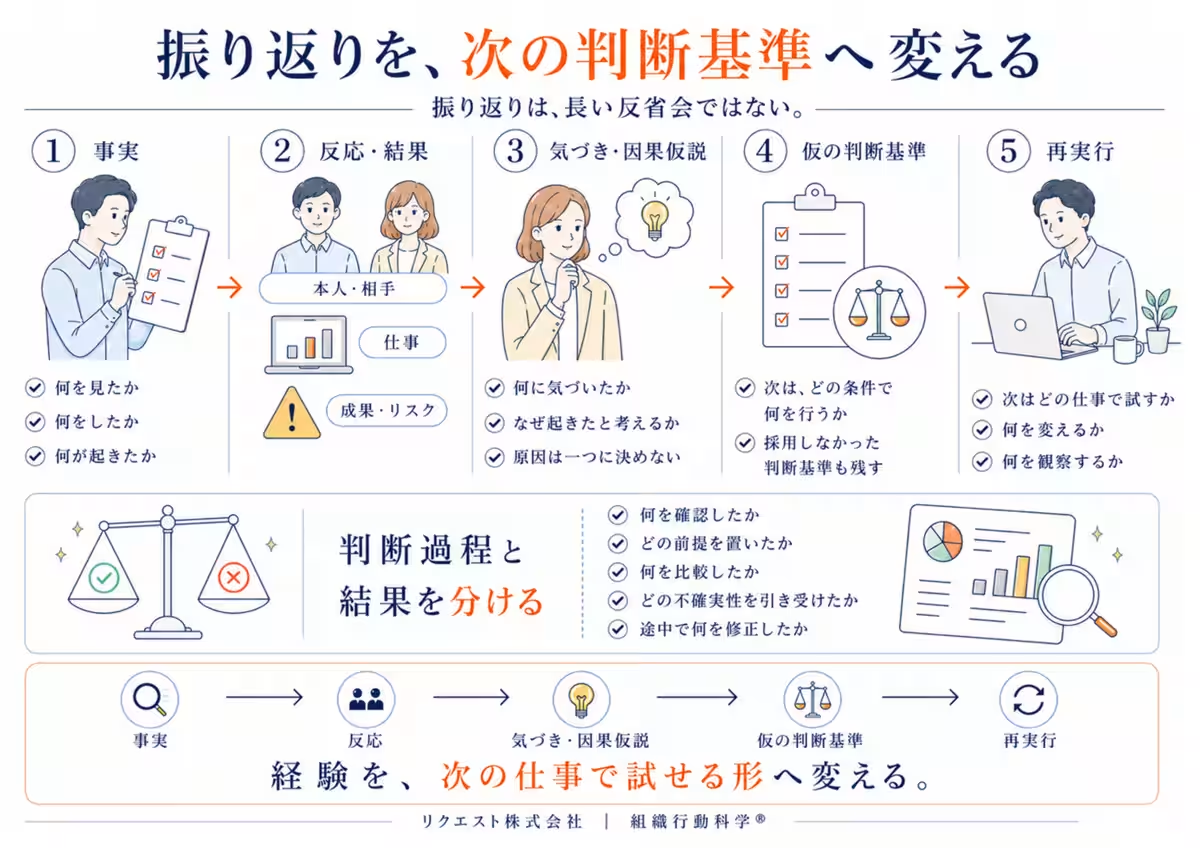
While AI serves as a powerful tool for productivity, it is critical to focus on what remains afterwards for people and organizations. The latter part of the essence edition details how to leverage AI outputs to inform future decisions, creating a cycle of learning and improved judgment.
Differences Between the Main Edition and the Essence Edition
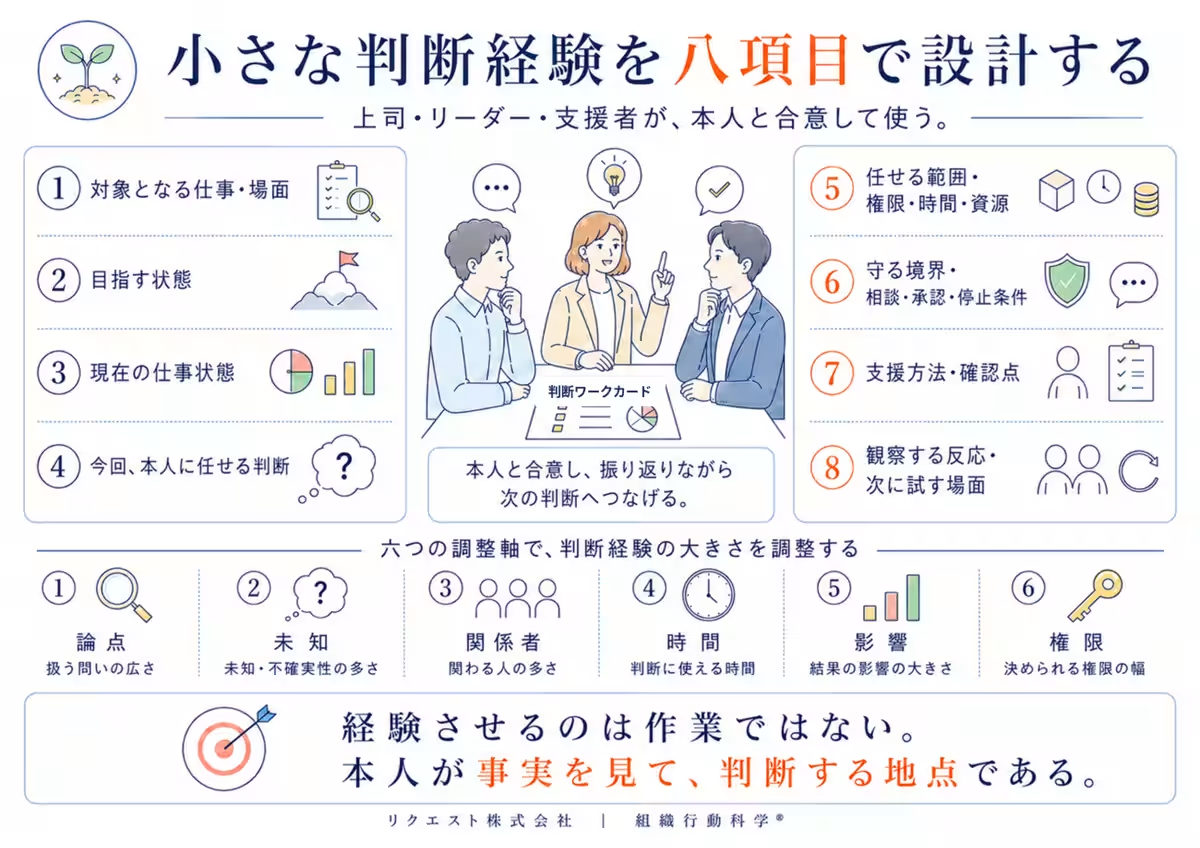
The essence edition prioritizes understanding the totality and practical entry points of judgment design. In contrast, the main content of 17 pages is more comprehensive, including detailed design elements, judgment cards, implementation strategies, and essential theoretical references.
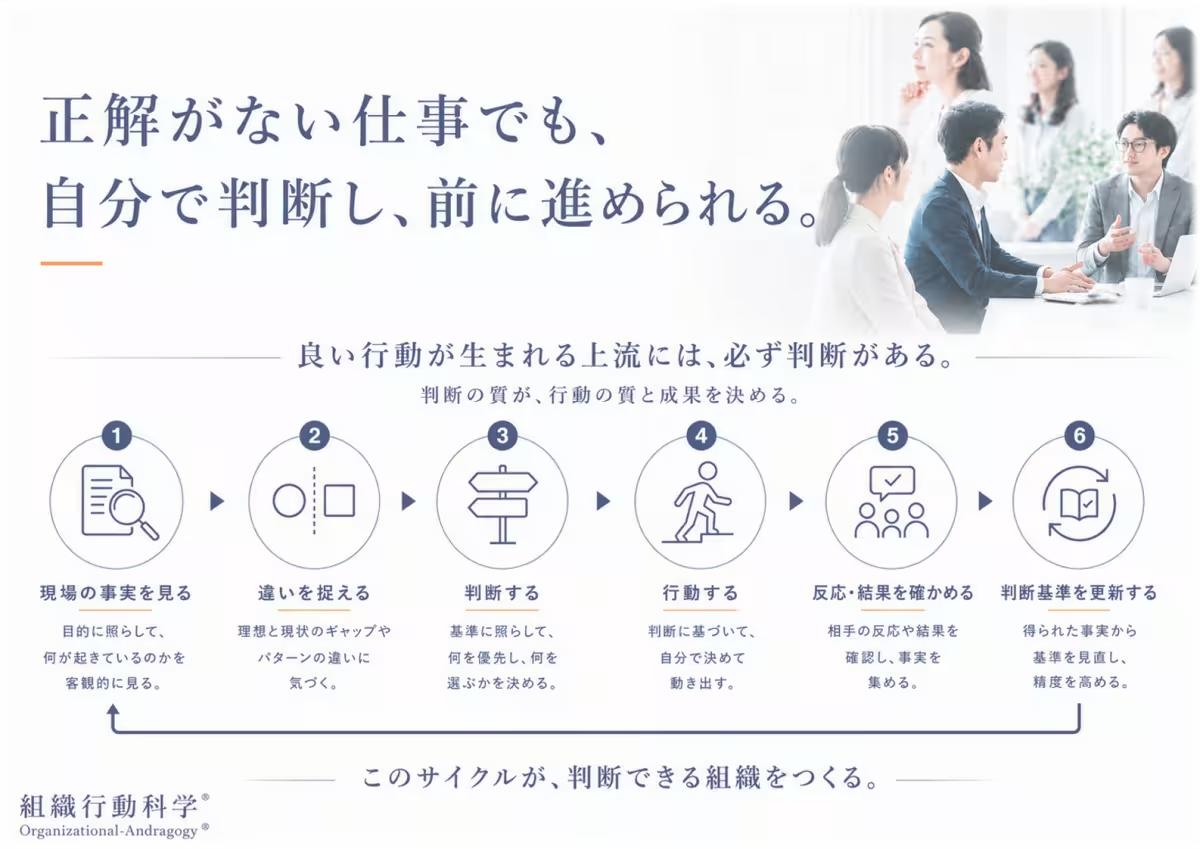
The goal here is to provide a streamlined approach to understanding: "Learn the principles ➡ Choose a task ➡ Start small ➡ Evaluate AI outcomes ➡ Update judgment criteria based on results."
This essence edition does not replace the comprehensive main guide; instead, it acts as an initial stepping stone. For detailed implementation and operations, users should refer to the main document while considering necessary legal, contractual, ethical, and organizational guidelines.
Target Audience
The essence edition caters to:
- - Organizations utilizing AI that seek clarity on human judgment roles.
- - Work environments where decision-making heavily relies on a few experienced individuals.
- - Personnel responsible for on-the-job training, skills development, and management training.
- - Those who feel that simply providing answers may stifle adaptability.
- - Individuals wanting to pass on judgment experience between successive team members.
- - Teams aiming to transform reflections into actionable future tasks.
Related Releases
In addition, the full 17-page main content of 'AI Era: First Steps in Judgment Design' is also available for free. This document elaborates on how to create a workflow allowing facts, choices, and judgment criteria to evolve through practical application. The essence edition is tailored to complement this and foster common language for discussions around judgment in the workplace.
About Organizational Behavior Science
Organizational Behavior Science® aims to illuminate the reasons behind and persistence of human thought and action within organizations, drawing from environmental influences and historical experiences. Request Inc. utilizes data from 980 companies and 338,000 individuals to develop educational resources that enhance workplace behaviors and foster better decision-making practices.
Company Overview
Company Name: Request Inc.
CEO: Tomoyasu Kohata
Location: 4F Keio Flente Shinjuku 3-4-8, Shinjuku, Tokyo, 160-0022
Business Summary: Request Inc. focuses on leveraging data from over 980 companies and 338,000 workers to facilitate research and educational development aimed at enhancing workplace behavior, driven by the philosophy of 'For Better.'
Official Website: Request Inc.
Company Profile: Corporate Profile
Management Profile: Management Profile



Topics Business Technology)
【About Using Articles】
You can freely use the title and article content by linking to the page where the article is posted.
※ Images cannot be used.
【About Links】
Links are free to use.