



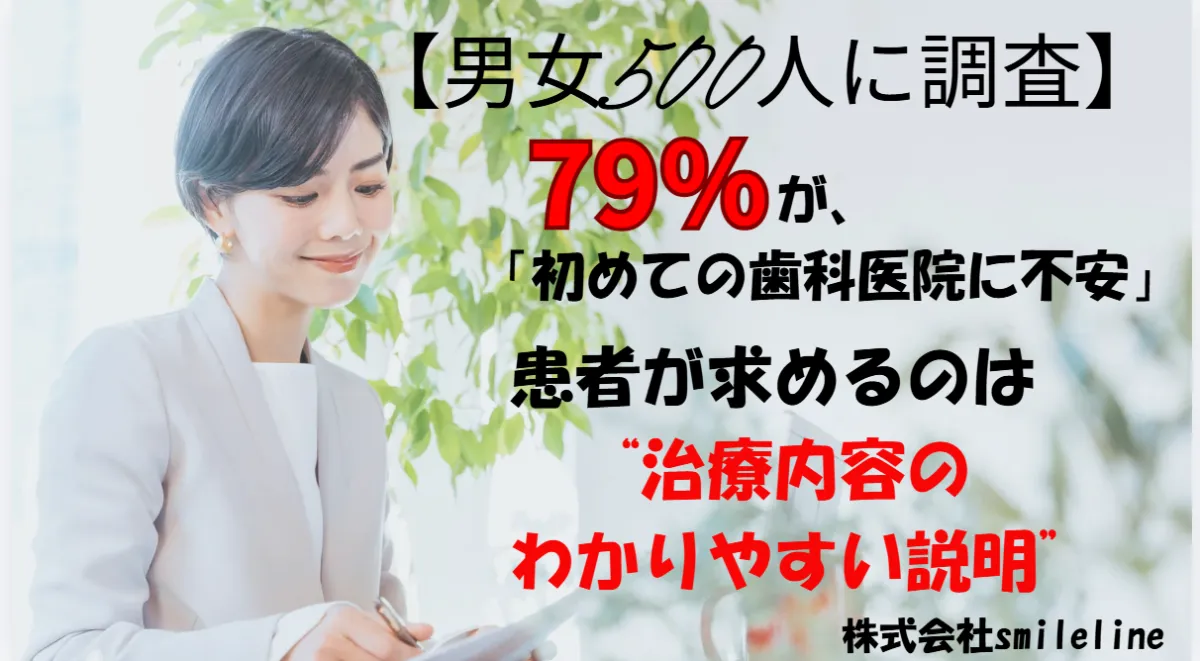
Exploring Dental Anxiety: Insights from a Survey of 500 Individuals on First-Time Dentist Visits
Understanding Dental Anxiety: Results from a Survey
Visiting a dentist for the first time can evoke feelings of anxiety in many individuals. To delve deeper into this subject, we collaborated with Komagome Station Dental Clinic to conduct a survey among 500 men and women across Japan. This survey aimed to explore their sentiments regarding their very first dentist appointments, focusing on factors influencing their anxiety levels and overall satisfaction.
Key Findings: A Prevalent Sense of Anxiety
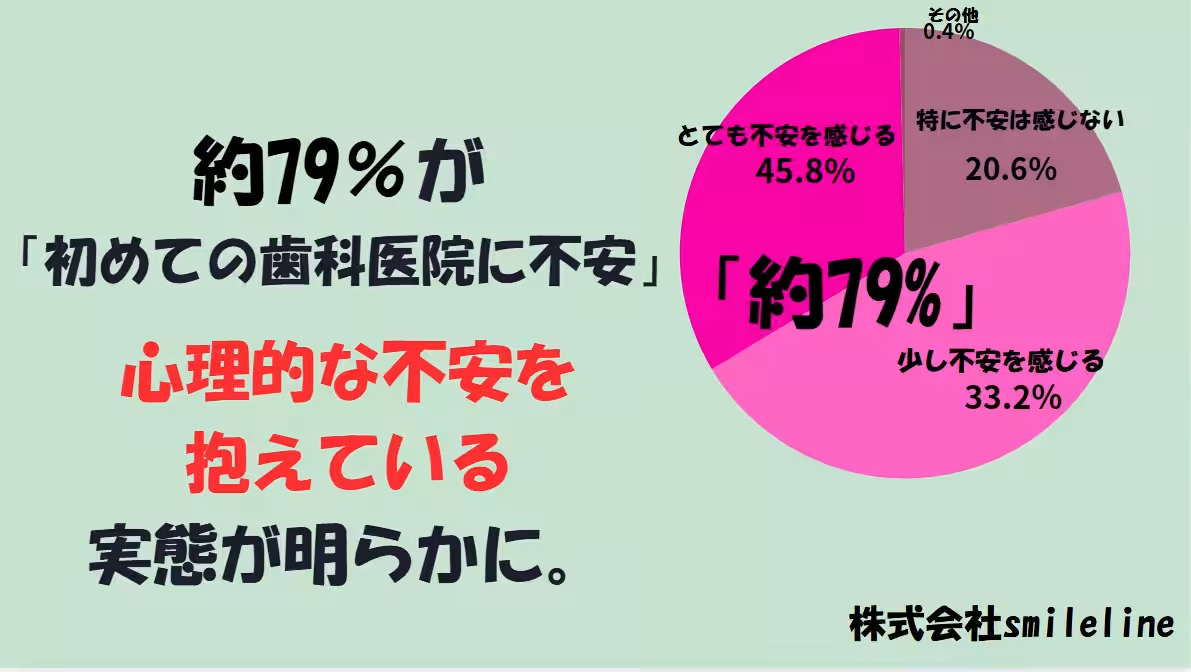
A staggering 79% of respondents reported experiencing anxiety or worry before their first dental visit. The breakdown of their responses revealed that:
- - 45.8% felt somewhat anxious
- - 33.2% felt very anxious
- - Only 20.6% expressed that they felt no anxiety at all
The results suggest that the initial visit to a dentist remains a significant psychological hurdle for many. Furthermore, a notable difference in anxiety levels was evident between genders, with women (42%) reporting higher levels of anxiety compared to men (27.3%). The experiences narrated by individuals highlighted their fears, often rooted in past negative encounters with dental care. One respondent recounted a disturbing experience where a tooth was extracted without any explanation, underscoring the need for better communication.
The Tenacity of Anxiety During Treatment
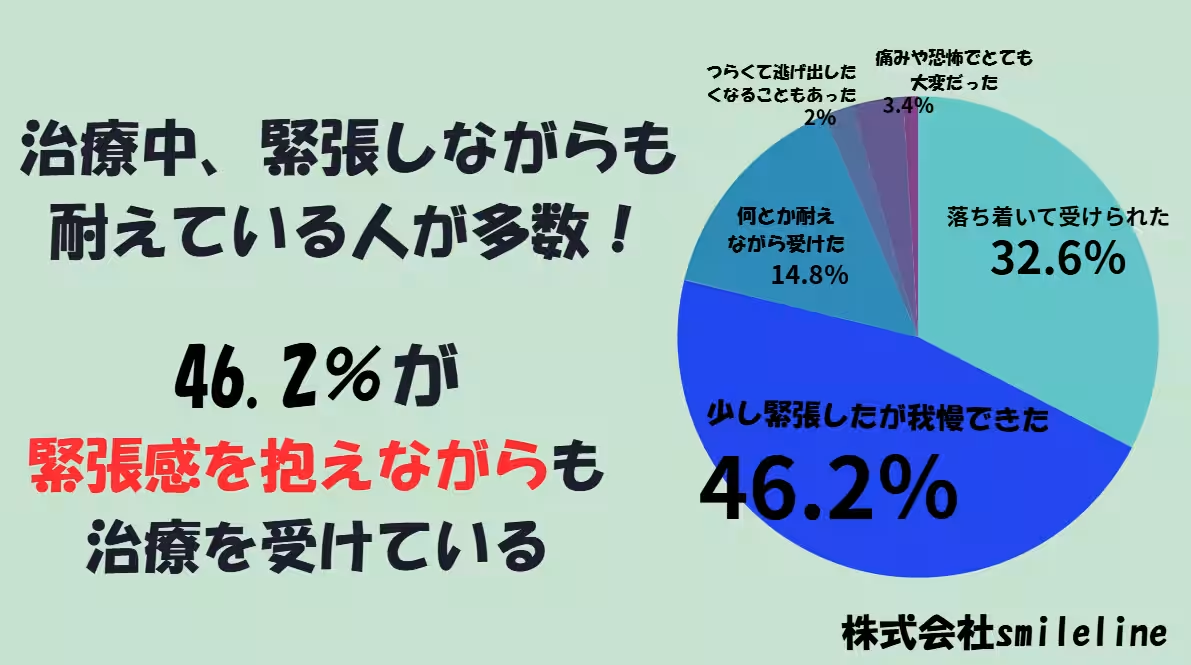
When asked about their feelings during treatment, a significant number of individuals (46.2%) admitted to enduring tension while sitting in the dental chair. Specifically:
- - 46.2% felt slightly anxious but managed to endure
- - 32.6% felt calm
- - 14.8% struggled to tolerate the procedures
This indicates that a majority of patients do not leave their discomfort at the door when entering the dentist's office. Ensuring a calming environment and ongoing verbal assurance from dental staff can greatly mitigate this stress. Reactions during treatments varied, with comments about discomfort and concerns regarding treatment costs surfacing from participants.
What Provides Comfort? The Role of Information
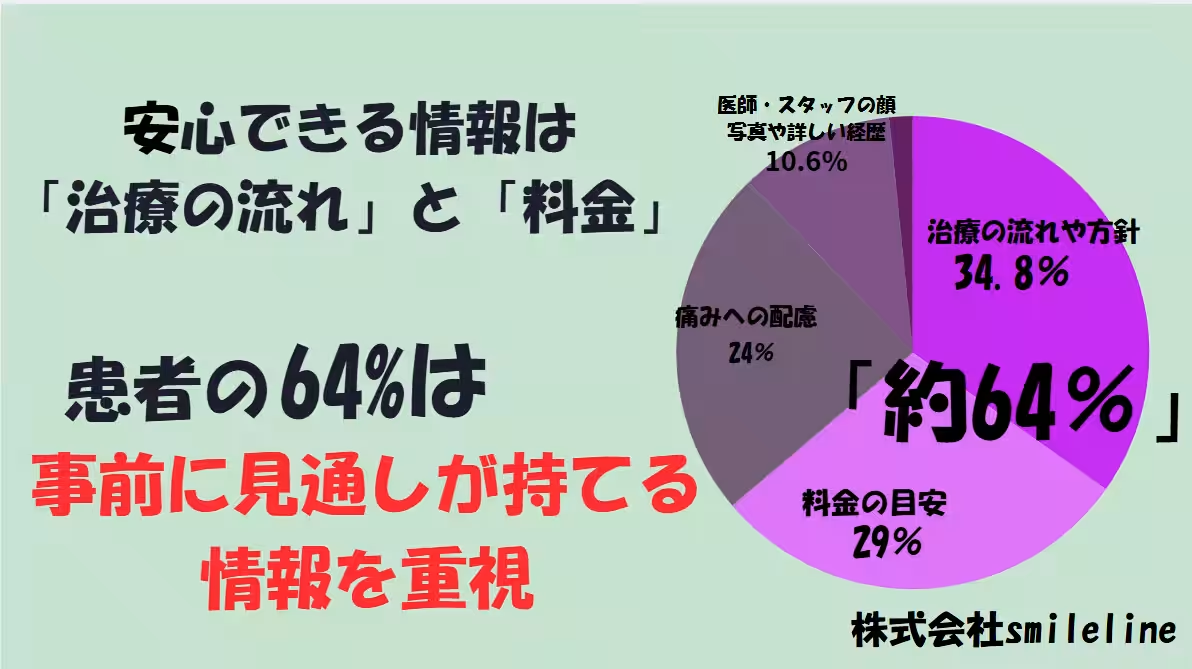
Interestingly, when asked what information helped soothe their anxieties before a dental visit, respondents identified two main areas that fostered a sense of security:
- - 34.8% rated the clarity of treatment plans and procedures as highly reassuring
- - 29.0% highlighted knowing the costs involved as crucial
- - 24.0% expressed that pain management considerations also eased their worries
These insights reveal a clear inclination towards needing straightforward communication regarding treatment processes and financial implications rather than solely relying on the dentist's credentials.
Comfort in the Chair: Moments of Assurance
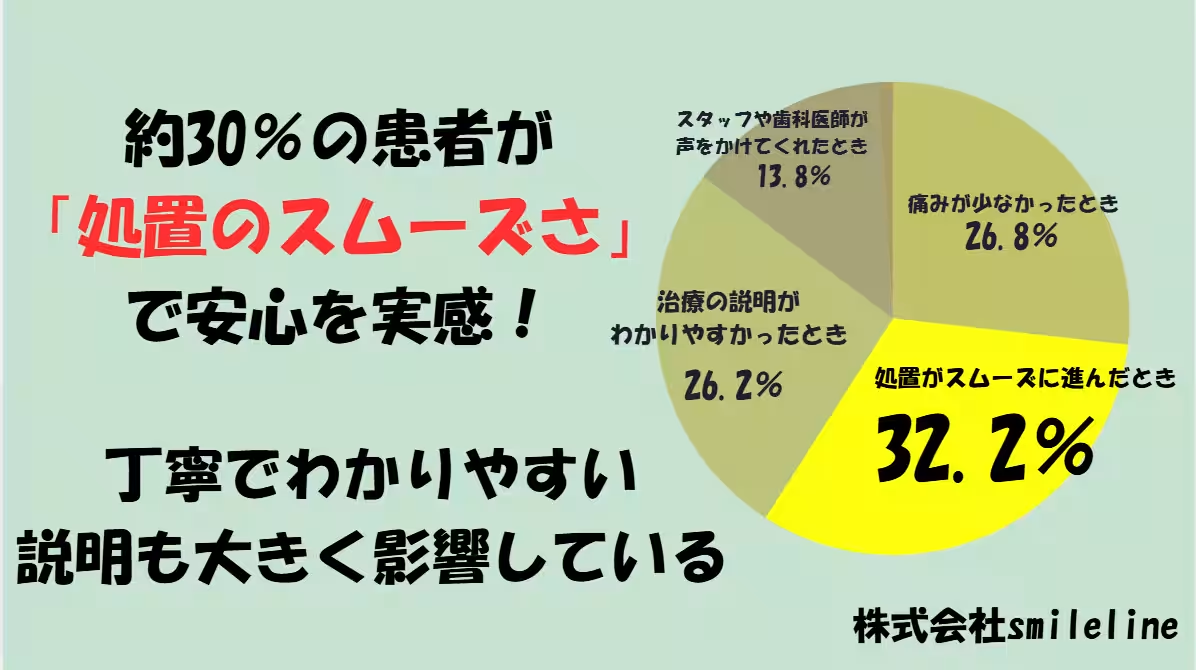
During the treatment, it was revealed that patients feel reassured when:
- - 32.2% experienced smooth procedures
- - 26.8% encountered minimal pain
- - 26.2% received clear explanations of what was happening
The emphasis on efficient treatment and gentle handling directly correlates with the level of patient trust and comfort felt in the dental chair.
Staff Interaction: Areas for Improvement
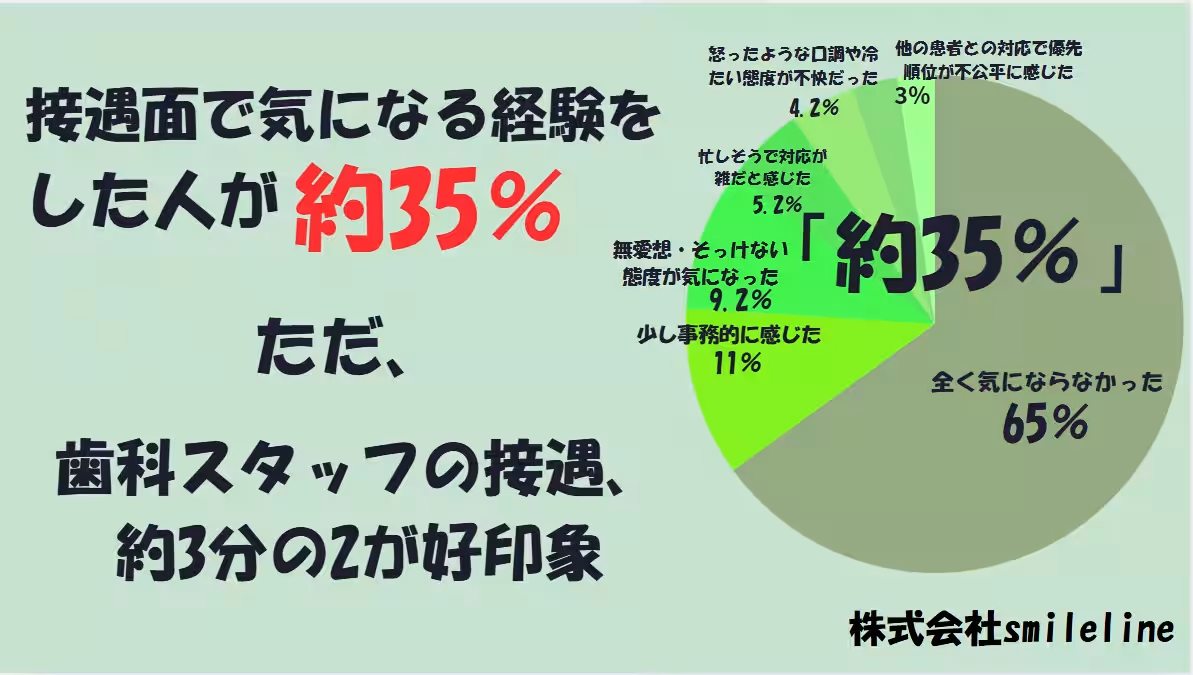
While a commendable 65% of respondents found the dental staff to be friendly and attentive, approximately 35% noted concerns. Common complaints included staff coming off as too formal or unsympathetic.
Key Concerns Raised:
- - Lack of communication from staff
- - Perceptions of rudeness or indifference
This feedback highlights the need for dental practices to train staff in effective communication and empathetic engagement with patients.
The Importance of Detailed Explanations
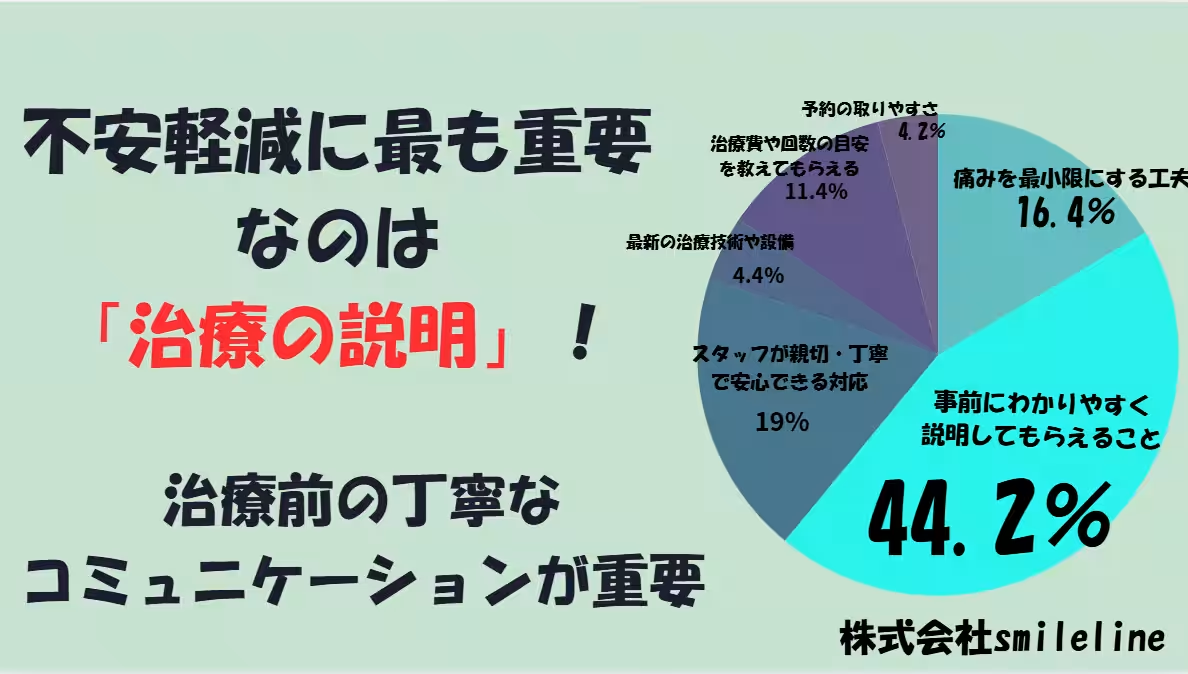
The findings indicate that patients place the highest importance on receiving comprehensive and reassuring explanations of treatment procedures as a way to alleviate their anxiety. Specifically, 44.2% identified this as the most vital factor for easing their dental apprehension.
Additional Insights:
- - 19.0% valued kind staff interaction
- - 16.4% prioritized minimizing pain
Here, the emphasis on thorough explanations surpassing concerns over pain illustrates that knowledge and understanding are paramount in reducing anxiety.
Loyalty Factors: Why Patients Return
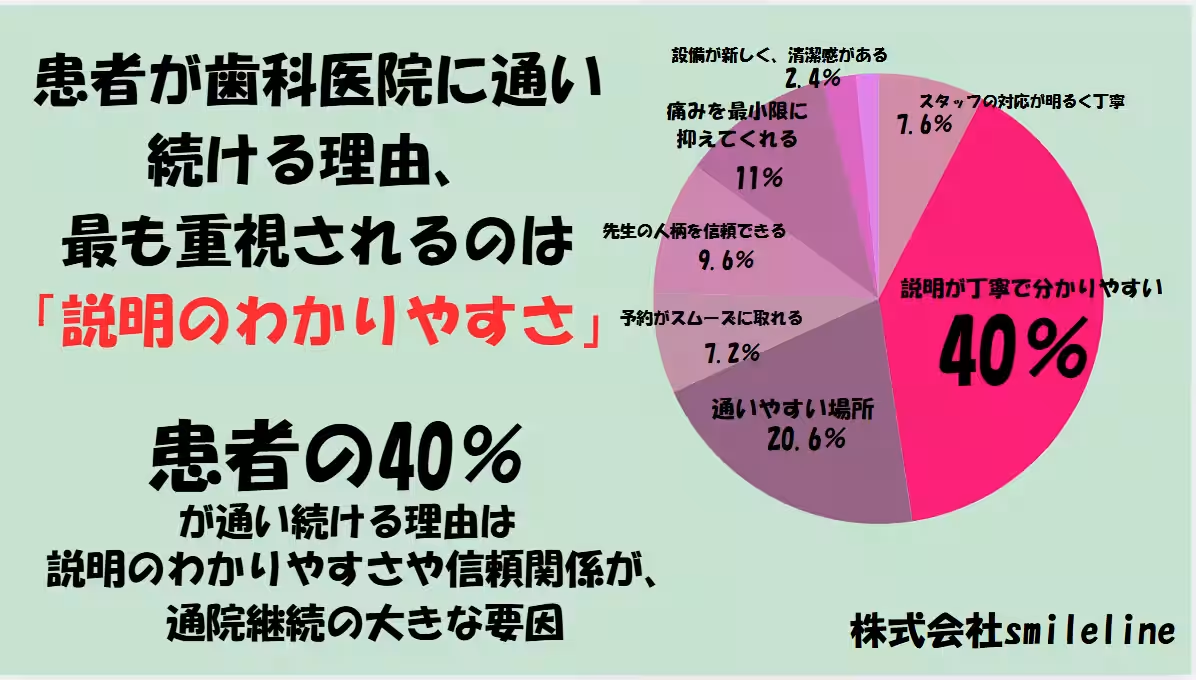
When asked about what leads them to consistently choose a particular dental practice, 40% pointed to the clarity and thoroughness of explanations provided during their visits. Other noteworthy factors included:
- - Proximity to their residence (20.6%)
- - Minimization of pain (11%)
- - Trust in the dentist’s character (9.6%)
These trends underline the importance of establishing a quality communication framework to foster ongoing patient relationships.
Conclusion
The recent survey shed light on the pervasive anxiety surrounding first-time visits to the dentist and underscored the necessity for transparency in treatment processes and effective communication to alleviate these fears. For patients, choosing a dental practice goes beyond mere convenience; it requires a focus on how well their concerns are acknowledged and addressed. Thus, practices must prioritize building trust through clarity and compassion.
To cite this survey in your articles, please refer to it as conducted by Smileline Inc. and Komagome Station Dental Clinic.
Additional Information
Komagome Station Dental Clinic
Location: 1F-2F, 1-42-4 Komagome, Toshima-ku, Tokyo
Phone: 03-6902-9259
Smileline Inc.
Headquarters: 1-12-9 Shinbashi, Minato-ku, Tokyo 106-0032
Website: Smileline
Business: Medical consulting, branding, construction services, materials service, web business.

Topics Health)
【About Using Articles】
You can freely use the title and article content by linking to the page where the article is posted.
※ Images cannot be used.
【About Links】
Links are free to use.