



DFA Robotics Implements Transportation Robots at Jikei University Kashiwa Hospital to Improve Efficiency
DFA Robotics Implements Transportation Robots at Jikei University Kashiwa Hospital
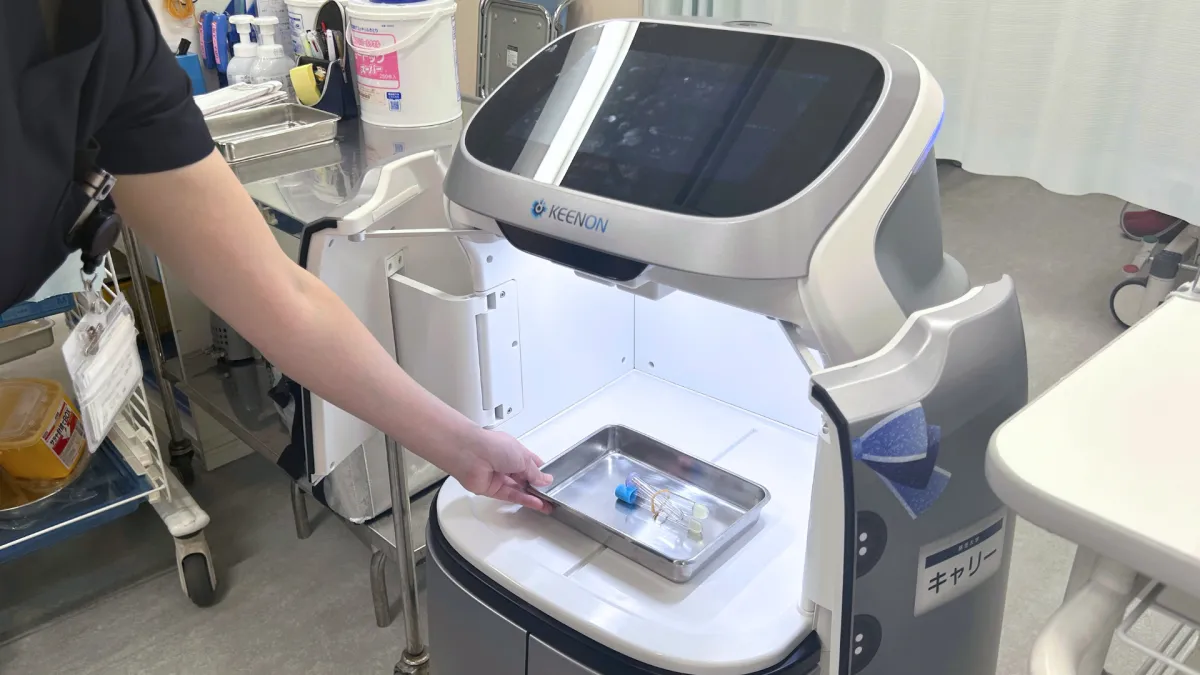
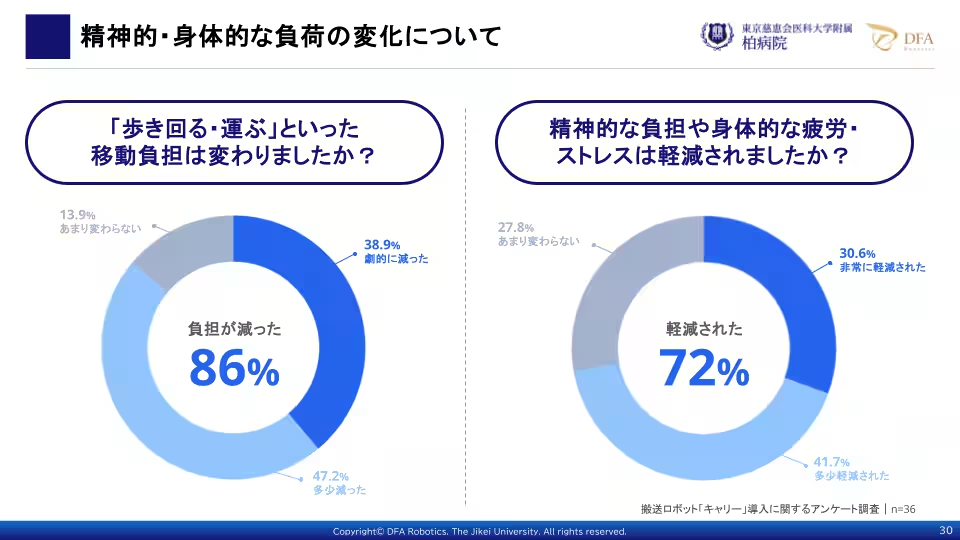
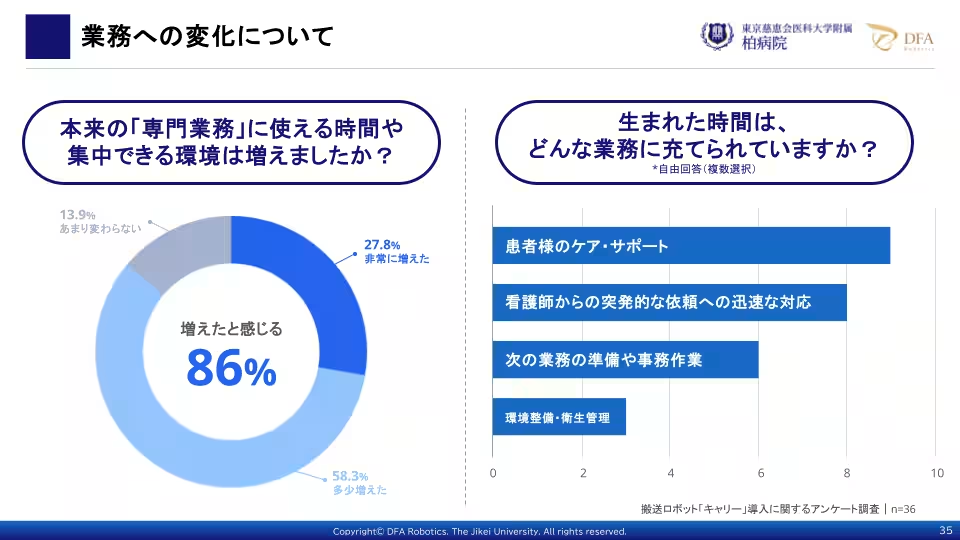
DFA Robotics, based in Minato, Tokyo, has pioneered the integration of healthcare robots at Jikei University Kashiwa Hospital since June 2025. The introduction of their transportation robot, "KEENON W3," aims to reshape the operational landscape of healthcare facilities. In its first year of deployment, the hospital has documented significant results, achieving an unprecedented reduction of over 330 hours in annual workloads across internal medicine outpatient services, chemotherapy rooms, and pharmacy departments.
Addressing Challenges in the Healthcare Sector
Japan’s healthcare system faces mounting pressure from an aging population and an increasing demand for medical services. According to the Ministry of Health, Labour and Welfare, emergency transport for individuals aged 85 and older is expected to increase by approximately 75% from 2020 to 2040. Simultaneously, the workforce poised to support these medical demands is shrinking. As a response, potential limits on doctors' overtime working hours, set to commence in April 2024, present further complications. Given these challenges, creating an environment that allows healthcare professionals to focus on essential duties has become a universal concern among medical institutions.
The government is advocating for advances in productivity and workplace improvements. Supporting initiatives include the introduction of ICT tools and robotics, as well as the task-sharing and shifting to nursing assistants—all designed to enhance operational effectiveness in medical environments. DFA Robotics has reported a growing number of healthcare facilities utilizing these governmental support structures to incorporate transport robots, like their KEENON W3, into their operations, allowing medical staff more time to engage directly with patients.
The Implementation Background
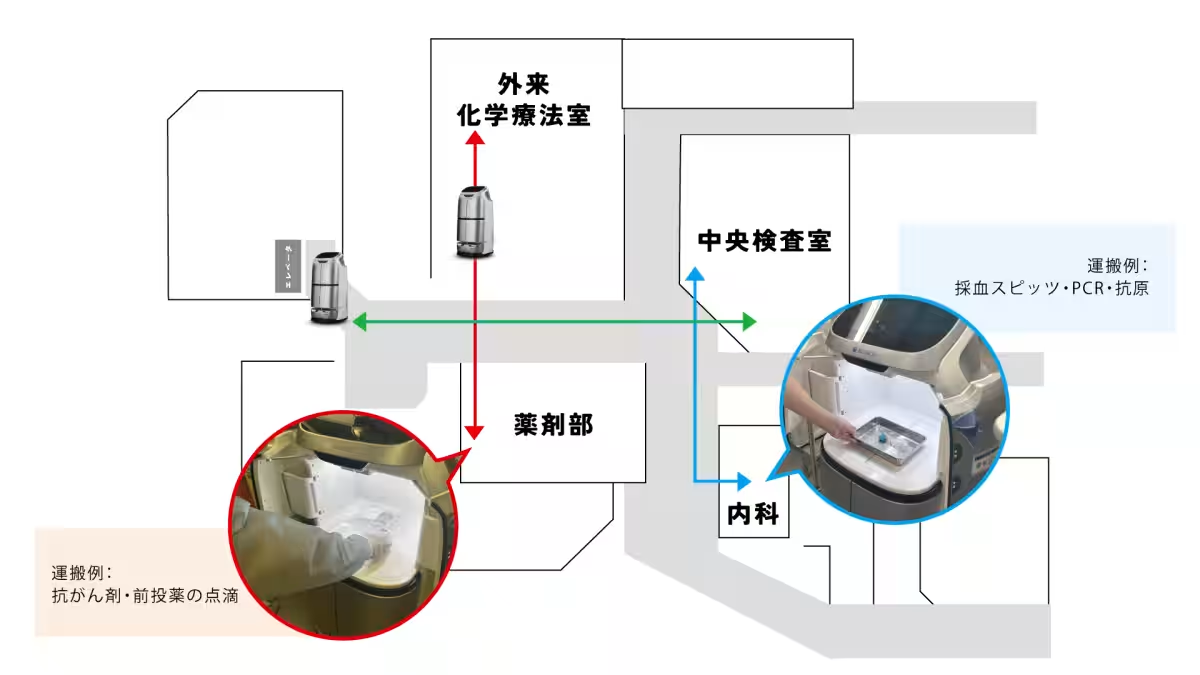
With 664 beds and more than 1,300 outpatients daily, Jikei University Kashiwa Hospital is a cornerstone healthcare facility. However, its 40-year-old infrastructure lacked a pneumatic tube system, necessitating that staff walk considerable distances to transport samples, drugs, and medical supplies. This

Topics Health)
【About Using Articles】
You can freely use the title and article content by linking to the page where the article is posted.
※ Images cannot be used.
【About Links】
Links are free to use.