



Real Estate Management Challenges: Owner Conflict and Resolution Strategies
Introduction
In a recent survey conducted by Nippon Joho Create Co., Ltd., significant insights were gathered regarding the challenges in real estate management, particularly concerning conflicts between property managers and owners. As the industry faces unprecedented challenges, including aging buildings and severe labor shortages, the need for improved communication and information management has never been clearer.
Survey Overview
The investigation into owner-related disputes in property management was directed toward real estate managers and practitioners, revealing crucial data on the dynamics that lead to conflict. The survey ran from March 23 to March 25, 2026, gathering responses from 1,006 participants.
Key Findings
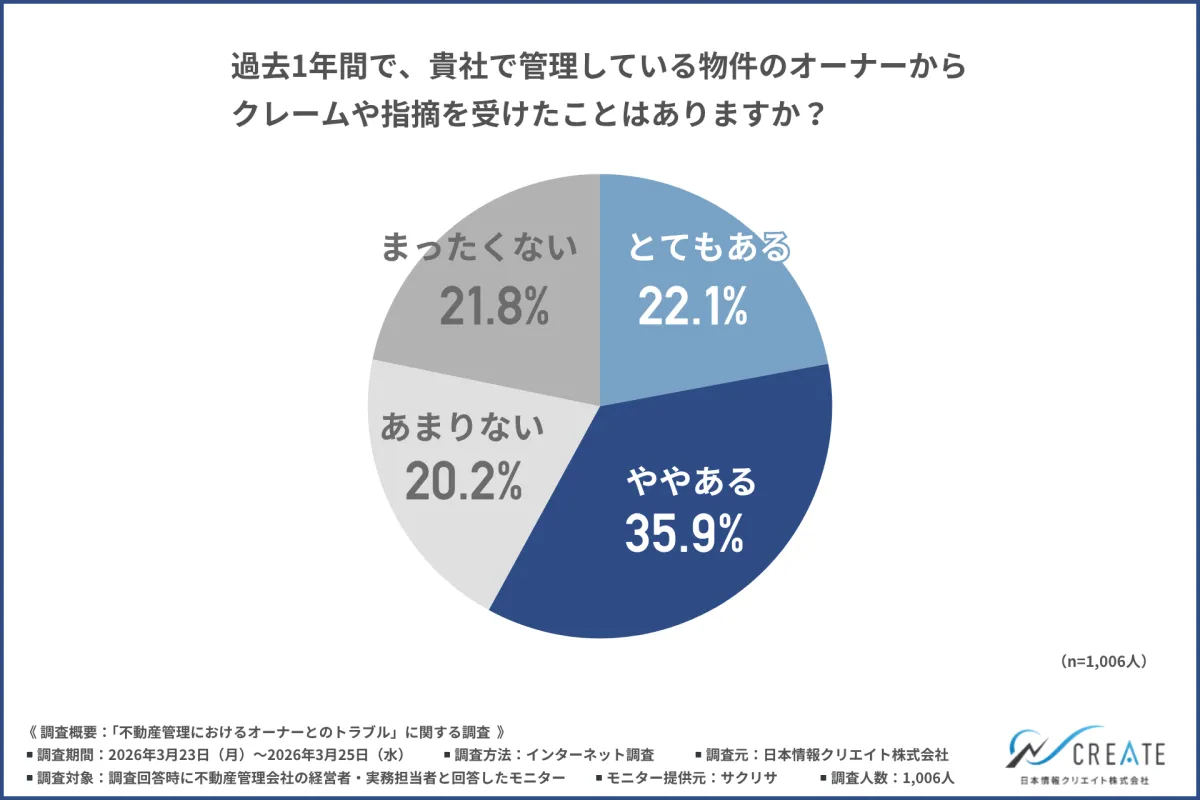
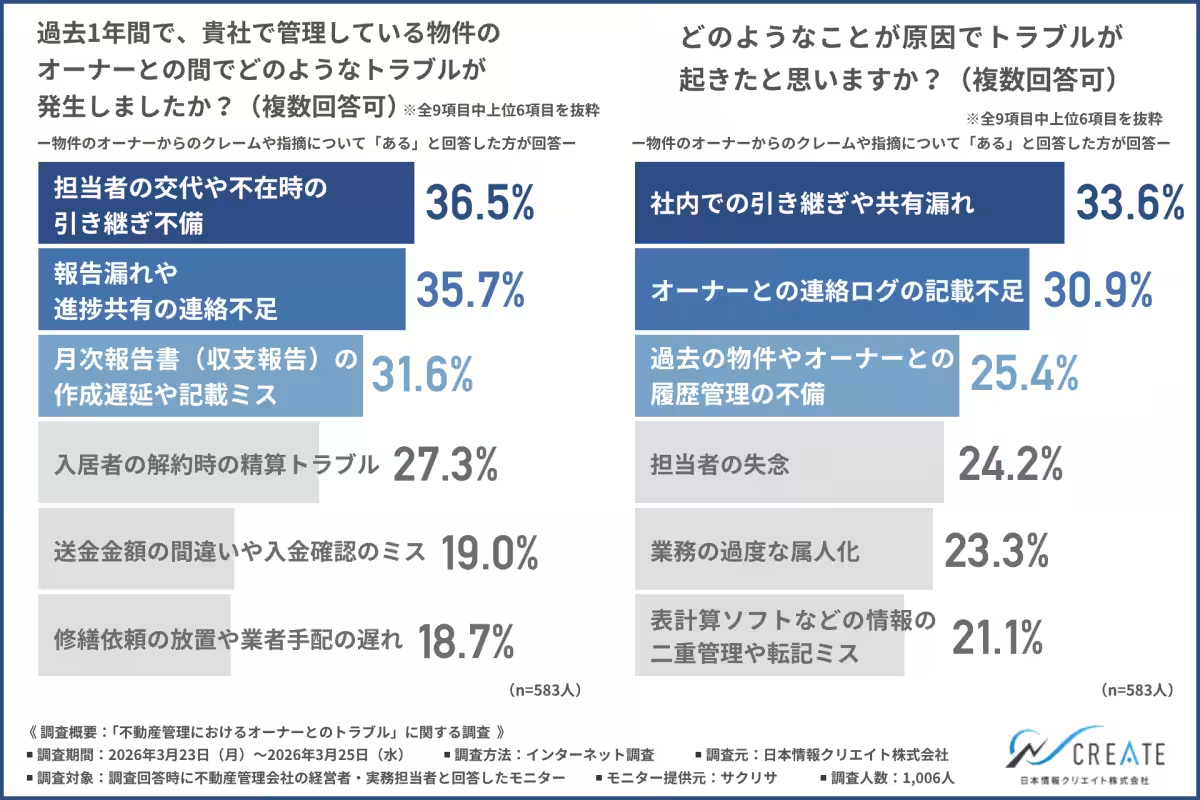
Approximately 60% of property management professionals reported receiving complaints from owners in the past year. The primary issue identified was a lack of proper information transfer during personnel changes, indicating a serious gap in communication. With 36.5% of respondents attributing disputes to handover inadequacies and another 35.7% linking issues to insufficient communication regarding progress and reporting, it's evident that these misunderstandings pose significant risks to company operations and owner relationships.
The Importance of Centralized Information
The survey highlighted that many complaints stemmed from organizational shortcomings related to the management of information. A staggering 33.6% of participants acknowledged internal lapses in communication and data transfer when owners interacted with the management company. The absence of structured systems to maintain a clear history of interactions and property management records often leads to preventable errors and frustrating experiences for owners.
The Call for Transparency
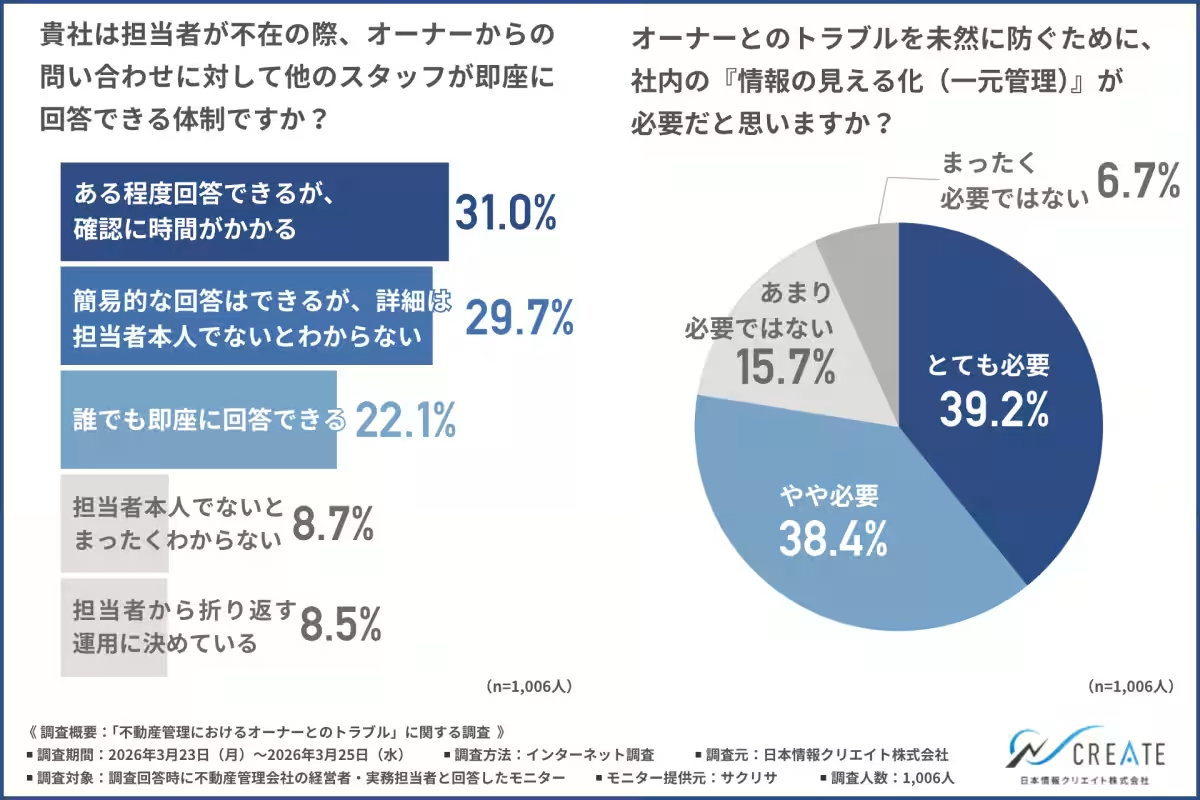
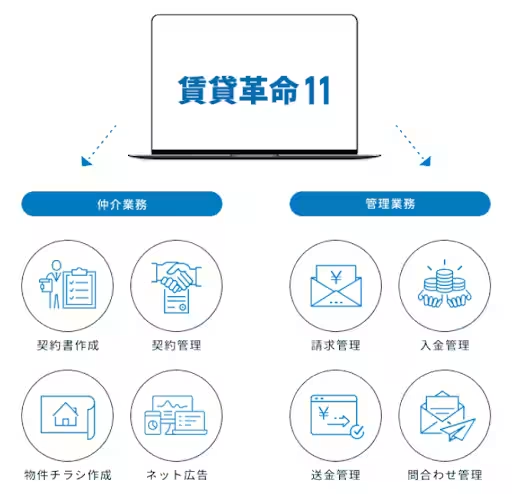
A significant 80% of real estate managers expressed the need for centralized management systems as a vital strategy for preventing future disputes with owners. This transparency enables various staff members to respond to owner inquiries without having to rely solely on the designated property managers.
When asked if their companies could immediately respond to owner inquiries in the absence of a designated manager, only about 22% affirmed they had systems in place to do so effectively, showcasing a need for organizational overhaul.
Prioritizing Automation in Real Estate Management
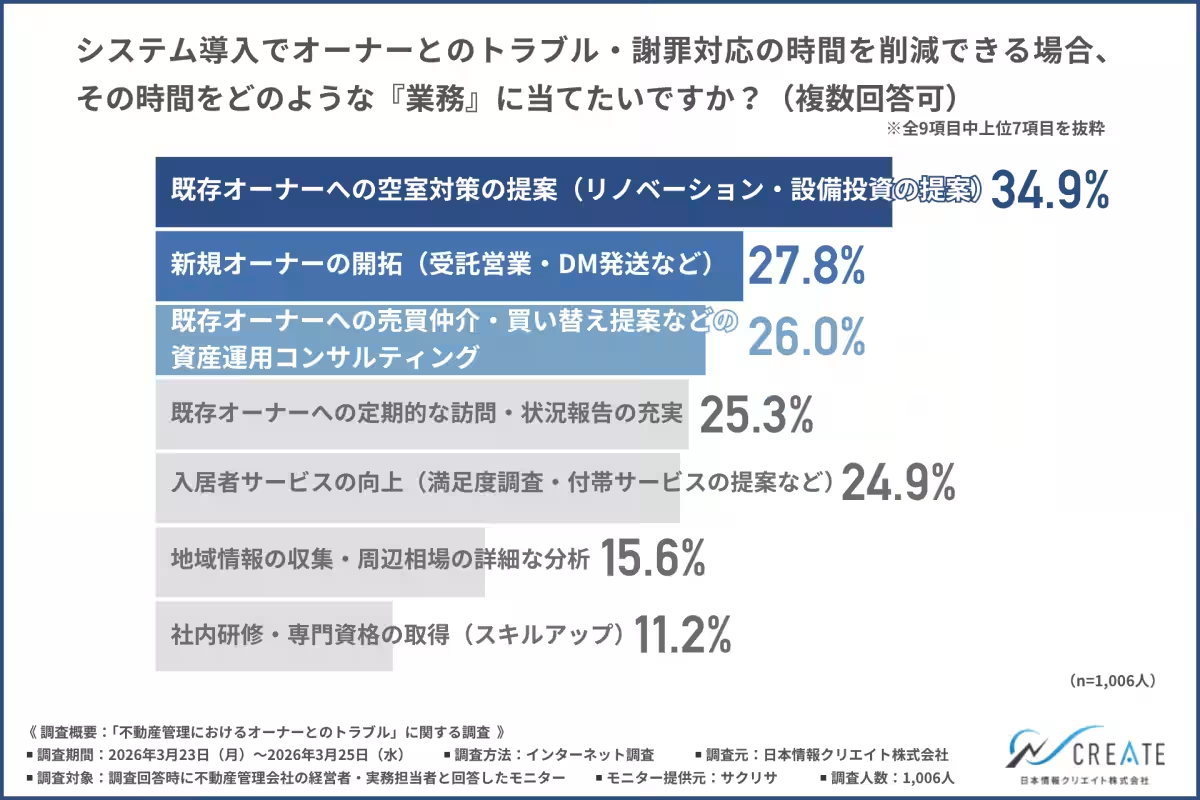
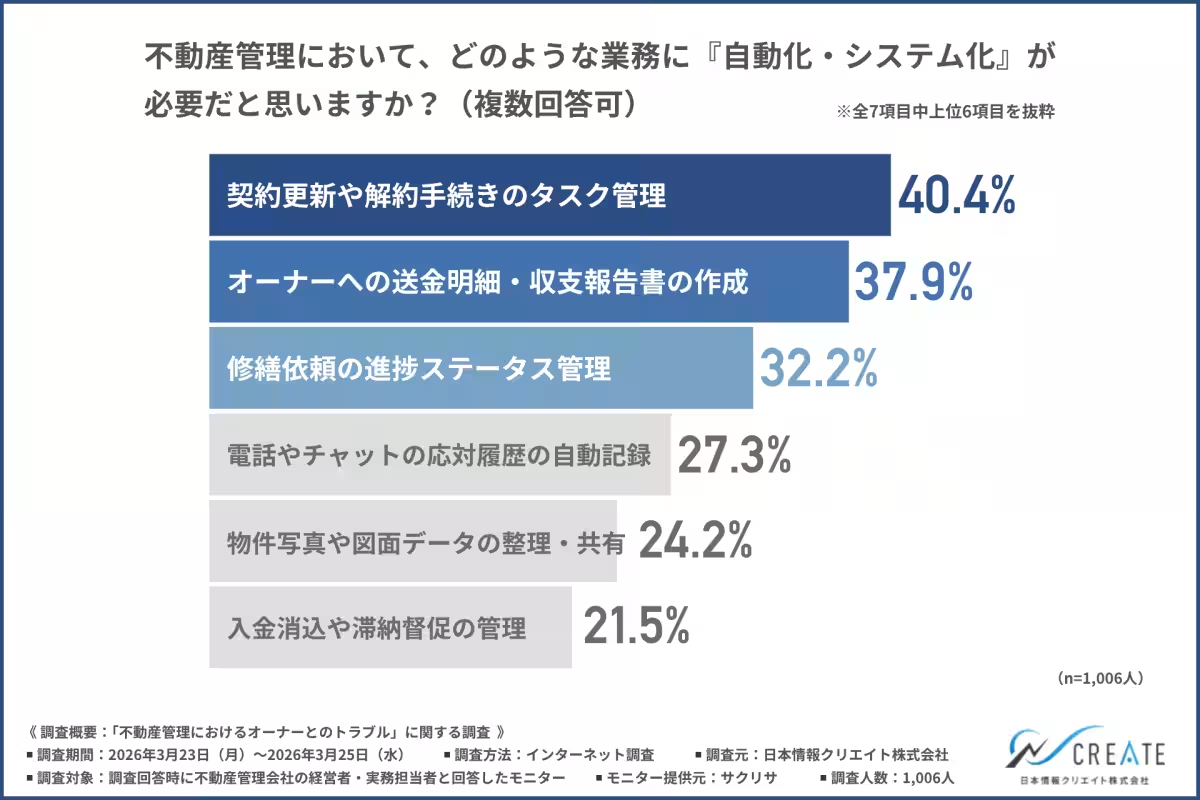
In an effort to reduce human error, the survey participants were asked which tasks would benefit most from automation or systematization. The results indicated a clear prioritization of tasks that frequently lead to human errors, including contract renewals, financial reporting, and repair request management. These areas are critical as they directly impact operational efficiency and owner satisfaction.
AI in the Real Estate Sector
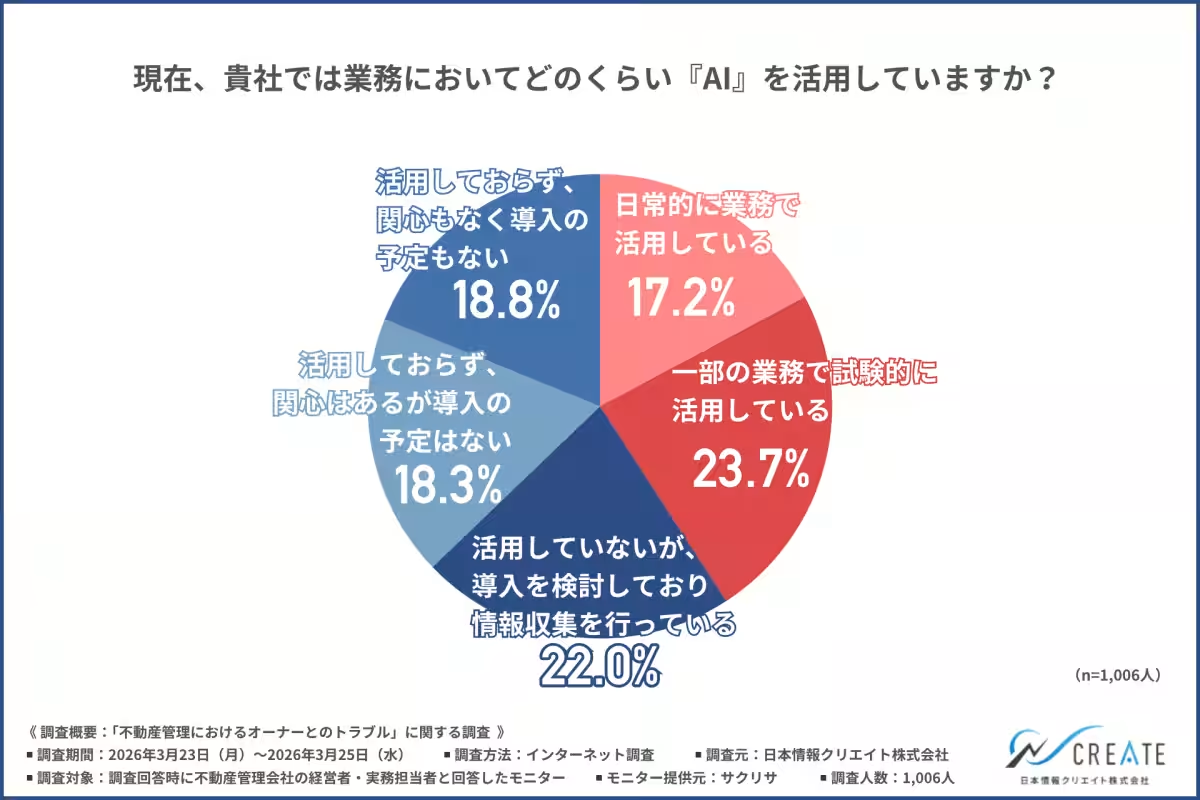
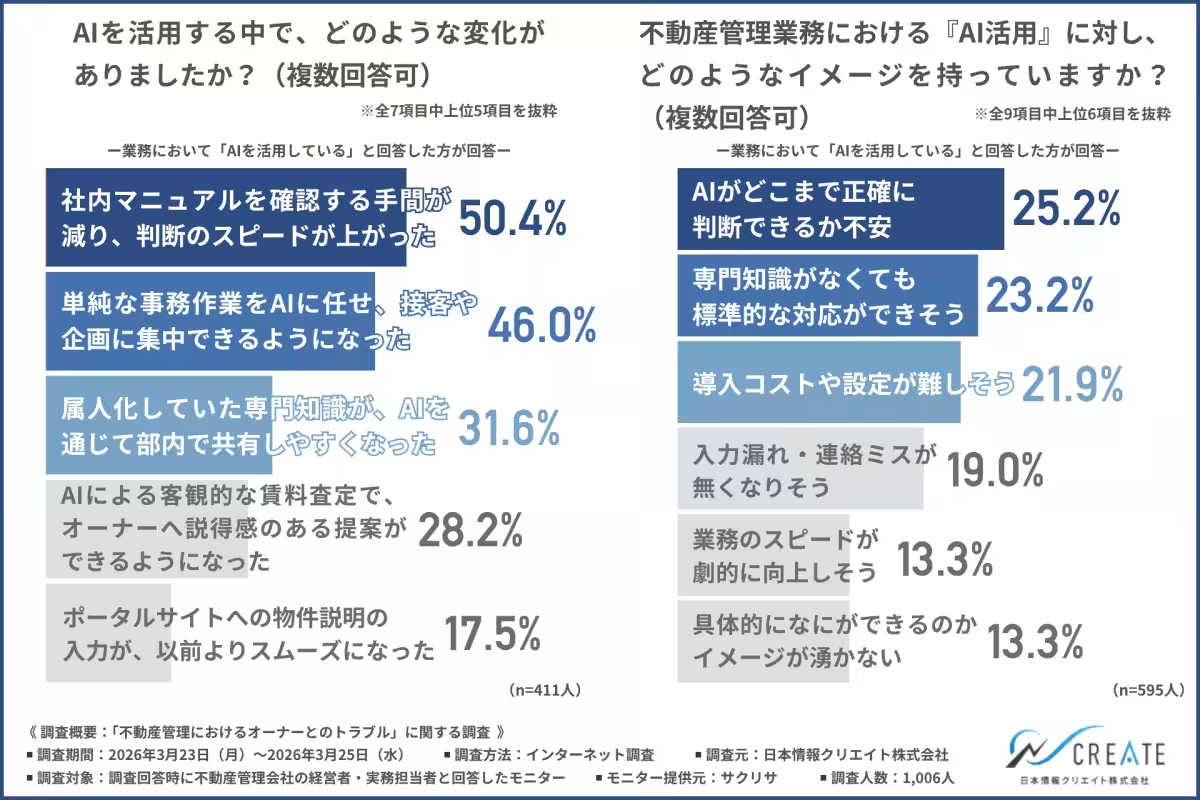
Interestingly, about 40% of companies reported using AI tools to improve operational efficiency, which led to notable reductions in time spent on routine tasks. Those firms leveraging AI noted improved speed in decision-making and enhanced quality of service. However, there remains substantial hesitation within the industry towards AI integration, with many expressing concerns about reliability and implementation costs.
Building Trust and Efficiency
As the industry moves towards a future that incorporates automation and AI, it is essential for organizations to focus on developing effective information-sharing protocols. Providing training and resources to staff on these systems can further ensure that every employee is empowered to manage owner relationships successfully, thus enhancing overall trust.
Conclusion
In summary, the survey results illuminate a pressing need for real estate management firms to address existing systemic issues that foster disputes between property managers and owners. Through the implementation of centralized data systems and the adoption of innovative technologies like AI, firms can enhance communication, streamline operations, and ultimately deliver superior service to clients. The path forward will involve embracing technological advancements while cultivating effective management strategies aimed at mitigating disputes and fostering stronger relationships with property owners. As indicated by the survey, management practices that leverage technology will not only resolve existing frustrations but also enable firms to focus on growth and customer satisfaction in the long term.
Topics Business Technology)

【About Using Articles】
You can freely use the title and article content by linking to the page where the article is posted.
※ Images cannot be used.
【About Links】
Links are free to use.