



Understanding Corns, Calluses, and Warts: A Study on Misdiagnosis and Treatment Options
Understanding Corns, Calluses, and Warts: A Study on Misdiagnosis and Treatment Options
Corns, calluses, and warts are common skin conditions that affect many people, particularly on their feet. However, a recent survey conducted by IC Clinic has revealed that a significant percentage of individuals struggle to differentiate between these conditions, leading to inappropriate self-treatment and, in some cases, worsening symptoms.
The Findings of the Survey
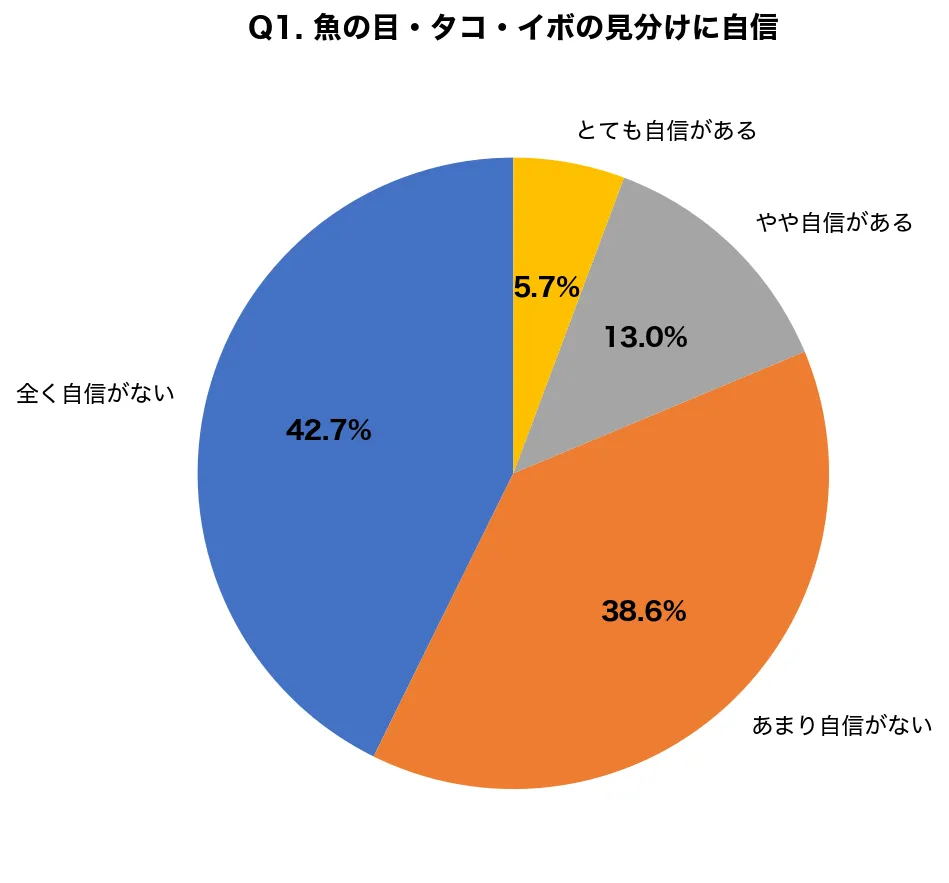
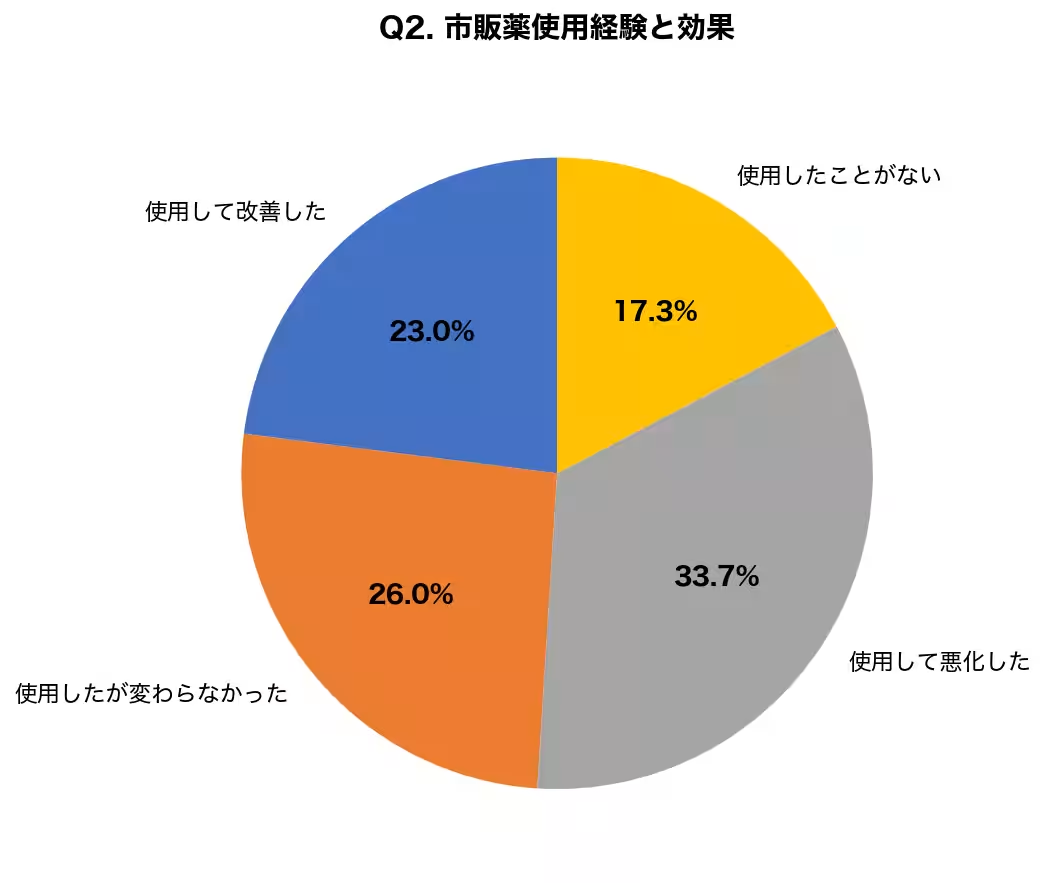
According to the survey involving 300 participants aged between 20 and 60, a staggering 81.3% of respondents expressed uncertainty about distinguishing between corns and warts. Additionally, 33.7% of those who used over-the-counter treatments reported that their symptoms had worsened. This situation highlights the risks associated with self-diagnosis and self-treatment without professional guidance.
The study aimed to raise awareness regarding the potential dangers of misidentification between corn, calluses, and viral warts, especially given how similar their appearances can be. The results strongly indicate that many individuals treated their warts as corns, incorrectly utilizing topical medications like salicylic acid, which can exacerbate the situation for warts—an infectious condition.
What Are Corns, Calluses, and Warts?
Corns (Kiegans)
Corns (or Kiegans) are hardened patches of skin that develop in response to repeated pressure or friction. They typically have a hard center and can be painful because of their pressure on nerve endings, particularly noticeable while walking.
Calluses (Benchis)
Calluses, in contrast, are broader areas of thickened skin resulting from continued friction or pressure but lack a hard core. They are usually less painful and can form from everyday activities, such as frequent shoe wear.
Viral Warts (Common Warts)
Viral warts are benign skin growths induced by the human papillomavirus (HPV). They can mimic the appearance of corns and calluses, complicating self-diagnosis. Unlike corns and calluses, warts can multiply and spread if not treated correctly, highlighting the importance of professional medical diagnosis.
The Importance of Professional Diagnosis
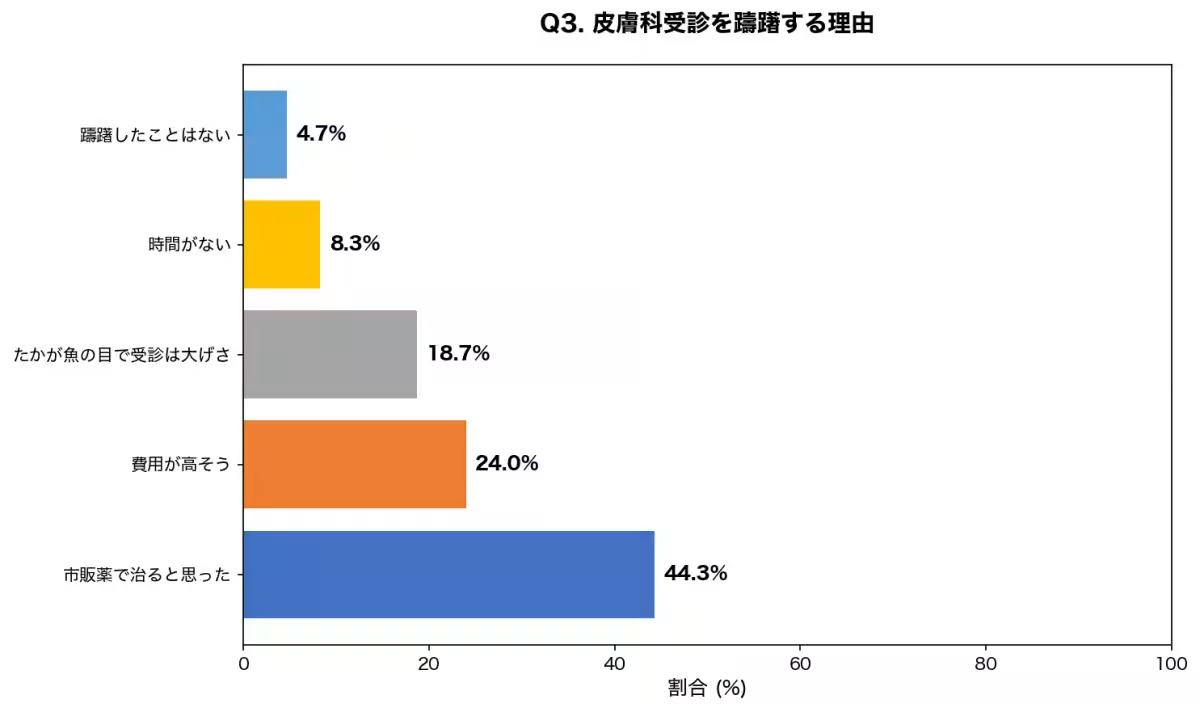
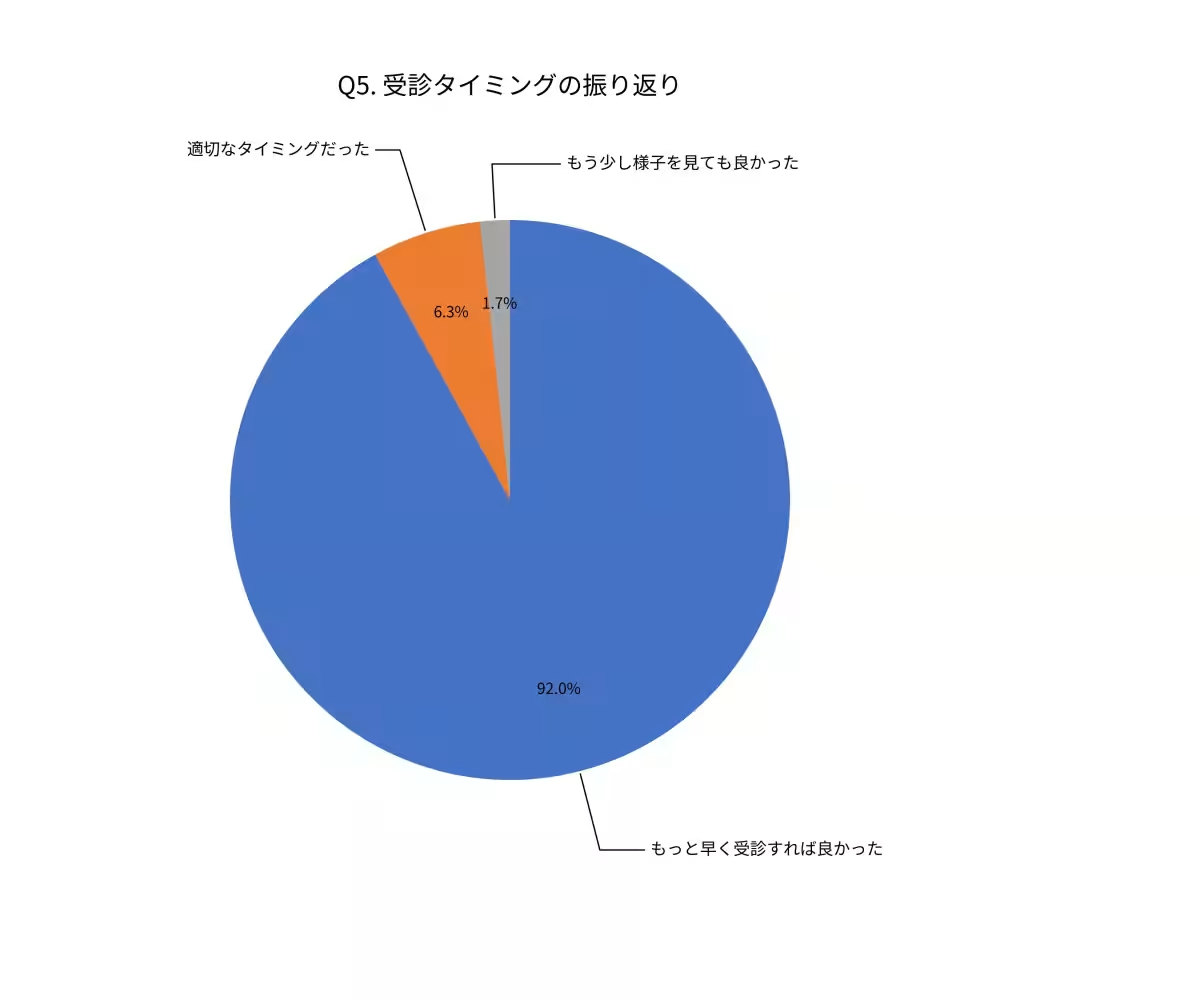
The survey noted that 92% of people who consulted a dermatologist regretted not visiting sooner, indicating a strong belief in the necessity of professional insight. Dermatology treatments can be affordable, often costing between 1,000 and 3,000 yen under health insurance in Japan, yet many individuals hesitate due to misconceptions about treatment costs or effectiveness of over-the-counter medications.
Key Indicators for Seeking Medical Help
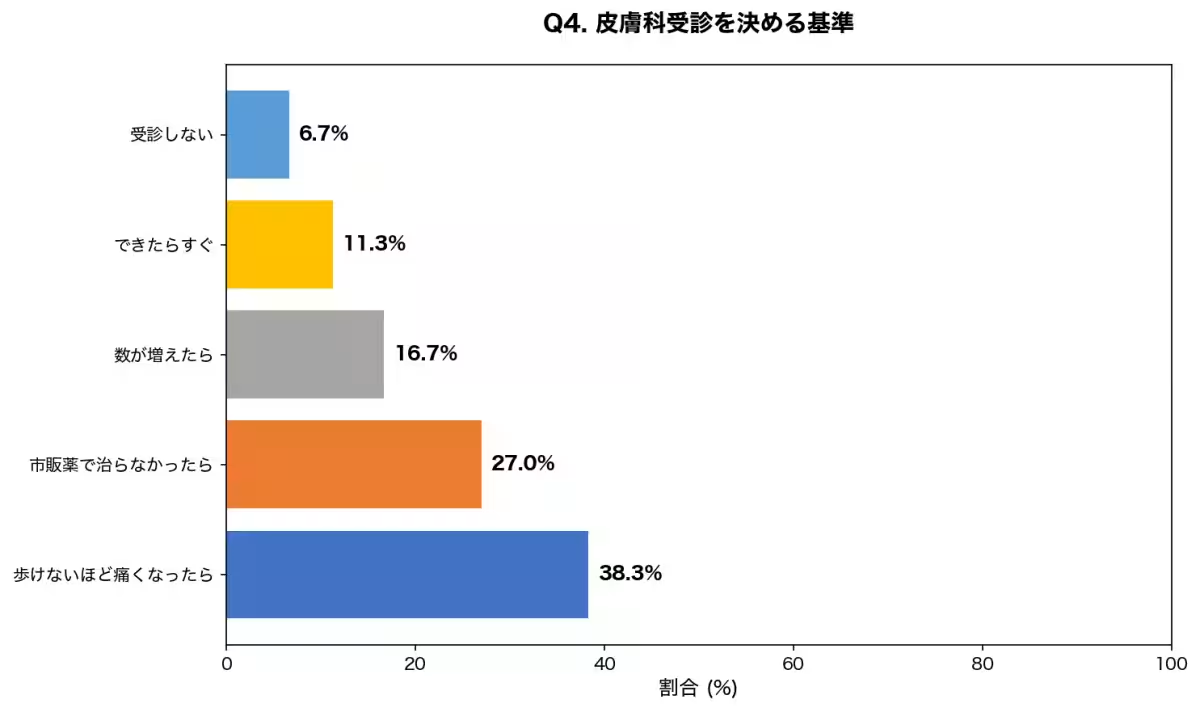
The study revealed that over 65% of participants waited until their condition became serious—resulting in walking difficulties or failed treatment efforts—with only then deciding to visit a dermatologist. Common symptoms warranting a dermatology visit include:
- - A hardened area appears for the first time.
- - Symptoms persist or worsen despite self-treatment for two weeks.
- - An increase in the number of hard areas, suggesting potential viral warts.
- - Notable pain while walking.
Conclusion
Properly identifying foot problems such as corns, calluses, and warts is crucial for effective treatment. Relying on self-diagnosis can lead to unnecessary pain and prolonged suffering; therefore, individuals should seek professional medical advice as their first step. With misinformation about treatments often leading to increased anxiety and complications, awareness regarding the differences between these conditions is vital. Seeking help from dermatological specialists can greatly shorten treatment duration and mitigate further complications.
If you suspect that a hard area has developed on your foot, prioritize getting a professional diagnosis to ensure effective treatment and avoid potential worsening of your condition.
Expert Advice
Dr. Kota Takakuwa, a dermatologist with over fifteen years of experience, emphasizes understanding the critical differences between these conditions. He asserts the paramount importance of seeking appropriate medical advice rather than relying solely on self-treatment methods. With survey results showing that a significant percentage experience worsening conditions due to improper treatments, the role of a qualified professional becomes critical in managing foot-related skin issues effectively.
Topics Health)
【About Using Articles】
You can freely use the title and article content by linking to the page where the article is posted.
※ Images cannot be used.
【About Links】
Links are free to use.