



The Increasing Importance of Office Environment for Job Seekers in 2026
The Shifting Landscape of Job Seekers' Preferences
As the world continues to shift in the wake of the pandemic, a fascinating trend has emerged among job seekers. A recent survey conducted by Urban Plan, a Tokyo-based firm, reveals a growing emphasis on office environments when students choose prospective employers. This evolution is reflective of their changing values and priorities.
Understanding the Shift in Priorities
In a 2026 survey, over 80% of respondents indicated that office environments significantly influenced their choice of companies. This marks a substantial change from previous years, underlining the need for companies to adapt to this trend. The survey included a diverse group of 1,005 participants, comprising students and HR representatives, giving a broad perspective on this vital issue.
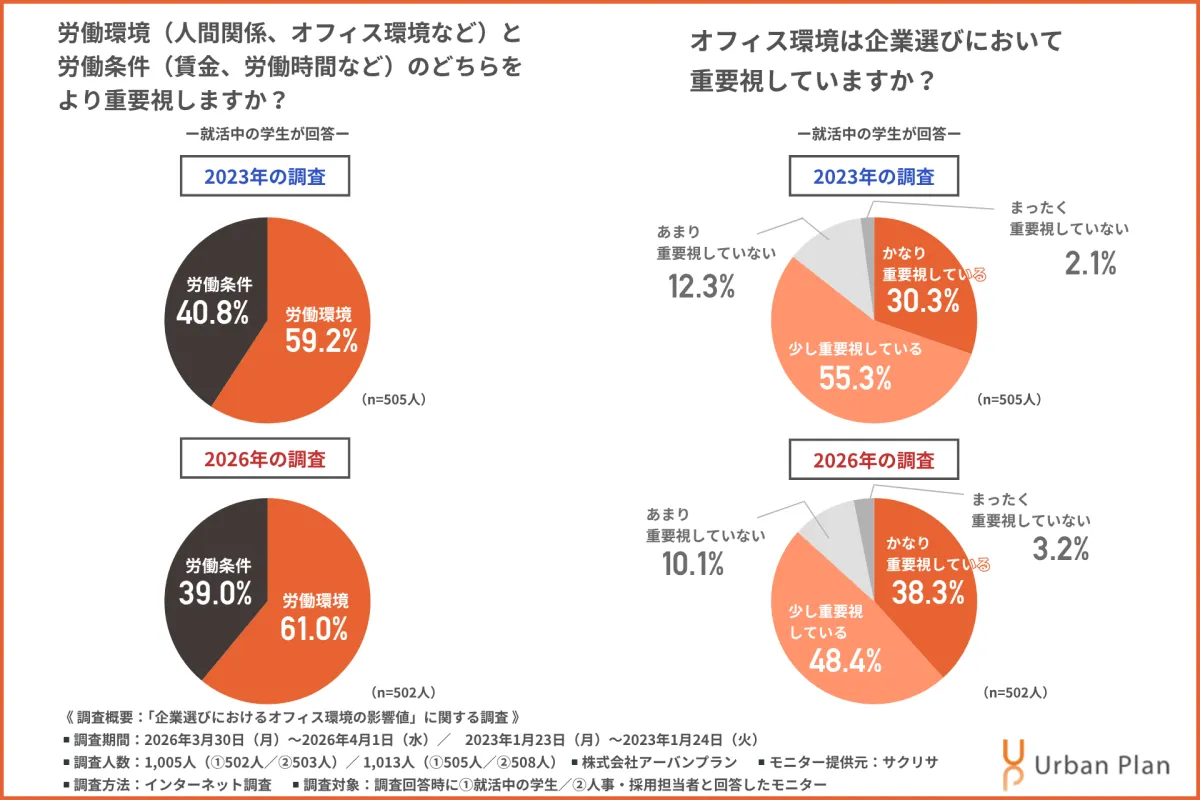
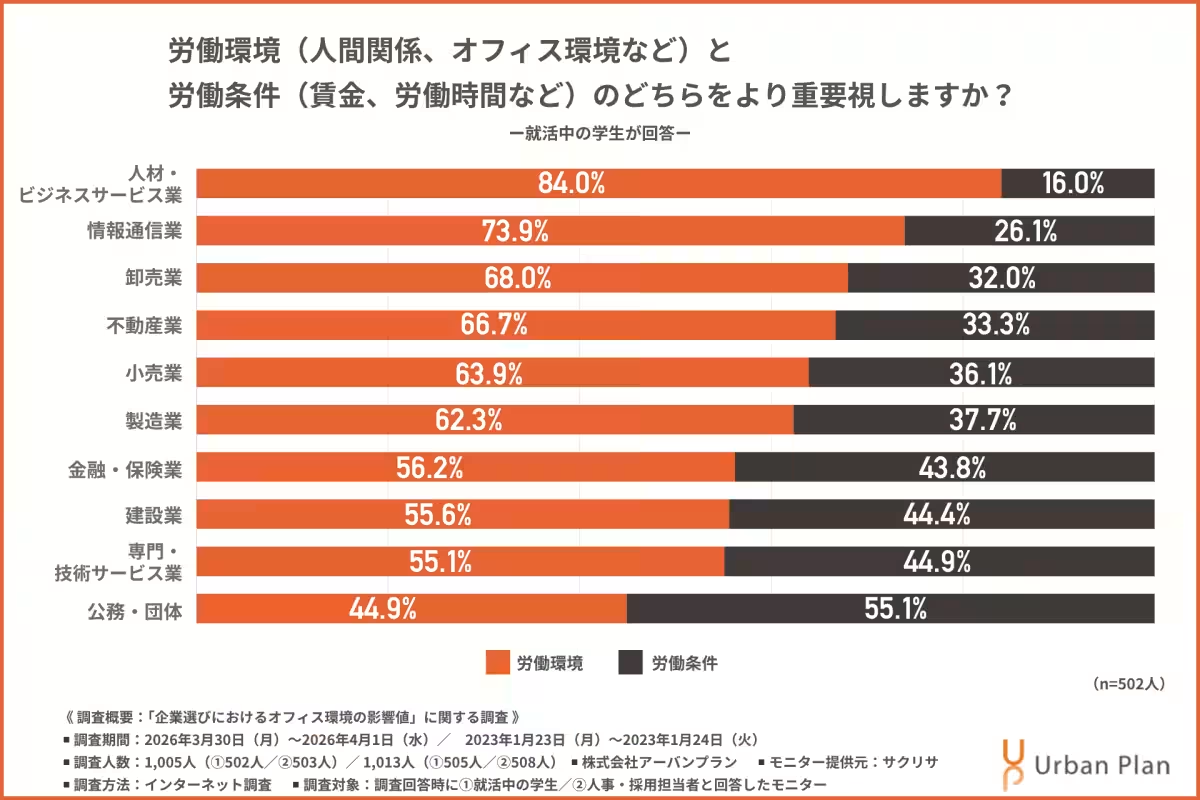
Interestingly, when asked to rank the importance of workplace characteristics, 61% of students preferred labor conditions related to their work environment—covering interpersonal relationships and office amenities—over salary and working hours. This preference reflects a shift towards valuing supportive work environments, an evolution that recruiters must consider in their strategies.
The Growing Emphasis on Office Space
Regarding office environment importance, the 2026 survey showed that 38.3% of students viewed it as crucial, an increase from 30.3% in 2023. This emphasizes that students now seek a more comfortable and valuable workplace, analyzing office spaces not just for functionality but as reflections of a company’s culture and values.
Among the varied responses, students pursuing careers in business services and information technology placed particular emphasis on work environments, likely due to the collaborative nature of these sectors where interpersonal relationships are vital.
Contrastingly, those eyeing public service roles prioritized labor conditions over environmental factors, indicating a preference for job stability and clear hours over workplace aesthetics.
The Drivers Behind Office Environment Preferences
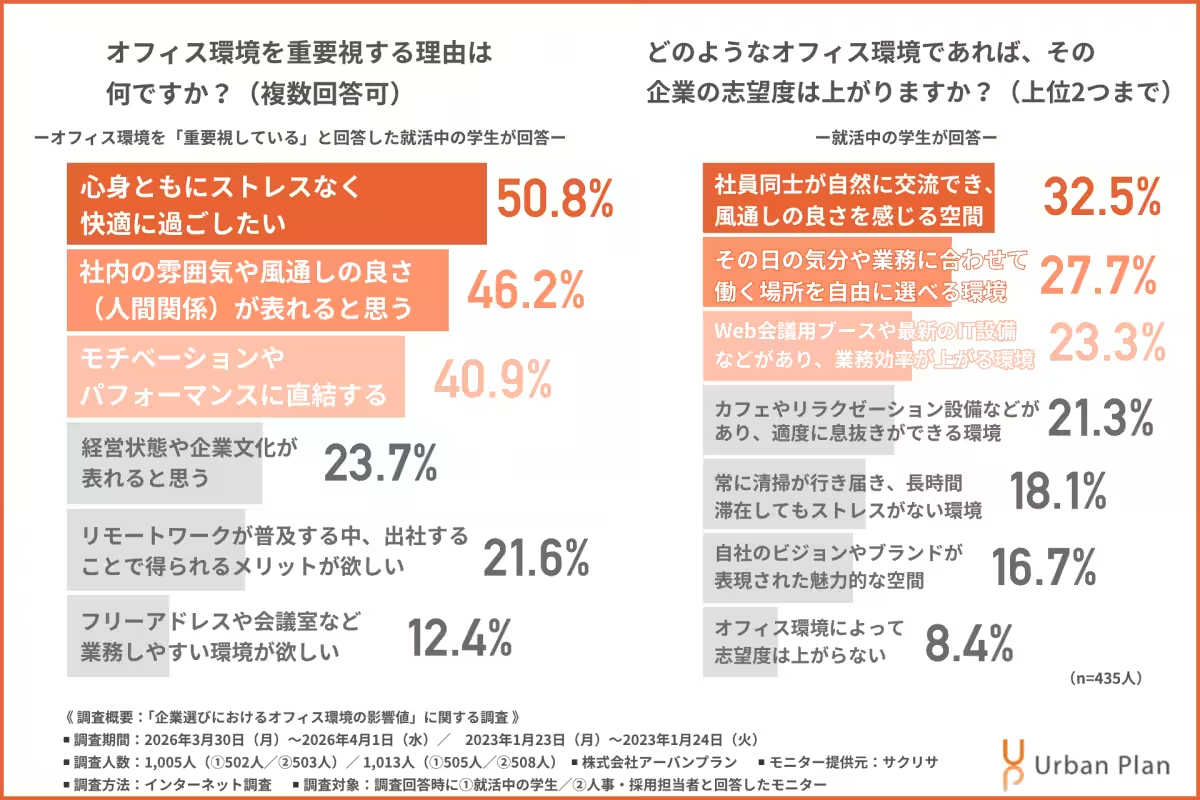
Digging deeper, the study explored why students prioritize office environments. A staggering 50.8% expressed the desire for a stress-free and comfortable workplace. Following closely, 46.2% believed that a pleasant office atmosphere reflects company culture and interpersonal dynamics, while 40.9% associated it with enhanced motivation and performance.
This insight suggests that prospective employees are attempting to assess intangible elements such as company culture through observable factors like physical office layout and design, showcasing the evolving criteria that determine what constitutes an appealing workplace.
Features of Desirable Workspaces
Further inquiry into what features enhance the appeal of an office revealed that spaces promoting natural interactions among employees topped the list, with 32.5% of participants highlighting the importance of communication-friendly environments. Flexible workspaces that can be adapted based on daily tasks and personal preferences also received significant preference, showing a desire for adaptability in the working environment.
Aligning Company and Candidate Perspectives
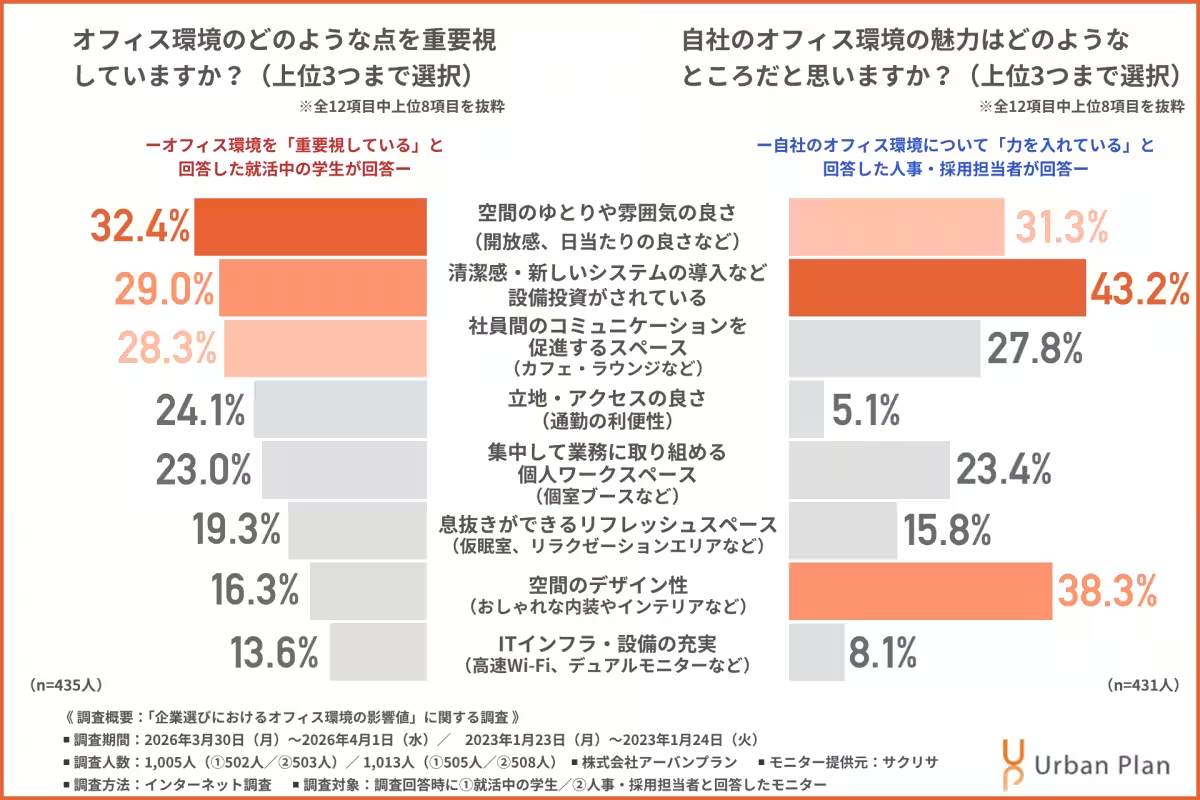
Interestingly, HR representatives echoed many students' sentiments. For employer perspectives on office environments, 32.4% placed the highest value on a spacious, well-lit atmosphere, with clean and modern facilities following closely. The agreement between what students seek and what employers prioritize indicates a potential alignment in creating office spaces that appeal to both parties.
Assessing the Impact of Office Improvements
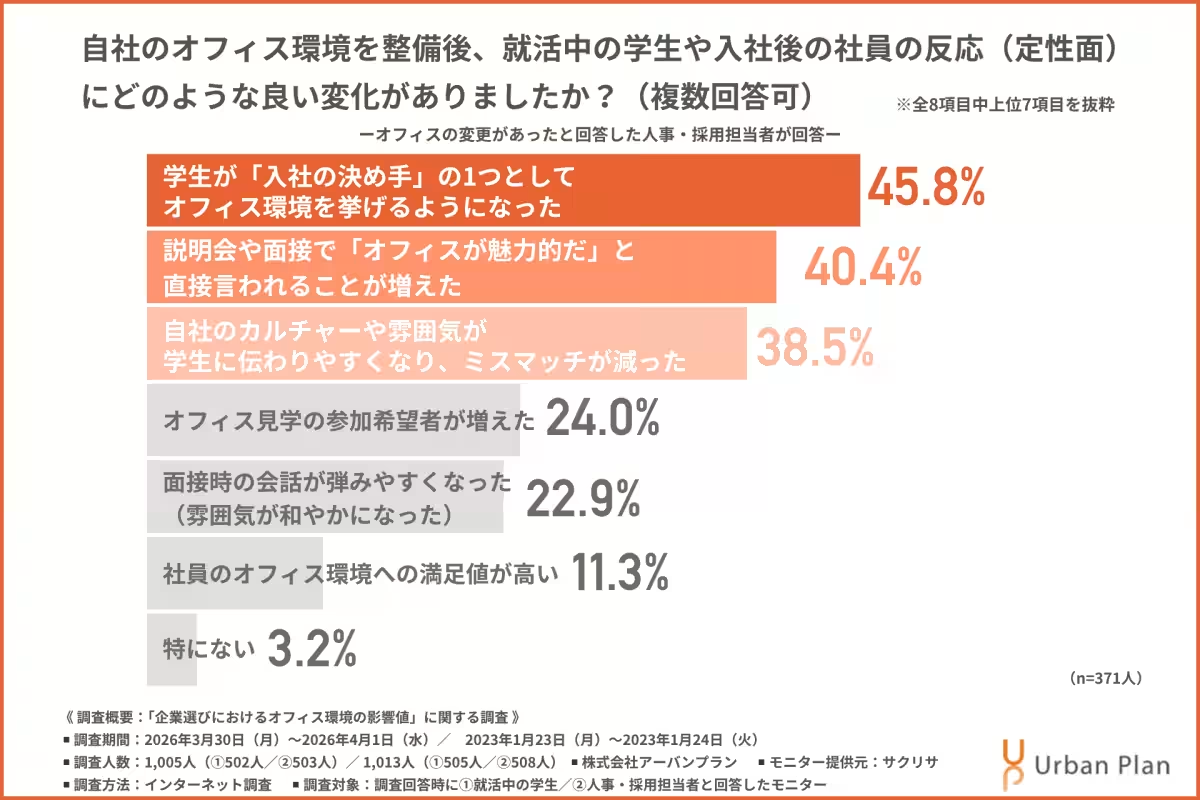
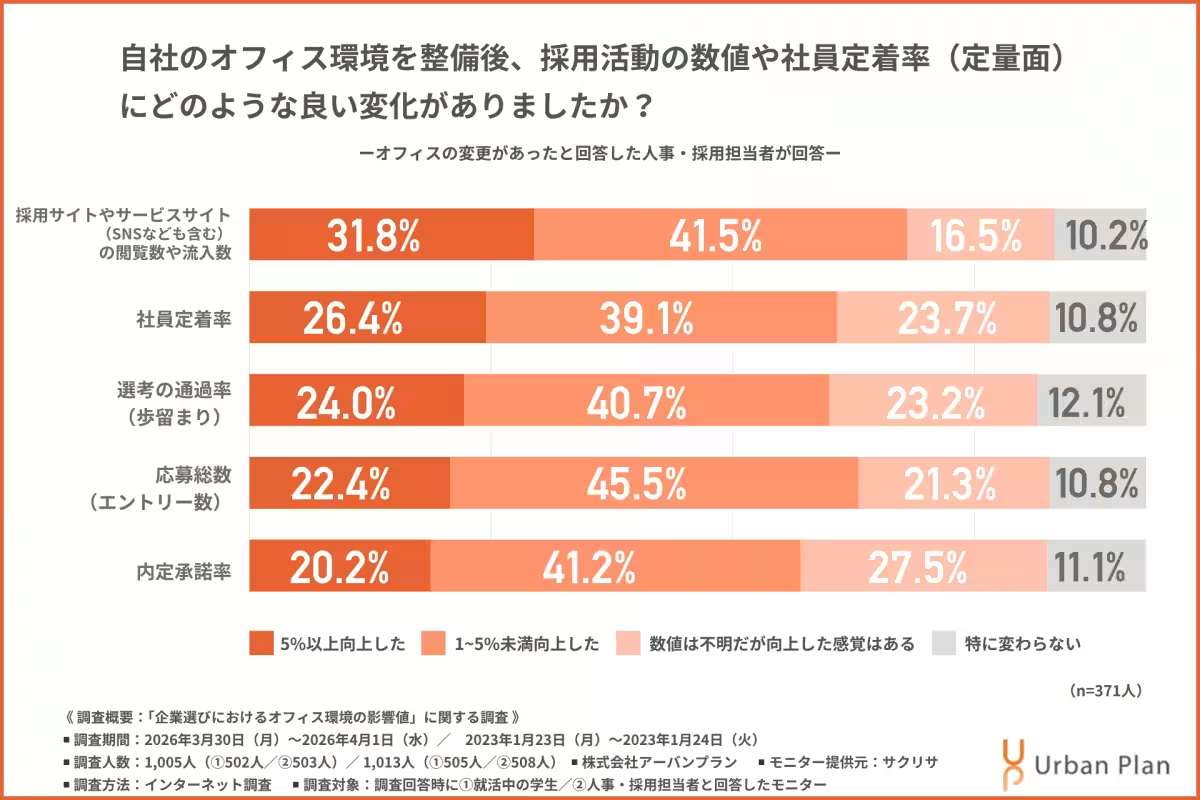
Employers also reported notable changes attributable to improvements in office environments. Over 45% of HR personnel noted that candidates began citing workspace conditions as a significant factor in their decision-making process. Further, the enhanced visibility of company culture through improved office design led to a reduction in mismatches between candidate expectations and company realities, raising the importance of physical workspace in recruitment processes.
Conclusion: The New Standard for Employee Attraction
In conclusion, the study from Urban Plan sheds light on an emerging key factor in recruitment—office environments. As workplaces evolve, both for flexibility and social interaction incentives, it's becoming crucial for companies to view investments in office configurations not only as aesthetic choices but as strategic imperatives for attracting diverse talent. Urban Plan remains dedicated to helping businesses craft optimal office environments that enhance productivity and employee satisfaction, ensuring they remain competitive in today's fast-evolving job market.
For businesses seeking to redefine their workspaces, embracing these insights could be the gateway to fostering a more inviting and effective workplace. Explore the ways Urban Plan can support your transition to a future-proof office today through their comprehensive services.

Topics Business Technology)

【About Using Articles】
You can freely use the title and article content by linking to the page where the article is posted.
※ Images cannot be used.
【About Links】
Links are free to use.