



Exploring the Rights and Privileges of US Forces in Japan Through 'Tokyo Sky 300 Meters'
Unveiling the Troubling Reality Behind US Military Privileges in Japan
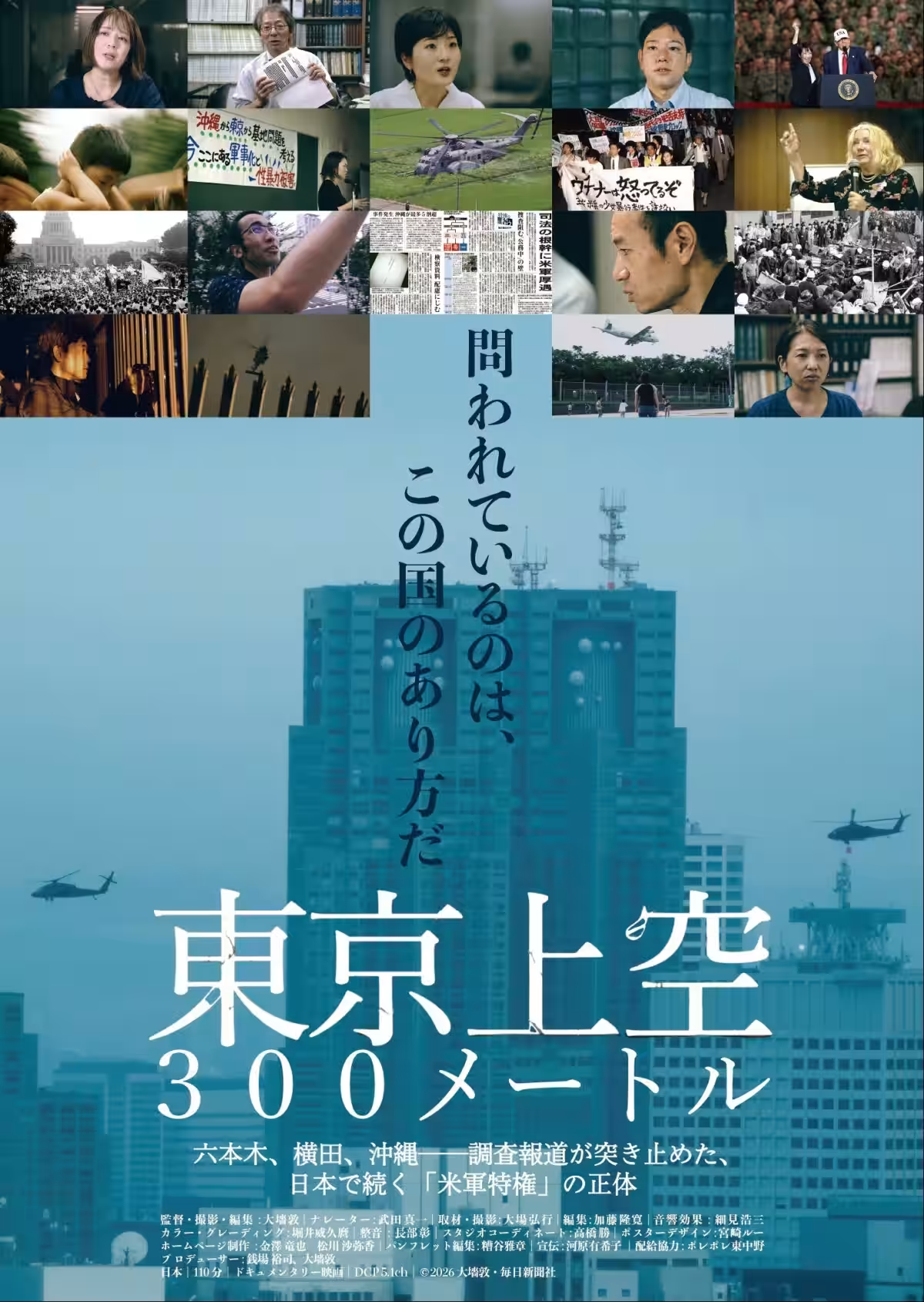
In October 2026, the highly anticipated documentary film "Tokyo Sky 300 Meters" will hit theaters across Japan, including at the Pollopolo Higashi-Nakano in Tokyo. This film, produced by the Mainichi Newspaper Company, is a collaborative effort with renowned director Atsushi Ogaki, who has an impressive background in filmmaking. The documentary aims to expose the true nature of the privileges afforded to US military personnel under the Japan-US Status of Forces Agreement. This is a significant cinematic endeavor as there are few documentary films that make it to theaters, especially produced by a newspaper company that is primarily focusing on digital content.
The Core Questions Being Raised
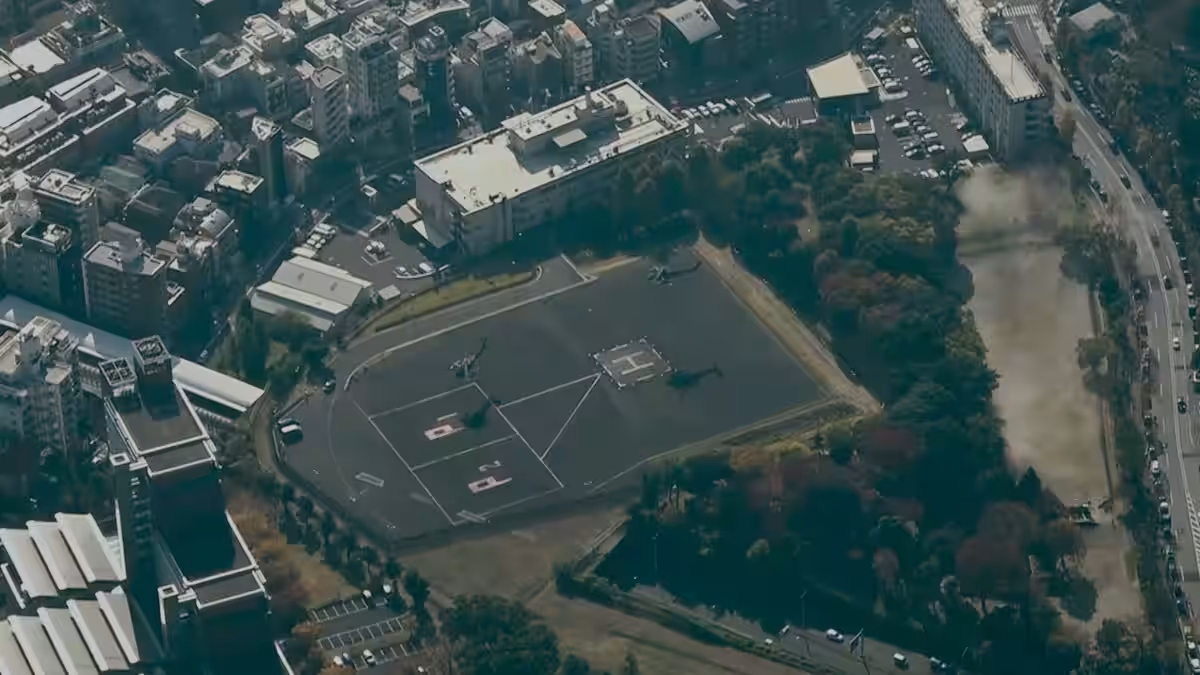
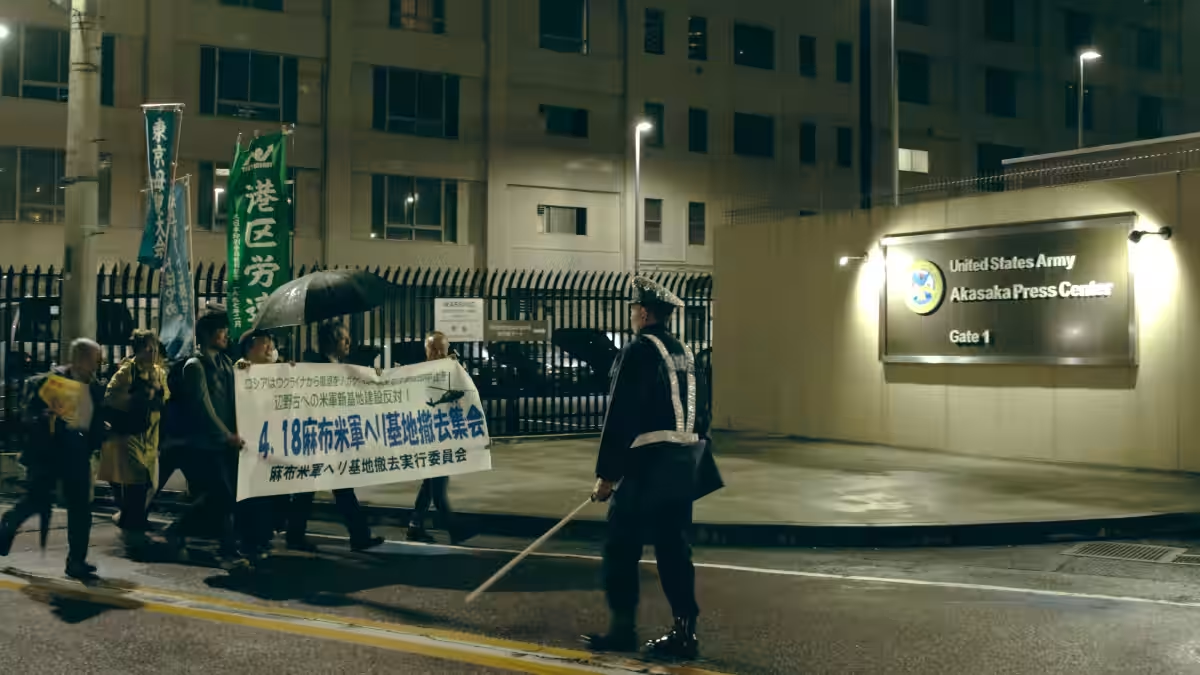
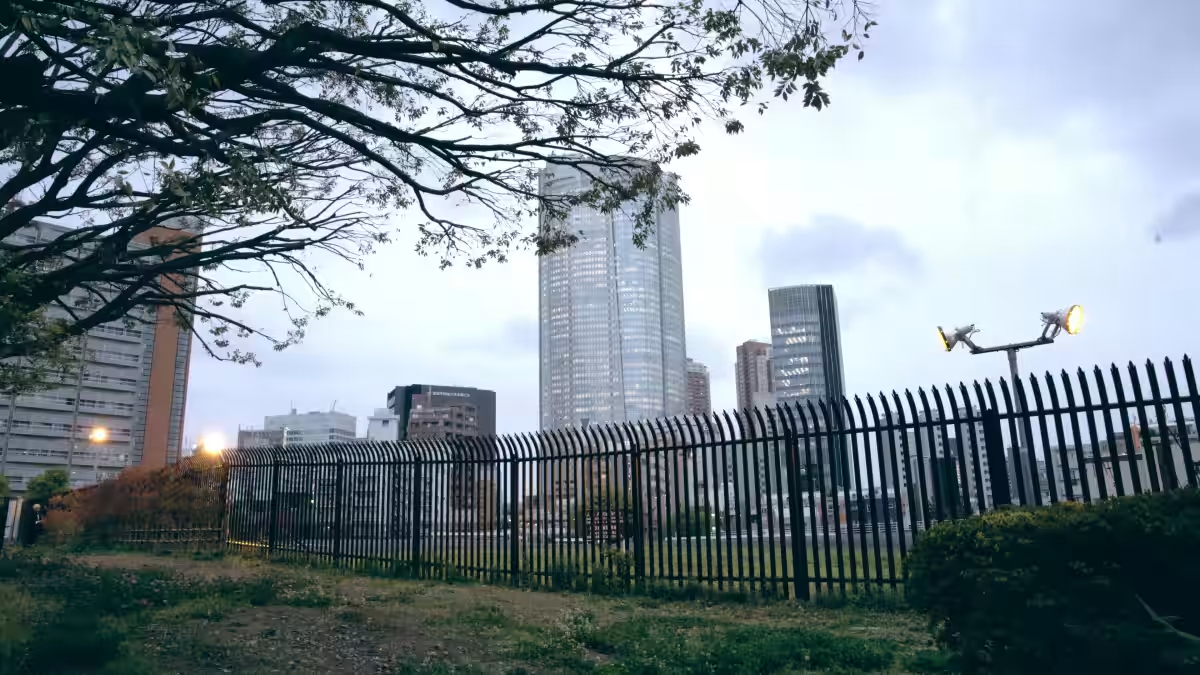
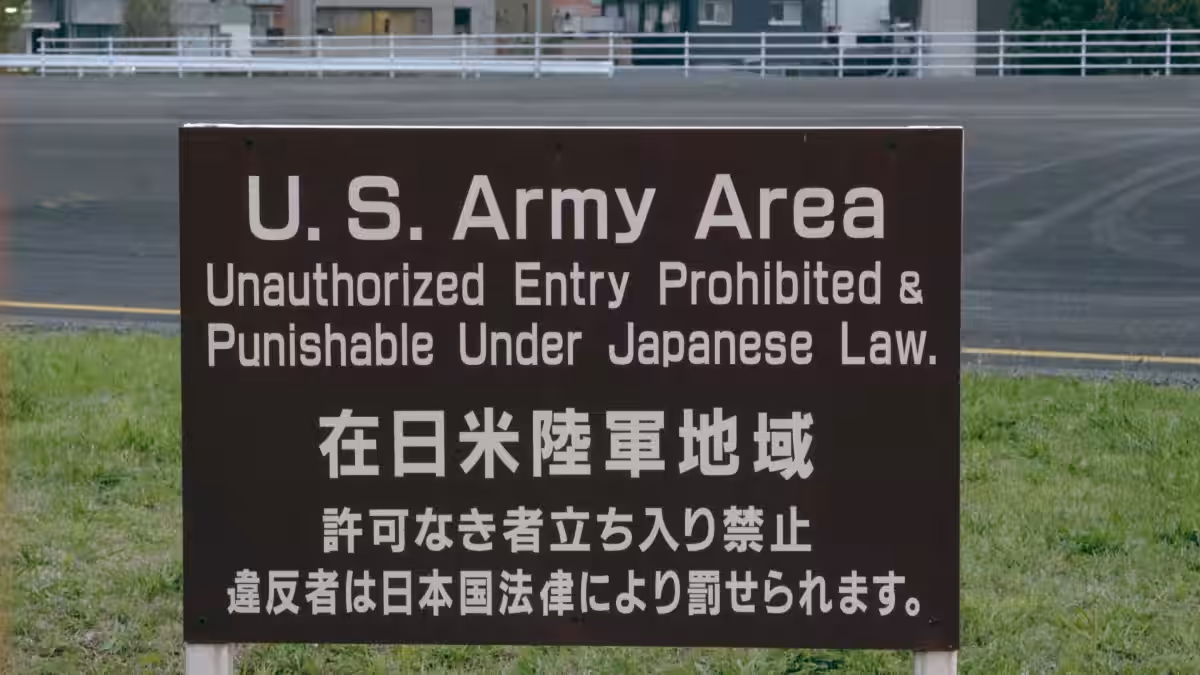
"Tokyo Sky 300 Meters" utilizes key locations such as the US military facility in Roppongi and the Yokota base in western Tokyo, alongside concentrated military areas in Okinawa to highlight the ongoing challenges associated with American military presence in Japan. The documentary is structured in three key chapters, each tackling critical issues surrounding the US-Japan security alliance.
Chapter One: Whose Airspace Is It Anyway?
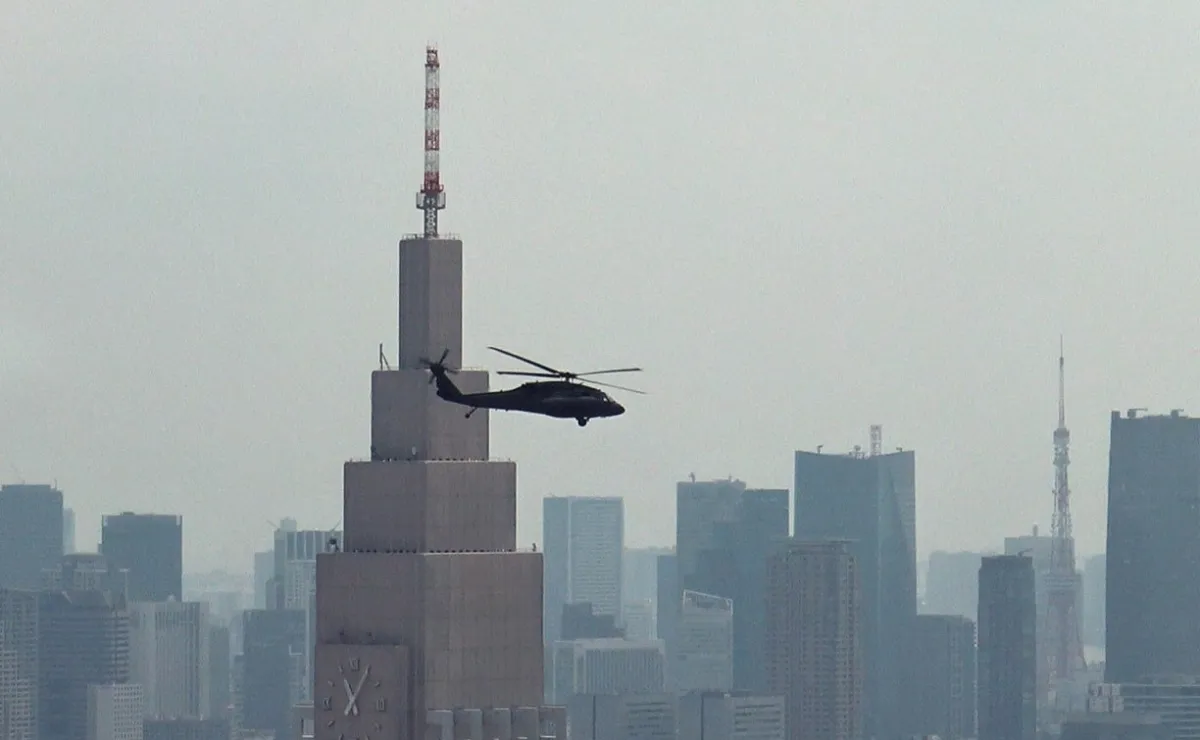
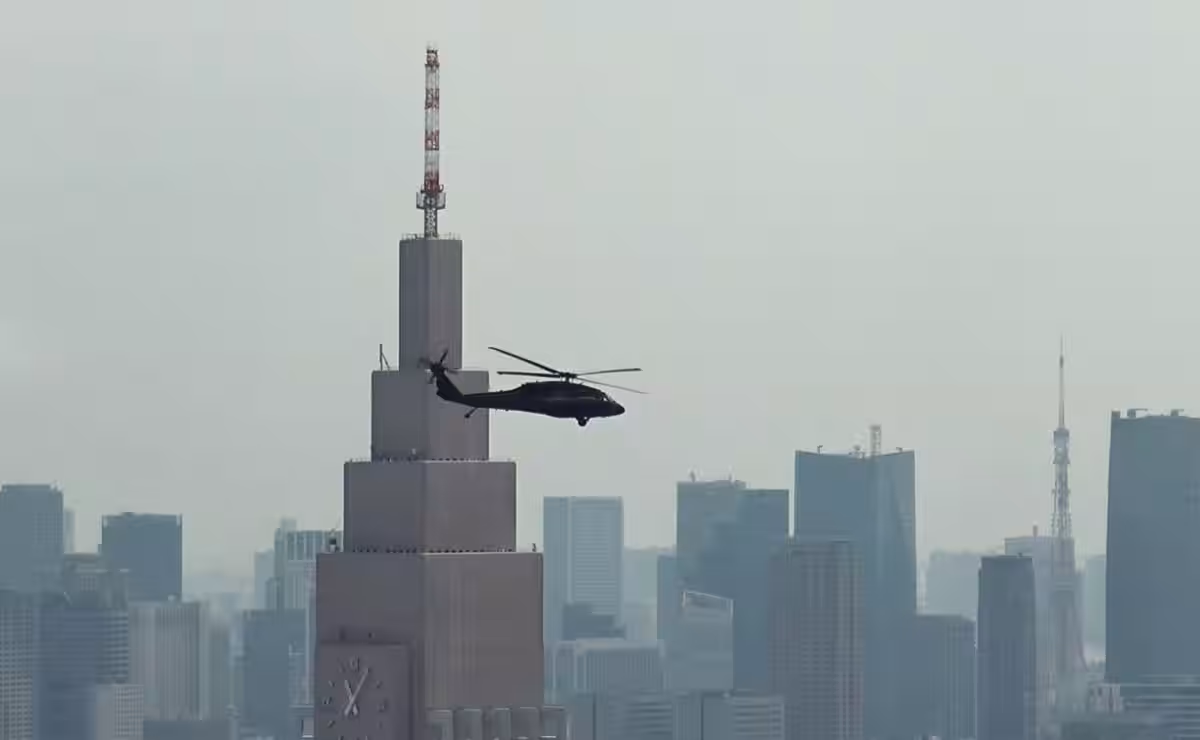
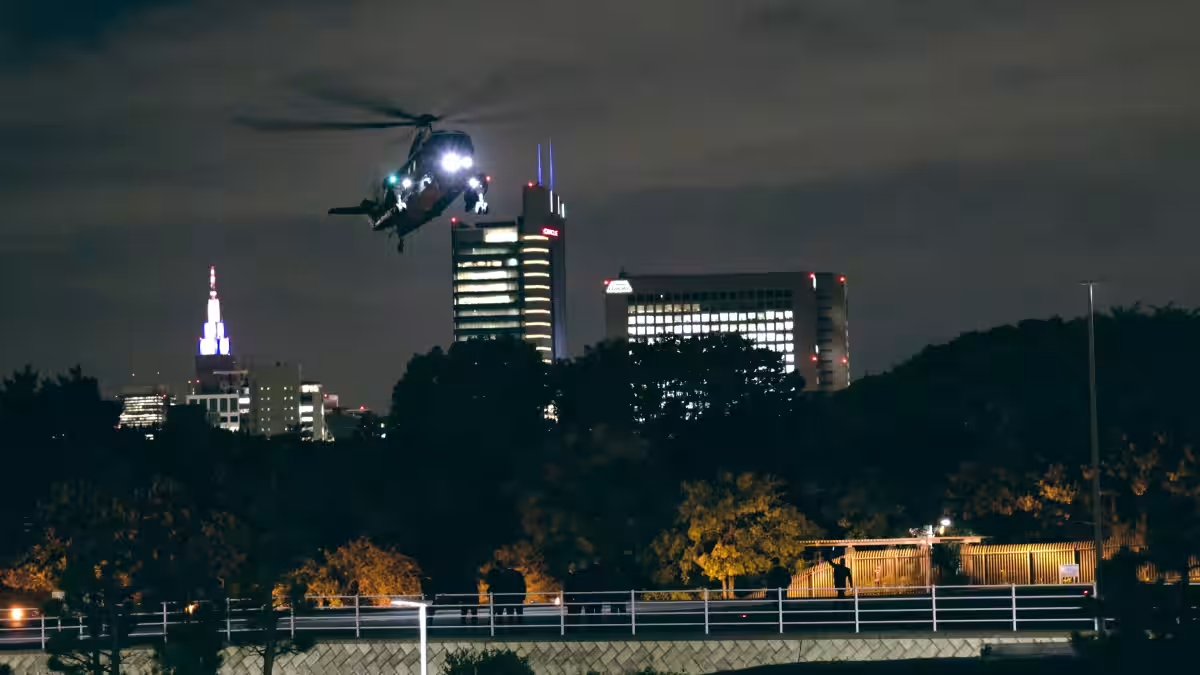
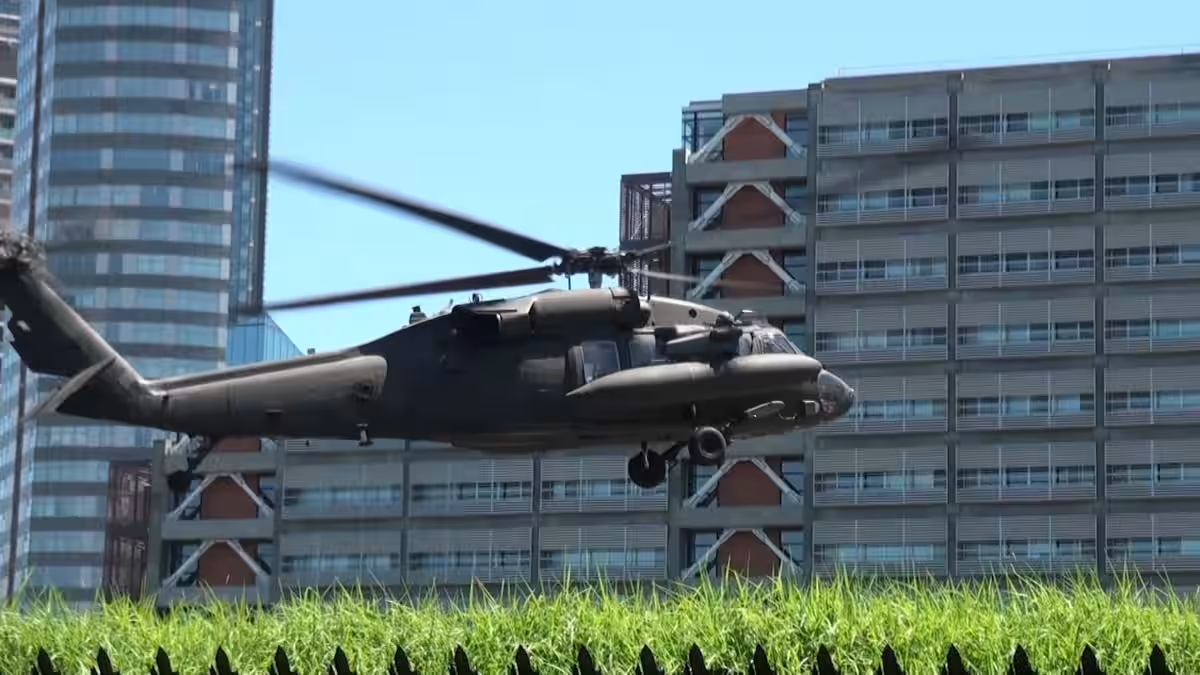
The first chapter delves into investigations conducted by reporters focusing on the operations of US military helicopters flying over urban Tokyo. The shocking reality comes to light with findings indicating that if these flights were conducted by Japanese helicopters, they would be deemed illegal due to the altitude at which they operate. Historical incidents from the past, such as crashes in Machida City in 1964 and Okinawa International University in 2004, are interwoven to portray the persistent issues affecting Japan despite the 81 years of post-war existence.
Chapter Two: Who Is Protecting the Perpetrators?
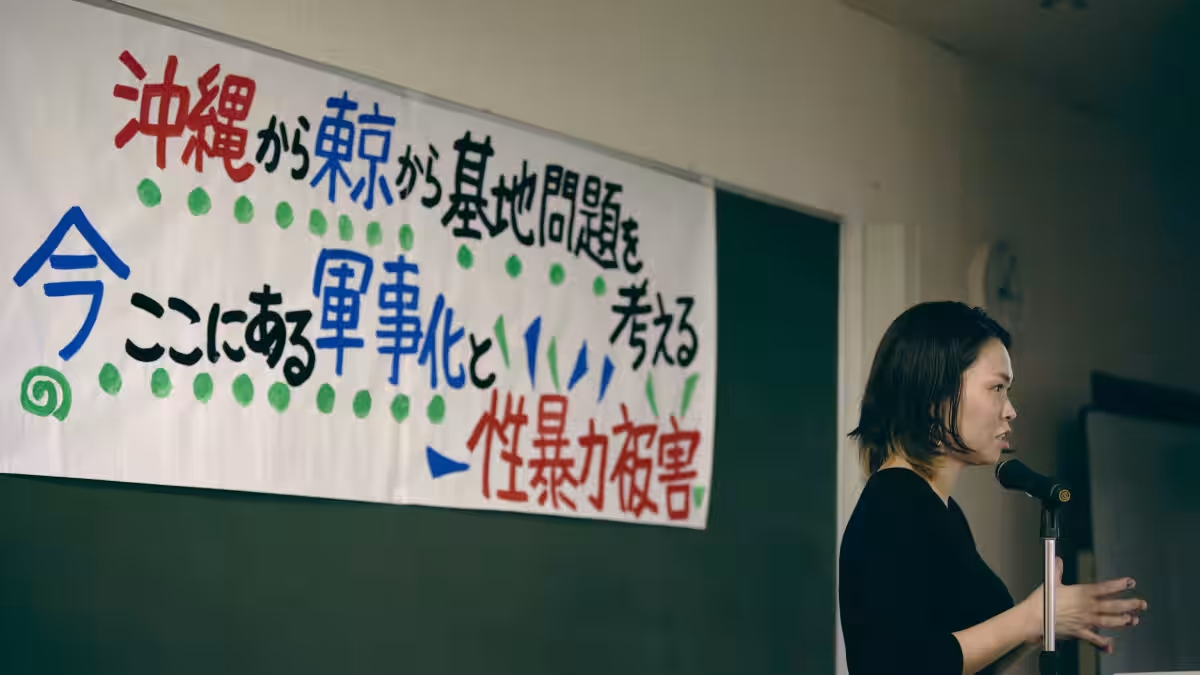
In the second chapter, the film examines the implications of clandestine agreements and the persistent issues of gender-based violence perpetrated by US military personnel. It poses tough questions about the responsibility and accountability of the Japanese government in addressing these heinous acts and protecting citizens.
Chapter Three: Who Are the Military Bases For?
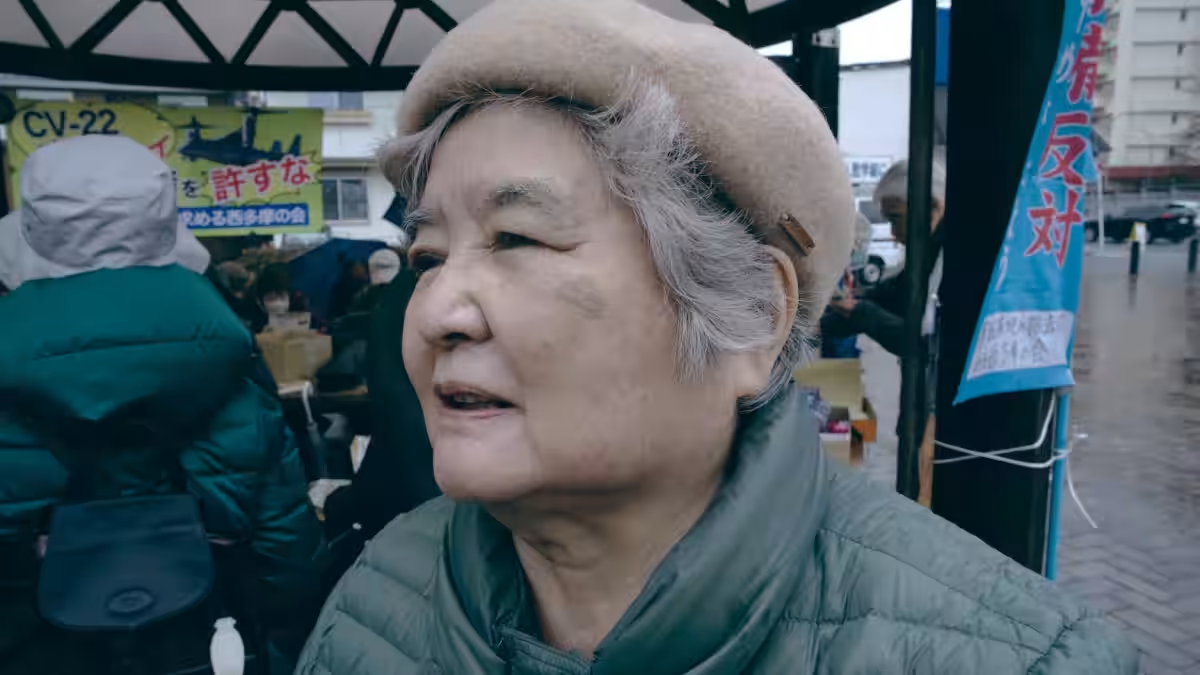
The final chapter hears the voices of ordinary citizens confronting the implications of having military bases on their doorstep. As it concludes, it seamlessly ties into the overarching theme of challenging the accepted norms and realities under the guise of the US-Japan alliance.
A Unique Filmmaking Journey
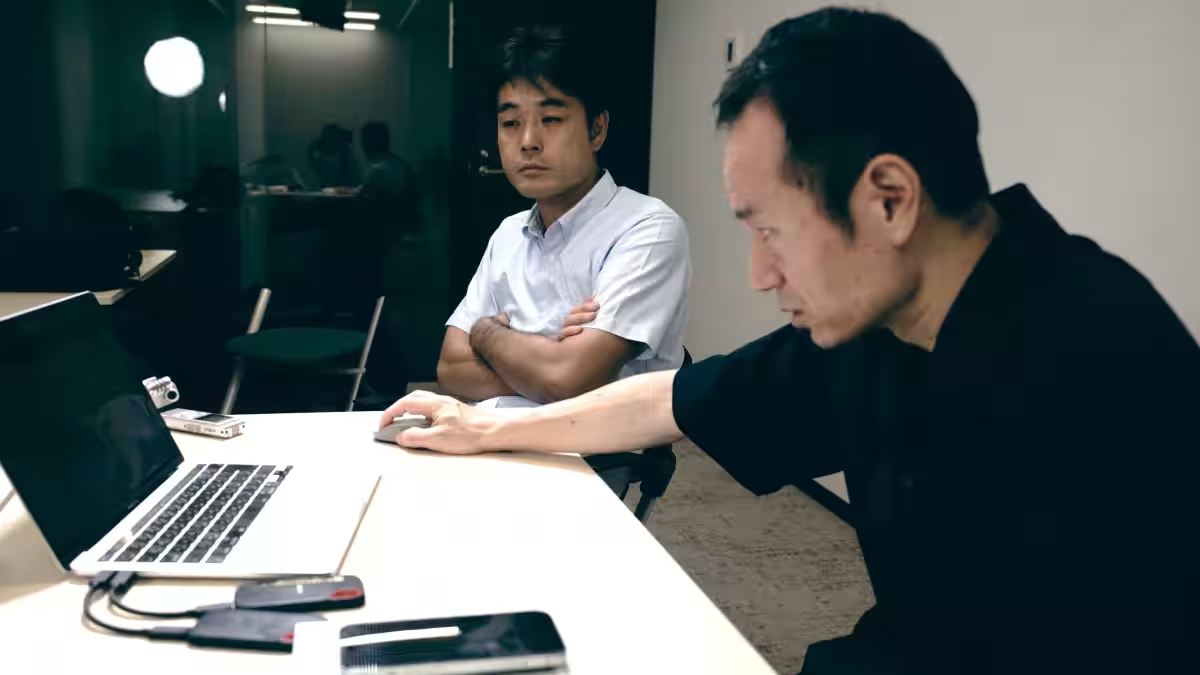
Atsushi Ogaki, the director known for his previous works like "Shunga and the Japanese" and the family-oriented "Suzusan: A Story of Post-War Housekeeping and Family", has meticulously spent two years collaborating with reporters and the local community, conducting interviews to bring this documentary to fruition. With over three documentaries under his belt, this will mark his fourth project.
Ogaki expresses that witnessing US helicopters take off at low altitudes over Tokyo was a shocking revelation that prompted deeper inquiry into the privileges enjoyed by US forces in Japan under the Status of Forces Agreement. He hopes this film will resonate with those interested in critically assessing the implications of such agreements.
Raising Essential Questions Through Investigative Reporting
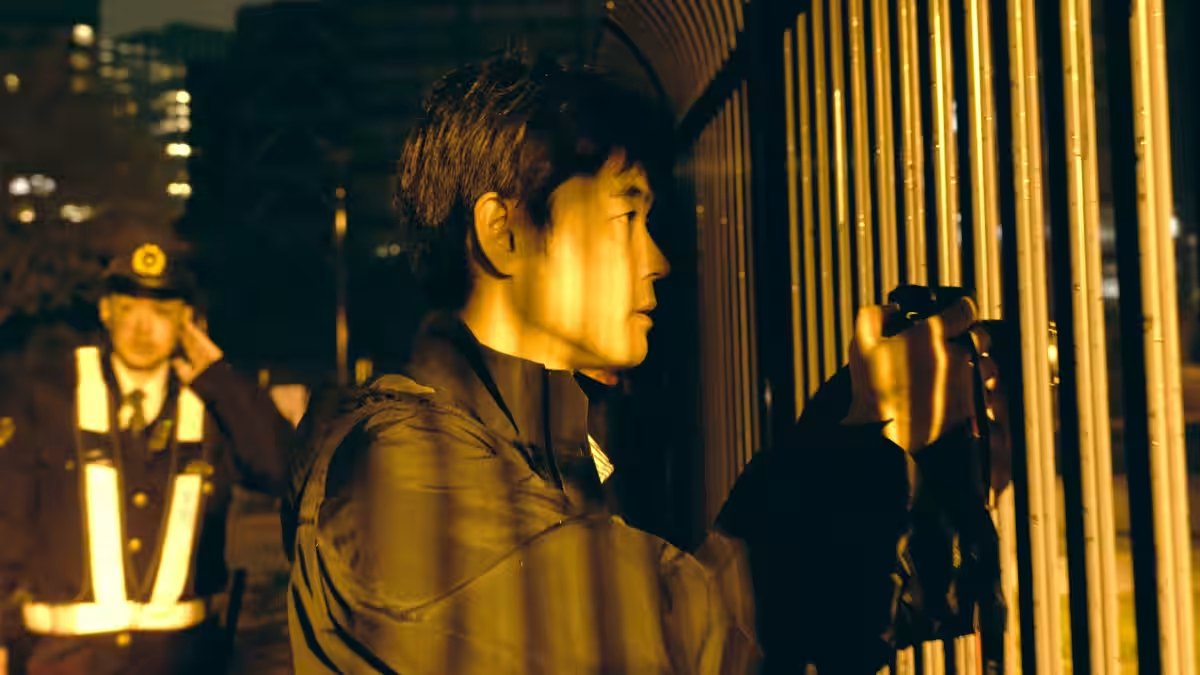
The documentary is grounded in a series of investigative reports initiated in February 2020 by the Mainichi Newspaper titled “Questioning Privileges.” Covering extensive ground in urban Tokyo, the series has continually revealed how US military helicopters often violate altitude regulations that would apply to Japanese aircraft. This project not only aims to expose the privileges enjoyed by US forces but also strives to emphasize broader themes surrounding security arrangements and civil rights.
Throughout this endeavor, the Mainichi Newspaper has pursued a variety of avenues to inform the public, releasing over 100 articles touching upon the multifaceted impacts of US military presence in Japan, a project that earned them the Journalism Award from the Newspaper Labor Federation in 2022.
Conclusion: A Bold Statement by the Journalism Community
As the film prepares for its release, it bears the weight of the criticisms and inquiries surrounding the Japan-US Status of Forces Agreement, which has not seen any revisions since its inception in 1960. The documentary not only addresses this complex relationship but also stands as an example of how newspaper media can venture into filmmaking to provide deeper insights into pressing social issues. Viewers are encouraged to reflect on the dynamics of national sovereignty, security, and citizen rights within the context of this thought-provoking film.

Topics Entertainment & Media)

【About Using Articles】
You can freely use the title and article content by linking to the page where the article is posted.
※ Images cannot be used.
【About Links】
Links are free to use.