



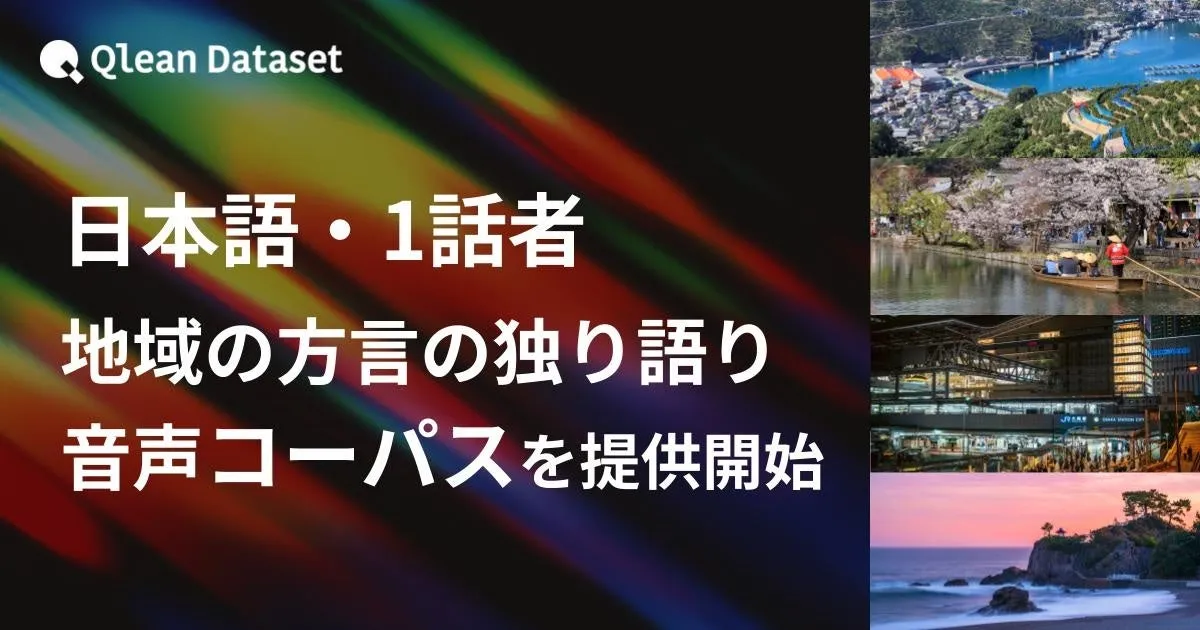
Visual Bank Launches Qlean Dataset Featuring Japanese Regional Dialects for AI Development
Visual Bank Unveils Qlean Dataset for Japanese Regional Dialects
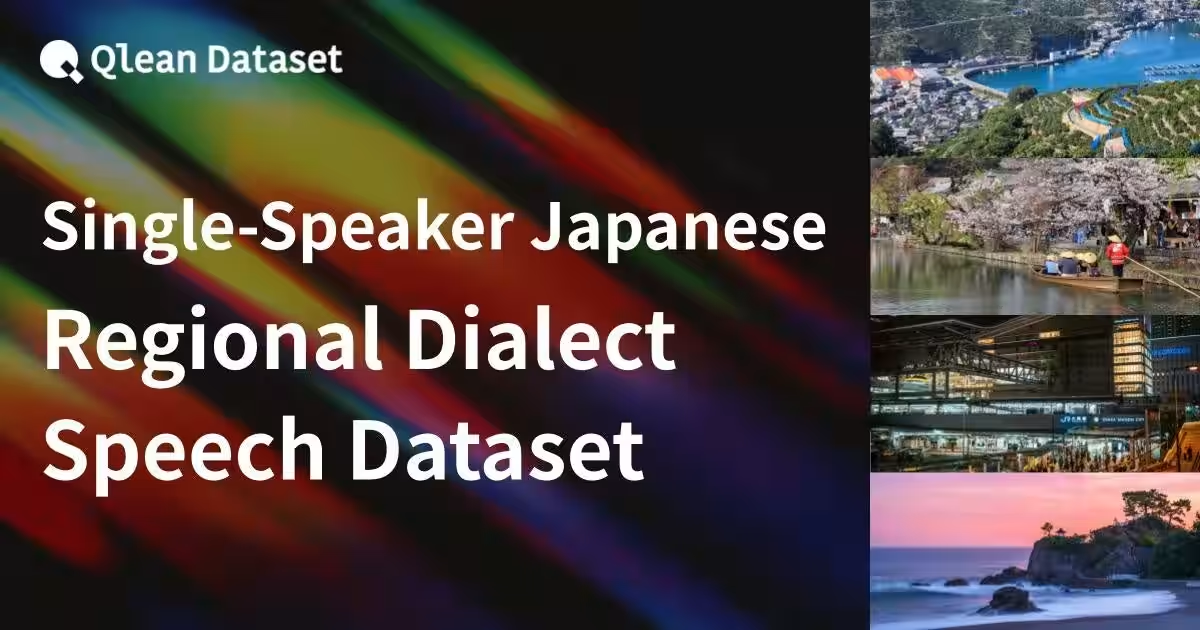
Visual Bank Inc., a tech startup based in Tokyo's Minato Ward, has announced the launch of its new dataset, titled the Japanese Single-Speaker Regional Dialect Monologue Speech Dataset. This addition to the Qlean Dataset initiative promises to enrich AI learning solutions by offering a unique collection of monologue recordings in various Japanese regional dialects.
The aim of this dataset is to provide machine learning researchers and developers with access to audio data that captures the subtleties and nuances of spoken Japanese. By leveraging dialects such as Kansai, Okayama, Iyo, and Tosa, the Qlean Dataset enables comprehensive analysis and evaluation of speech recognition technologies and artificial intelligence voice development. This specialized dataset can be particularly useful in the fields of Automatic Speech Recognition (ASR), speech language models, and generative AI for Japanese-speaking audiences.
The Composition of the Dataset
The dataset includes recordings from Japanese men and women aged between 20 to 60, allowing researchers to analyze a diverse range of speech patterns. Each audio file, lasting an average of 10 minutes, is available in standard formats such as MP3 and WAV, ensuring compatibility with various AI training tools. The total duration of the recordings spans several hundred hours, with content focusing on everyday discussions, personal insights, and reflections, all while keeping a natural cadence and incorporating region-specific expressions.
Focus on Diversity
Visual Bank emphasizes that this dataset is designed to assist in both research and practical applications. By offering recordings that incorporate the unique characteristics of regional dialects, developers can create more robust AI systems. For instance, these audio clips can significantly enhance the accuracy of speech recognition systems in call centers or voice-activated interfaces tailored for users in specific regions of Japan.
Enhancing Research and Development
The potential applications for the Japanese Single-Speaker Regional Dialect dataset are broad and impactful, ranging from enhancing voice recognition technologies to informing the development of dialect-aware speech synthesis systems. For example, it supports:
- - Dialect-Aware ASR Research: Researchers can utilize the dataset to evaluate phonetic variations and improve recognition models that better handle regional dialects instead of relying solely on standard Japanese.
- - Generalization of Speech Language Models: By employing long-form monologue recordings, researchers can assess how well speech models perform with dialectical inputs, paving the way for improved accuracy in real-world scenarios.
- - Prosody and Intonation Analysis: The dataset's diverse array of dialects allows for examinations of natural speech rhythms and patterns, crucial for refined audio synthesis and conversational AI applications.
Customization and Flexibility
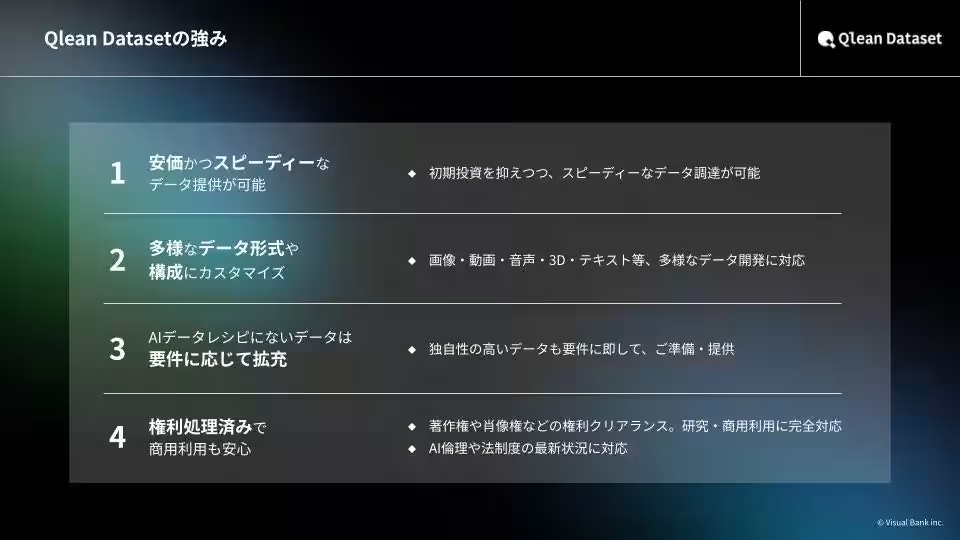
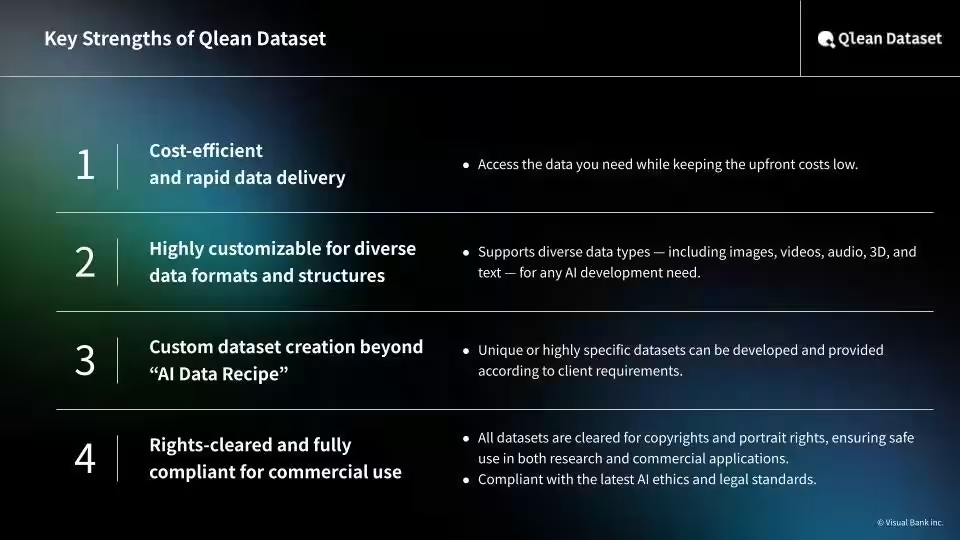
In addition to being a rich resource for existing research, Visual Bank is committed to meeting the specific needs of developers. The company is open to customizing audio data to align with project requirements or conducting new recordings as necessary. This adaptability ensures that the dataset remains relevant and useful for various applications in the ever-evolving landscape of AI technology.
About Visual Bank Inc.
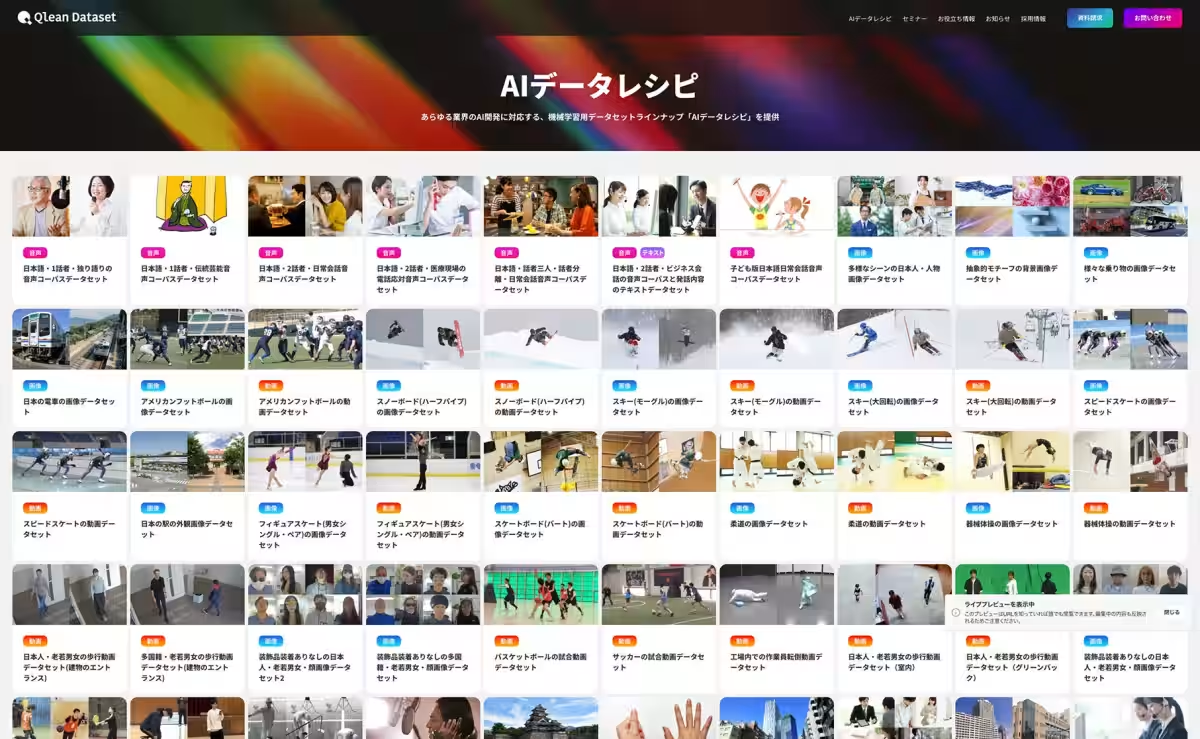
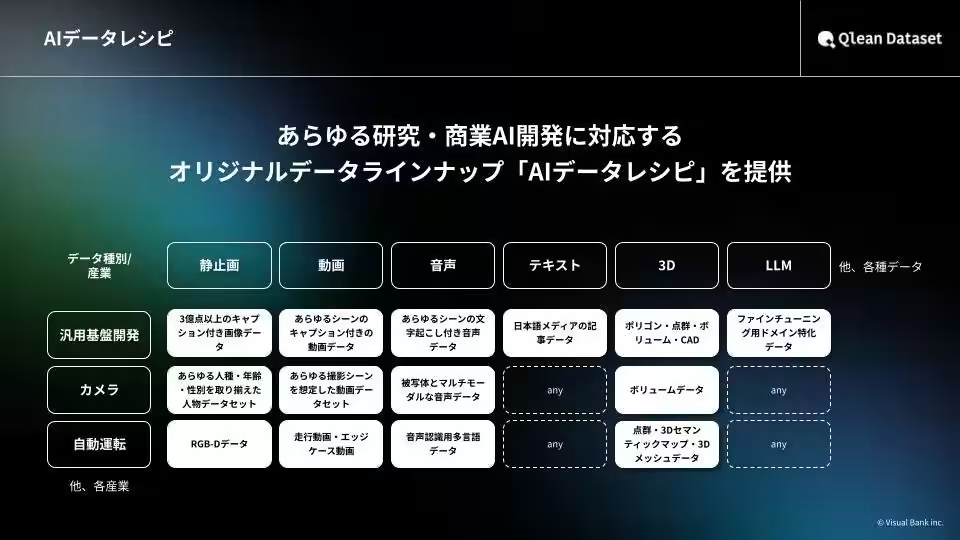
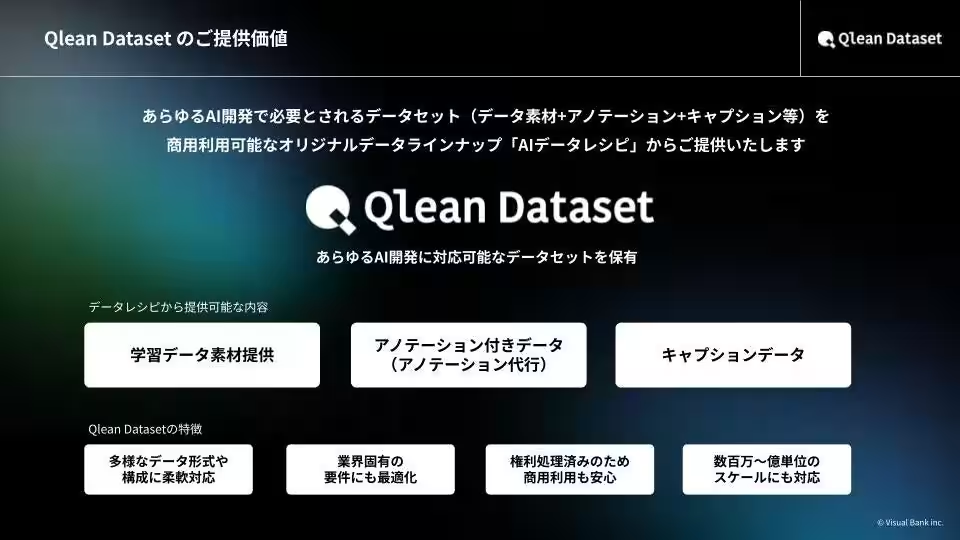
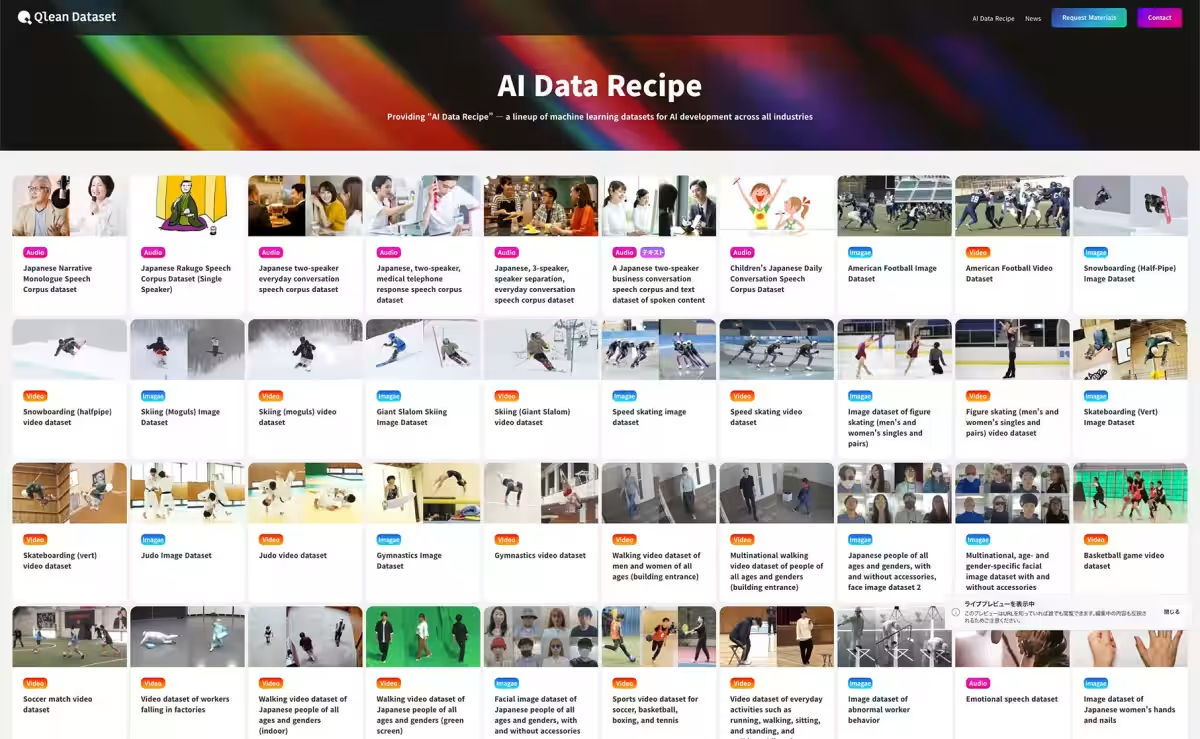
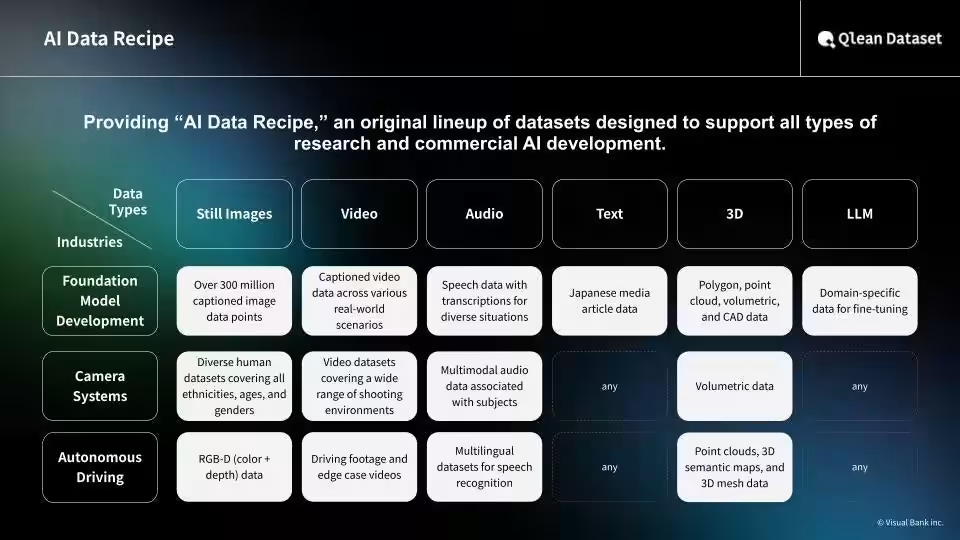
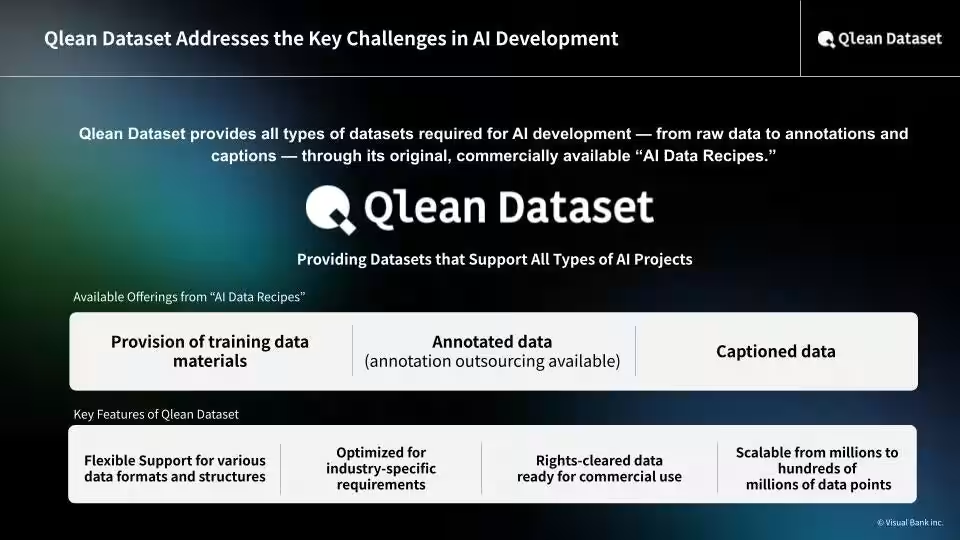
Visual Bank, through its subsidiary Amana Images Inc., provides commercial-use-ready AI training data solutions. The company is deeply committed to enhancing data accessibility for AI applications, equipping researchers and developers with resources that enable meaningful innovations. Their partnerships with organizations like the Chiba Lotte Marines and Toyo Keizai contribute to the continuous growth of their AI Data Recipe, showcasing a robust pipeline tailored for industry needs.
For more information on the Qlean Dataset and to explore its offerings, visit Qlean Dataset Website.
As Visual Bank pushes towards a future of limitless data utilization, their innovative approach promises to unlock new potentials in AI development, setting a standard for industry practices in Japan and beyond.
Topics Consumer Technology)
【About Using Articles】
You can freely use the title and article content by linking to the page where the article is posted.
※ Images cannot be used.
【About Links】
Links are free to use.