



Introducing AutoFork: The Revolution of Automated Forklifting in Logistics
Optimizing Logistics with AutoFork
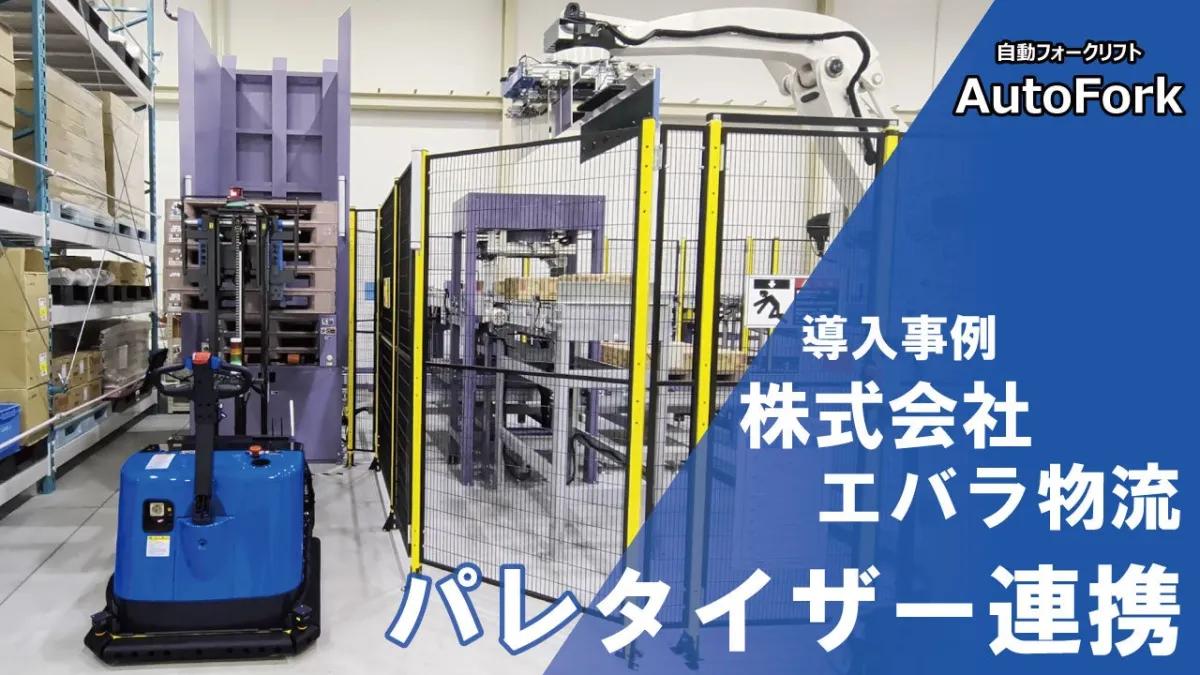
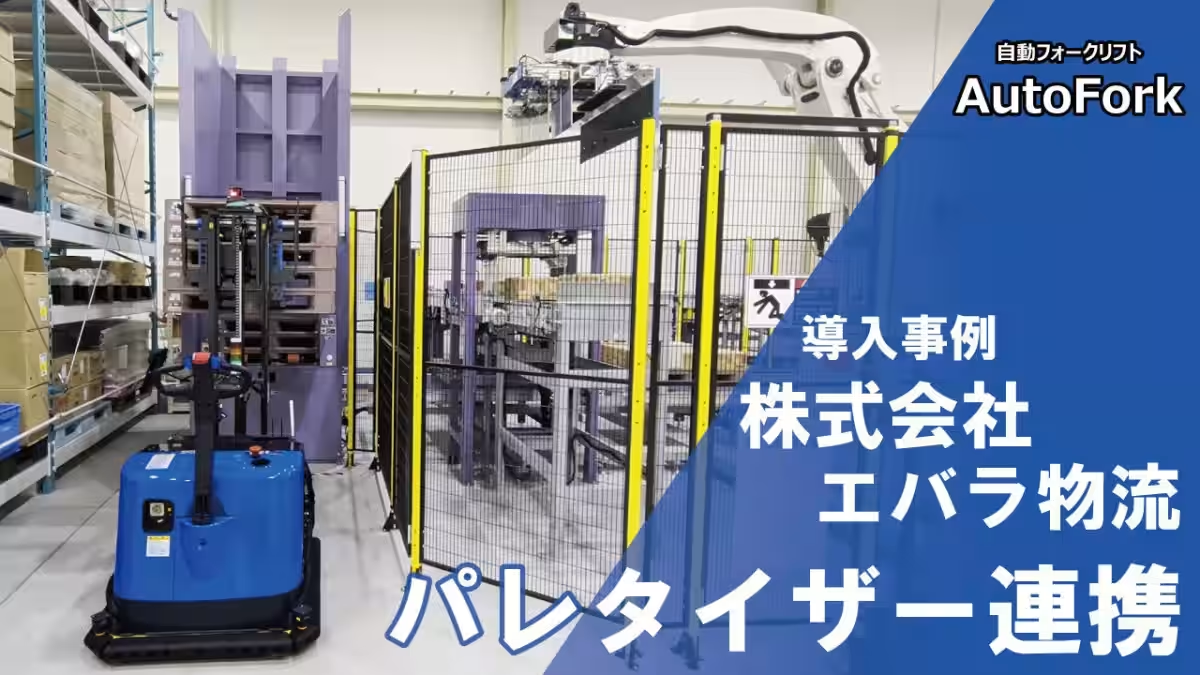
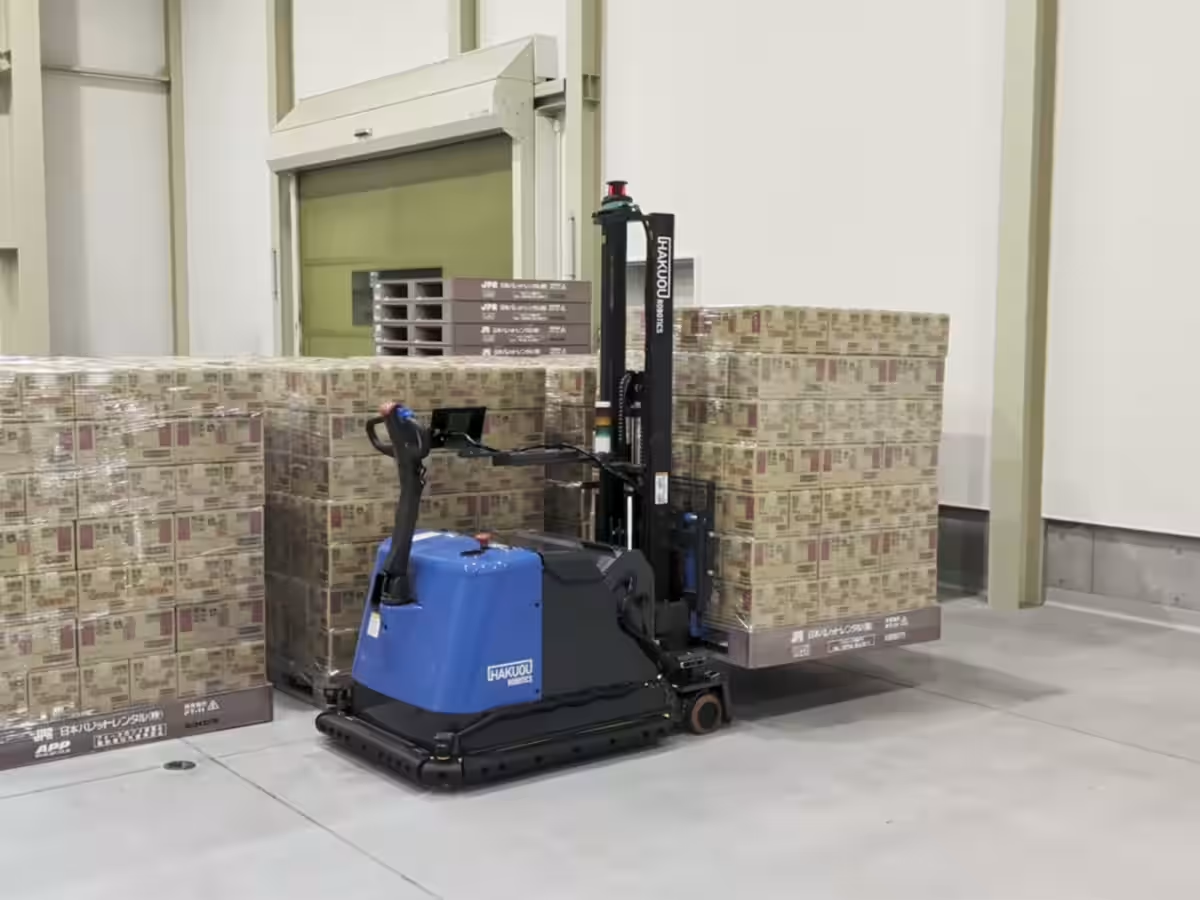
The recent implementation of the AutoFork automated forklift by Hakuou Robotics at Ebala Logistics' Tsuyama Logistics Center is expected to transform logistics operations. This innovative technology automates the movement of finished product pallets from the adjacent Ebala Foods Tsuyama Factory, streamlining not only the handling of completed pallets but also the replenishment of empty pallets.
Background of the Implementation
The Tsuyama Logistics Center primarily handles received pallets filled with products manufactured at the neighboring Ebala Foods facility. The facility's robotic palletizer operates around the clock, necessitating constant handling of finished product pallets and replenishment of empty pallets. Previously, human operators were required to monitor and adjust their pace according to the palletizer’s operational status, which posed challenges during nighttime shifts. This system required a solution to enhance operational efficiency while alleviating the strain on personnel who were tasked with night-time duties.
Evaluation of AutoFork
The decision to adopt AutoFork was influenced by its compatibility with existing robotic palletizers via PLC communication, its capability to automatically detect and restock empty pallet levels, and its adaptability to switch loading patterns based on the product type data received from the palletizers. These features were crucial for establishing a seamless logistics operation.
Operational Setup
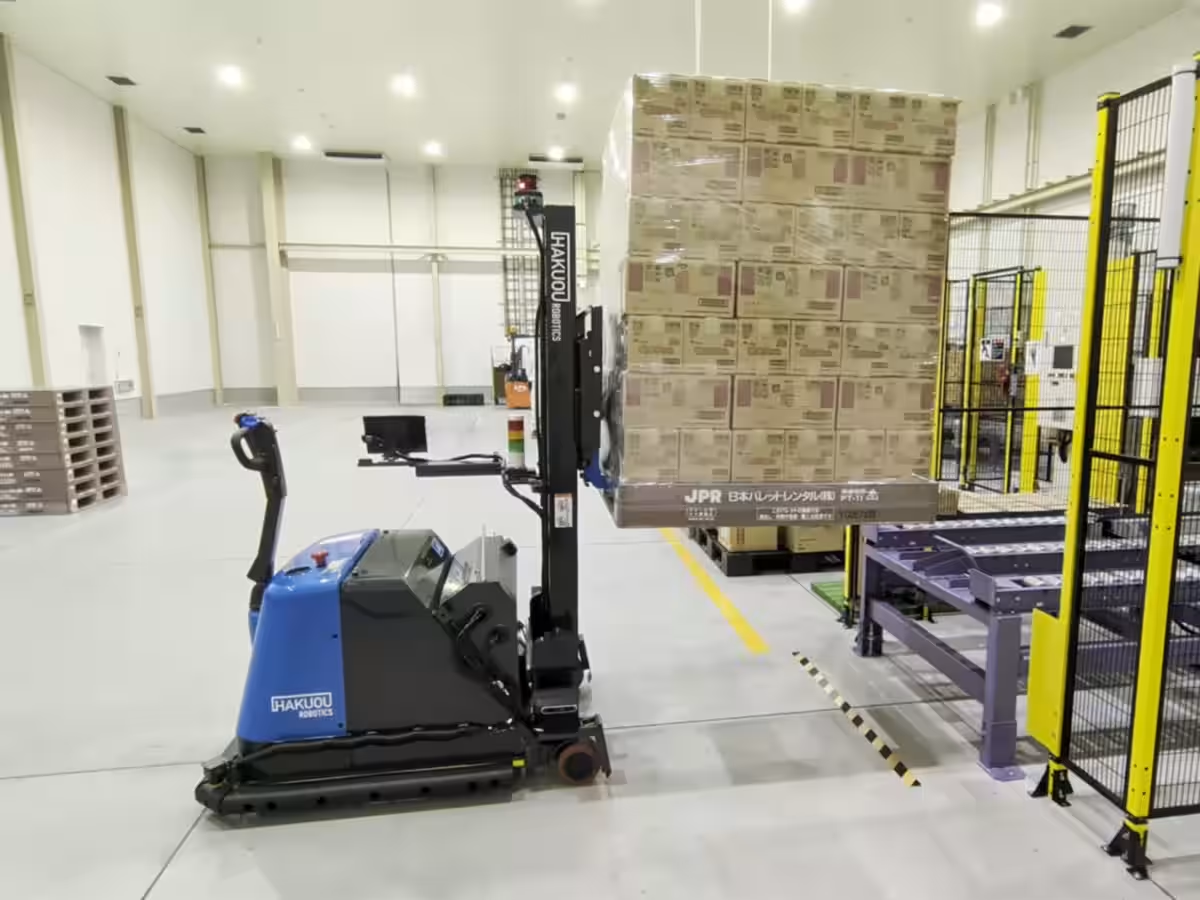
With the culmination of this initiative, the control panel of the robotic palletizer now connects to AutoFork through PLC, enabling real-time exchange of signals regarding the requirements for pallet movement and product type data. Upon receiving a signal for pallet retrieval, AutoFork collects completed pallets from the conveyor and transports them to designated temporary storage areas.
Additionally, sensors installed at the empty pallet inlet detect when the count falls below set thresholds, triggering a replenishment request sent to AutoFork. By promptly supplying empty pallets to the inlet, the need for constant human oversight is eliminated, ushering in a more autonomous and efficient system. Furthermore, AutoFork is capable of adjusting its loading patterns based on the height and weight of the goods, switching between single and double stacking when necessary.
Impact of Implementation
The AutoFork system is designed to handle approximately 50 pallets per day, markedly automating the retrieval of finished product pallets and the replenishment of empty ones around the palletizer, establishing a more organized mechanism that does not require constant human presence.
Future Prospects
Moving forward, there are plans to further optimize operations based on actual performance data and to explore potential deployment at other facilities, expanding the benefits of automation throughout the logistics network.
About AutoFork
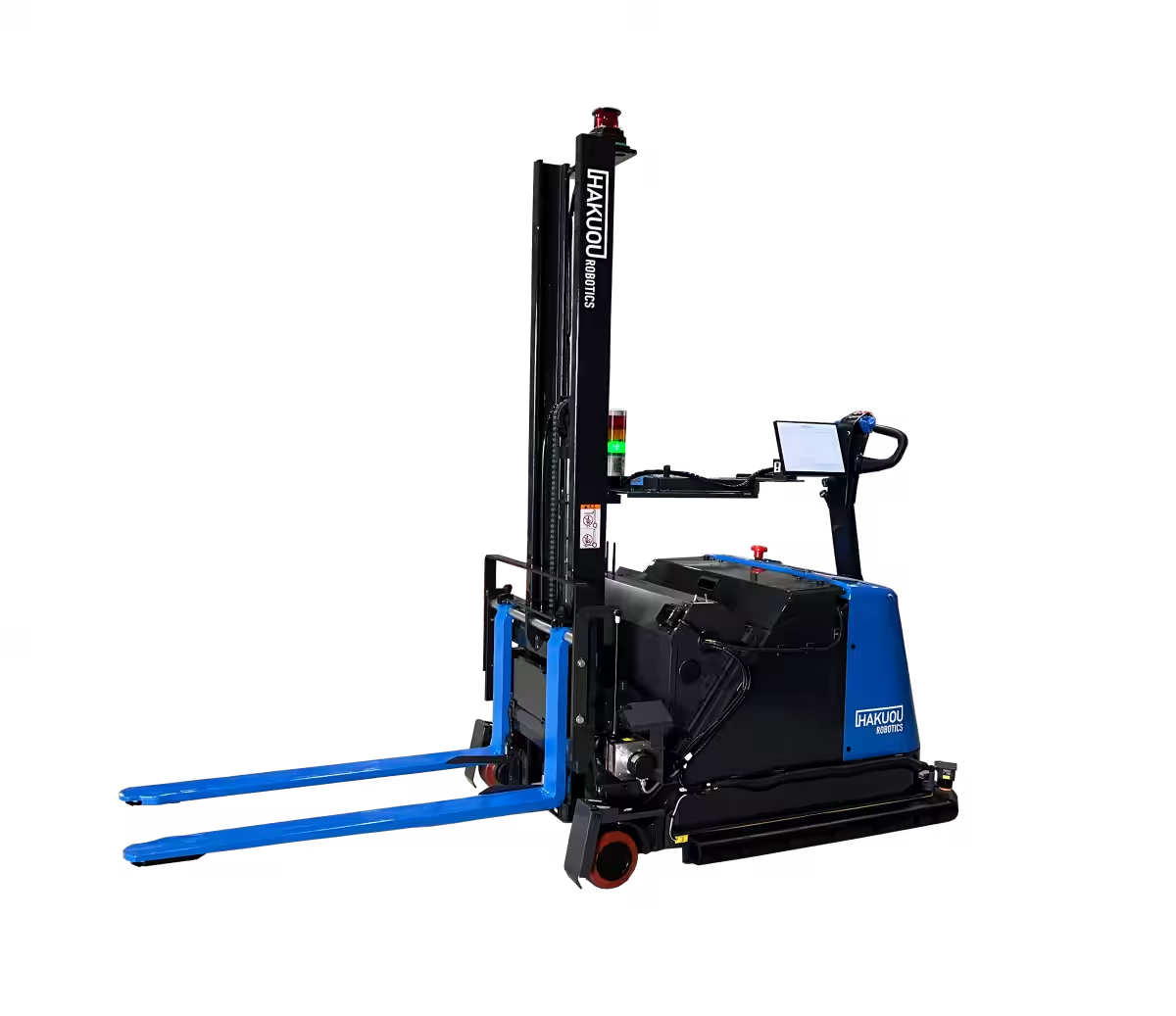
AutoFork is a compact automated forklift designed to handle intra-warehouse and intra-factory transport. It features proprietary autonomous operation software and object recognition technology for efficient multi-pallet recognition. The forklift’s ease of setup allows it to commence operations on the same day of delivery, maintaining a high level of practical utility and ease-of-use for logistics solutions.
Learn more about AutoFork here.
About Hakuou Robotics
Located in Arakawa, Tokyo, Hakuou Robotics was founded with the mission of achieving complete automation in logistics. Since its establishment in 2022, it has focused on the development and sale of the AutoFork, pioneering the future of automated logistics using advanced robotics technology. With a continuous commitment to innovation, Hakuou Robotics is poised to redefine the logistics landscape.
For more information, visit Hakuou Robotics.
Topics Consumer Products & Retail)
【About Using Articles】
You can freely use the title and article content by linking to the page where the article is posted.
※ Images cannot be used.
【About Links】
Links are free to use.