



Growing Concerns Over E-Learning Fraud Amid Rising Mitigation Efforts in 2025
E-Learning Fraud Concerns: Rising Awareness and Mitigation Strategies
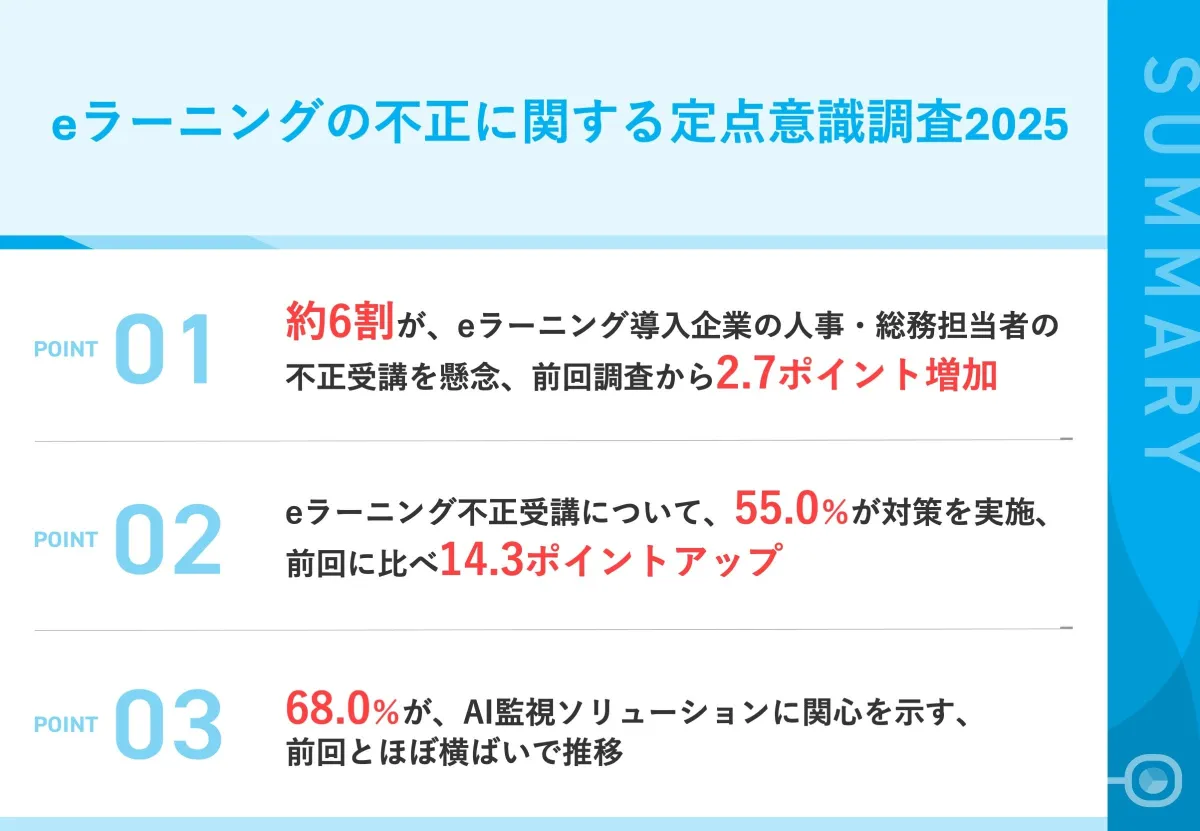
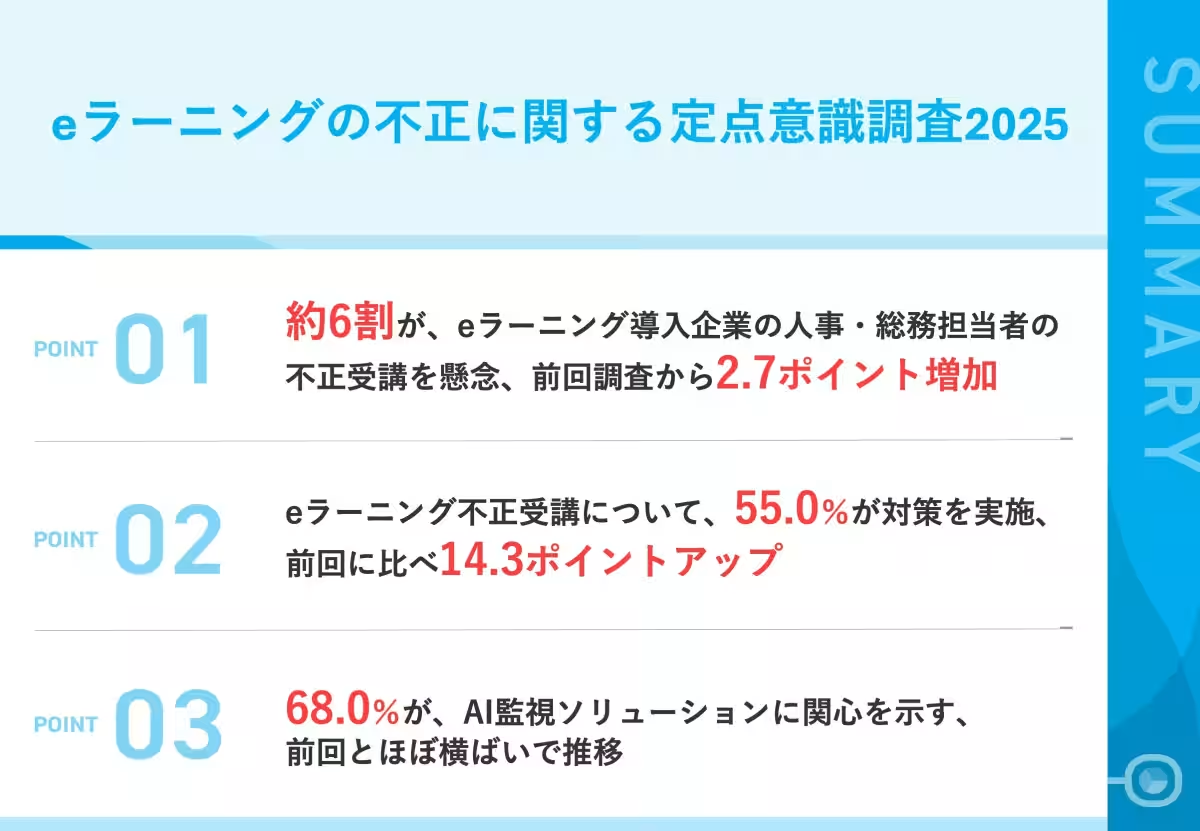
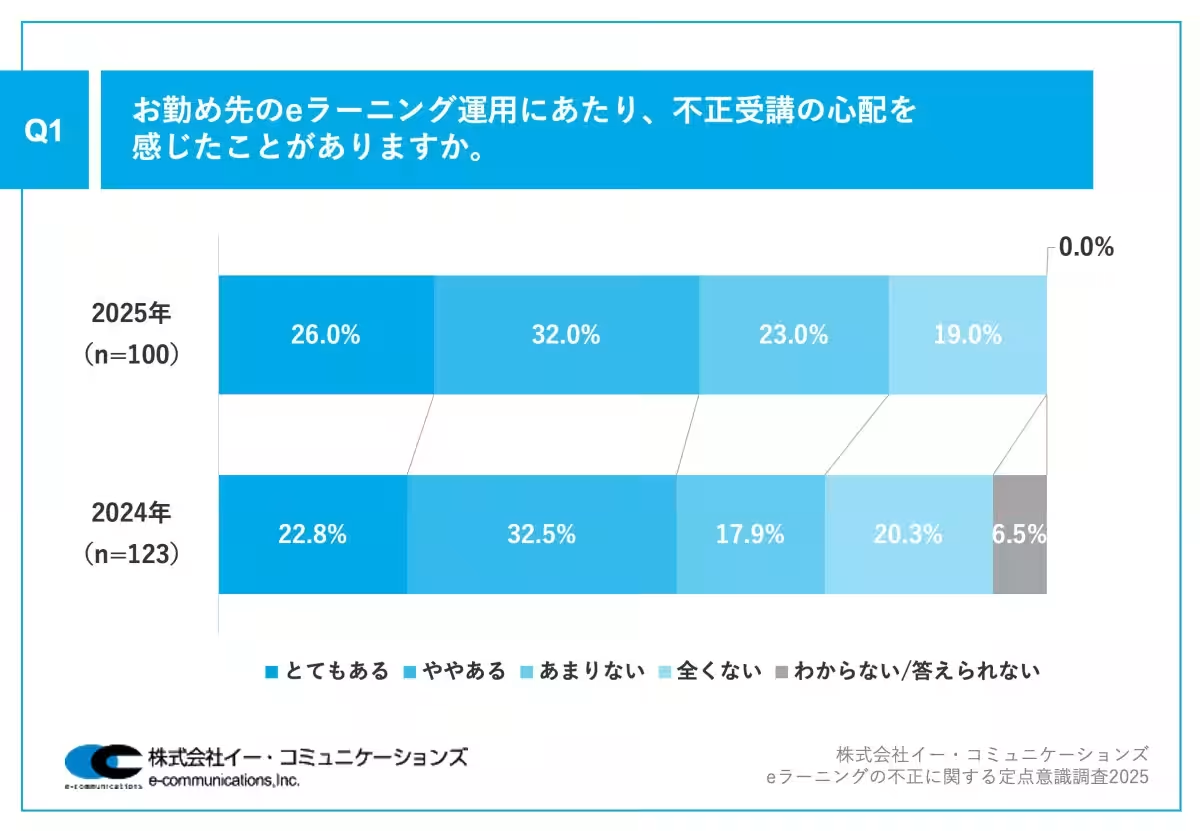
As companies increasingly turn to e-learning for employee training, the accompanying risks of fraud are becoming a growing concern. A recent survey conducted by E-Communications Corp., which involved 100 HR and administrative personnel from organizations implementing e-learning, revealed that 58% are worried about fraudulent attendance. This marks a 2.7 percentage point increase from the previous year.
Overview of the Study
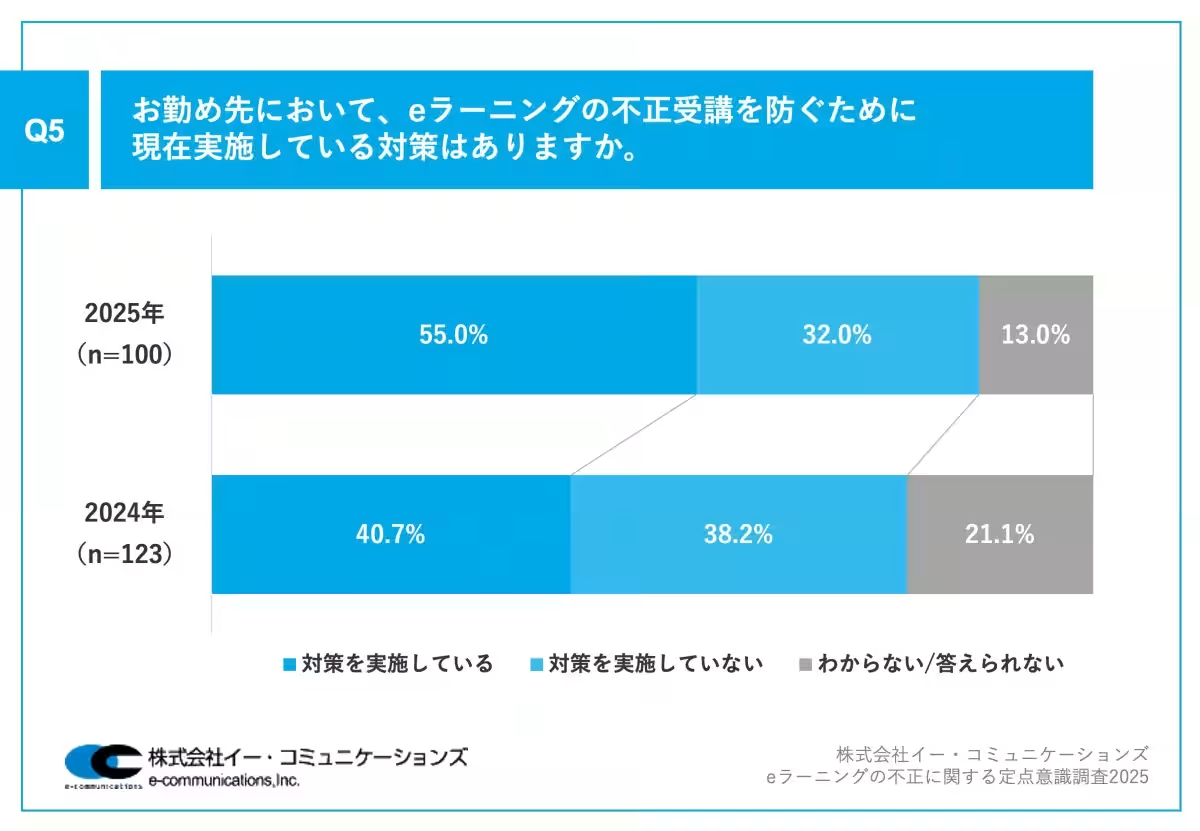
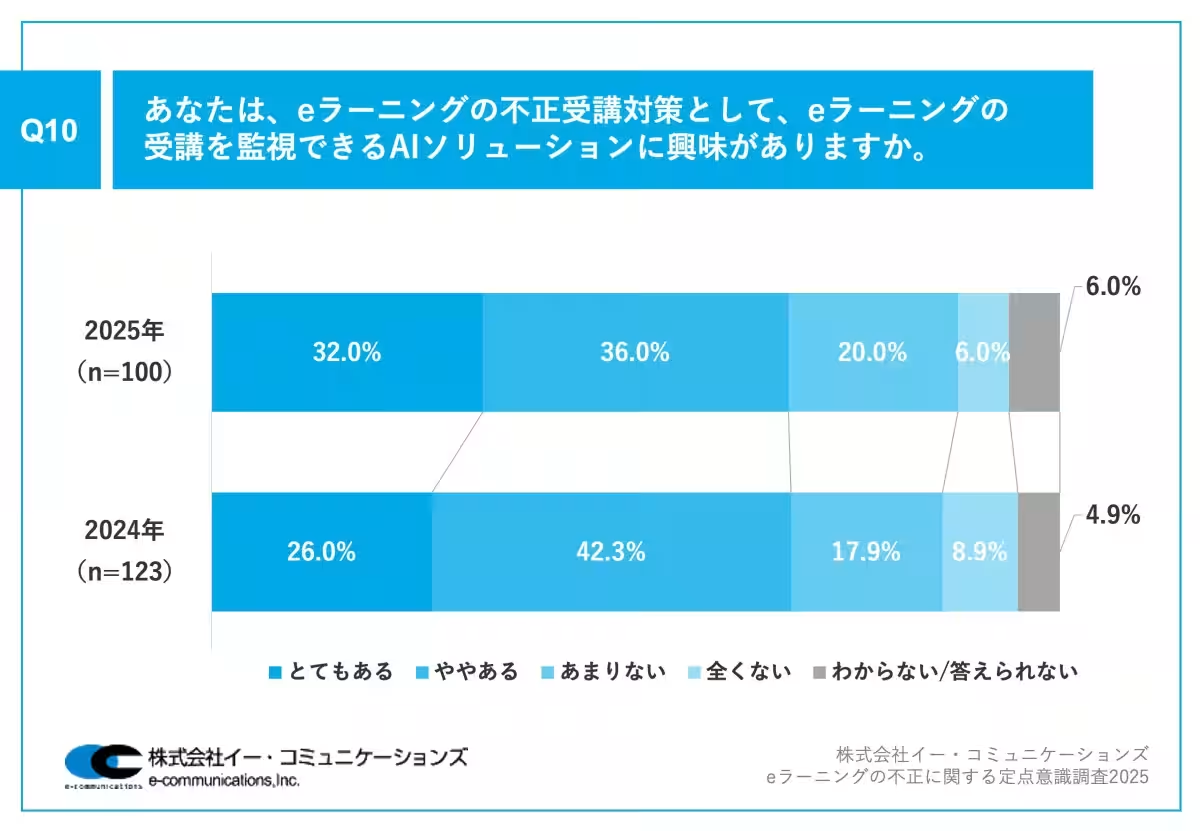
The 2025 Awareness Survey on E-Learning Fraud aims to track the recurring issues and the effectiveness of prevention strategies across businesses. The significant concern is underscored by a notable 14.3 percentage point rise in companies implementing countermeasures, with 55% affirming they have strategies in place to combat this issue. Moreover, an impressive 68% of respondents expressed interest in utilizing AI monitoring solutions to ensure compliance in e-learning attendance.
Insights into Fraudulent E-Learning Policies
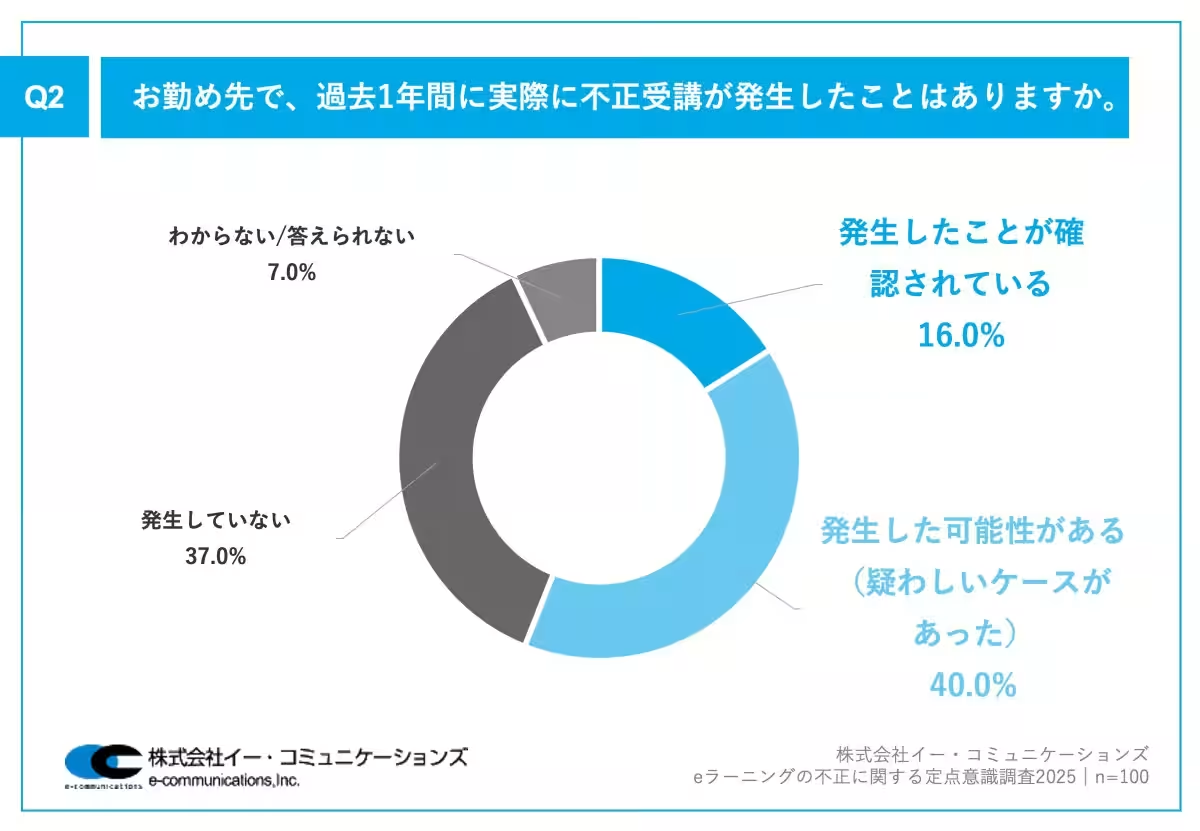
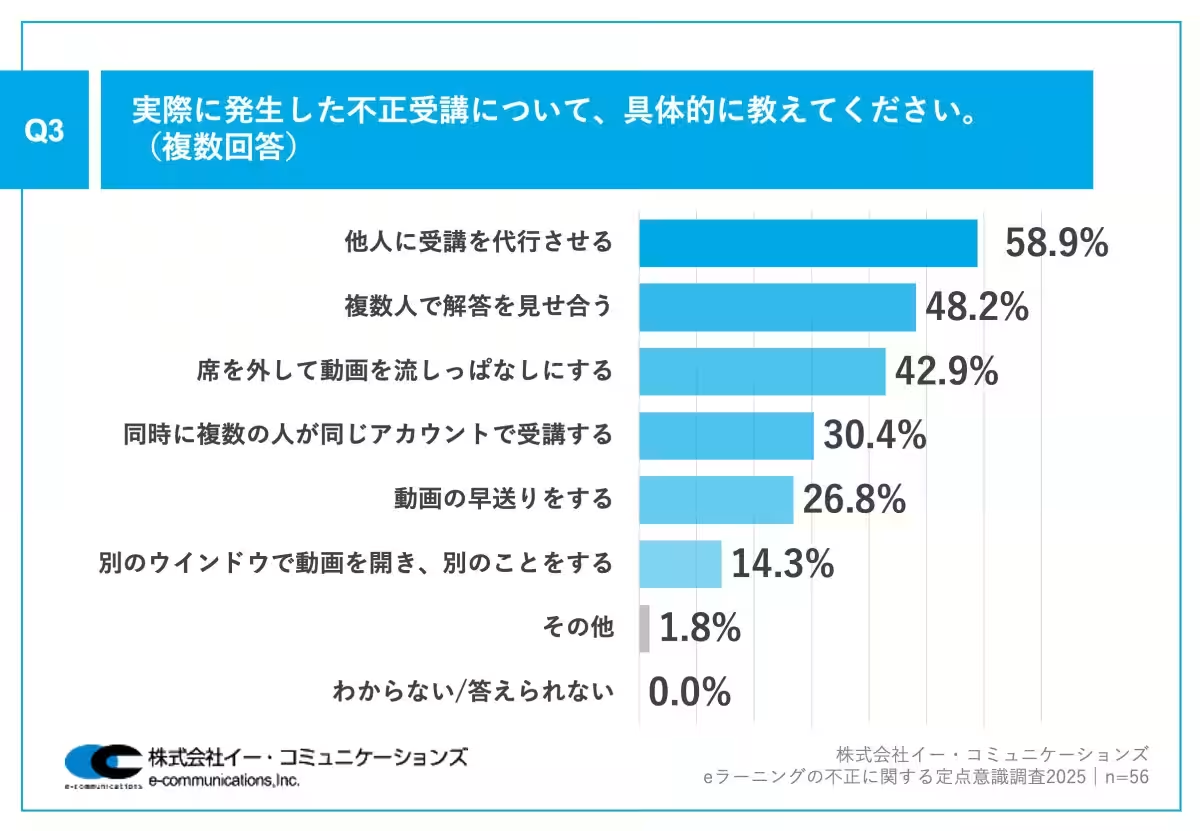
A closer look at the data reveals that a staggering 56% of respondents have either confirmed the occurrence of e-learning fraud or consider it plausible. Specifically, 16% acknowledged confirmed fraud cases, while 40% suspected potentially fraudulent activities within the past year. When asked to detail the nature of fraudulent activities, 58.9% of the confirmed cases reported that attendance was falsified by having others take the courses and exams on their behalf. In addition, 48.2% indicated instances of participants sharing answers, illustrating the multifaceted nature of the problem.
Consequences of E-Learning Fraud
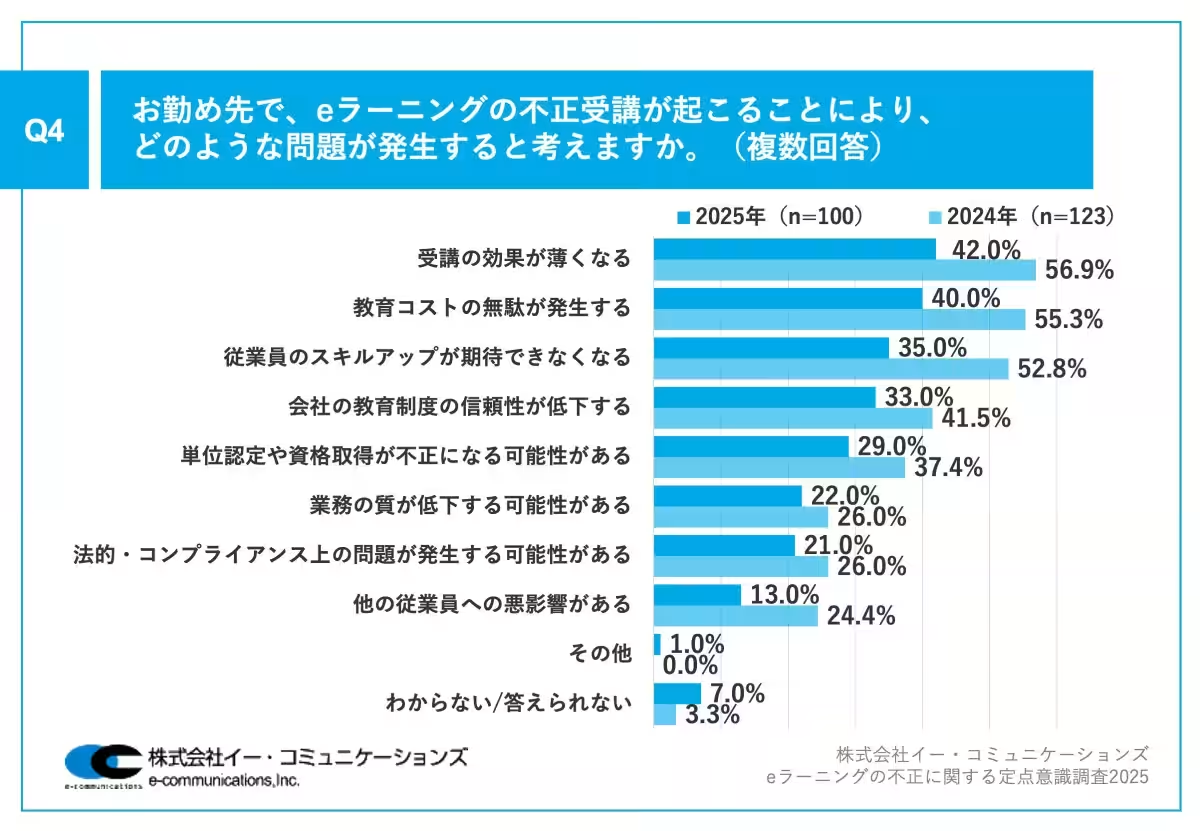
Fraudulent activities in the context of e-learning pose various issues. A notable 42% of respondents believe that these practices dilute the efficacy of the training, while 40% are concerned about unnecessary expenditures on educational services. Other highlighted issues include the decreased skill development of employees (35%) and compromised trust in the organization's educational protocols (33%).
Increased Mitigation Efforts
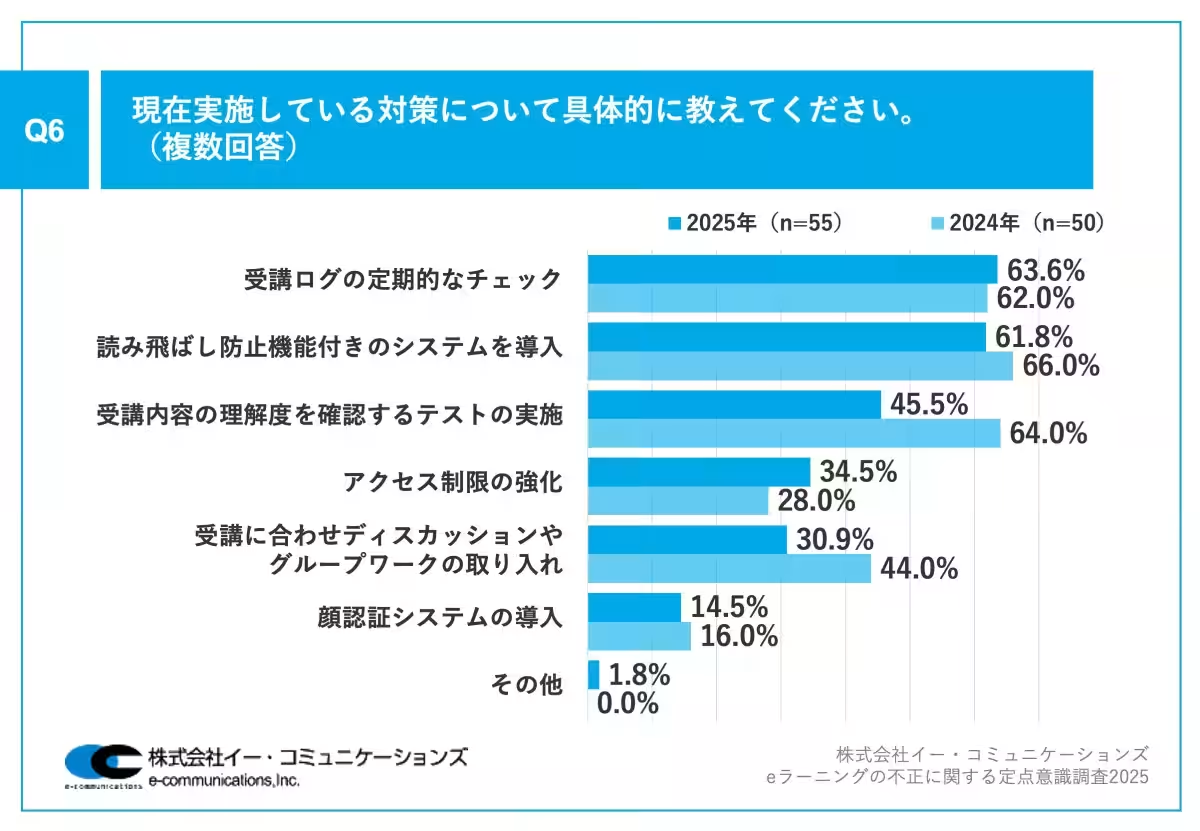
The survey indicates that companies recognize the need for stronger fraud prevention strategies. While 55% implement mitigating measures, these strategies are varied in nature. The most commonly adopted tactic is the periodic checking of attendance logs, employed by 63.6% of organizations. Furthermore, systems designed to prevent content skipping have also gained traction, utilized by 61.8% of participating companies. Additionally, conducting tests to verify understanding has become a standard, engaged by 45.5% of firms.
Effectiveness of Strategies and Need for Improvement
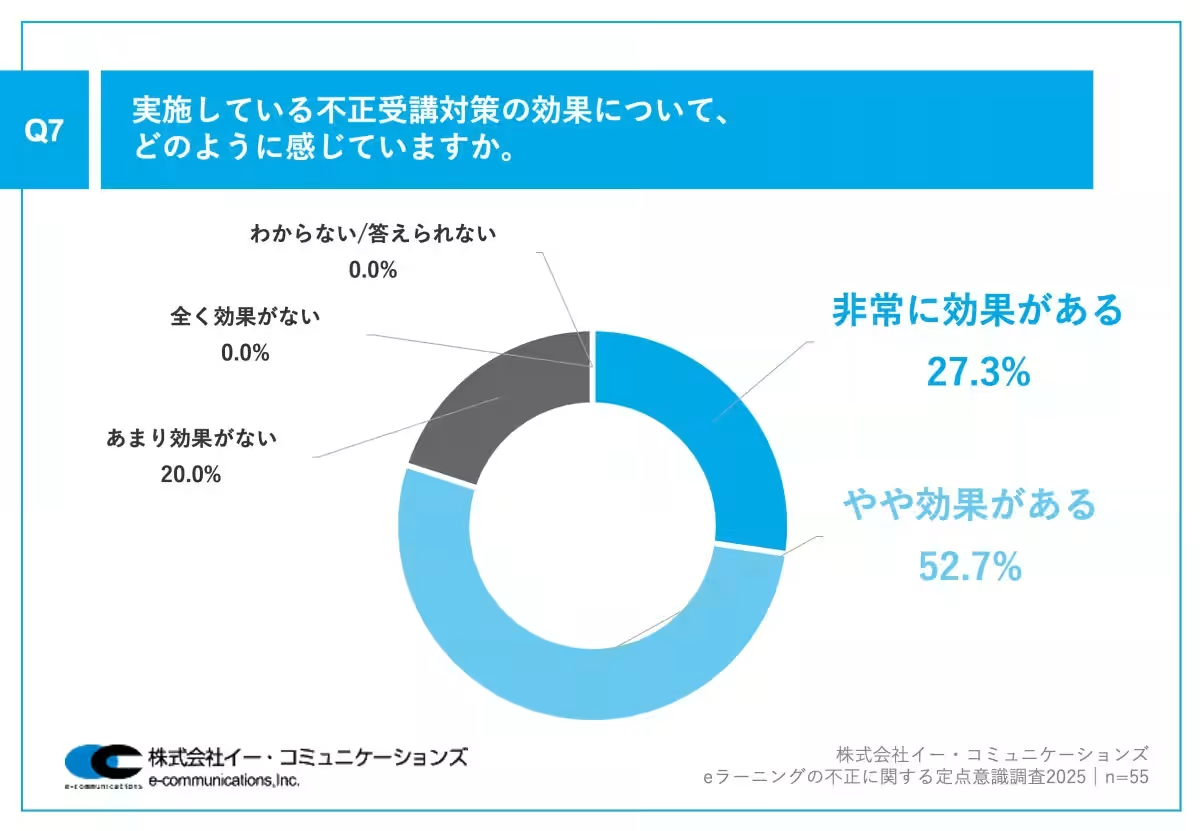
Reflecting on the effectiveness of their preventive measures, 80% of companies that have implemented strategies report feeling that they have made a significant impact. However, a considerable 71% believe there is still a pressing need for enhanced systems to combat e-learning fraud, representing a 1.2 percentage point increase from the prior year.
Barriers to Effective Fraud Prevention
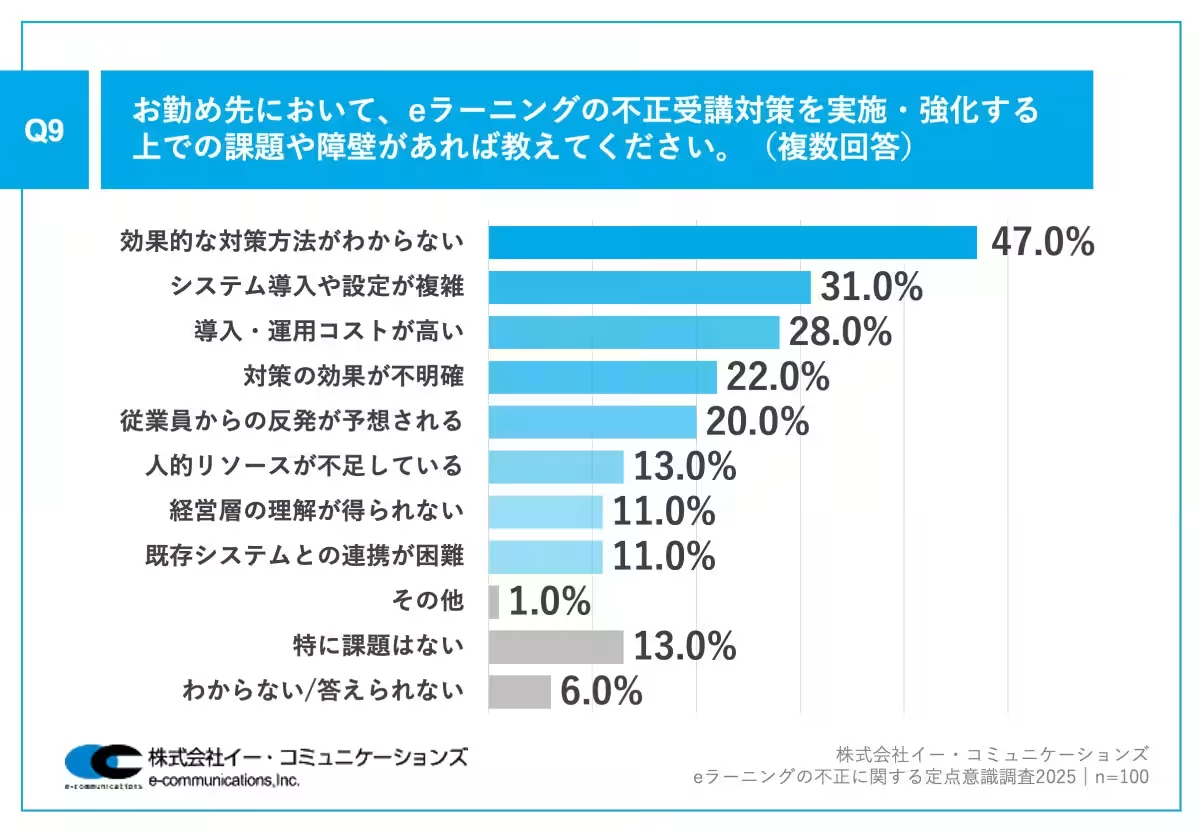
The survey also shed light on challenges faced when strengthening fraud prevention measures. 47% of respondents cited a lack of knowledge regarding effective methods as the principal barrier. Other notable obstacles included the complexity associated with system installation and settings (31%) and high costs related to implementation and operational procedures (28%).
The Role of AI in Mitigating E-Learning Fraud
Looking ahead, the interest in AI-based monitoring solutions appears robust, with around 68% of respondents indicating they are intrigued by technologies capable of overseeing e-learning engagement. This consistent interest highlights a growing trend toward leveraging technology for educational integrity, aligning a broader corporate goal of maintaining effective training while mitigating costs.
Conclusion
This survey clearly illustrates the increasing recognition among HR personnel about the risks associated with e-learning fraud. Despite the implementation of various countermeasures, a significant level of concern remains regarding fraudulent behavior among participants, as well as the efficacy of current training processes. The challenge lies in striking a balance between ensuring rigorous educational practices and fostering an environment conducive to legitimate learning experiences. With ongoing advancements in AI technology, companies may increasingly rely on these systems to uphold the integrity and effectiveness of their e-learning initiatives.
For those interested in delving deeper into the data, the complete findings of the survey can be accessed here.


Topics Consumer Technology)
【About Using Articles】
You can freely use the title and article content by linking to the page where the article is posted.
※ Images cannot be used.
【About Links】
Links are free to use.