




CESA Releases Comprehensive 2025 Game Industry Report with Insights
Introduction
On December 15, 2025, the Computer Entertainment Supplier's Association (CESA) published its comprehensive annual report titled 'CESA Game Industry Report 2025.' This report encapsulates the latest trends and developments within the gaming industry, both domestically and internationally. With a significant overhaul from the previous year's edition, it offers expanded analysis on critical topics essential for understanding today's gaming landscape, such as advancements in AI technology, shifts in the global market, and trends in domestic and international regulations.
Key Features of the Report
1. AI Technology and Game Development
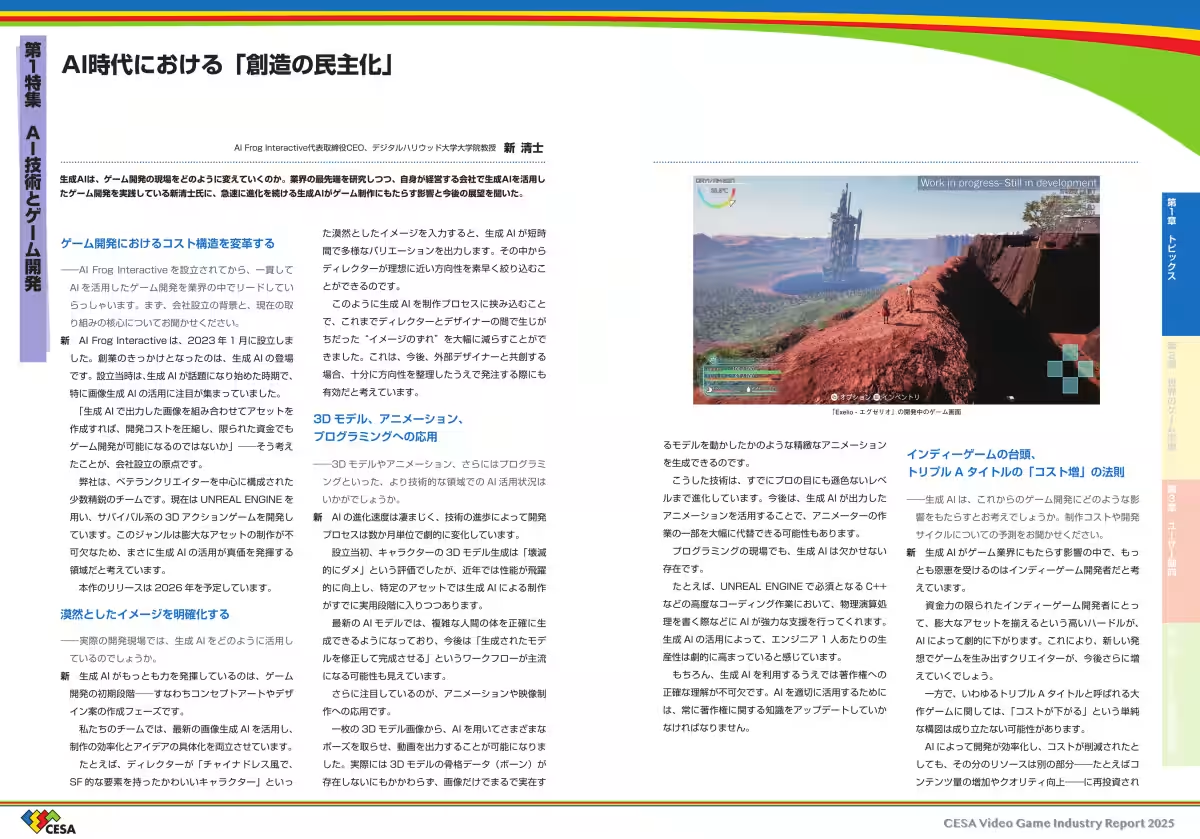
The first chapter serves as a testament to the current state of the gaming industry, focusing on three primary themes. The feature on AI technology and game development includes contributions from domestic researchers and creators who delve into the changes brought by generative AI, redefining the experiences and creativity within the gaming realm. Insights from various experts reflect the cutting-edge of technology and expression in game development.
2. Global Market Trends
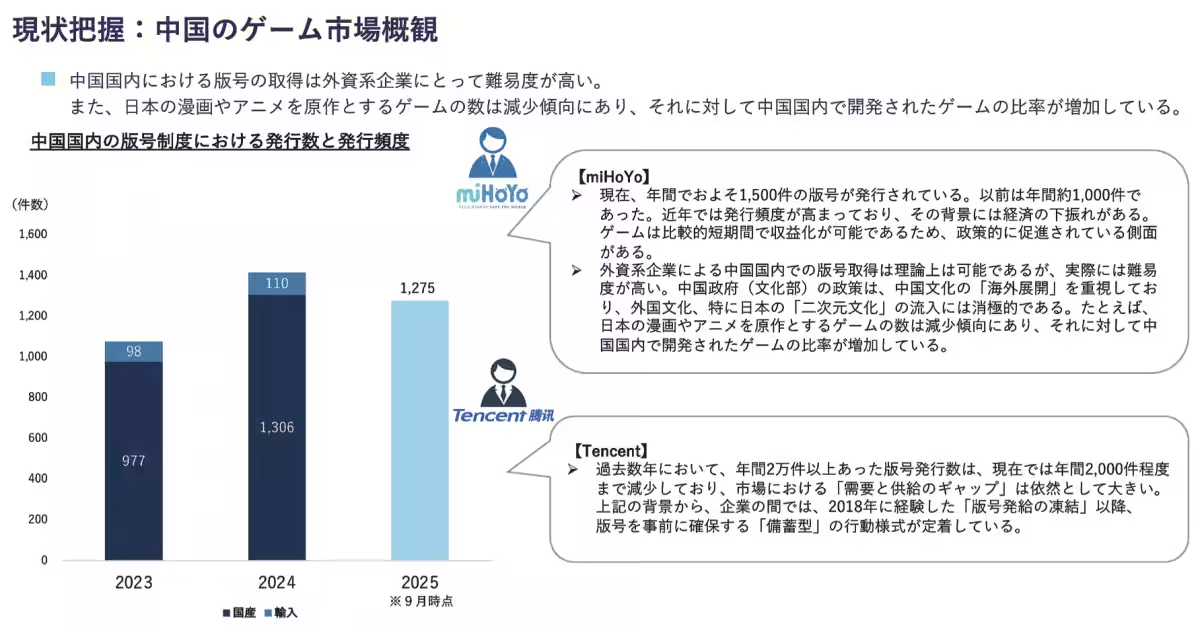
This section offers a summary of market insights from key regions, including China and Australia, along with important regulatory considerations. Detailed findings and analyses are elaborated in the appendix, presenting a holistic view of market conditions in these countries.
3. Regulatory Trends
The report also addresses pressing issues surrounding copyrights and intellectual property rights that have resurfaced in the AI era. Legal professionals provide context and concrete discussion points regarding the expanding global landscape of game regulations.
Comprehensive Market Analysis
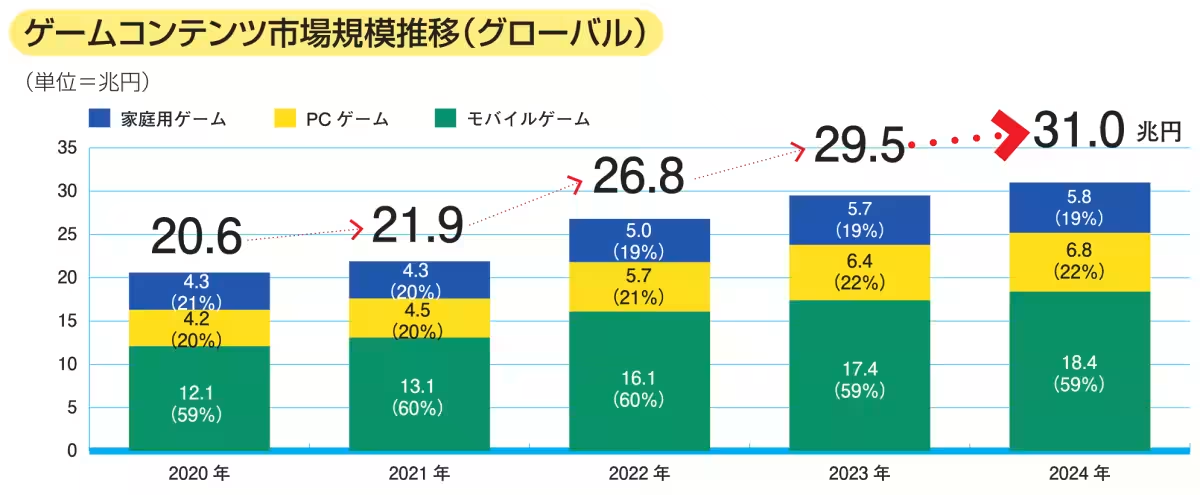
In the second chapter, the report undertakes a multi-faceted analysis of the global and Japanese gaming markets from several angles: platform, region, corporate structure, and technological trends. Notable figures indicate that the global game content market is poised to surpass 31 trillion yen in 2024, reflective of a robust 5% year-on-year growth. Mobile gaming continues to dominate, accounting for nearly 60% of the total market, with a 6% increase, while PC gaming has also experienced notable growth, overtaking console gaming market share during the past four years.
Employment Estimates in the Game Industry
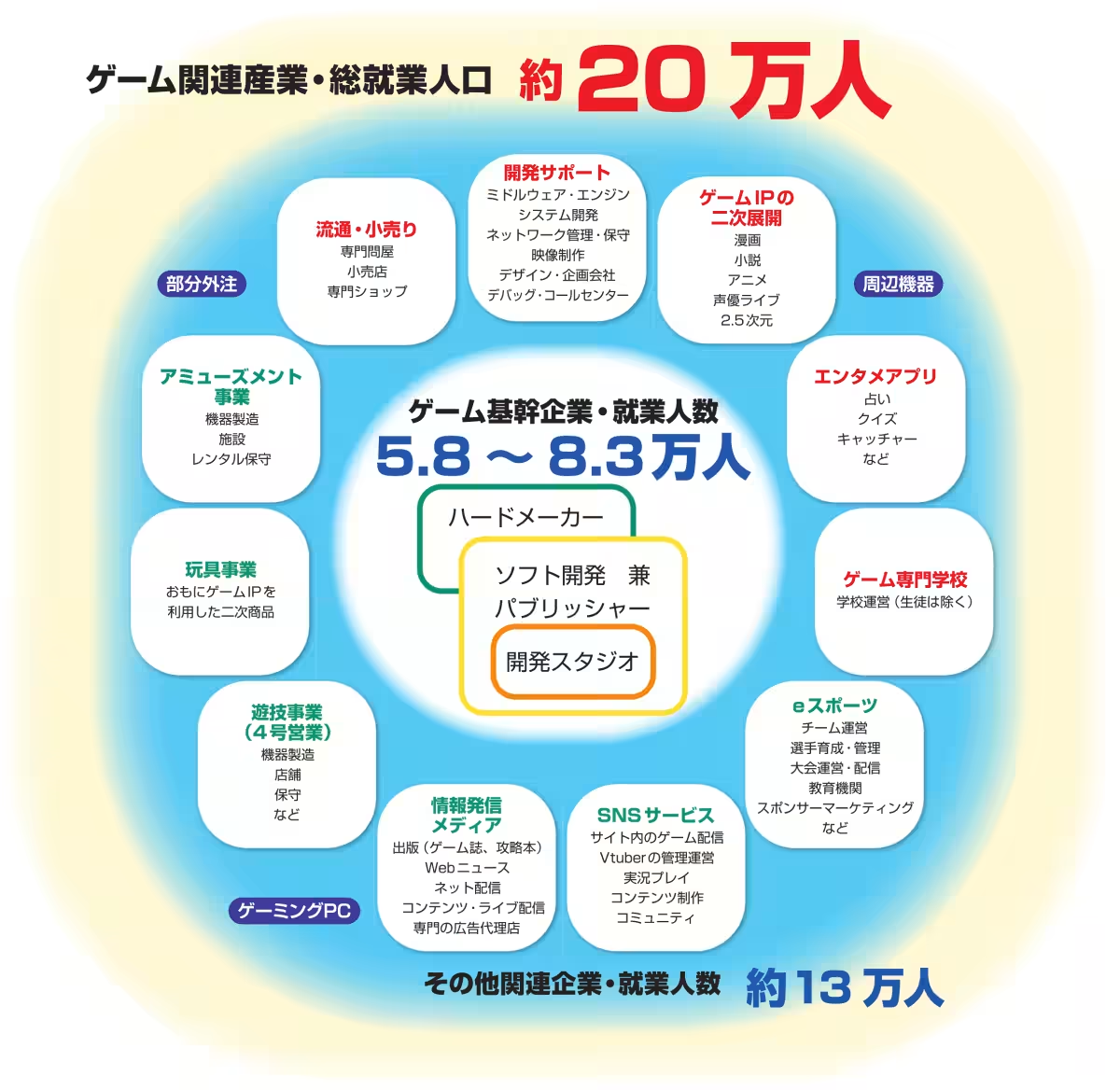
It is estimated that approximately 200,000 people are employed within the domestic gaming industry. This estimate categorizes core gaming companies, including hardware manufacturers, software developers, and publishers, as directly involved in gaming. Support industries encompassing design, media, and peripheral manufacturing further expand the workforce involved indirectly in gaming, demonstrating a vast ecosystem entwined with the gaming landscape.
User Behavior Trends
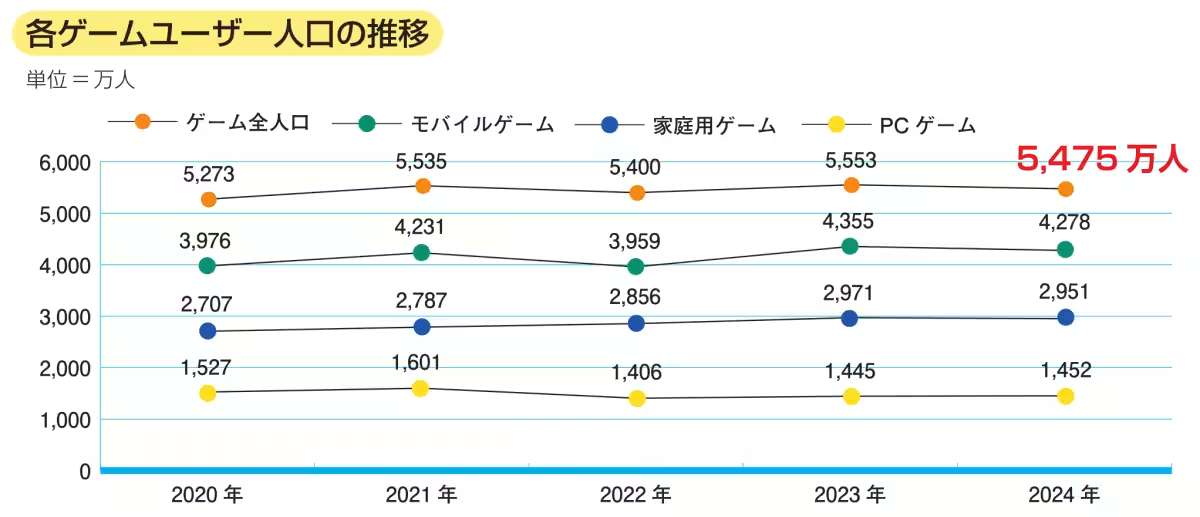
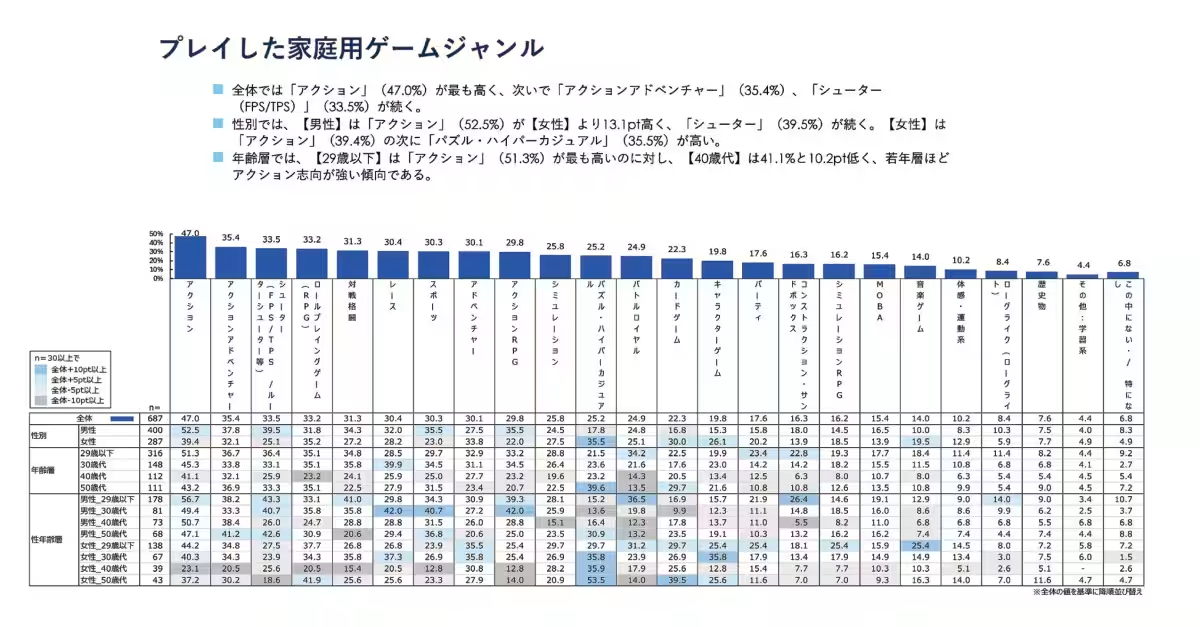
The report analyzes user behavior, capturing relevant statistics on gaming demographics and preferences. As of 2024, the domestic gaming population is approximately 54.75 million, reflecting a slight decrease from 55.53 million the previous year. Interestingly, while mobile gaming saw a marginal decline in user numbers, PC gaming exhibited growth, and console gaming maintained steady figures despite concerns regarding saturation.
CESA's Activities and Surveys
The report also features various summary documents from CESA's major events, including the Tokyo Game Show, Japan Game Awards, and CEDEC, providing an overview of surveys and studies conducted by the association regarding the gaming workforce and student interests in game creation.
Appendix and Special Reports
Additional insights on the gaming industries in China and Australia are included in the appendix, showcasing unique research findings through expert interviews and user studies that CESA has conducted independently.
Conclusion
The 'CESA Game Industry Report 2025' aims to be a valuable resource for industry stakeholders as well as for individuals involved in content business, research, and education. Through its comprehensive approach, the report encapsulates the current state and future prospects of the gaming industry, highlighting its evolution in the context of technology, user engagement, and global market dynamics.

Topics Entertainment & Media)
【About Using Articles】
You can freely use the title and article content by linking to the page where the article is posted.
※ Images cannot be used.
【About Links】
Links are free to use.