



Exploring the Impact of Generative AI on Investment Decisions Among Investors
The Role of Generative AI in Influencing Investment Decisions
A study conducted by WOZ, based in Shibuya, Tokyo, delves into the effects of generative AI on investment decision-making, targeting men and women aged 20 to 60 who engage in investments. This survey comes amid a growing interest in how tools like ChatGPT can assist in gathering and analyzing investment information. The ease of asking questions and receiving immediate responses has led to a significant uptake among both novice and experienced investors.
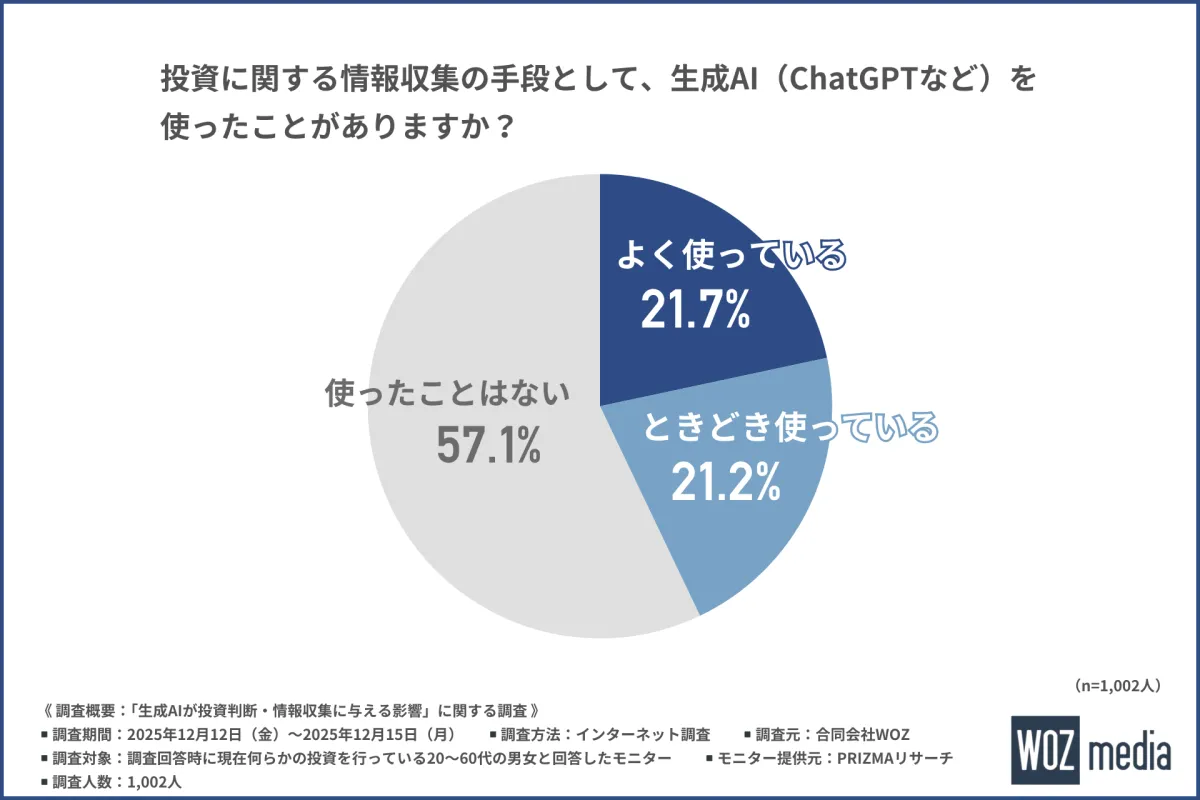
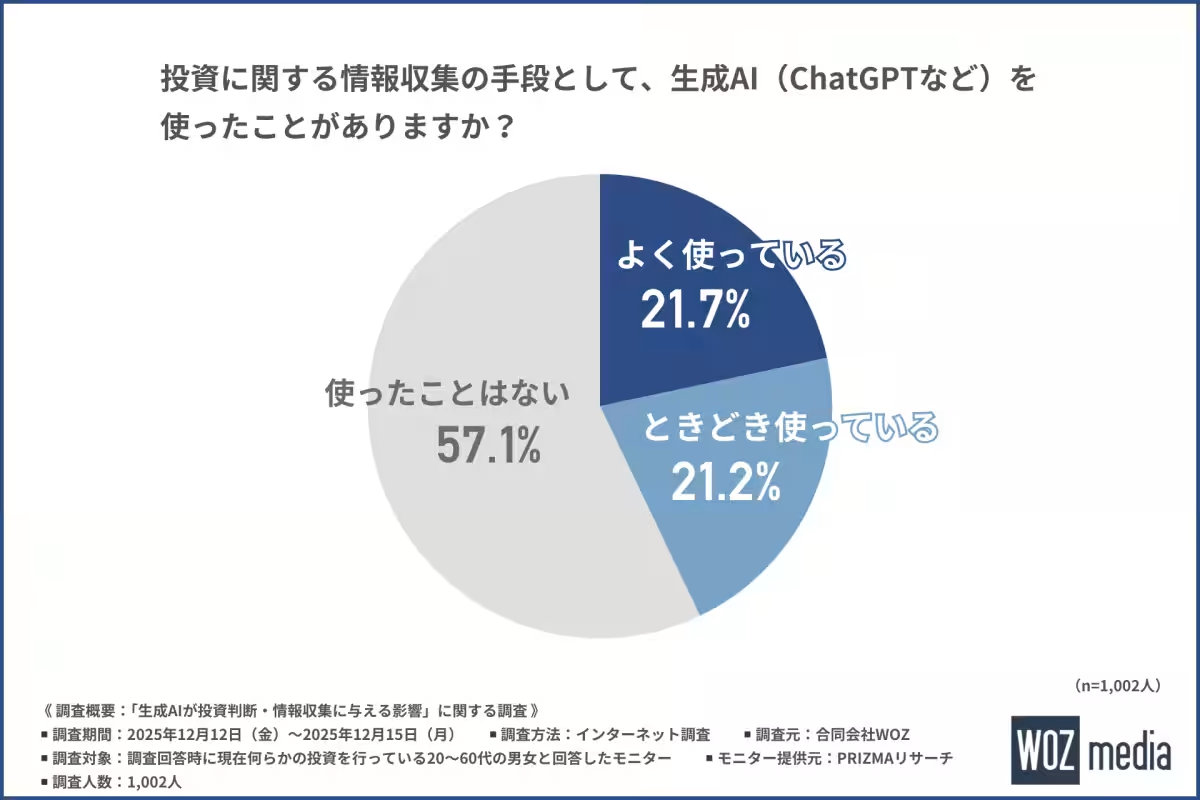
However, the survey highlights a split in adoption: approximately 40% of respondents indicated they use generative AI, while nearly 60% reported they have never utilized these tools. This disparity appears to correlate with individual investment styles and levels of tech literacy.
Survey Overview
- - Duration: December 12 to December 15, 2025
- - Methodology: Conducted via PRIZMA’s internet survey
- - Participants: 1,002 individuals, all currently engaged in some form of investment
Insights into AI Utilization in Investments
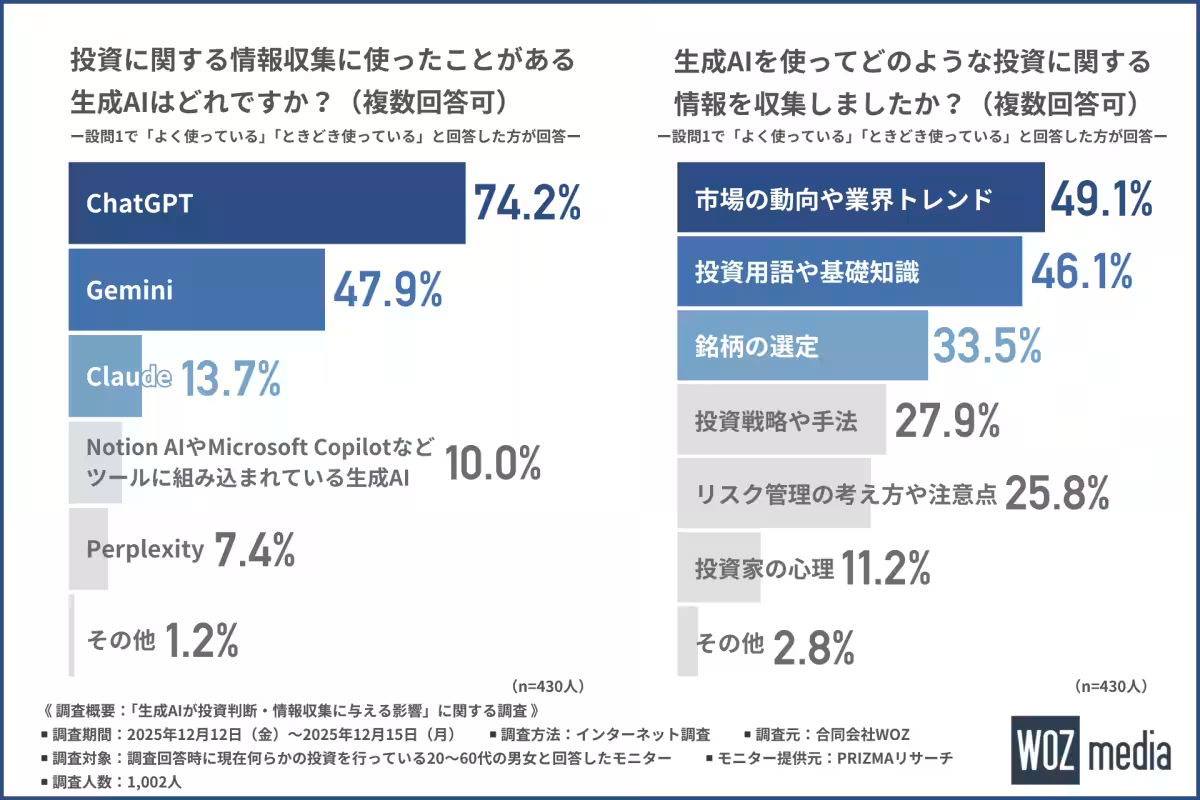
When asked whether they had ever used generative AI for investment information, a noteworthy 42.9% of participants confirmed frequent or occasional use. ChatGPT emerged as the most favored tool, utilized by 74.2%, followed by Google’s Gemini at 47.9% and Claude at 13.7%.
This data indicates that generative AI tools, particularly ChatGPT, have become essential in the investment landscape, allowing for quicker and broader access to market insights.
Gathering Information: Focus Areas for Users
Participants who utilize generative AI primarily gather insights on market trends (49.1%), investment terminology (46.1%), and stock selection (33.5%). This suggests that users leverage AI not for precise trading moments but rather for broad market analysis and research efficiency. The preference for AI reflects its capability to enhance trend recognition and serve as a learning tool.
Frequency of Use and Perceived Accuracy
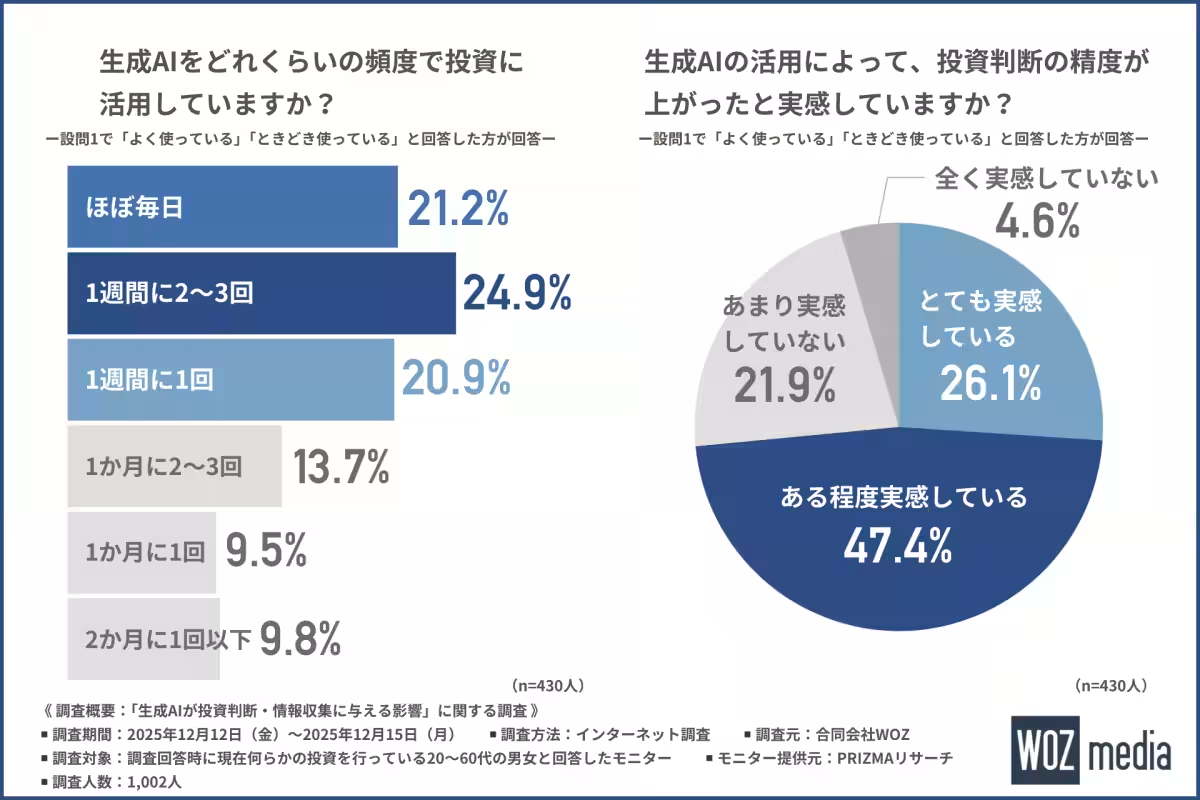
The findings reveal that around 70% of those who engage with generative AI do so regularly—at least once a week—integrating it into their daily routines for market updates and deep dives into financial news. Almost 73.5% of these users believe that their investment judgment has improved considerably due to AI, with many citing enhanced analysis and information organization as key benefits.
Reasons for Utilization and Hesitation
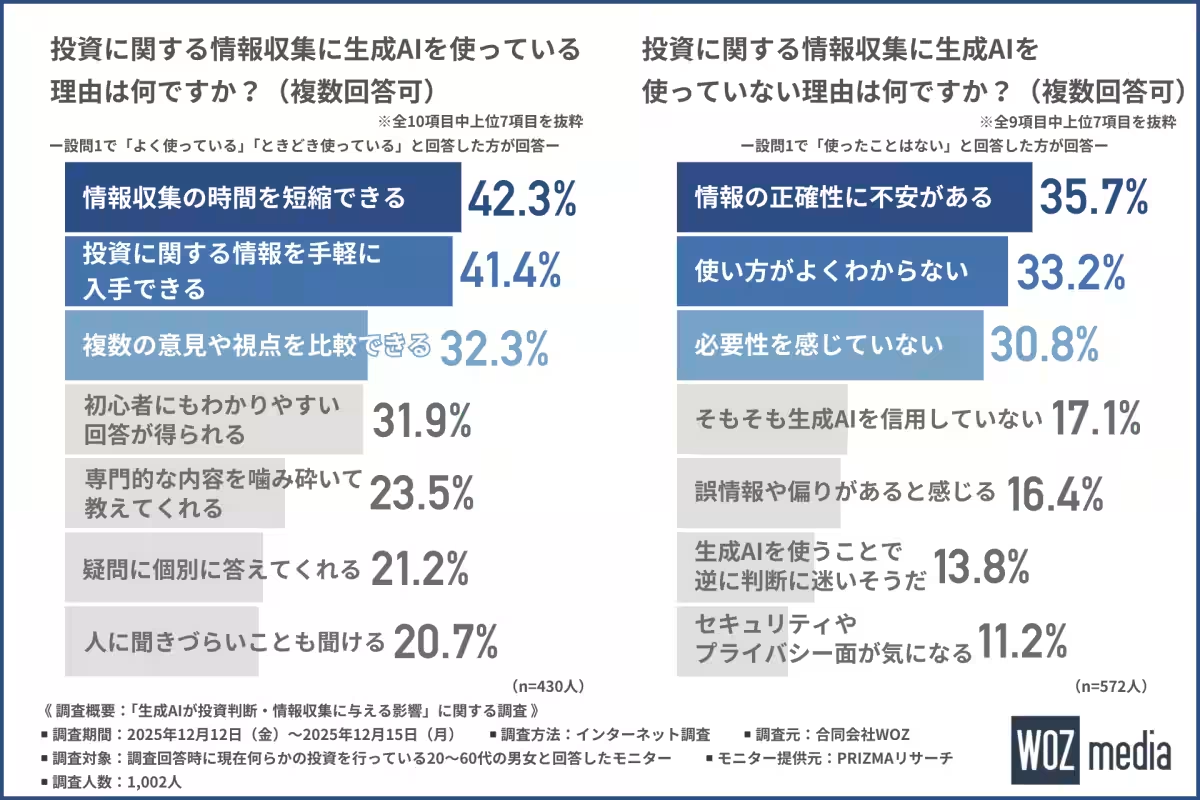
When asked about why they prefer using generative AI for investment research, leading responses included the time-saving aspect (42.3%) and ease of information acquisition (41.4%). Yet, approximately 60% of respondents remain cautious about AI deployment, mainly due to concerns over the reliability of the information provided. Skepticism surrounding the accuracy of AI-generated outputs persists, often fueled by fears of hallucinations—instances where AI outputs plausible-sounding but incorrect information.
Trust in Information Sources
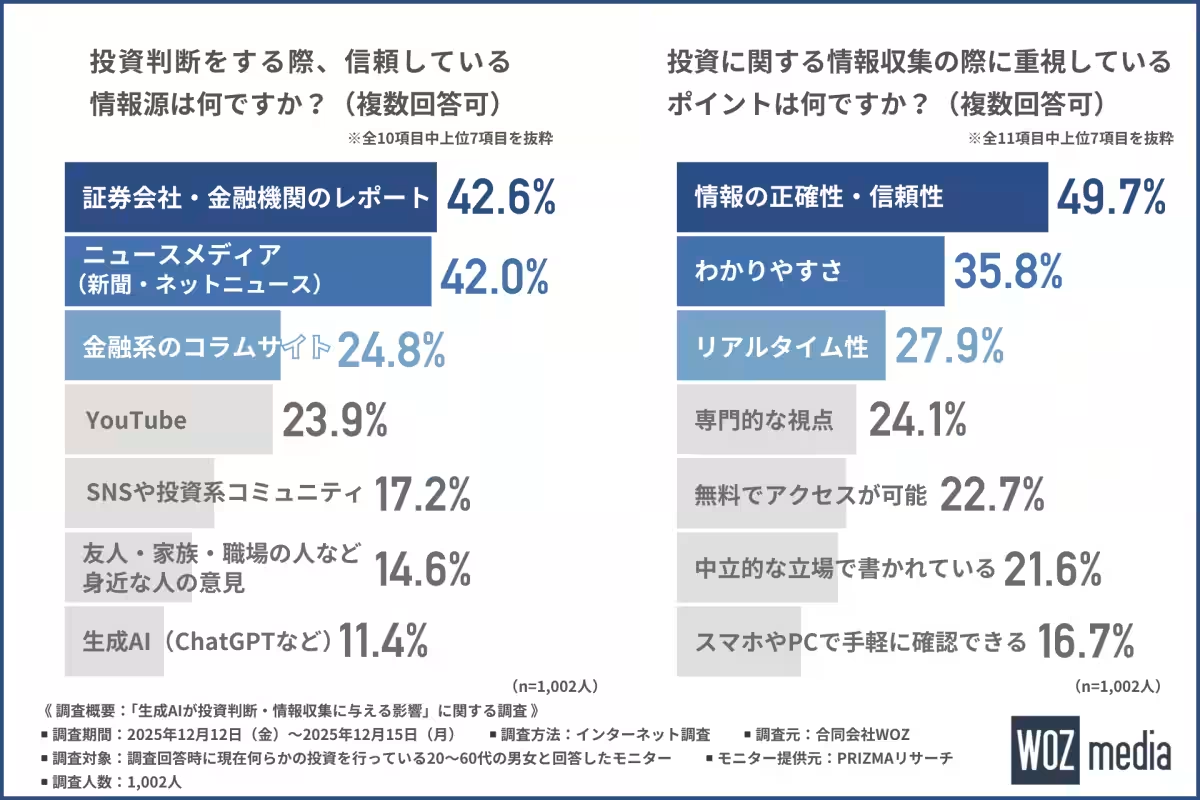
Despite the growing use of generative AI, traditional sources such as brokers and financial institutions remain the most trusted, with 42.6% of respondents relying on their reports. This indicates that while AI tools are valued, they are still secondary to traditional information sources, especially in high-stakes investment scenarios where accuracy is paramount.
Key Considerations for Future AI Integration
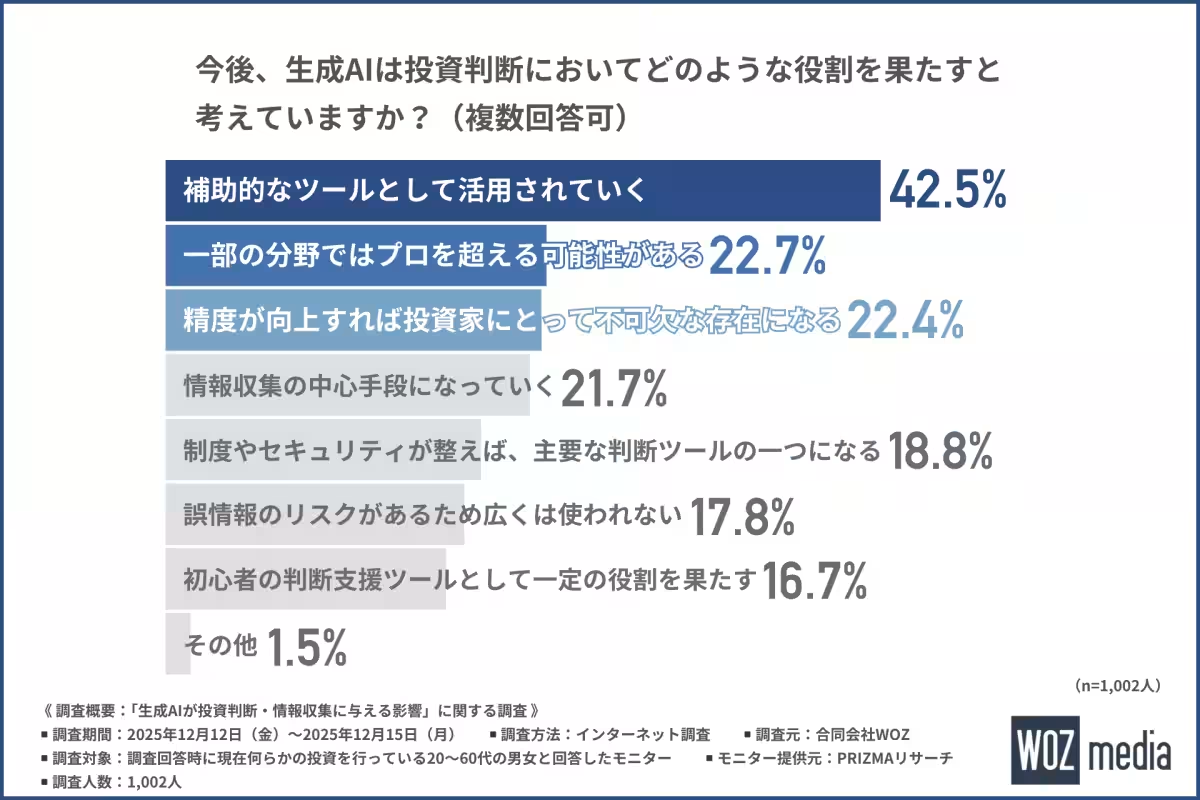
As investors ponder the future role of generative AI, many foresee it acting as an auxiliary tool rather than a primary decision-maker in investments. About 42.5% believe generative AI will augment human judgment, with 22.7% anticipating that it could surpass professional insights in some domains, fostering a hybrid investment strategy that synergizes AI capabilities with traditional methods.
Conclusion
In summary, WOZ's study reveals that a substantial portion of investors are exploring generative AI for investment research, with many recognizing its value in enhancing decision-making accuracy. However, a significant number of individuals continue to favor established media sources for their reliability. As generative AI matures, it offers the potential for a more integrative approach to information sourcing, balancing speed and efficiency with accuracy and trustworthiness in investment decisions. Investors who harness both AI tools and reliable traditional sources will likely cultivate a more effective and informed investment strategy. The future beckons a blend of technological enhancement and foundational knowledge within the evolving financial landscape.

Topics Financial Services & Investing)
【About Using Articles】
You can freely use the title and article content by linking to the page where the article is posted.
※ Images cannot be used.
【About Links】
Links are free to use.