



The Rising Threat of Customer Harassment: Insights from IVRy's Consumer Survey
Understanding the Challenges of Customer Harassment Through an AI Lens
In recent years, customer harassment, commonly referred to as "Kasu Hara" in Japan, has emerged as a critical social issue. IVRy, a leading provider of conversational voice AI SaaS, recently conducted a consumer survey aimed at understanding perceptions and expectations surrounding customer harassment and related corporate responses. The survey targeted individuals aged between 20 and 60, encompassing a diverse demographic across the nation.
Background: Customer Harassment as a Growing Social Concern
The surge in unreasonable demands and abusive behavior from customers has significantly impacted workers' mental health and job retention. According to a report from the Ministry of Health, Labour and Welfare, over 15% of employees have faced harassment from customers in the past three years. Such alarming statistics highlight the pressing need for businesses to formulate effective strategies to combat harassment. In response to this growing concern, the Tokyo Metropolitan Government will implement the "Customer Harassment Prevention Ordinance" in April 2025, reflecting a shift towards stricter regulations at the municipal level. Additionally, to support small businesses in their endeavors to tackle harassment, the Tokyo government has introduced a subsidy program of up to 400,000 yen for compliant companies.
As organizations navigate through these issues, it has become increasingly clear that addressing customer harassment transcends traditional risk management; it is a vital business imperative aimed at safeguarding employee safety and preserving organizational value.
Key Findings from the Survey on Customer Harassment
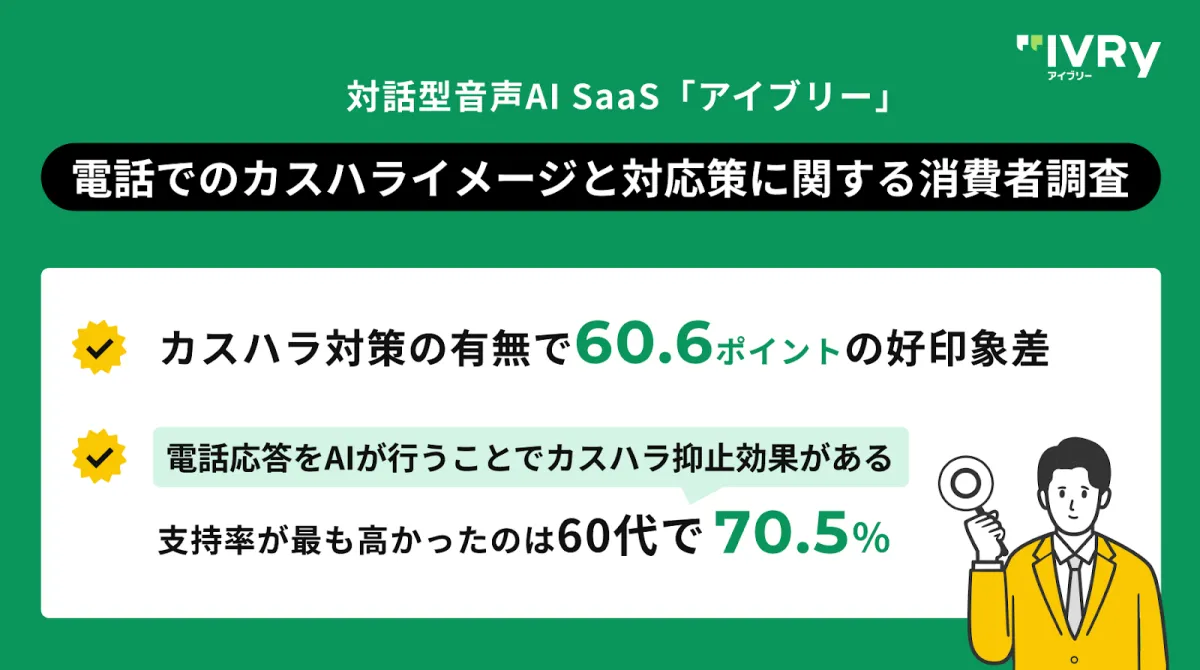
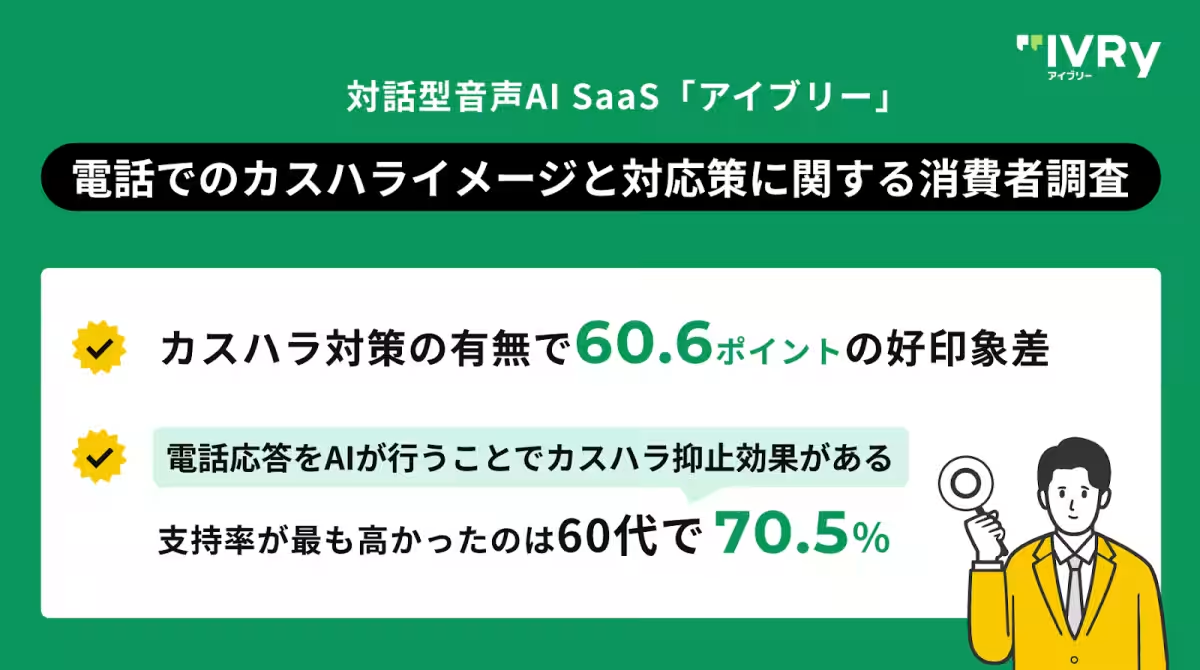
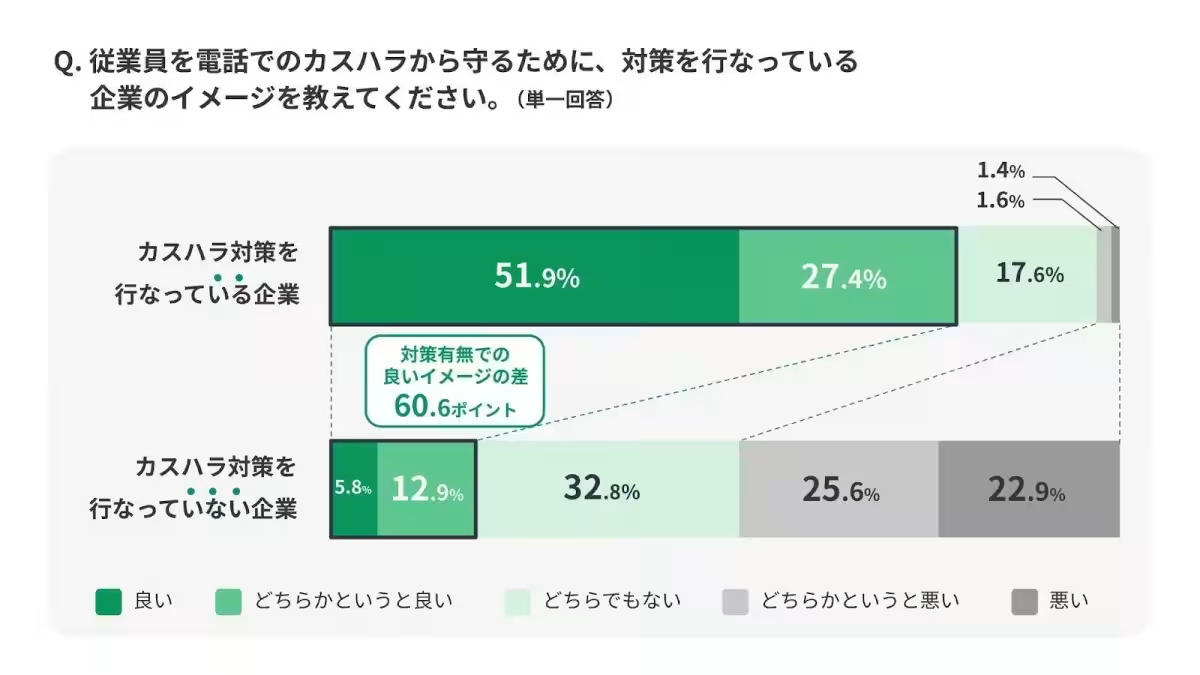
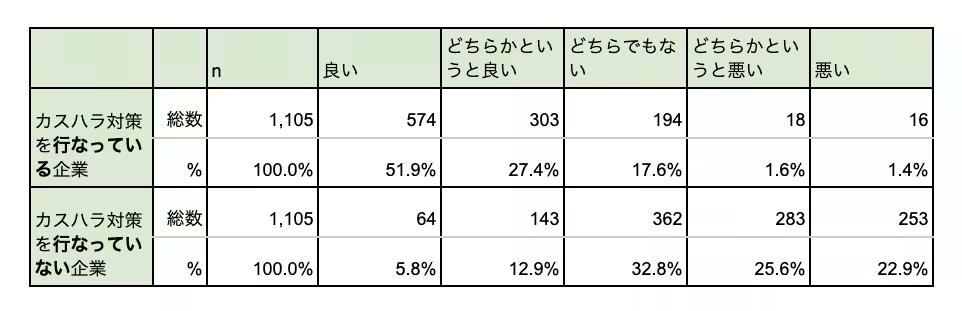
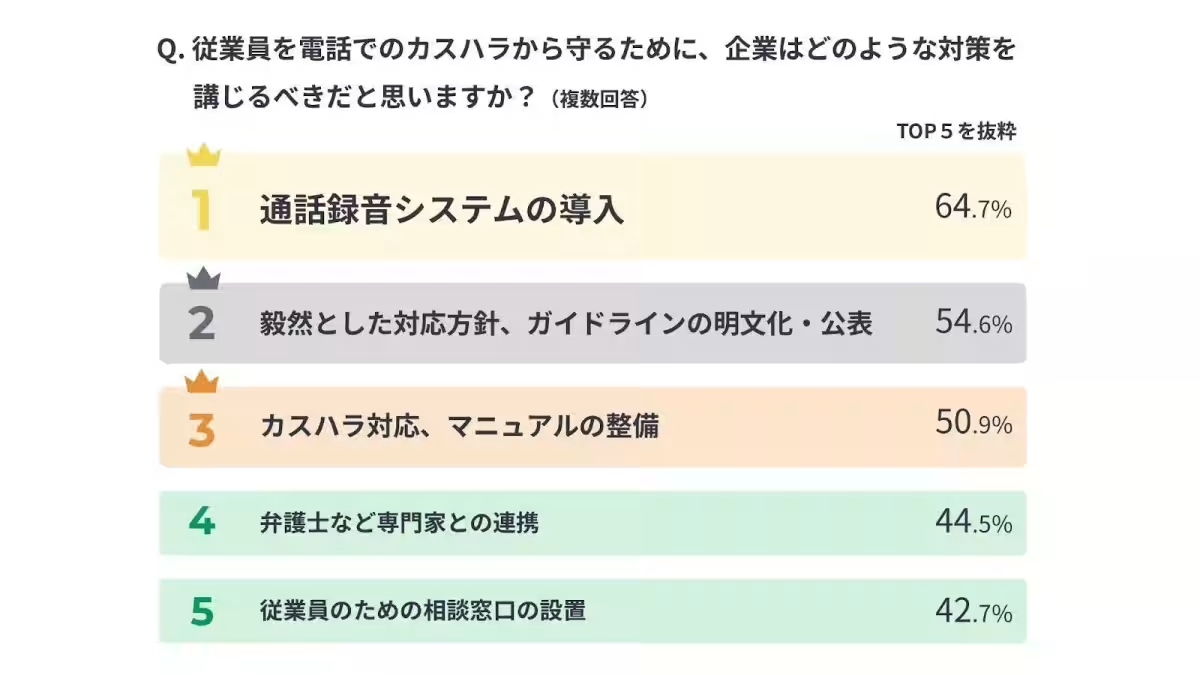
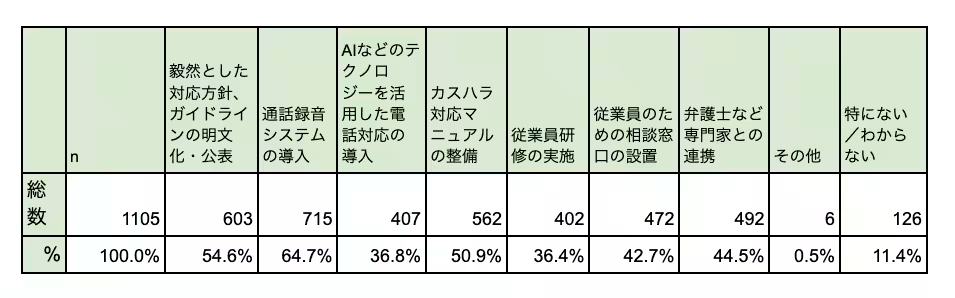
The survey revealed noteworthy insights into consumer attitudes regarding customer harassment and corporate practices. Companies that have implemented harassment countermeasures enjoyed a significantly improved public perception, with a variance of 60.6 percentage points in their favor compared to those that haven’t. The top three measures consumers expect from companies include:
1. Implementing a call recording system.
2. Announcing a firm policy against harassment.
3. Establishing comprehensive guidelines and training.
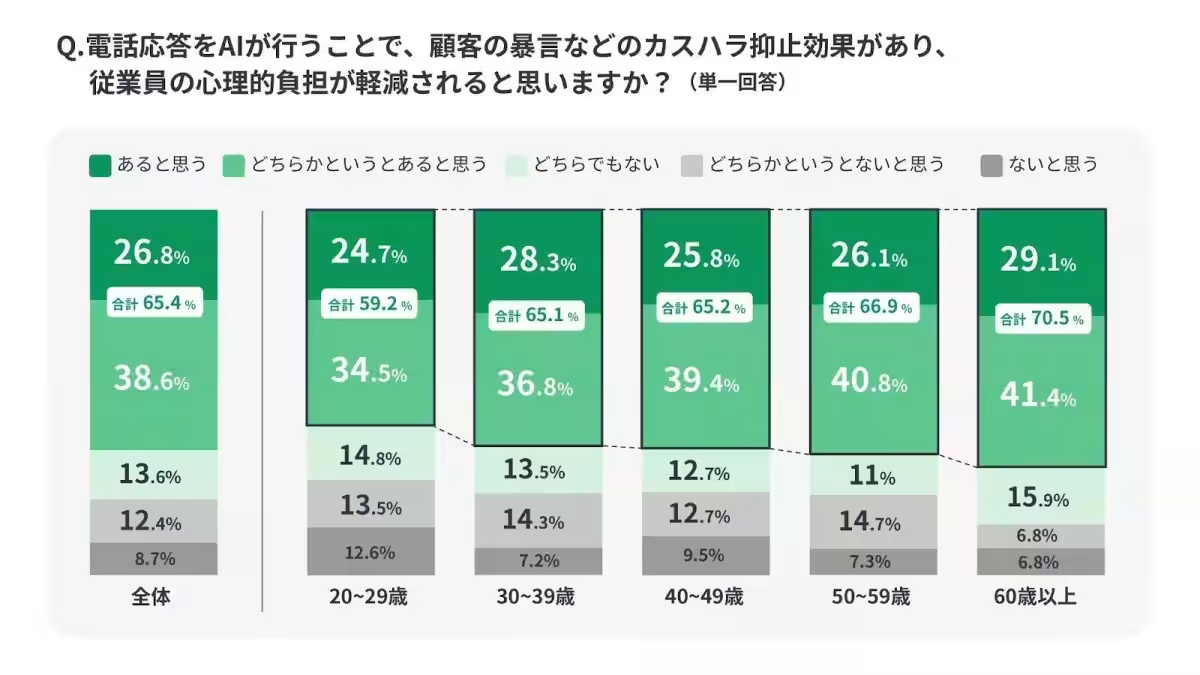
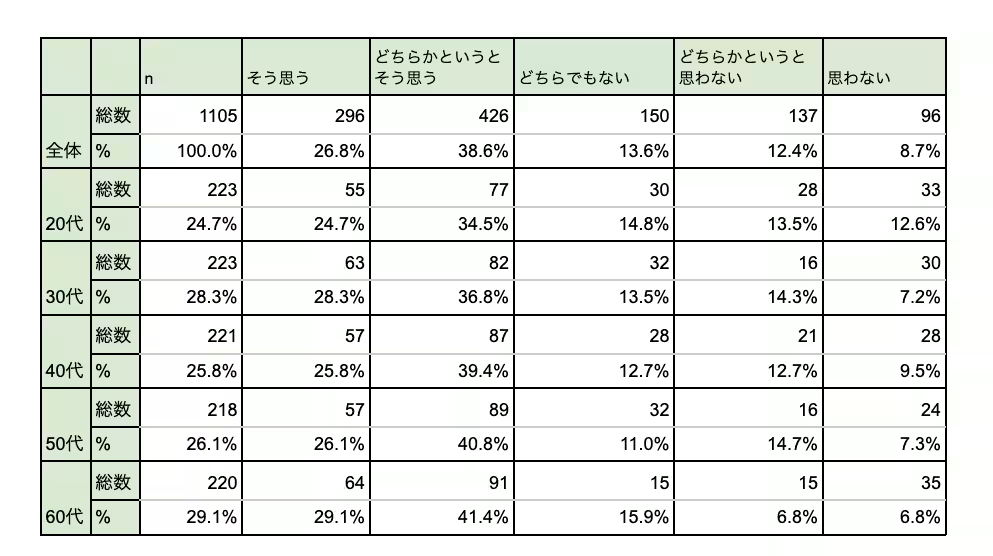
Moreover, a significant 65.4% of respondents perceived AI-driven responses as an effective means of dealing with customer harassment, indicating a robust optimism around technology-assisted solutions. Interestingly, support for AI-assisted measures increased with age; among respondents over 60, 70.5% found AI to be a beneficial tool for mitigating harassment.
Insights from Industry Expert Ayumi Ueno at IVRy
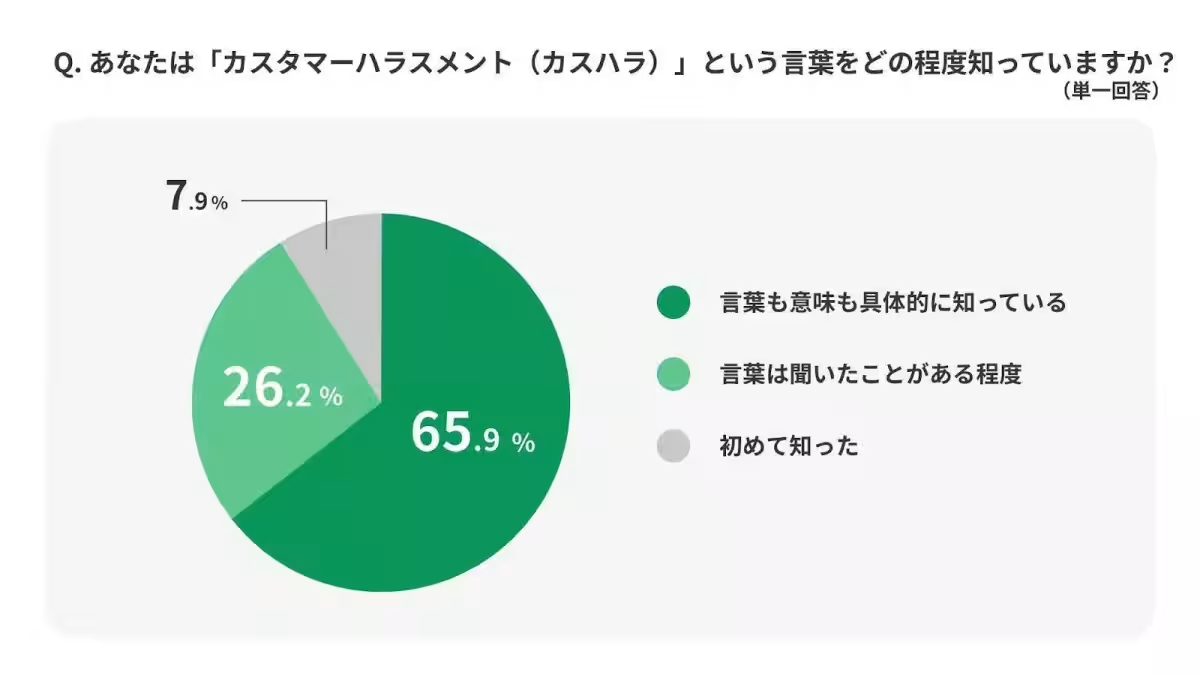
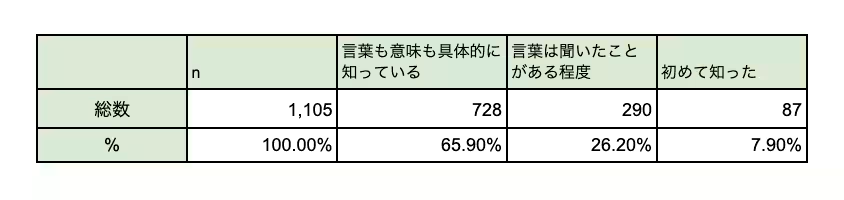
Ayumi Ueno, an Account Executive at IVRy, elaborated on the implications of the survey results. An overwhelming 90% of participants recognized the term "Kasu Hara," with 65.9% indicating a full understanding of its meaning. This high level of awareness underscores the shared acknowledgment of customer harassment as a severe societal issue.
Ueno pointed out that the presence of customer harassment policies significantly affects a company's image. The findings illustrate that the favorable perception of companies with established harassment countermeasures is a clear indicator of their commitment to employee welfare and organizational integrity. This positive perception can enhance companies' competitive edge in recruitment as well as trustworthiness among clients, presenting an undeniable advantage.
The survey also highlighted consumer expectations for AI's role in customer service. 65.4% of respondents expressed belief in the effectiveness of AI responses for low-stakes interactions, emphasizing the mental well-being benefits for employees. Comments from participants reflected an understanding that AI responses could reduce emotional confrontations, hence minimizing the burden of emotional labor.
The Future of AI Solutions in Customer Service
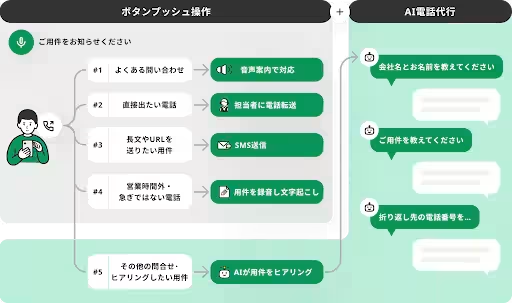
As IVRy continues to explore the scope of AI in addressing customer harassment, the company's insights align with broader trends in digital transformation. AI applications are designed to not only automate call handling but also standardize responses, thus enhancing operational efficiency while elevating customer satisfaction. With its capabilities to transcribe calls, generate FAQs, and analyze intent, IVRy’s solutions are transforming unstructured data into actionable business intelligence.
By harnessing proprietary technology to eliminate misinformation, IVRy ensures reliability in business operations. Their hybrid solutions integrating both automated and human responses illustrate a commitment to continuous improvement based on call data, enhancing data-driven decision-making processes.
For more information about IVRy and its innovative AI solutions, visit their official website or check out their extensive product offerings tailored to mitigate customer harassment and enhance business productivity.
Visit IVRy
Conclusion
The findings from IVRy’s consumer survey signify a crucial turning point in the discourse around customer harassment. As businesses grapple with increasing demands for improved work environments, the adoption of AI technologies appears to resonate strongly with consumers across age groups. The journey towards tackling customer harassment is ongoing, and innovative approaches that leverage technology will play a pivotal role in shaping the future of corporate responsiveness and employee well-being.


Topics Consumer Technology)
【About Using Articles】
You can freely use the title and article content by linking to the page where the article is posted.
※ Images cannot be used.
【About Links】
Links are free to use.