



Huawei Introduces Comprehensive Xinghe Intelligent Network Offerings to Enhance Industry Intelligence in Europe
Huawei's New Xinghe Intelligent Network Introduced
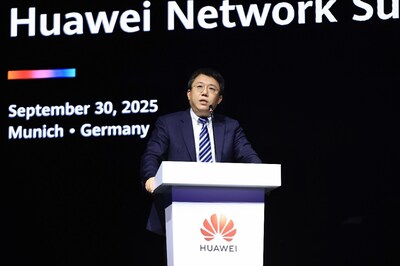
On October 2, 2025, at the Huawei Network Summit in Munich, the company gathered over 800 industry experts and partners from more than 30 nations, including Germany, France, Italy, and Turkey. This summit served as a platform to explore intelligent networking trends and delve into the ongoing digital transformation of Europe.
Key Announcements and Features
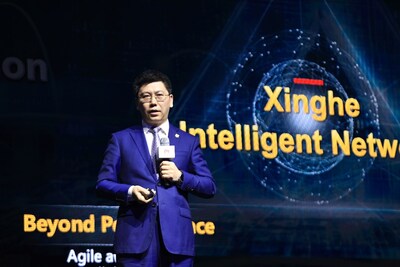
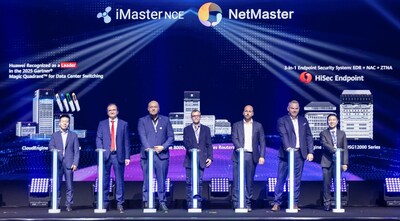
During the event, Huawei introduced its significantly upgraded Xinghe Intelligent Network offerings tailored for various scenarios, including campus, wide-area, and data center networks. These updates aim to accelerate networking innovations and boost smart productivity across Europe.
Jim Lu, Senior Vice President and President of Huawei’s European Region, emphasized the increasing capabilities of artificial intelligence (AI) and its diminishing costs, asserting that such advancements facilitate widespread adoption. He stated, “Huawei’s fully updated Xinghe Intelligent Network optimizes data flow and provides an unparalleled AI application experience, making it ideal for expediting the intelligent transformation of industries.” Lu reinforced Huawei's commitment to collaborating with customers and partners to build a solid foundation for intelligence in the future.
According to Steven Zhao, Vice President of the Data Communication Product Line, the Xinghe Intelligent Network framework is built on a “3-Beyond” innovation strategy: Beyond Performance, Beyond Resilience, and Beyond Autonomy. This strategy extends network capabilities, ensures exceptional service experiences, and integrates the digital and physical realms to create highly autonomous networks.
Highlighted Innovations
Among the new innovations presented were several key technologies aimed at enhancing campus network security and productivity:
- - Wi-Fi Shield Technology: This groundbreaking technology features the industry's first access point designed for detecting hidden surveillance cameras. By employing full-band scans and intelligent algorithms, it works continuously to safeguard user privacy.
- - Wi-Fi Sensing Technologies: These patented algorithms detect minute movements, preventing intrusions and securing sensitive areas effectively.
Enhanced Data Center Solutions
The Xinghe AI Fabric 2.0 offers highly resilient always-on data center networks. In today's rapidly evolving banking sector, where manual security policy updates can introduce delays and errors, this technology simulates thousands of network and security devices within minutes, drastically improving efficiency.
- - Eagle-Eye Engine: Capable of real-time data stream recognition, this innovative engine can analyze traffic quality and detect errors almost instantaneously.
Smart WAN Developments
In response to increased demands for high-speed data transfers within sectors like energy, Huawei’s intelligent jitter elimination technology has been refined to maintain latency variations within 10 microseconds, outperforming the industry average. Moreover, the smart service-awareness algorithm enhances the accuracy of identifying encrypted applications, exceeding 95%.
Introducing NetMaster
To tackle the challenges posed by a surge in mobile applications and the inefficacies of manual operations, Huawei has introduced NetMaster. It’s the first intelligent network agent in the industry, fully automating processes in perception, analysis, decision-making, and execution. In educational and office environments, NetMaster automatically resolves 80% of wireless issues, reducing resolution times from hours to mere minutes.
As part of its ongoing commitment to innovation, Huawei also presented findings from its collaborative Wi-Fi 7 Advanced Technology White Paper with industry leaders. This document outlines advancements in Wi-Fi connectivity, emphasizing the potential of Wi-Fi 7 to radically enhance network performance.
Conclusion
With these innovations, Huawei positions the Xinghe Intelligent Network as a cornerstone for the intelligent infrastructure that will define the future. As the company continues to strengthen partnerships and drive technological advancements, the impact of these initiatives on Europe’s digital landscape is expected to be profound.
Topics Telecommunications)
【About Using Articles】
You can freely use the title and article content by linking to the page where the article is posted.
※ Images cannot be used.
【About Links】
Links are free to use.