



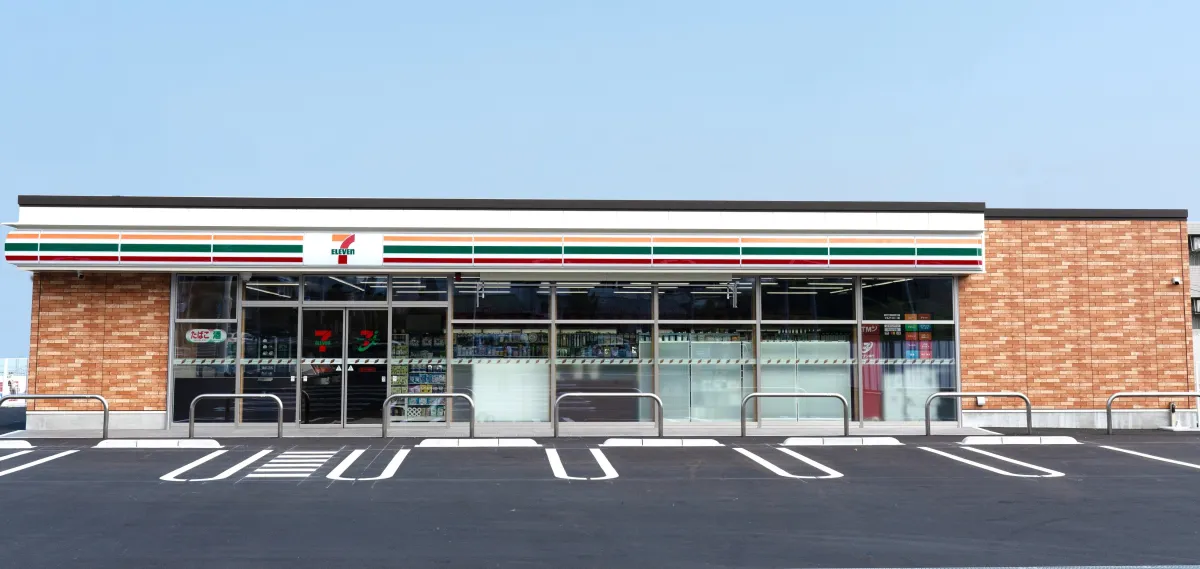
New Eco-Friendly Seven-Eleven Store Opens with 100% Domestic Timber Usage
Seven-Eleven Japan's New Environmentally Friendly Store
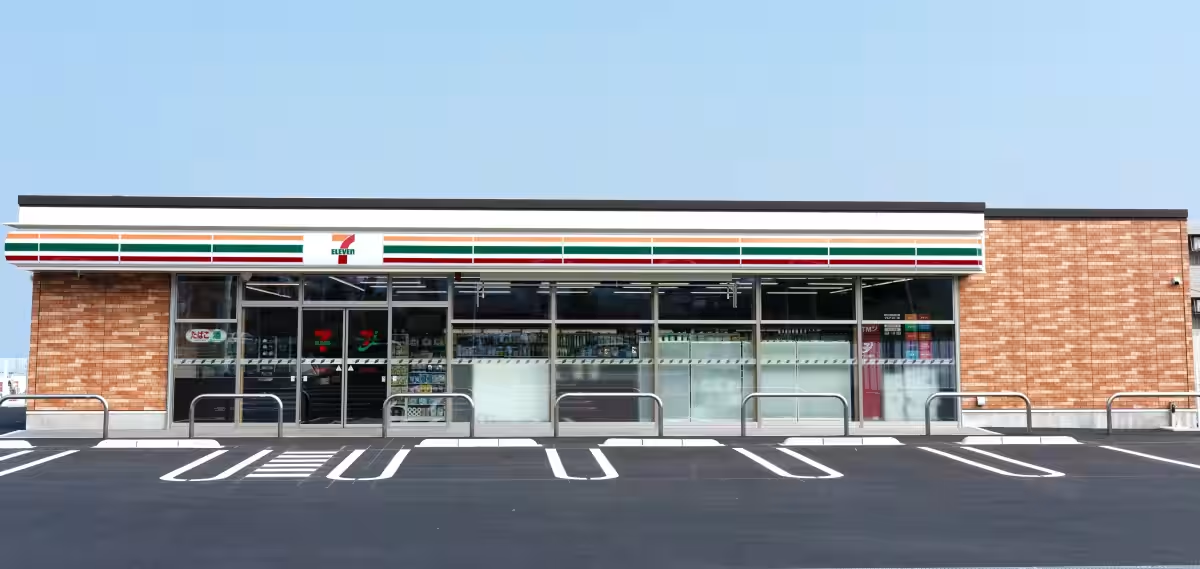
In a significant development for sustainable retail, Seven-Eleven Japan has inaugurated an eco-conscious store in Nakazone, Shikoku Central City, Ehime Prefecture. This new location showcases a pioneering approach to sustainability, committing to using 100% domestic timber sourced primarily from local areas for its structure. Scheduled to officially open on July 23, 2026, this store is at the forefront of efforts to promote resource circulation and reduce environmental impact.
Emphasis on Domestic Timber
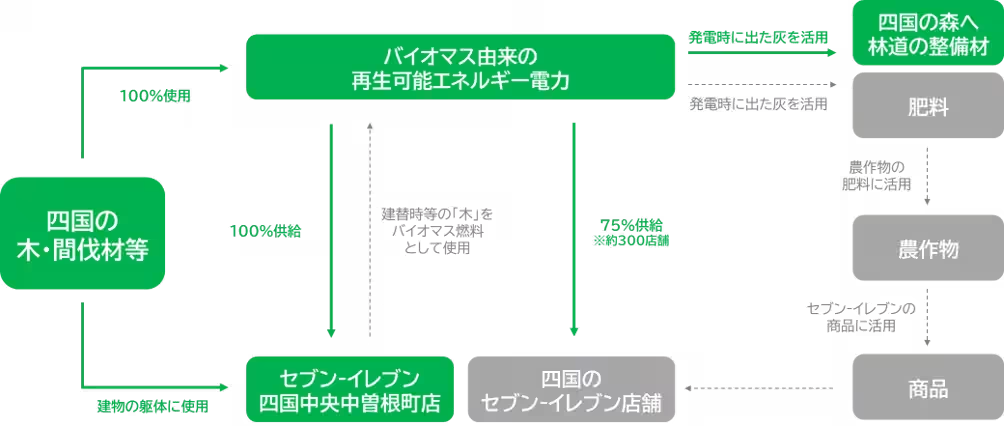
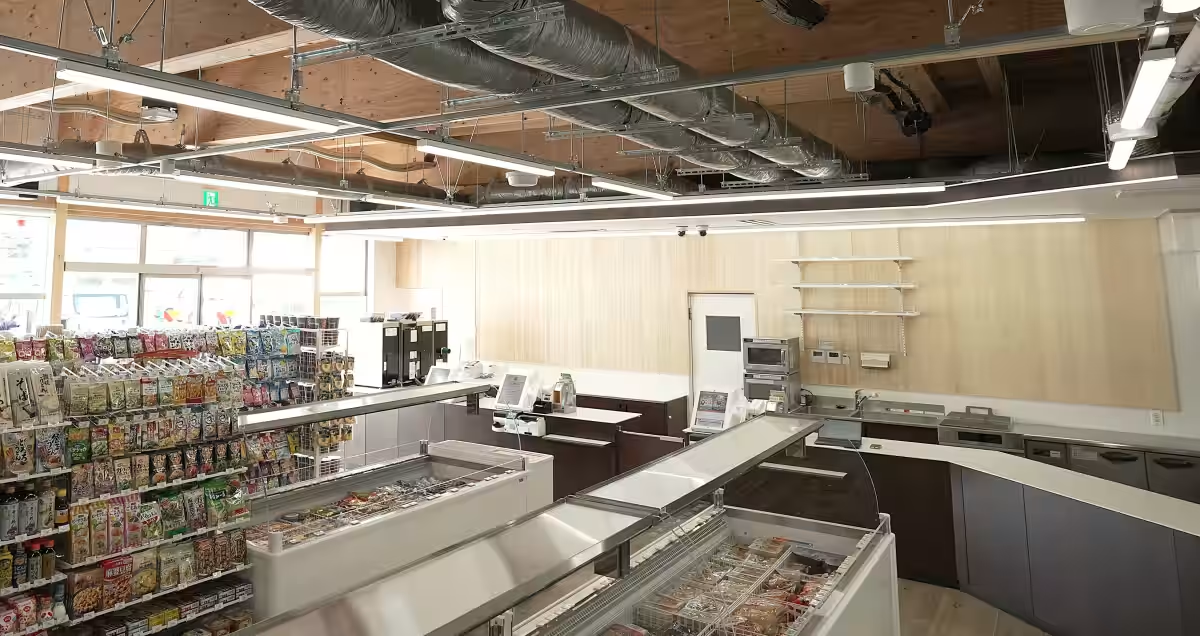
The new Seven-Eleven store is built entirely from domestic timber, reflecting a critical commitment to the sustainable use of materials. Using wood not only supports the revitalization of the forestry and wood industries but also contributes to carbon storage, playing a vital role in reducing environmental burdens. By integrating domestically sourced materials into its structure, the store aims to set a precedent for future developments in the region.
100% Biomass-Derived Energy
Adding to its environmentally friendly credentials, the store will operate using electricity sourced 100% from biomass energy. In collaboration with Shikoku Electric Power, Seven-Eleven has been utilizing biomass energy in about 300 of its stores across Shikoku, with 75% of the energy being biomass-derived. This commitment to renewable energy not only lowers carbon emissions but also supports local energy initiatives.
Focus on Sustainable Practices
Distinctly, this store's design and operational strategies align with the government's push for enhanced use of domestic timber, particularly through the Ministry of Agriculture, Forestry and Fisheries' agreement designed to promote such initiatives. As part of the “2023 Private Sector Wood Utilization Support Project,” it aims to bolster the use of Ehime Prefecture wood while contributing to a carbon-neutral society.
Furthermore, the store plans to implement comprehensive strategies that consider the lifecycle of timber—from initial construction to eventual rebuilding or dismantling. The objective is to ensure that any wood sourced in the future can be repurposed as biomass fuel or converted into useful products, such as building materials or fertilizers, thereby reinforcing regional resource circulation.
Advanced Energy Solutions
Alongside its sustainable building practices, the Nakazone store will be a pioneer in energy efficiency technology. Teaming with prominent local enterprises, it aims to test cutting-edge energy systems, combining energy generation, conservation, and storage solutions.
Innovative Energy Systems
- - Solar Power Generation: Equipped with solar panels on its roof, the store is set to harness solar energy effectively.
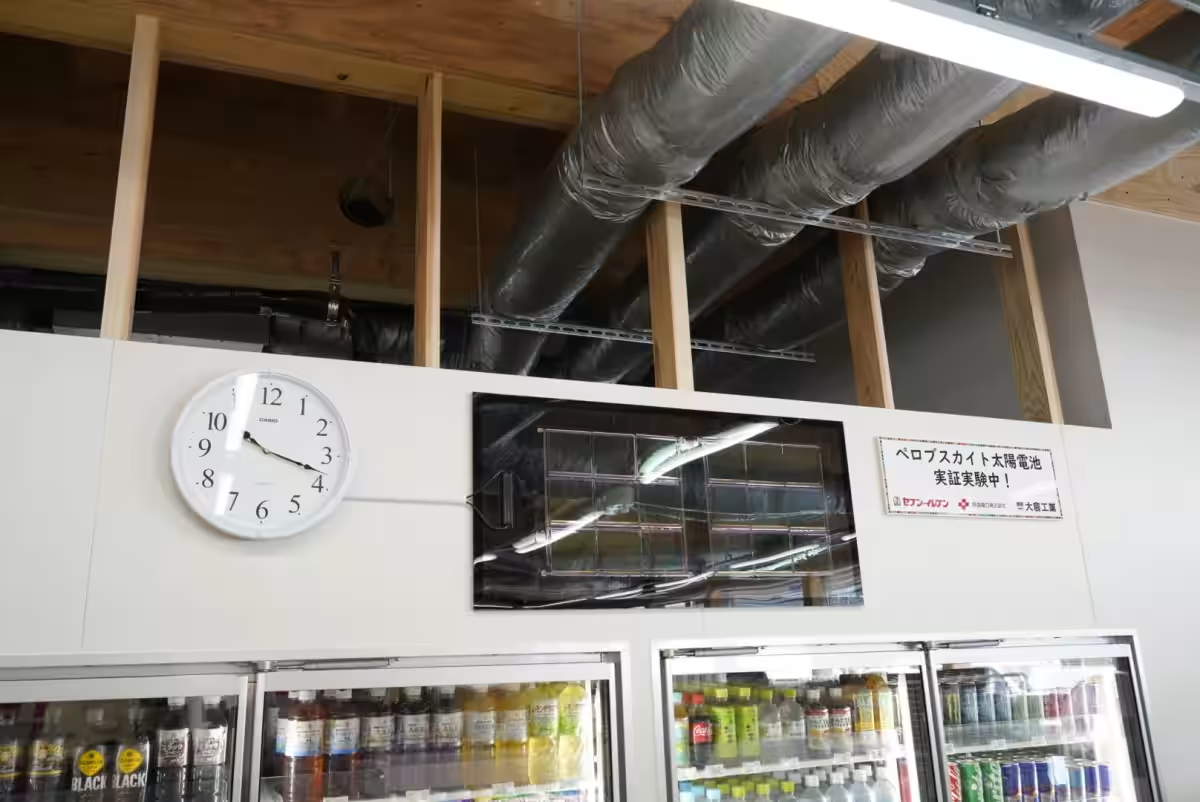
- - Perovskite Solar Cells: The introduction of next-generation perovskite solar cells will also be implemented, allowing for real-time evaluation of its effectiveness compared to traditional solar technology.
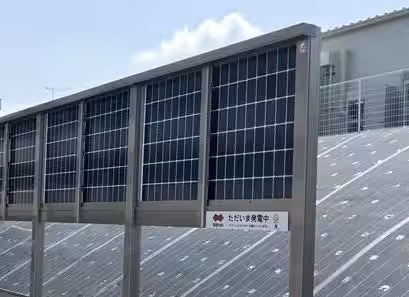
- - Vertical Solar Installations: The design will include distinct solar energy structures that utilize vertical space, maximizing energy capture.
- - AI Energy Optimization: With Panasonic's HVAC & CC IoT service, the store will employ AI to learn usage patterns and optimize HVAC operations, striving for the perfect balance of comfort and energy efficiency.
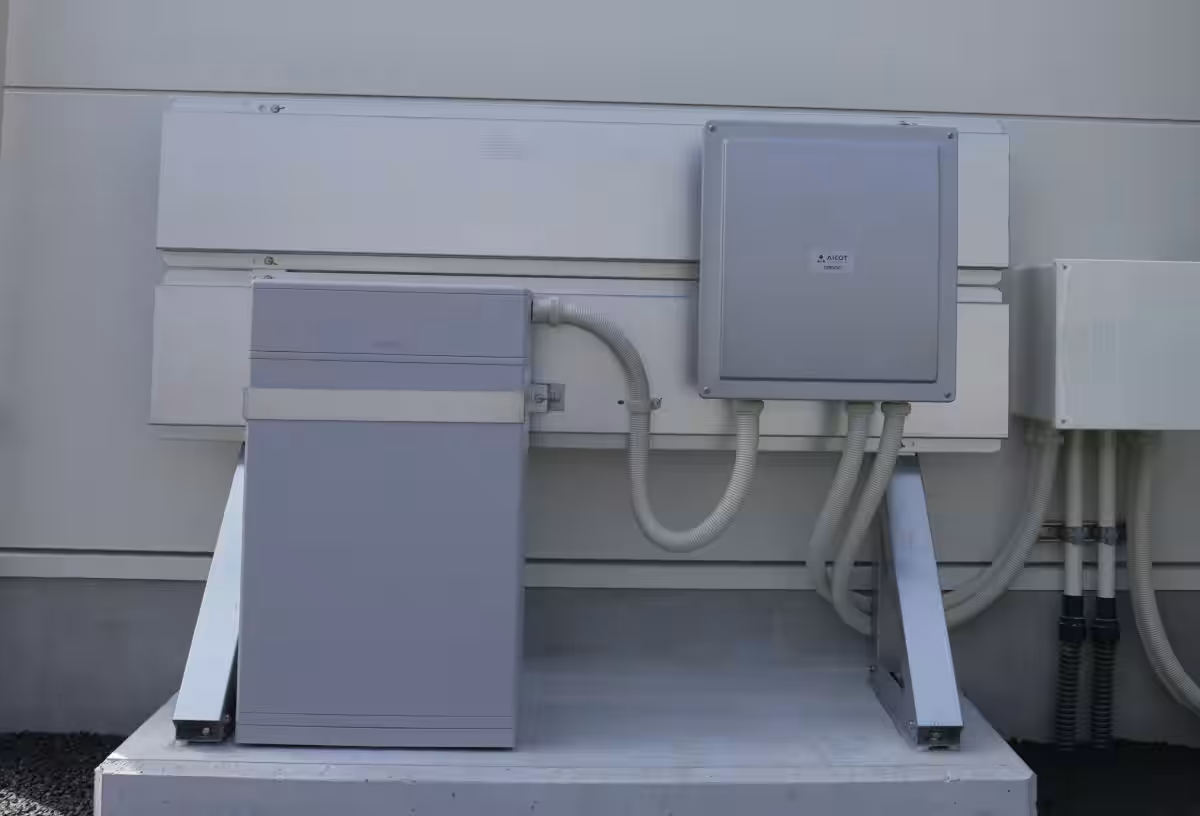
- - Battery Storage and Energy Management: Plans are in place for integrating small battery systems to enhance the utilization of renewable energy, fostering further research in energy management.
Commitment to Sustainability
Through this new construction, Seven-Eleven Japan is not only focusing on meeting current sustainability goals but also paving the way for future innovations in environmental responsibility. As they continue to engage with local communities, the company aims to lead the way toward a sustainable retail future, highlighting the important relationship between local resources and environmental stewardship.
By harnessing the power of local materials and renewable energy, the Nakazone store establishes itself as a model for sustainable business practices, reinforcing the need to embrace environmental consciousness across all sectors.
Topics Consumer Products & Retail)






【About Using Articles】
You can freely use the title and article content by linking to the page where the article is posted.
※ Images cannot be used.
【About Links】
Links are free to use.