



Exploring Summer Air Conditioning Preferences Among Japanese Households in 2026
Summer Air Conditioning Preferences in Japan: A 2026 Study
As the summer of 2026 approaches, with the much-anticipated end of the rainy season announced in the Kanto-Koshin and Tokai regions, the importance of air conditioning systems in Japanese homes becomes more pronounced, especially in the face of increasing heat and the risk of heat-related illnesses. A recent comprehensive survey conducted by Cross Marketing, targeting individuals aged 20 to 69 across Japan, sheds light on how households manage cooling techniques and preferences during the sizzling summer months.
Key Findings from the Survey
Combination Use of Air Conditioning and Fans
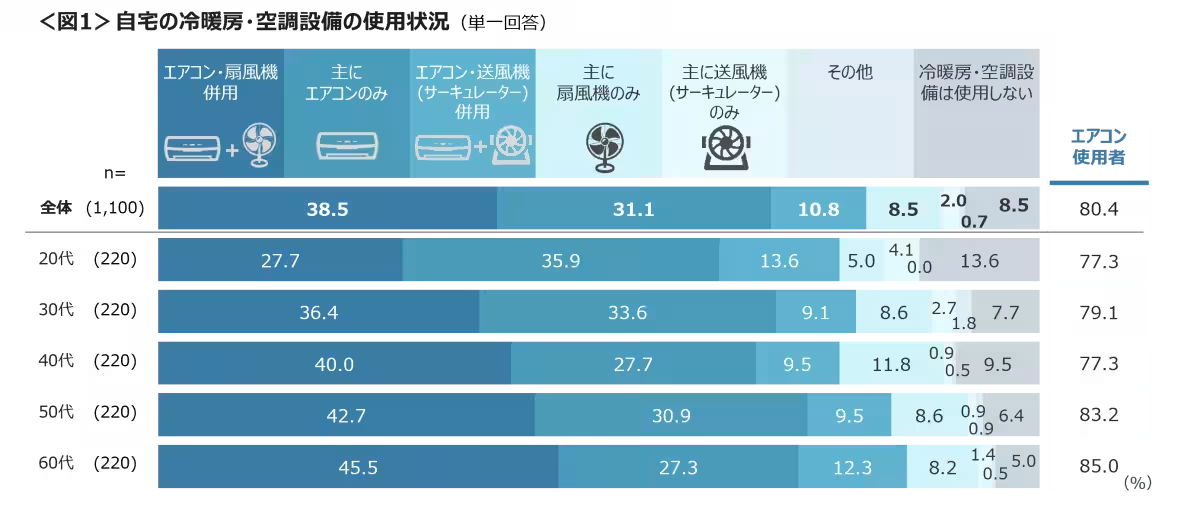
In this summer, a significant 38.5% of respondents reported using a combination of air conditioning and fans for cooling their homes. Following closely was the preference for using air conditioning alone, at 31.1%. Interestingly, the data indicates that the older the respondents, the more likely they are to combine both cooling methods. For example, while only 27.7% of those in their 20s utilized both devices, this figure rose to nearly 45.5% among respondents in their 60s.
Ideal Temperature Settings
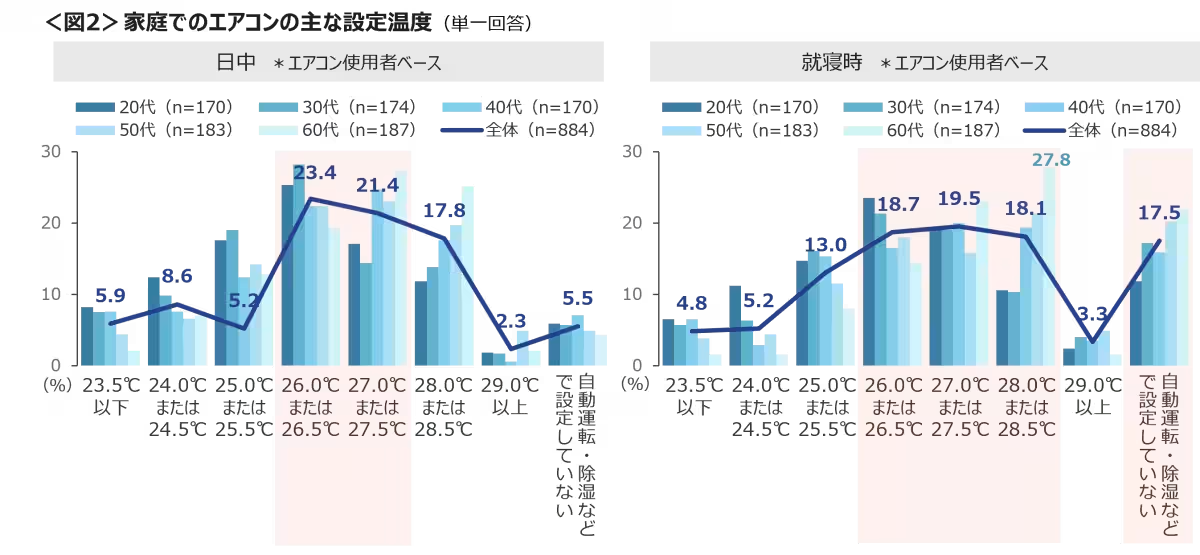
The survey results also indicate preferred temperature settings for air conditioning. During the day, the most common setting fell between 26.0℃ and 27.5℃. When it comes to night-time temperatures, most respondents opt for settings between 26.0℃ and 28.5℃. Notably, a considerable number—over 10%—reported not having a specific temperature set, opting instead for automatic or dehumidifying modes. Again, older respondents tended to set their temperatures higher, with nearly 30% of those in their 60s preferring settings of 28.0℃ to 28.5℃ at night.
Purchasing and Upgrading Air Conditioners
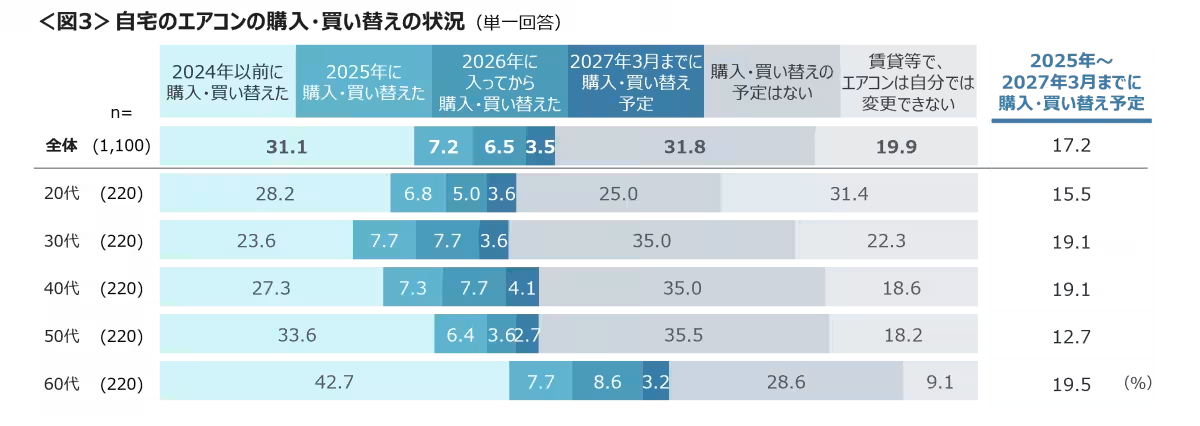
In terms of the purchasing trends for air conditioning units, approximately 30% of respondents indicated that they had either purchased or replaced their units before 2024, while a similar percentage reported no plans for future purchases. Only 17.2% of participants planned to acquire new units after the discussion surrounding the issues expected in 2027 began to circulate in the latter half of 2025.
Usage Patterns During Summer
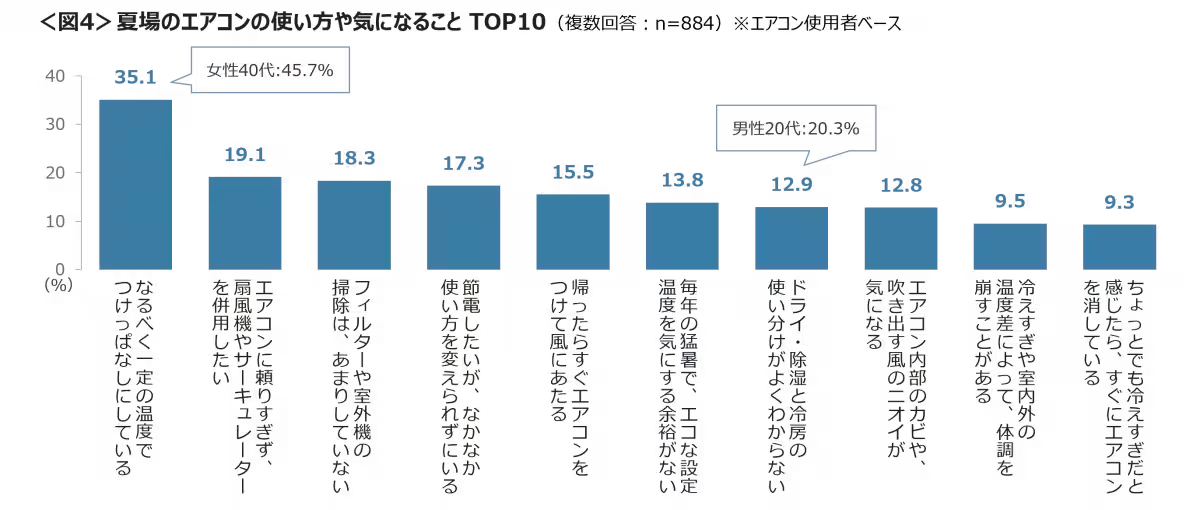
When it comes to the way air conditioning is utilized during the hot summer days, many respondents—35.1%—indicated that they prefer to keep their units running constantly at a steady temperature. This tendency is particularly pronounced among women in their 40s, with 45.7% adopting this approach. Contrarily, around 20% of men in their 20s expressed confusion regarding differentiating between the dry/dehumidifying and cooling functions of air conditioning.
Seeking Cool Spaces Outside the Home
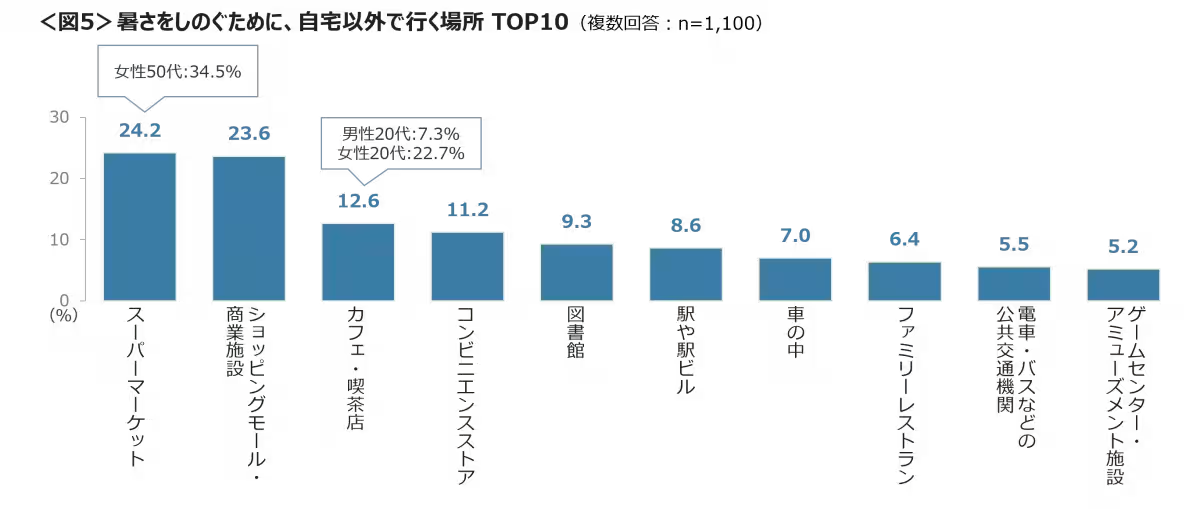
Finally, when searching for respite from heat outside their homes, supermarkets and shopping malls emerged as the preferred destinations. Supermarkets, in particular, saw a notable engagement from women in their 50s, who made up 34.5% of visitors. Notable differences also emerged between genders in café visits, with 7.3% of men in their 20s frequenting cafes compared to a significantly higher 22.7% of women in the same age bracket.
Conclusion
The insights gathered from this survey underscore the evolving preferences and practices regarding air conditioning use in Japan during the summer of 2026. As both technology and consumer behaviors adapt to these changing needs, it will be fascinating to observe how air conditioning systems continue to influence comfort and health in Japanese households in years to come.
Survey Methodology
This survey was conducted through internet research utilizing Cross Marketing's self-administered questionnaire tool, QiQUMO. It targeted a nationwide audience in all 47 prefectures of Japan. The research period spanned from July 17 to July 21, 2026, with a valid sample size of 1,100 respondents. It is important to note that the findings may not sum to 100% due to rounding issues.
About Cross Marketing
Cross Marketing has been at the forefront of market research, helping companies make informed decisions based on reliable data. With the rising importance of air conditioning in Japan's hot summers, the company continues to explore and report on consumer trends that shape the market.
For more detailed insights and to download cross-tabulated tables, please visit Cross Marketing's report.
Topics Consumer Technology)
【About Using Articles】
You can freely use the title and article content by linking to the page where the article is posted.
※ Images cannot be used.
【About Links】
Links are free to use.