



Survey Reveals Surprising Ignorance About EV Incentives Among Regular Drivers
Understanding Electric Vehicle Awareness among Regular Drivers
A significant study conducted by CUBE-LINX, based in Hino City, Tokyo, focused on the perceptions and awareness of electric vehicles (EVs) among individuals who drive their personal vehicles 2-3 times a week. This investigation drew responses from a diverse group of male and female participants aged 20 to 50 and has underscored some critical insights regarding the state of EV awareness and the barriers to purchase.
Background of the Study
With the global push towards achieving carbon neutrality by 2050, the Japanese government is advocating for Green Transformation (GX), aiming to propel the automotive industry towards electrification. Given the recent surge in gasoline prices burdening household budgets, EVs are increasingly seen as a potential remedy for various societal challenges. However, consumers face several hurdles such as high initial costs, insufficient charging infrastructure, and concerns about driving range. The mixed progress of major Japanese automakers in developing EVs and recalibrating production targets, coupled with stagnant global sales figures, create a sense of inertia in the EV market. This survey sought to illuminate the existing gap between government initiatives and consumer understanding of EVs.
Survey Findings
The findings of the survey unveil multiple facets regarding consumer interest in electric vehicles.
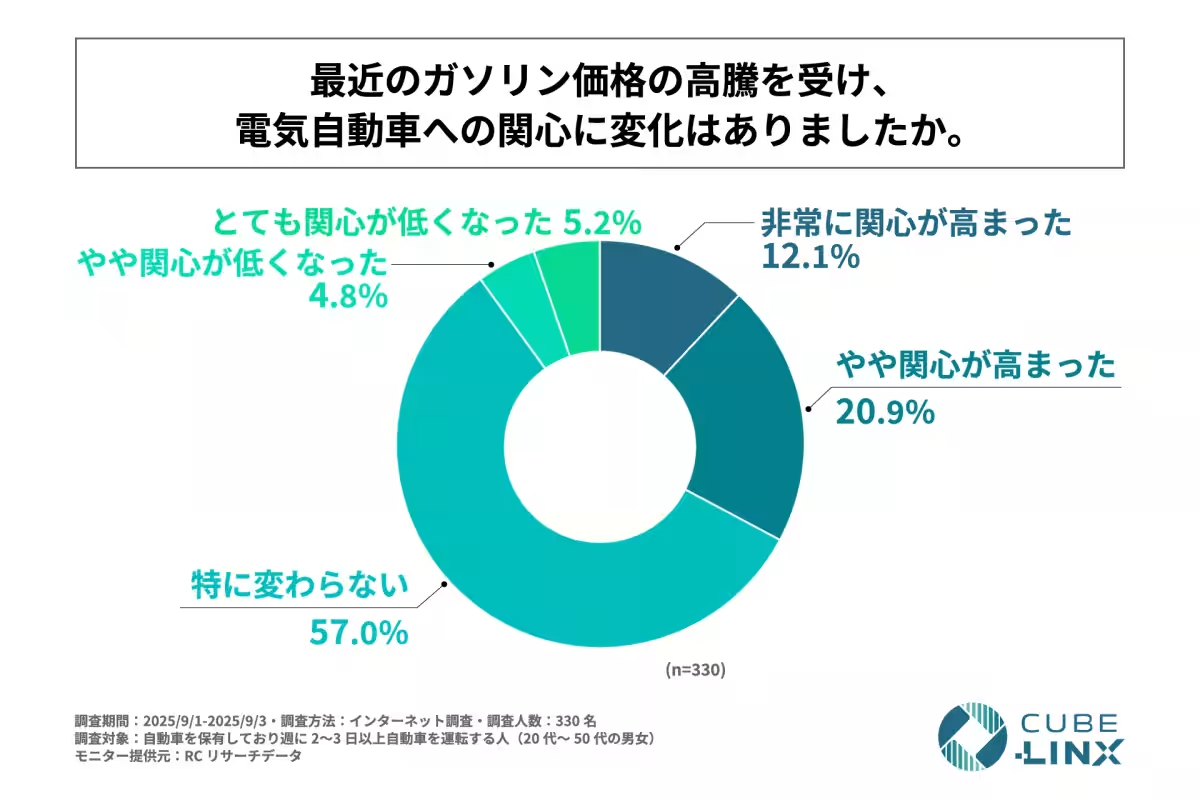
1. Increased Interest in EVs: Over 30% of those surveyed indicated that the recent spike in gasoline prices has somewhat heightened their interest in electric vehicles. Although the predominant response was that interest had not changed, the combined percentage of increased interest (both slightly and significantly) exceeded 30%, showcasing a potential shift in consumer sentiment toward EVs.
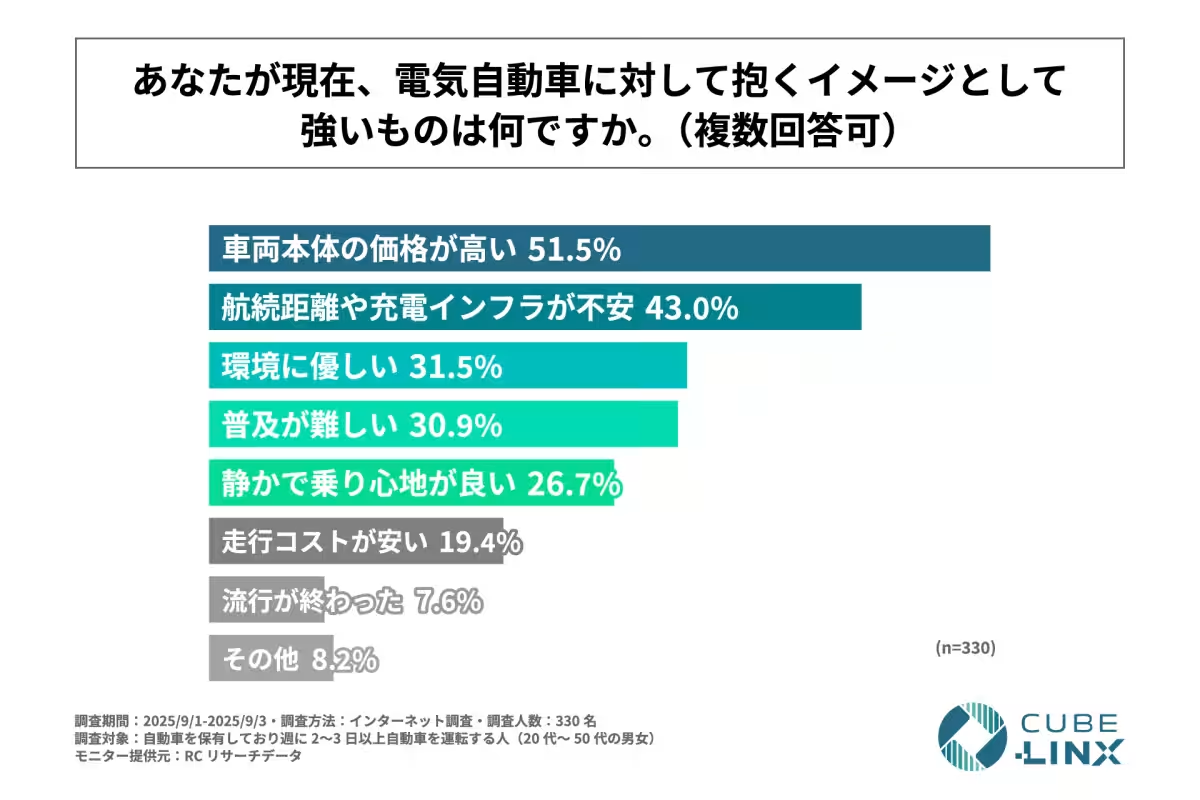
2. Perceptions of Costs and Infrastructure: Respondents highlighted significant concerns about the high costs associated with EVs and apprehensions surrounding charging infrastructure and range. Specifically, 51.5% expressed worries about the upfront cost of electric vehicles, while 43% feared inadequate charging capabilities might impede their decision to purchase.
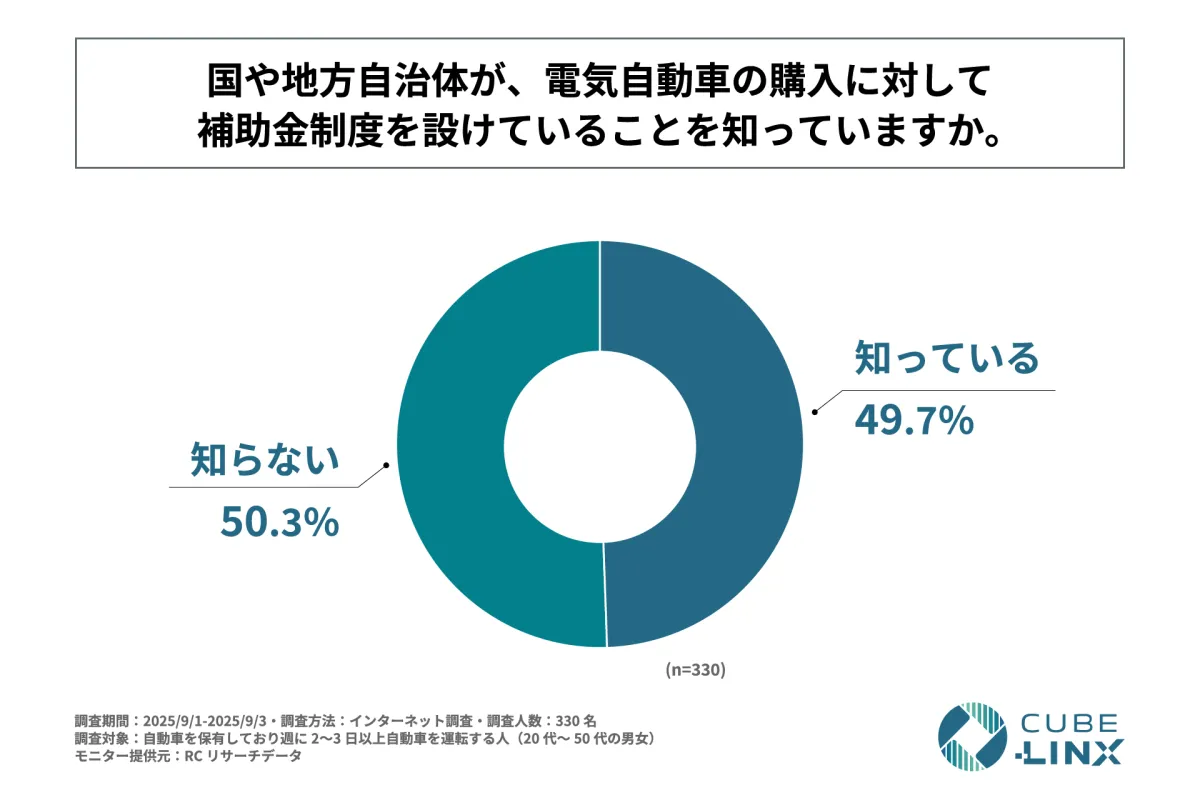
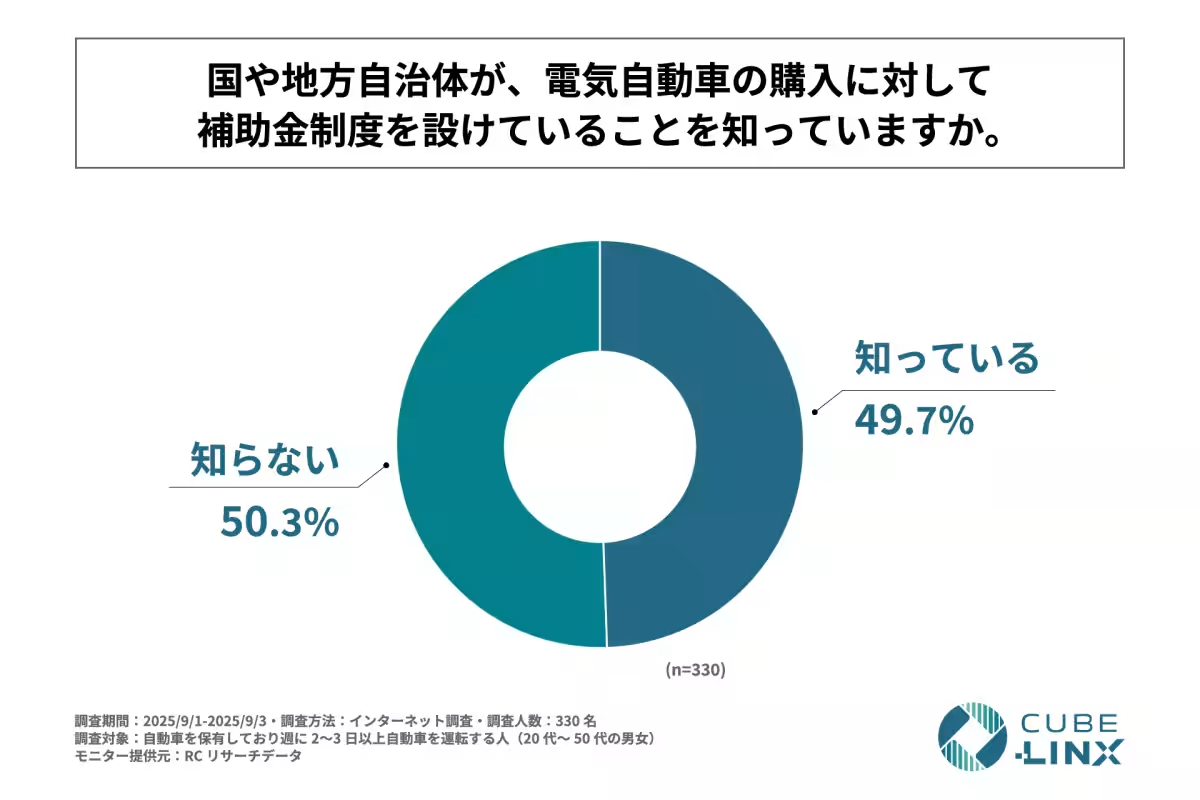
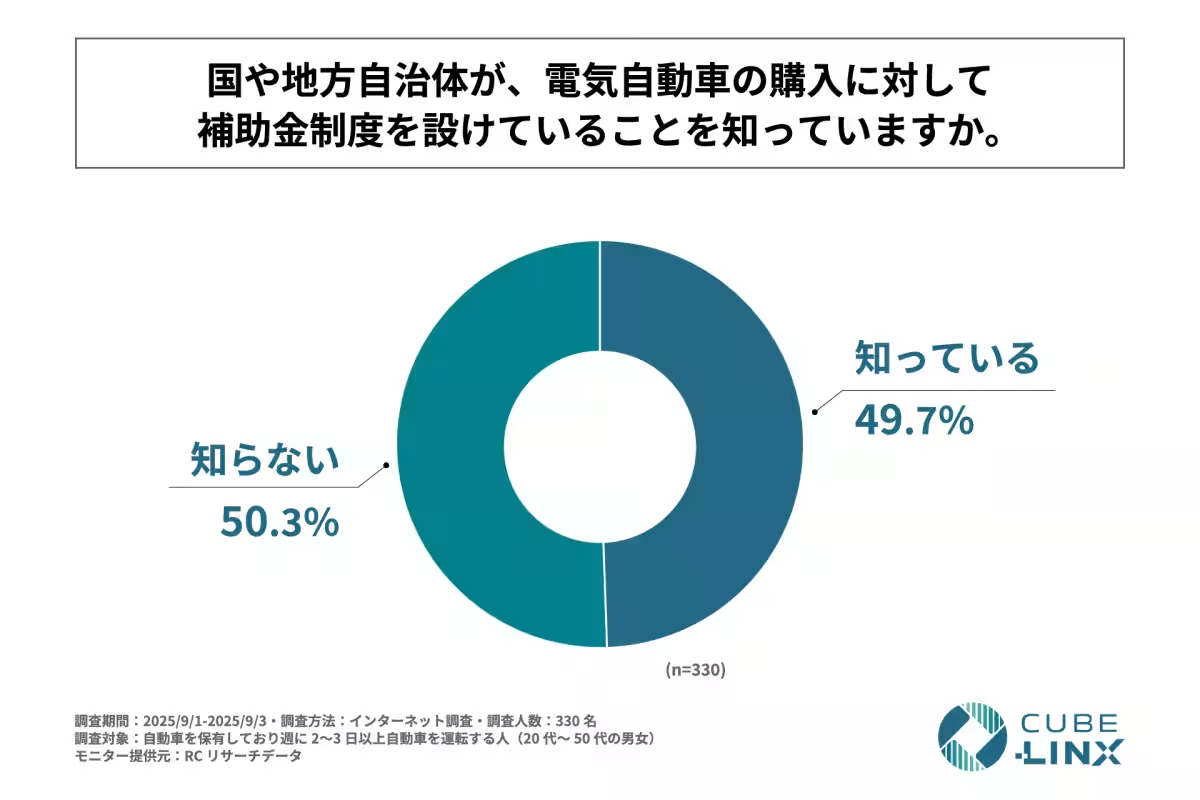
3. Lack of Awareness Regarding Subsidies: A striking revelation was that more than half (50.3%) of the participants were unaware that government subsidies existed for purchasing electric vehicles. This lack of awareness presents a critical barrier that policymakers might need to address to enhance EV adoption.
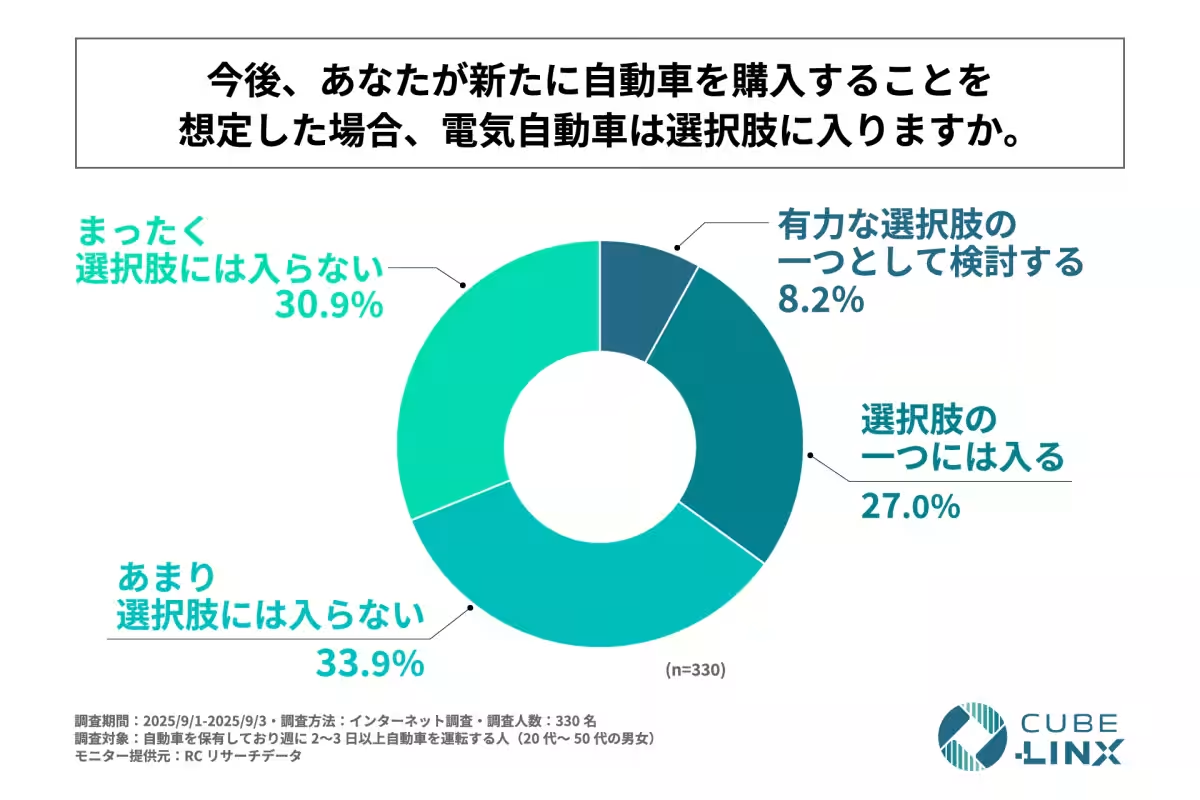
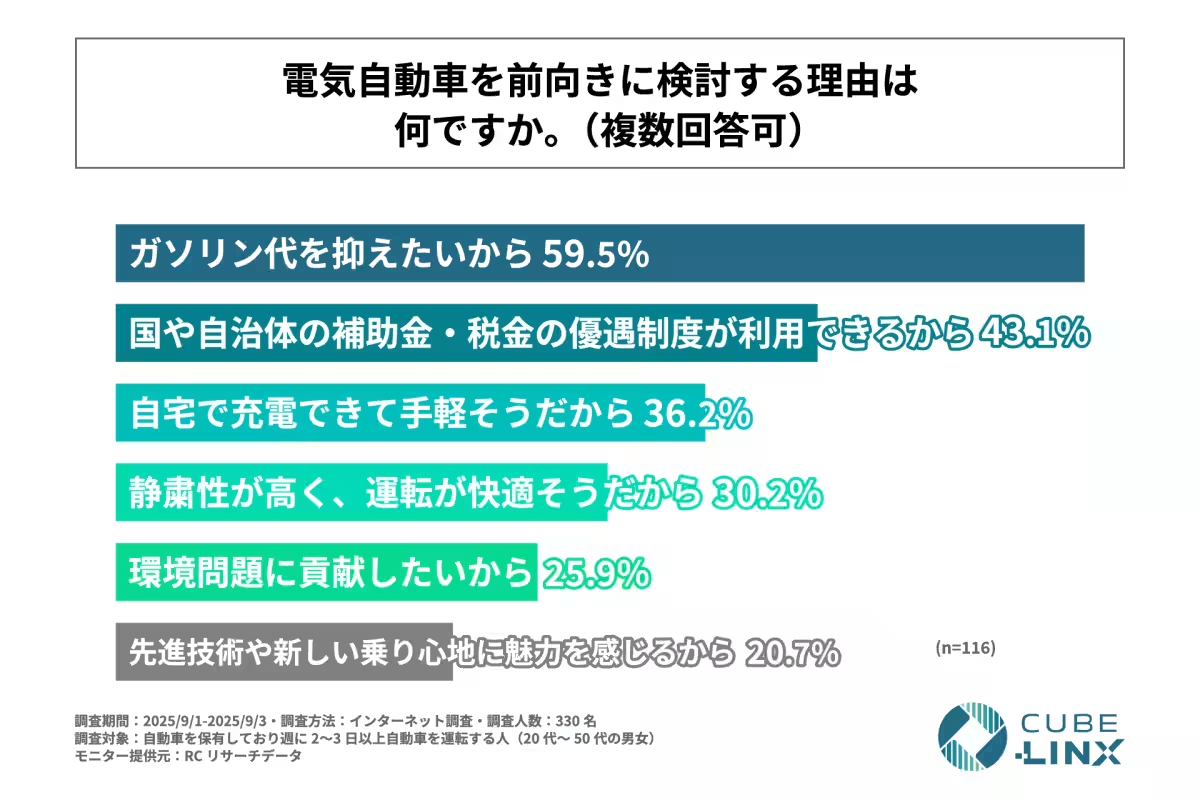
4. Consideration for Future Purchases: Despite awareness gaps, 35% of drivers indicated that electric vehicles might be considered in future car purchases, highlighting a potential market for EVs if the right support is provided. When considering EVs, the top reasons cited for positive interest included desires to save on fuel costs (59.5%), the availability of government incentives (43.1%), and the convenience of home charging (36.2%).
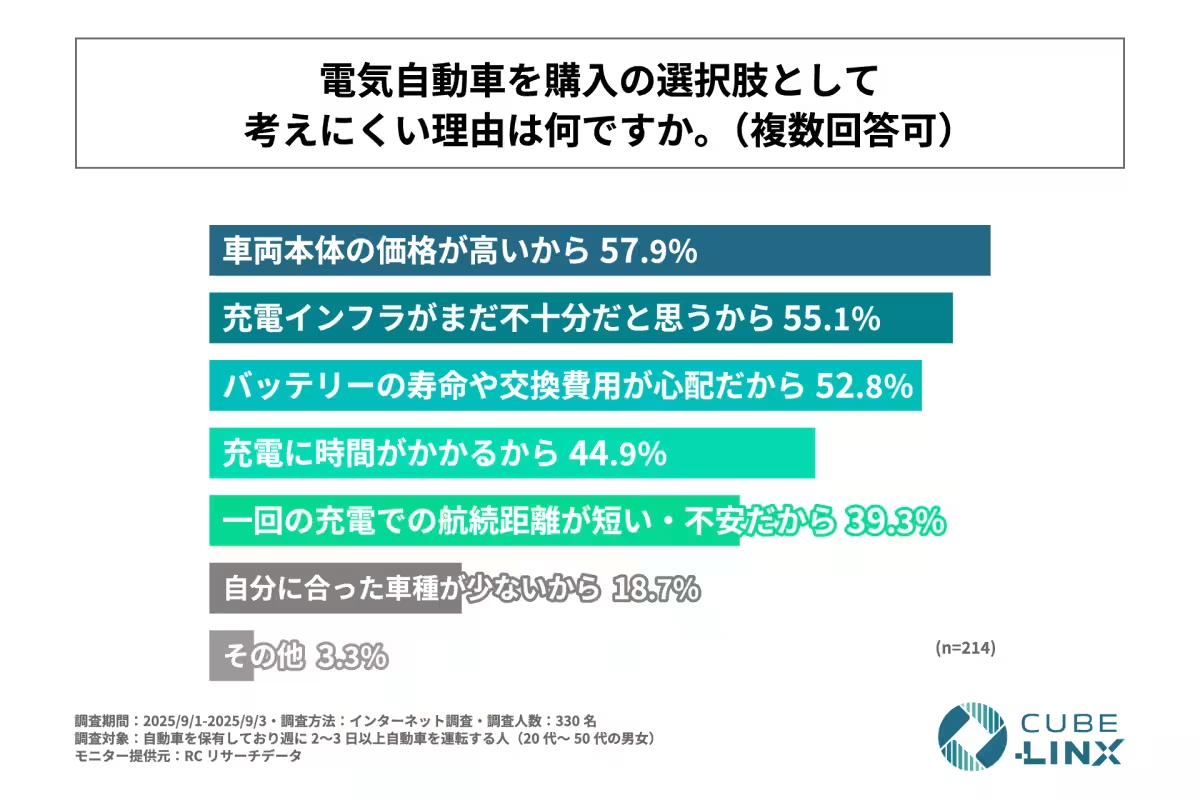
5. Barriers to Purchase: However, a significant proportion of respondents (64.8%) stated that electric vehicles were not likely to be included in their purchase plans, primarily due to high vehicle prices and concerns surrounding charging infrastructure. 57.9% pointed to the high upfront costs while 55.1% felt the charging networks were still insufficient.
Conclusion
The CUBE-LINX survey unveiled that while a growing number of regular drivers show increased interest in electric vehicles in light of rising gasoline prices, many remain uninformed about existing government subsidies designed to facilitate EV adoption. The identified barriers include high costs and concerns regarding charging facilities, which necessitate comprehensive support mechanisms to alleviate consumer apprehensions.
In response to these challenges, CUBE-LINX aims to provide tailored consulting services to businesses considering electric vehicles for commercial use. Their initiative encompasses offering support for understanding subsidies, developing charging infrastructure, and optimizing energy use. For more detailed information, interested parties can visit the CUBE-LINX website to explore the available services.
About CUBE-LINX
CUBE-LINX specializes in providing consulting services for electric vehicle implementation, including guidance on subsidies and infrastructure development, ensuring a streamlined approach to transitioning to electric mobility.
For more information on services like the Commercial EV and Charger Implementation Support, please check their online platform.
Website: CUBE-LINX

Topics Energy)
【About Using Articles】
You can freely use the title and article content by linking to the page where the article is posted.
※ Images cannot be used.
【About Links】
Links are free to use.