



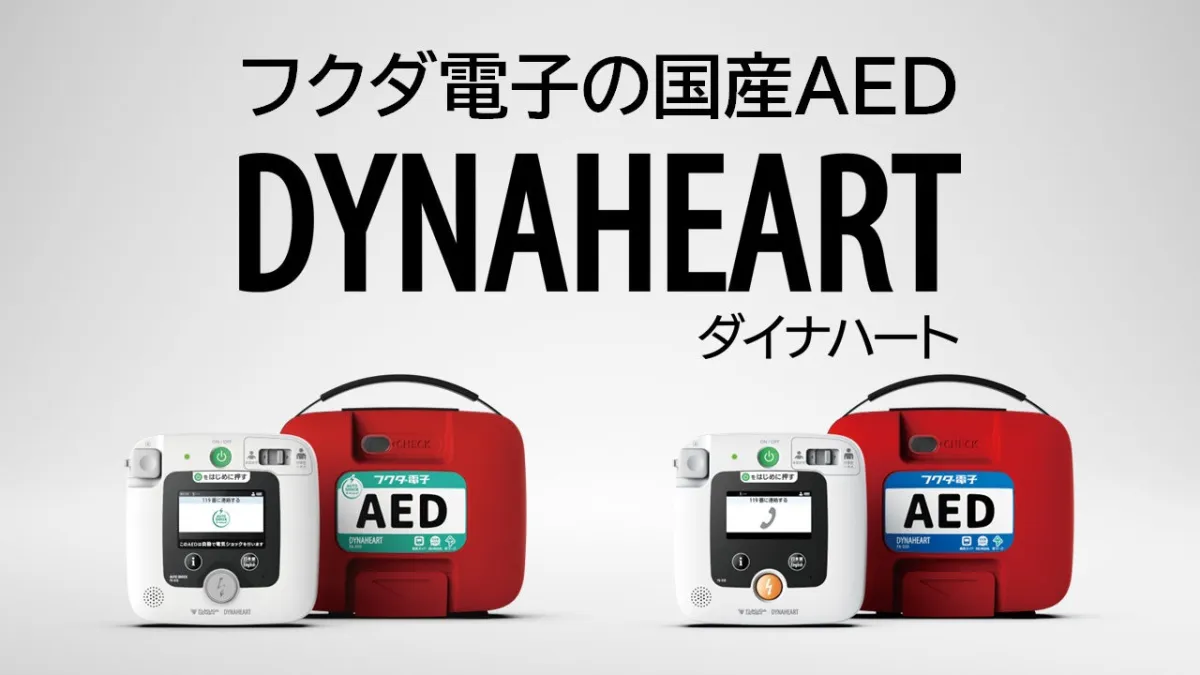
Fukuda Electronics Launches Made-in-Japan AED Models DYNAHEART AED FA-S1D and FA-A1D
Fukuda Electronics Launches Domestic AED Models
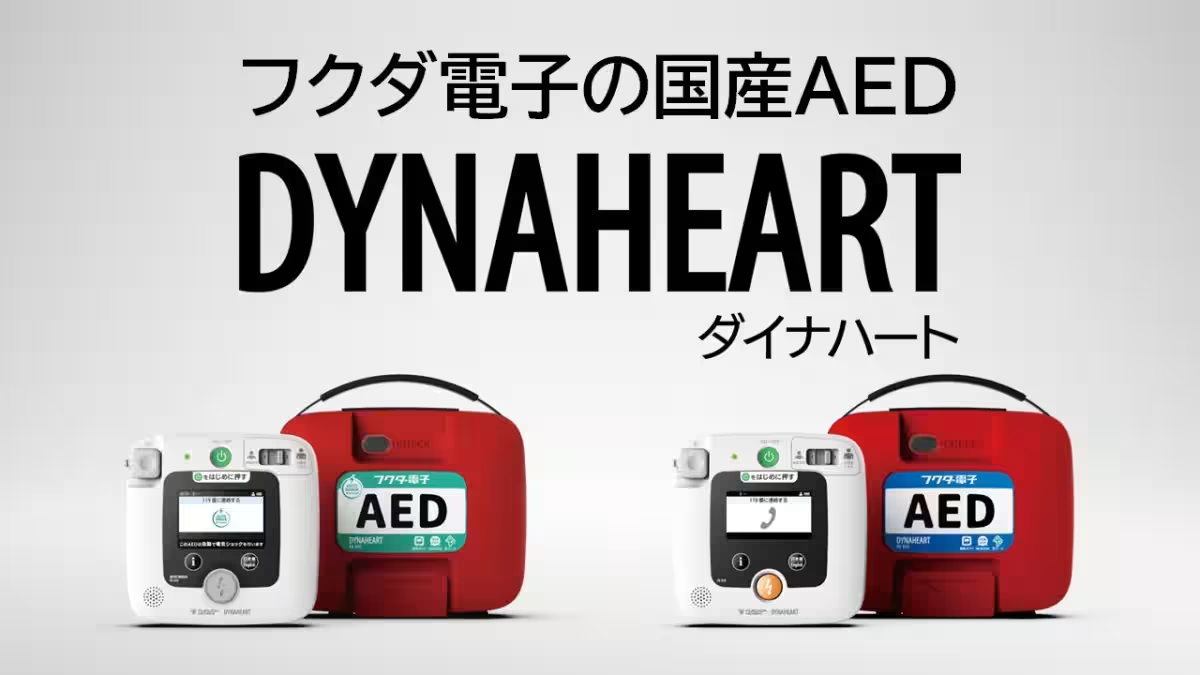
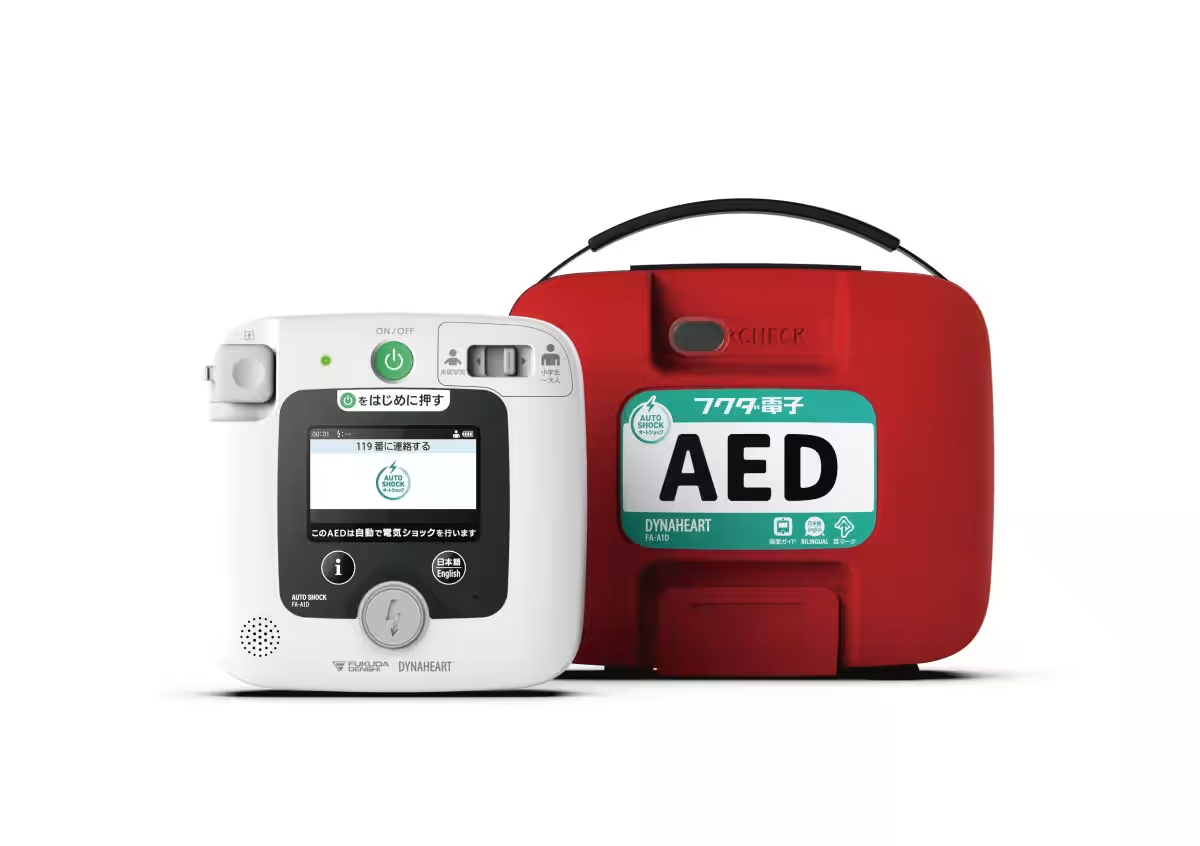
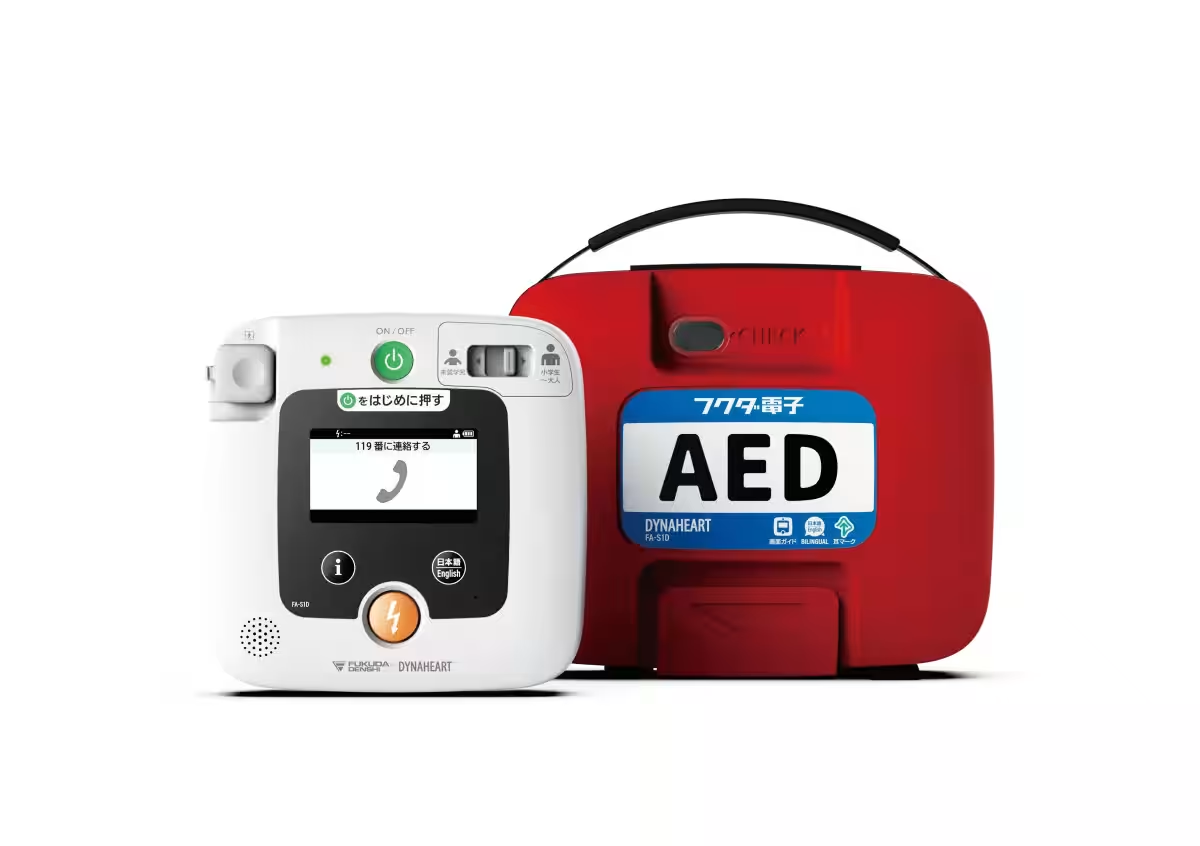
Fukuda Electronics, a pioneer in electrocardiogram technology, has officially launched its first domestic Automated External Defibrillators (AEDs): the DYNAHEART AED FA-S1D and FA-A1D. With manufacturing and sales approval obtained on July 16, 2025, the company commenced sales in October. These AEDs come equipped with innovative features aimed at reducing the burden and anxiety for operators, particularly those using AEDs for the first time.
Key Features of DYNAHEART AED FA-S1D and FA-A1D
As the company embarks on this new venture, the DYNAHEART AED series addresses prior challenges faced in the market, where most AEDs are imported despite increasing domestic adoption. The devices are designed to suit the unique operational scenarios typically encountered in Japan, making them more accessible and user-friendly.
User-Friendly Operation
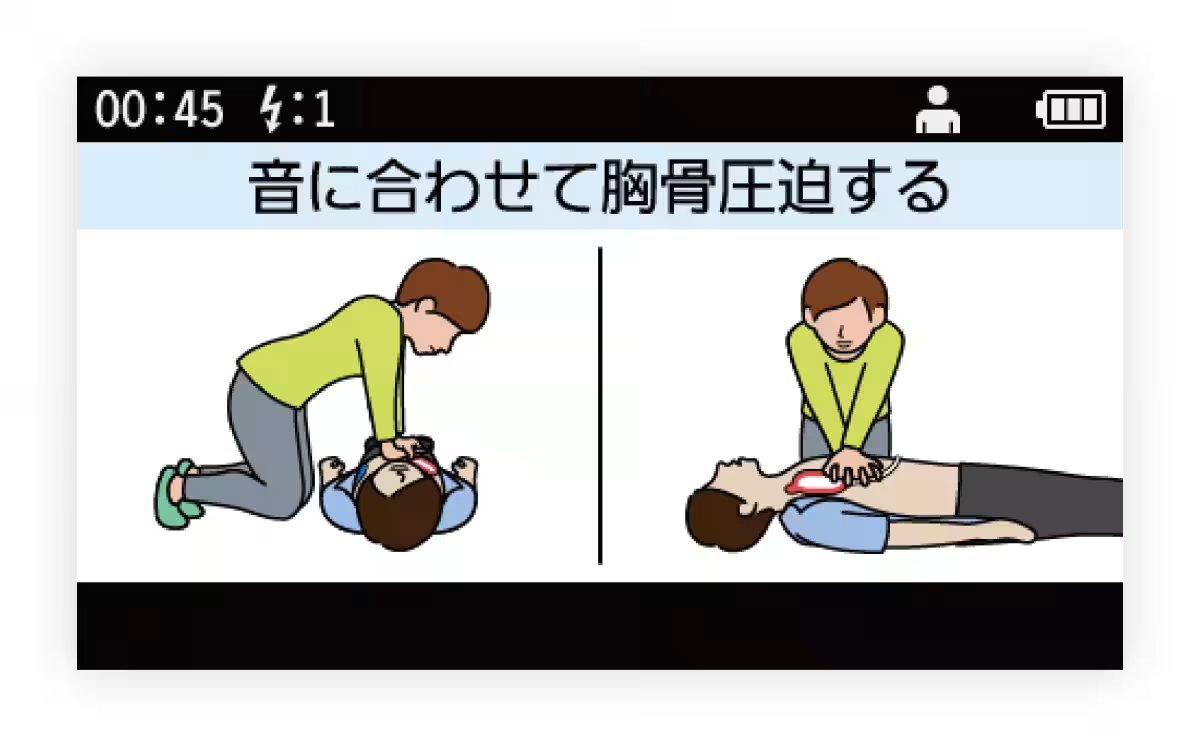
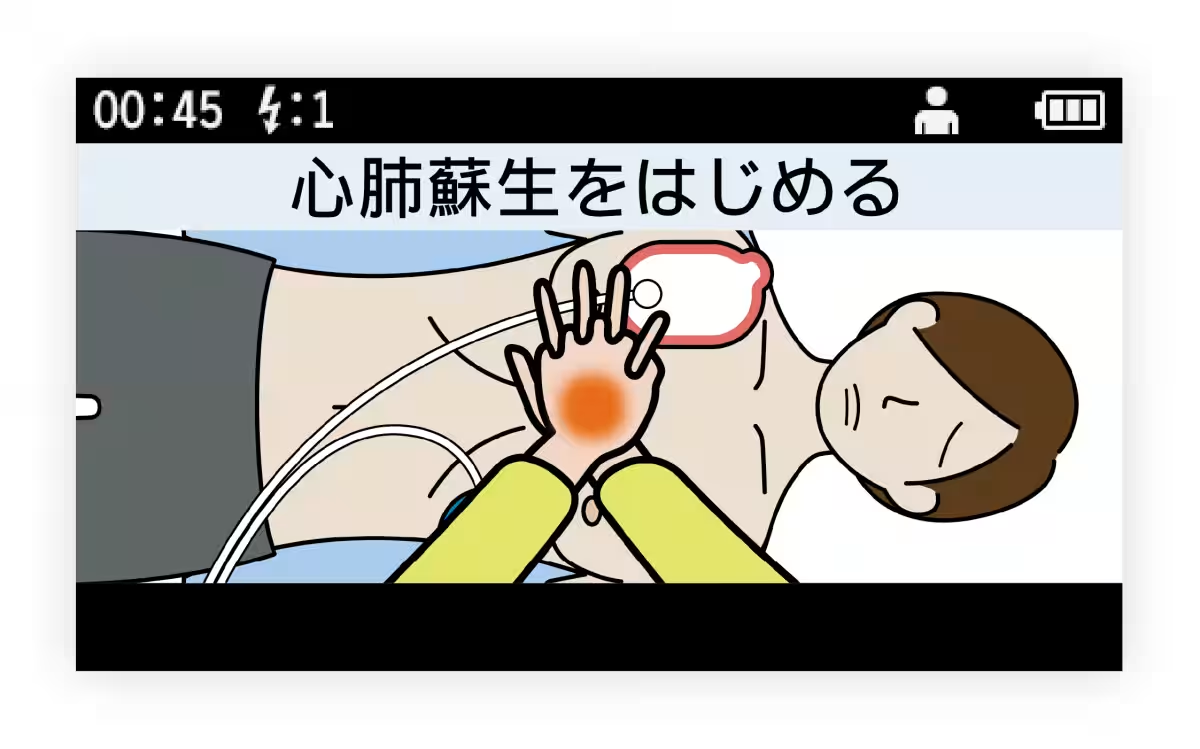
One of the standout attributes of this AED series is the 4.3-inch color LCD screen. The display not only enhances visibility but also provides clear audio and visual guidance during its operation, substantially reducing the stress associated with using the device in emergencies. The incorporation of the latest technology ensures even first-time users can confidently follow the prompts during a critical moments.
Comprehensive Design
- - 100% Made in Japan: From design to production, every aspect of these AEDs is managed within Japan, ensuring high standards of quality and efficiency.
- - Multi-Language Support: The units offer voice guidance in both Japanese and English to accommodate a broader range of users.
- - Lightweight and Portable: Engineered for ease of transport, these compact devices can be installed in various locations without hassle.
- - Self-Check Functionality: Automatic daily self-checks provide reassurance of the device's operational readiness.
- - Durability: Rated at IP66, the AEDs are both dustproof and waterproof, with resistance to impact, ensuring reliability in various environments.
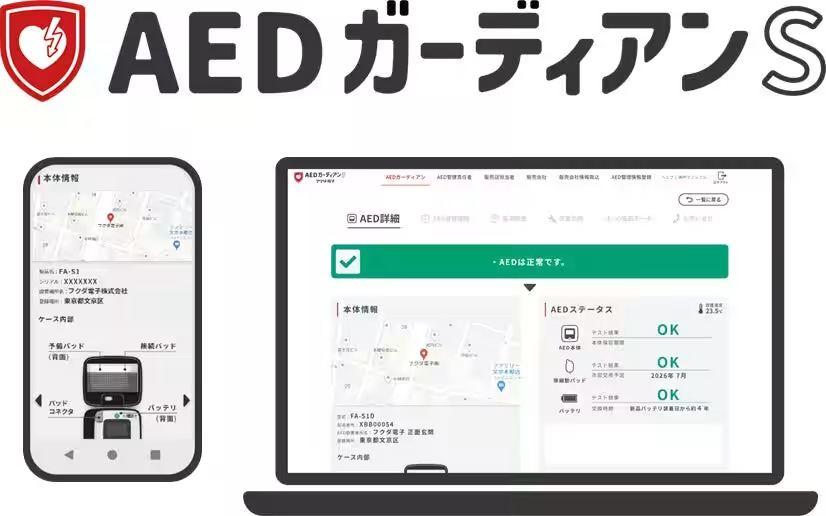
- - Remote Monitoring System: Each unit comes with the AED Guardian S, a system that allows for real-time monitoring of device status and supplies via web browsers, simplifying everyday management tasks.
Advanced Features of FA-A1D
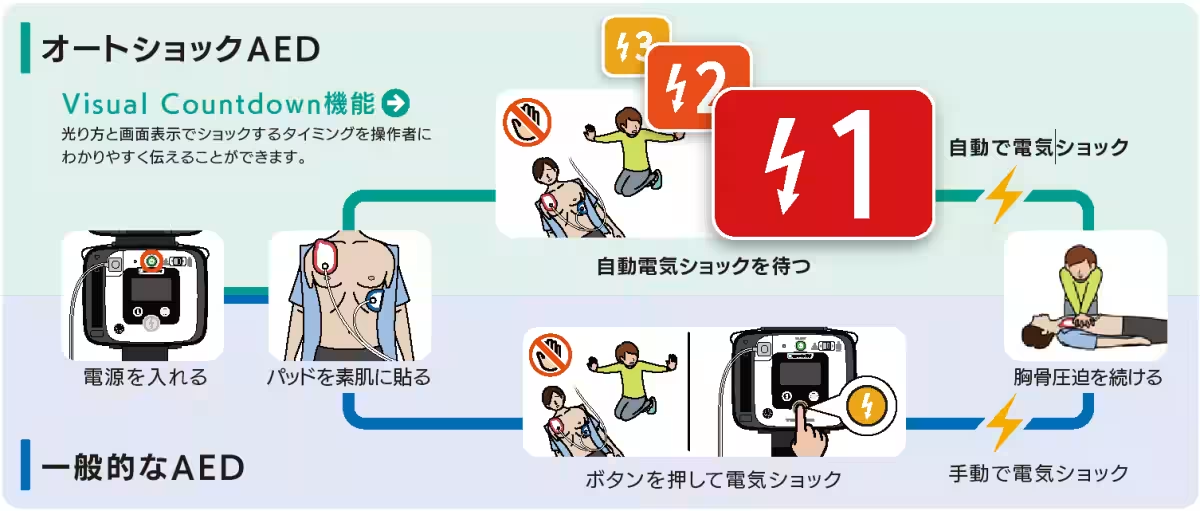
In tandem with the FA-S1D, the DYNAHEART AED FA-A1D is an automated shock AED, designed with the intent of streamlining resuscitation efforts. This model incorporates a visual countdown feature, which benefits hearing-impaired users by providing a clear indicator of when an electric shock will be delivered, thereby alleviating operator anxiety related to timing.
Enhanced Monitoring
The DYNAHEART AED lineup allows for dual-location tracking through GPS and Wi-Fi, making it easier to pinpoint locations in indoor settings. This feature plays a crucial role not only in identifying potential emergency sites but also in recovering stolen AEDs.
Guidelines for AED Management
To maintain the efficacy of AEDs, users are urged to conduct regular inspections, ensuring that indicators, consumables, and expiration dates are monitored closely. AED administrators are encouraged to follow the manufacturer’s recommendations for maintenance and check the operational readiness of the devices regularly. Additionally, proper disposal and transfer protocols must be adhered to when necessary, emphasizing the use of certified channels for any issues that arise.
About Fukuda Electronics
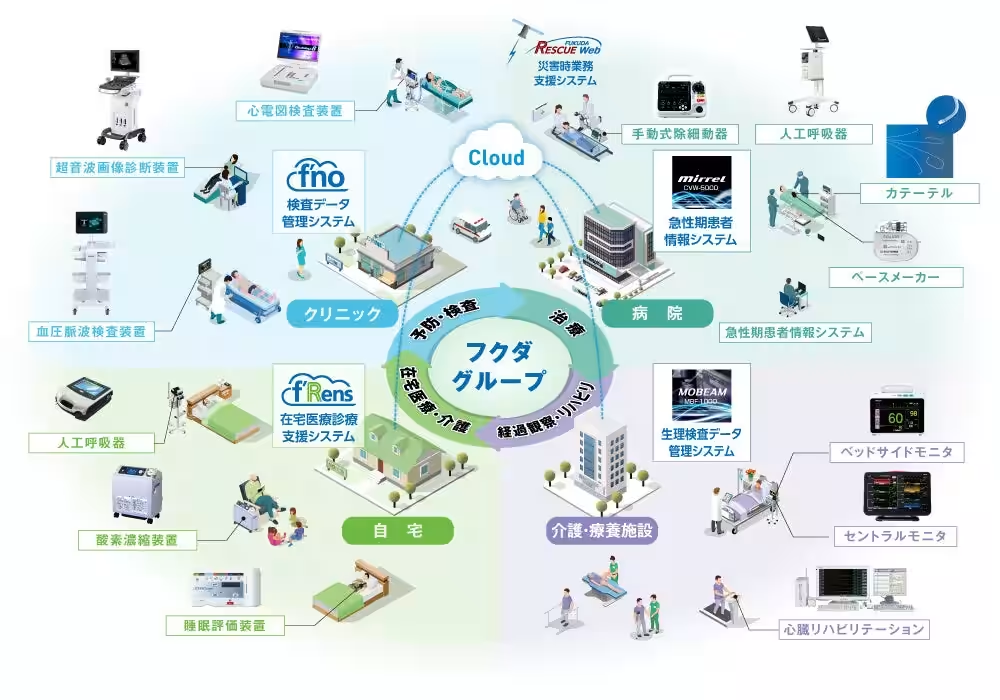
Founded in 1939, Fukuda Electronics has grown to become a leading manufacturer of Japanese ECG devices. The company's mission revolves around leveraging medical technology to contribute to advancements in healthcare, spanning prevention, examination, and rehabilitation.
CEO Daijiro Shirai states, "We are committed to fulfilling our social responsibility by developing ME devices that improve medical practices and ultimately enhance global health standards."
For more information, visit Fukuda Electronics.
Conclusion
Fukuda Electronics invites all interested parties to explore its new AED models, designed to enhance public safety and preparedness in emergency situations. The focus on accessibility for first-time users signals an important leap forward in the production of life-saving medical technology.

Topics Health)
【About Using Articles】
You can freely use the title and article content by linking to the page where the article is posted.
※ Images cannot be used.
【About Links】
Links are free to use.