



Choosing a Future Without Hunger: Supporting Change through Hometown Tax Donations
In a world where a significant amount of food is produced, it is disheartening that many individuals still face hunger and malnutrition. The global food crisis is not solely due to a lack of food; rather, it stems from disparities in access resulting from poverty, climate change, conflicts, and educational inequalities. Tsurumi Kazuo, the chairman of the certified NPO Hunger Free World (HFW), based in Chiyoda, Tokyo, emphasizes the need for structural changes to ensure food reaches those who need it most.
To facilitate this, HFW has launched a unique initiative through Chiyoda's hometown tax system, aimed at individuals who wish to contribute to impactful projects. Launched on October 16, in tandem with World Food Day, the organization encourages citizens to participate in supporting sustainable solutions to food security.
The specific program associated with Chiyoda's hometown tax is aptly named the 'Hometown Chiyoda Support Project.' This initiative represents a self-sustaining project designed to empower communities to secure their nutrition and livelihoods. Unlike other hometown tax donations that often return extravagant gifts, HFW focuses solely on the significance of the contributions made towards resolving social issues. The timeline for donations remains open until December 31, 2026, allowing plenty of time for interested participants to join in.
Donors are encouraged to utilize the 'Furusato Choice' platform, a website dedicated to hometown tax donations, for their contributions. Although there are no physical gifts offered in return, participants in the initiative are investing in a vision of a society where every individual can access the food they require.
HFW strongly believes that the issue of hunger is not rooted in an overall food scarcity but rather in unequal access to food resources. Their projects spanning four countries—Bangladesh, Burkina Faso, Uganda, and Benin—aim to empower residents to independently engage in agriculture, enhance nutritional practices, and establish cooperatives.
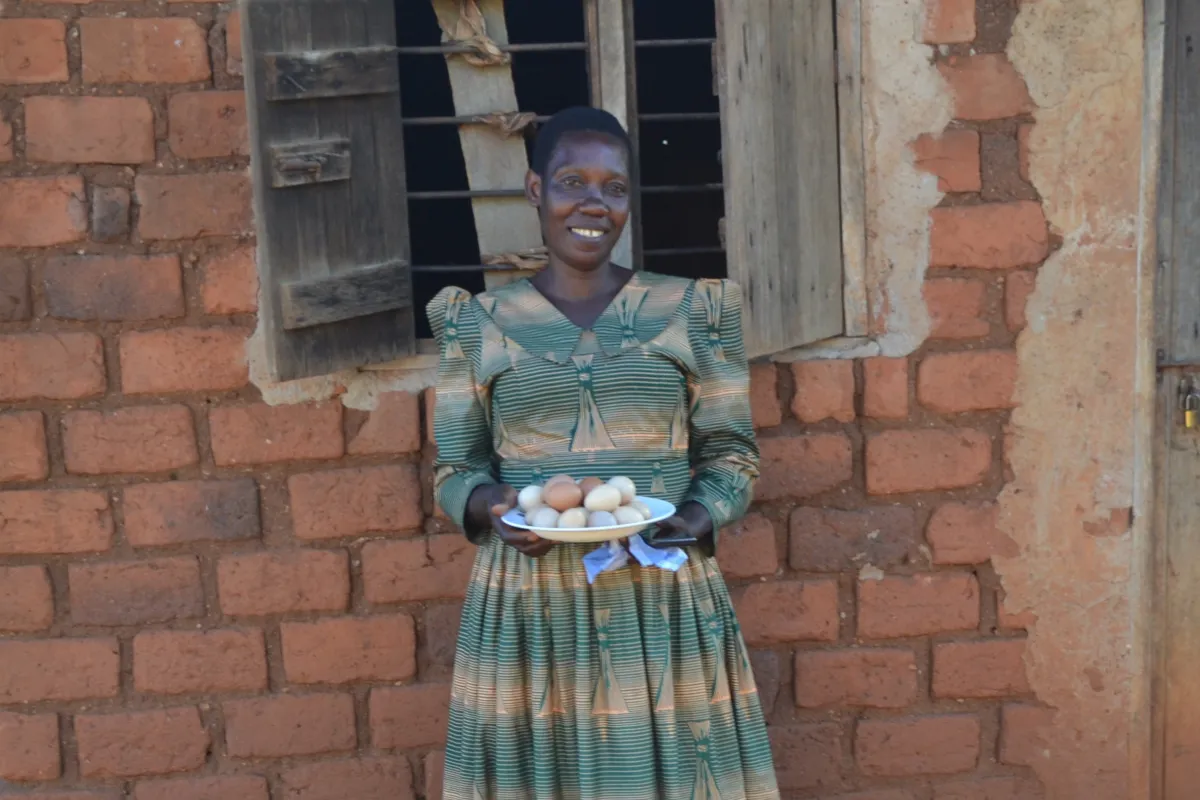
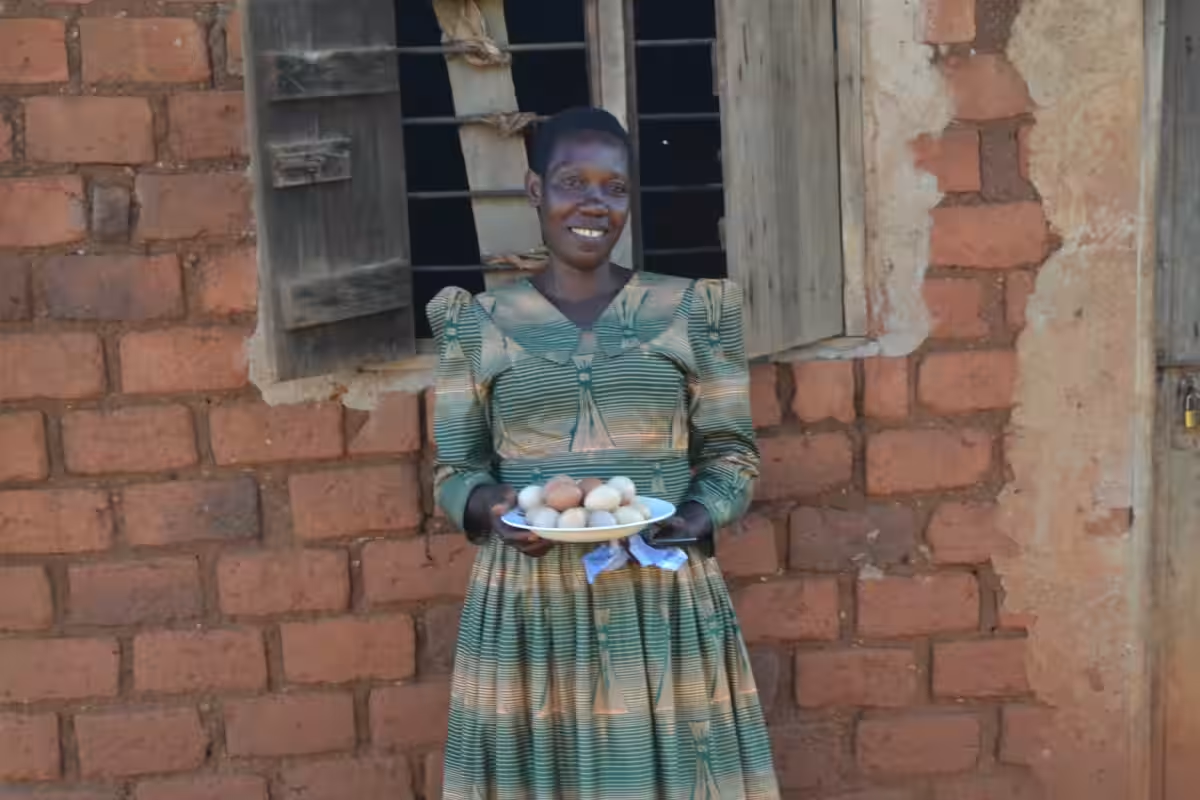
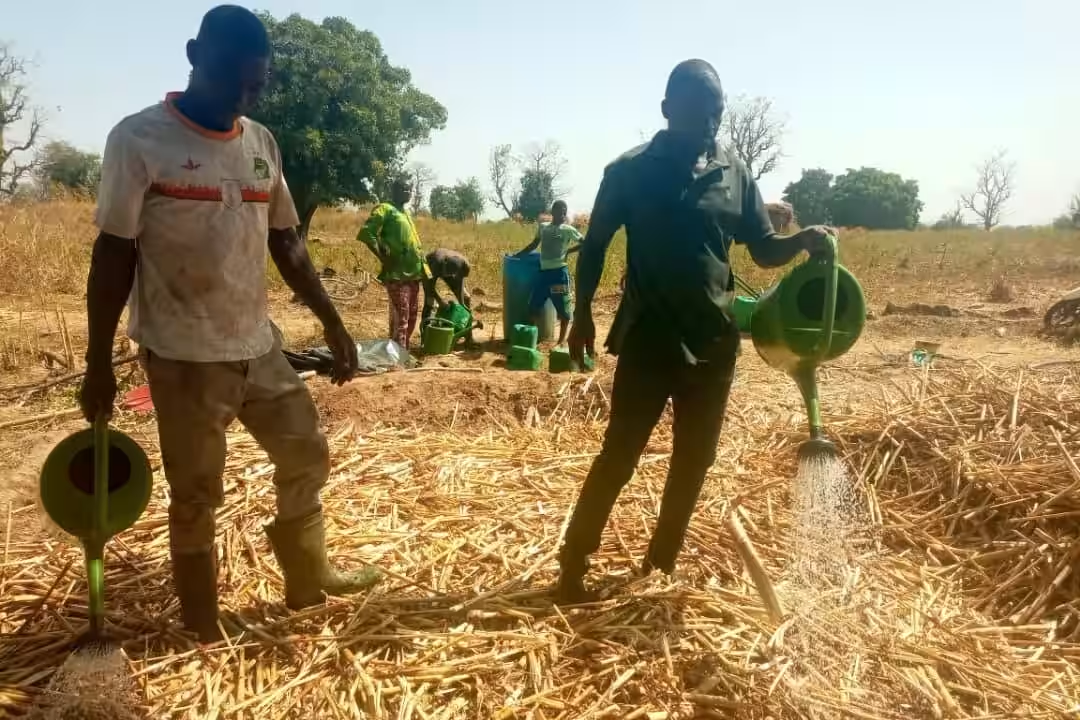
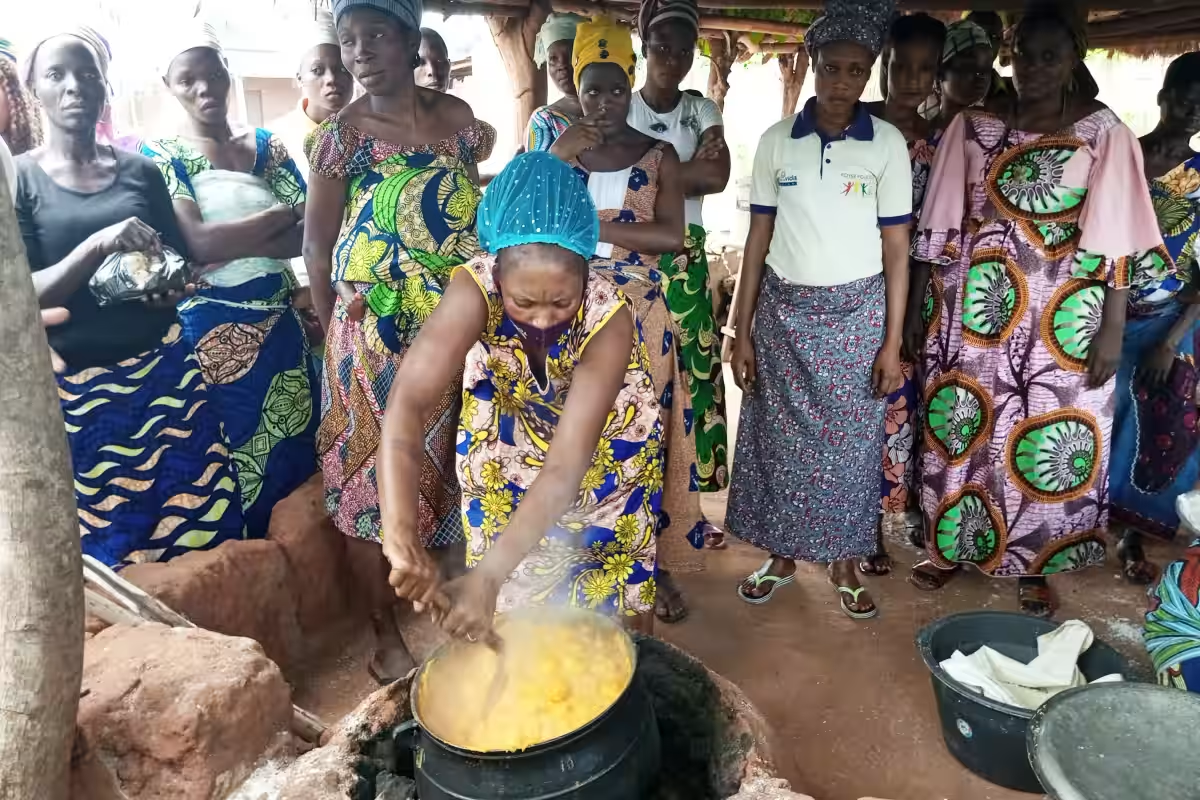
Take, for instance, HFW's work in Burkina Faso, where training is underway for residents to create organic compost to support sustainable agriculture. In Uganda, cooperatives are focusing on poultry farming, where the production of eggs not only contributes to nutritional improvement but also enhances family income. Meanwhile, in Benin, mothers are learning how to prepare balanced meals using local resources, all part of a holistic approach to tackling malnutrition.
Nana Hosoi, HFW’s Executive Director, emphasizes the dual role of hometown taxation. It serves not just as a means to receive gifts but as a method for donors to have a voice in how their taxes are utilized for societal improvement.
In her words, "The essence of hunger is deeply rooted in inequality; it’s not about the amount of food available, but who gets access to it. By empowering communities to nourish themselves, we strive for a future free from hunger. As we approach World Food Month, I hope more individuals recognize this new opportunity to support positive change through their taxes.”
Those looking to further explore this initiative can find more information on HFW's official website and utilize the resources available to contribute. For any inquiries, Daisuke Ishii from HFW’s domestic project team can be contacted directly.
In conclusion, participating in Chiyoda’s hometown tax through HFW not only aids in addressing immediate food security issues but also plays a pivotal role in nurturing long-term solutions and societal transformation. Every donation brings us one step closer to a world where hunger is a part of history, not a current crisis. HFW has been at the forefront of this mission since its establishment in 1984 and continues to advocate for a world where everyone can enjoy basic human rights, including access to food.
To facilitate this, HFW has launched a unique initiative through Chiyoda's hometown tax system, aimed at individuals who wish to contribute to impactful projects. Launched on October 16, in tandem with World Food Day, the organization encourages citizens to participate in supporting sustainable solutions to food security.
The Hometown Tax Initiative
The specific program associated with Chiyoda's hometown tax is aptly named the 'Hometown Chiyoda Support Project.' This initiative represents a self-sustaining project designed to empower communities to secure their nutrition and livelihoods. Unlike other hometown tax donations that often return extravagant gifts, HFW focuses solely on the significance of the contributions made towards resolving social issues. The timeline for donations remains open until December 31, 2026, allowing plenty of time for interested participants to join in.
Donors are encouraged to utilize the 'Furusato Choice' platform, a website dedicated to hometown tax donations, for their contributions. Although there are no physical gifts offered in return, participants in the initiative are investing in a vision of a society where every individual can access the food they require.
Addressing Hunger through Structural Change
HFW strongly believes that the issue of hunger is not rooted in an overall food scarcity but rather in unequal access to food resources. Their projects spanning four countries—Bangladesh, Burkina Faso, Uganda, and Benin—aim to empower residents to independently engage in agriculture, enhance nutritional practices, and establish cooperatives.
Take, for instance, HFW's work in Burkina Faso, where training is underway for residents to create organic compost to support sustainable agriculture. In Uganda, cooperatives are focusing on poultry farming, where the production of eggs not only contributes to nutritional improvement but also enhances family income. Meanwhile, in Benin, mothers are learning how to prepare balanced meals using local resources, all part of a holistic approach to tackling malnutrition.
A Message from HFW’s Executive Director
Nana Hosoi, HFW’s Executive Director, emphasizes the dual role of hometown taxation. It serves not just as a means to receive gifts but as a method for donors to have a voice in how their taxes are utilized for societal improvement.
In her words, "The essence of hunger is deeply rooted in inequality; it’s not about the amount of food available, but who gets access to it. By empowering communities to nourish themselves, we strive for a future free from hunger. As we approach World Food Month, I hope more individuals recognize this new opportunity to support positive change through their taxes.”
Those looking to further explore this initiative can find more information on HFW's official website and utilize the resources available to contribute. For any inquiries, Daisuke Ishii from HFW’s domestic project team can be contacted directly.
In conclusion, participating in Chiyoda’s hometown tax through HFW not only aids in addressing immediate food security issues but also plays a pivotal role in nurturing long-term solutions and societal transformation. Every donation brings us one step closer to a world where hunger is a part of history, not a current crisis. HFW has been at the forefront of this mission since its establishment in 1984 and continues to advocate for a world where everyone can enjoy basic human rights, including access to food.
Topics Other)
【About Using Articles】
You can freely use the title and article content by linking to the page where the article is posted.
※ Images cannot be used.
【About Links】
Links are free to use.