



As Challenges Rise, 85% of Pharmacy Operators Fear M&A Trends Following 2026 Reform
Increasing Challenges and Future Trends in Pharmacy Operations
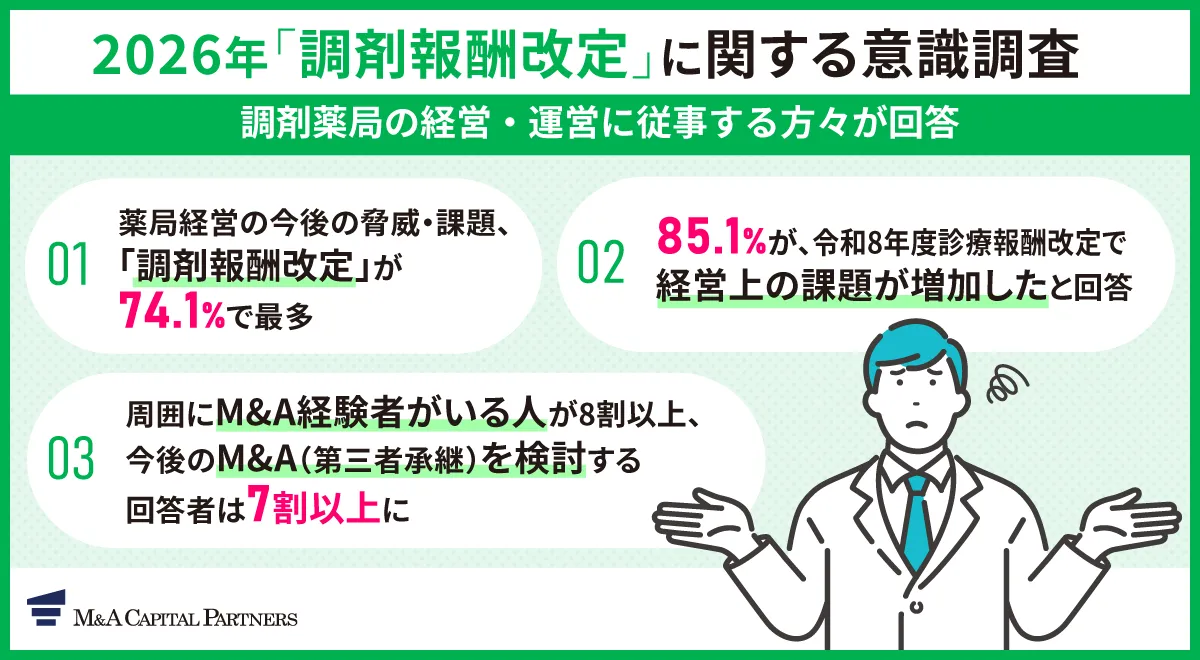
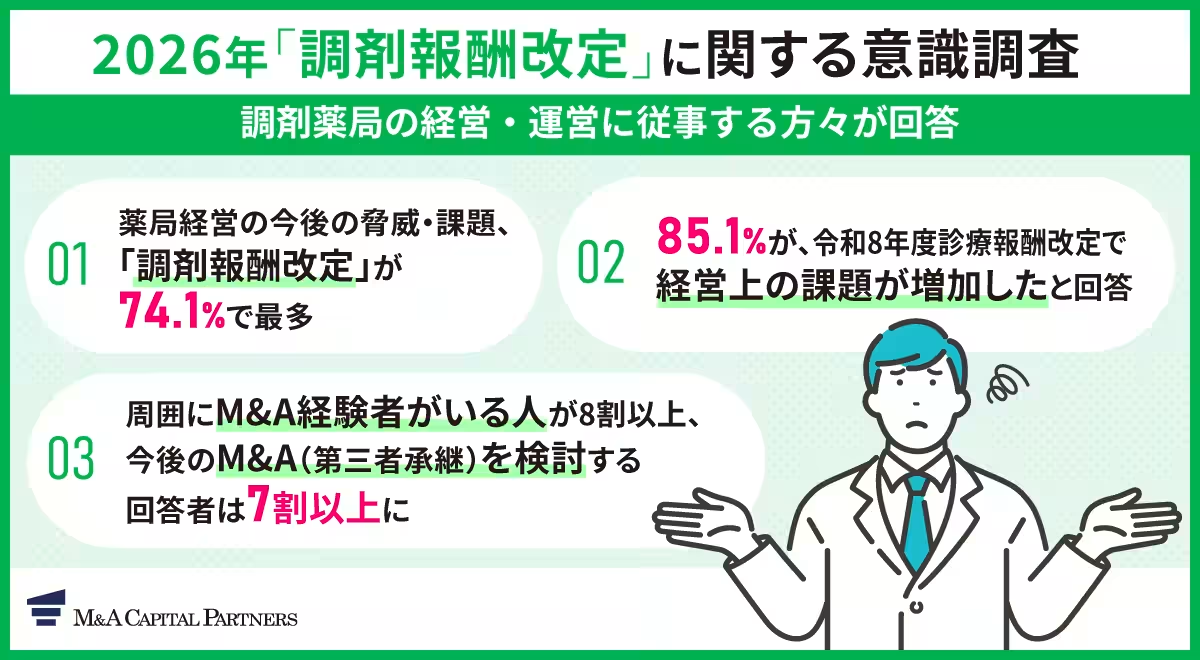
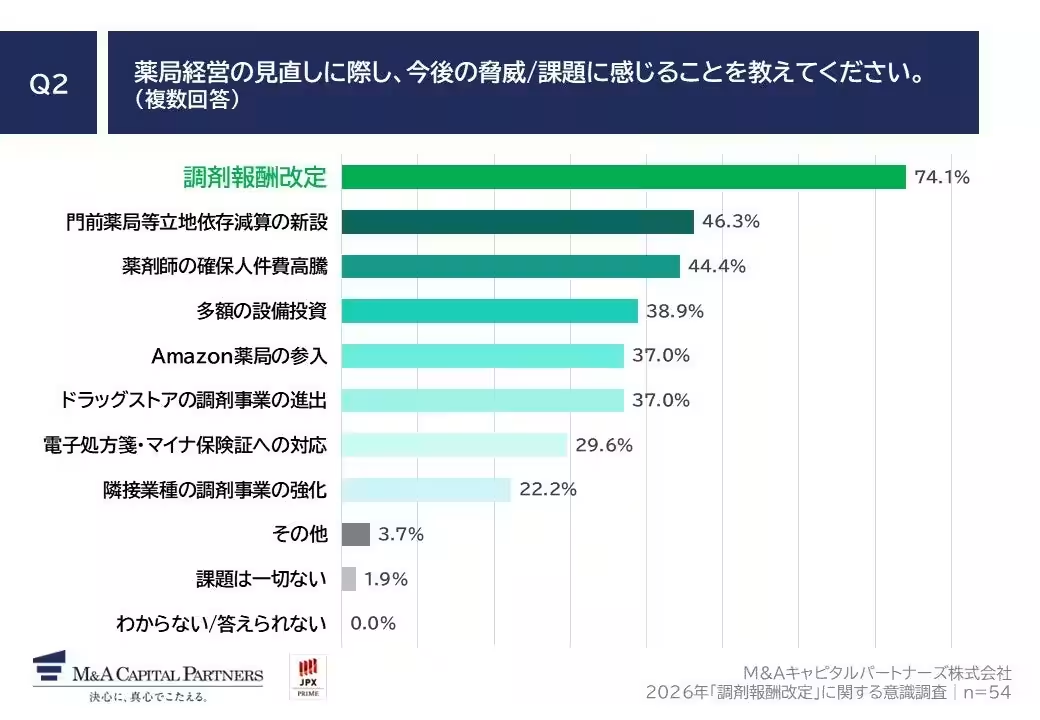
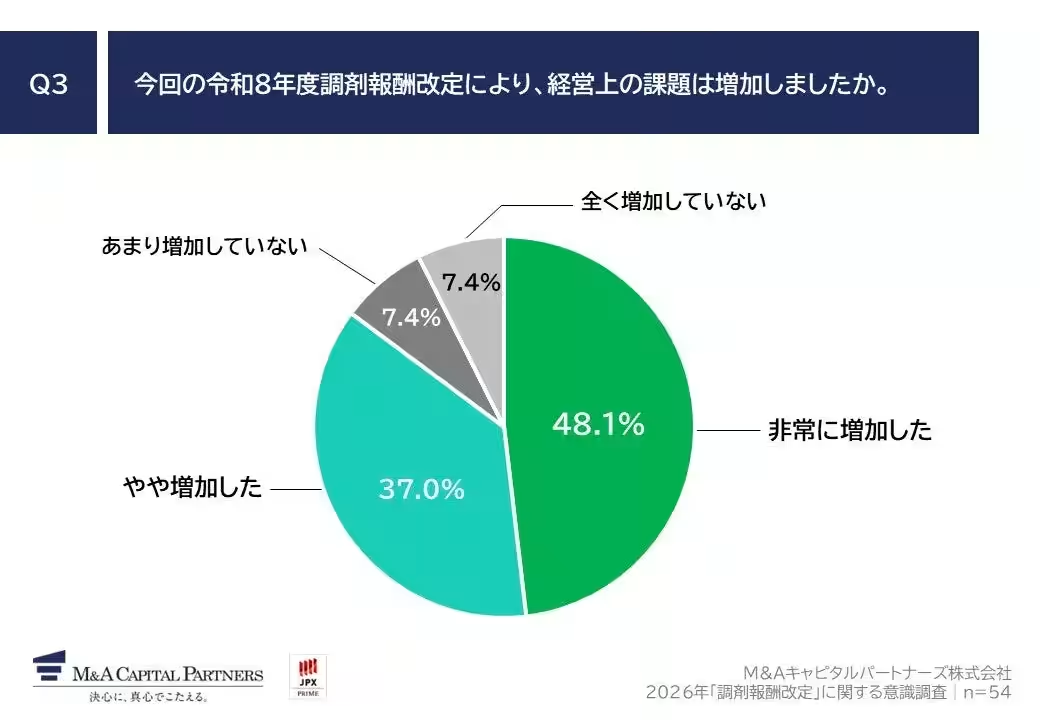
A recent survey conducted by M&A Capital Partners, a leading advisory firm, shed light on the changing landscape of pharmacy operations in Japan. The survey, which focused on 54 pharmacy operators in Tokyo's designated cities, investigated the implications of the upcoming 2026 Reform of Dispensing Fees. The results were revealing: an overwhelming 85.1% of respondents reported an increase in operational challenges due to these reforms, with 74.1% citing the dispensing fee changes as a major threat to future operations.
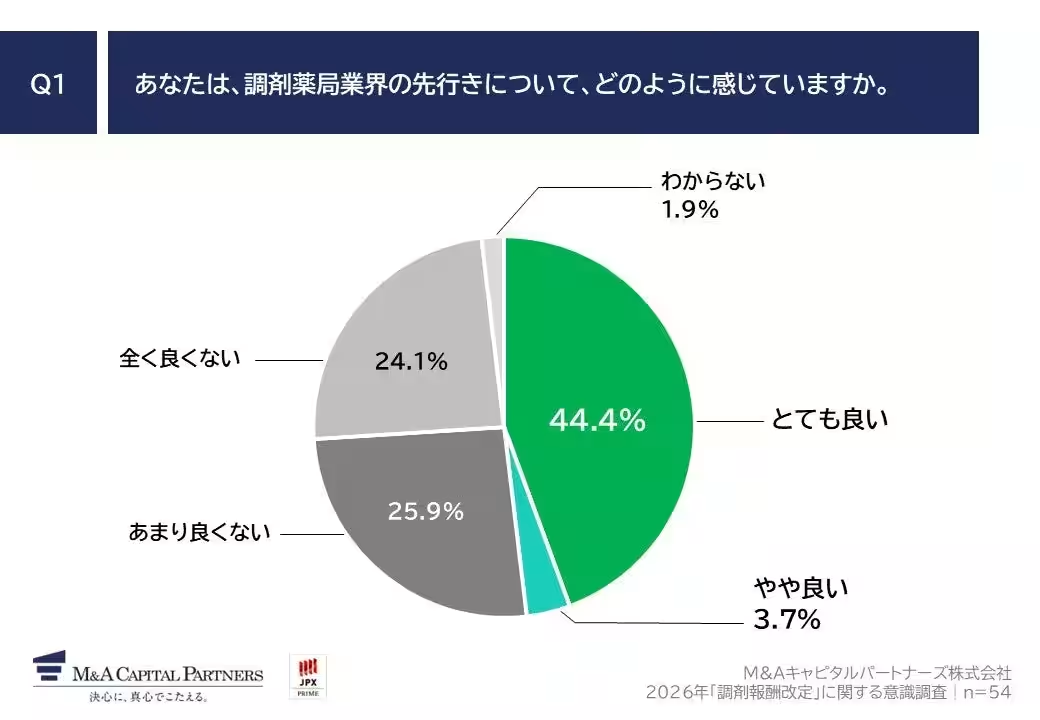
The survey took place from June 24 to June 29, 2026, targeting individuals involved in the management and operation of pharmacies within the 23 wards of Tokyo. Among respondents, nearly half expressed negative sentiment towards the industry's future, with many considering the repercussions of the reform on their business models.
Key Findings from the Survey
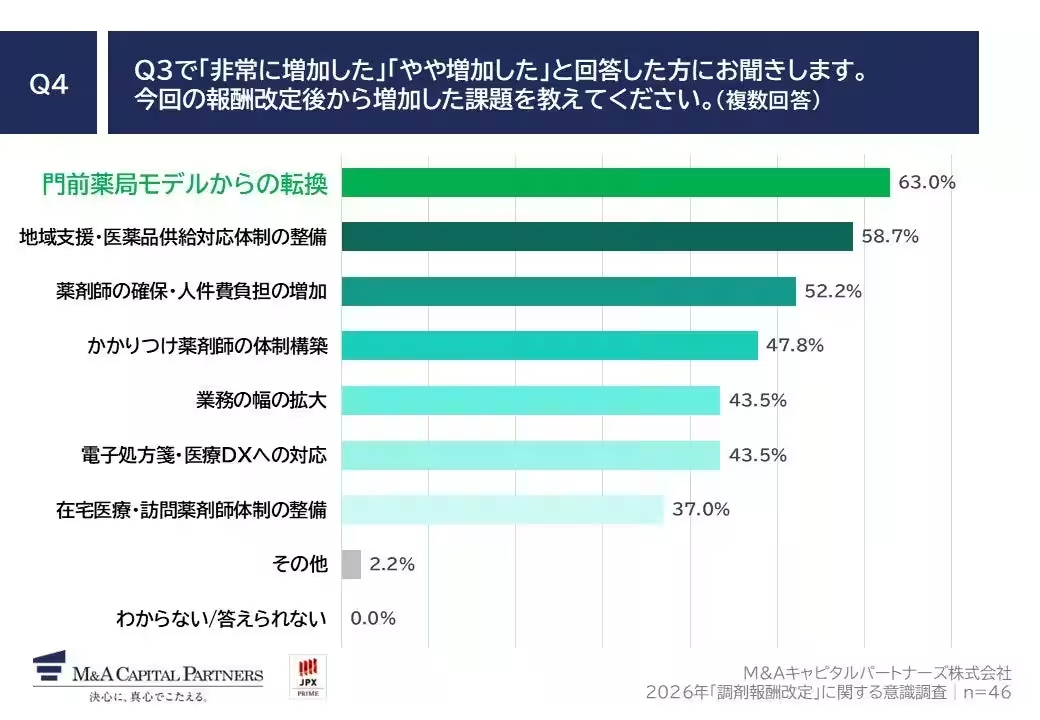
An alarming 63.0% identified the need to shift away from traditional "front-door pharmacy models" as a major challenge that intensified post-reform. In parallel, 58.7% pointed out the necessity for improved regional support and pharmaceutical supply systems, while 52.2% were concerned about the increasing difficulty in securing qualified pharmacists and managing associated labor costs.
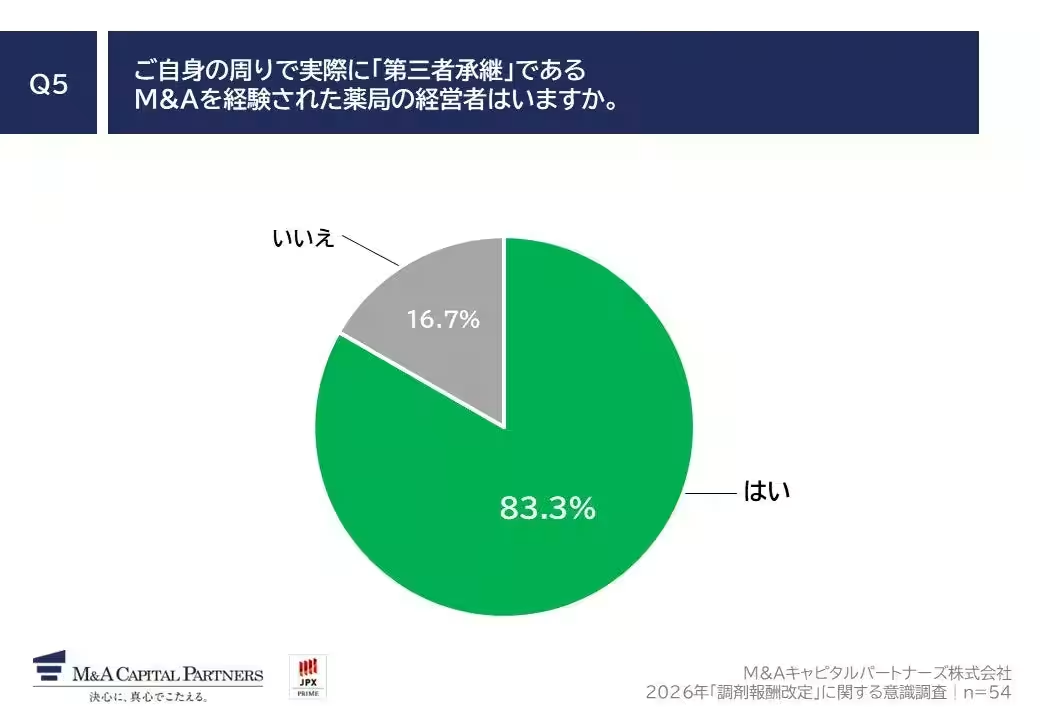
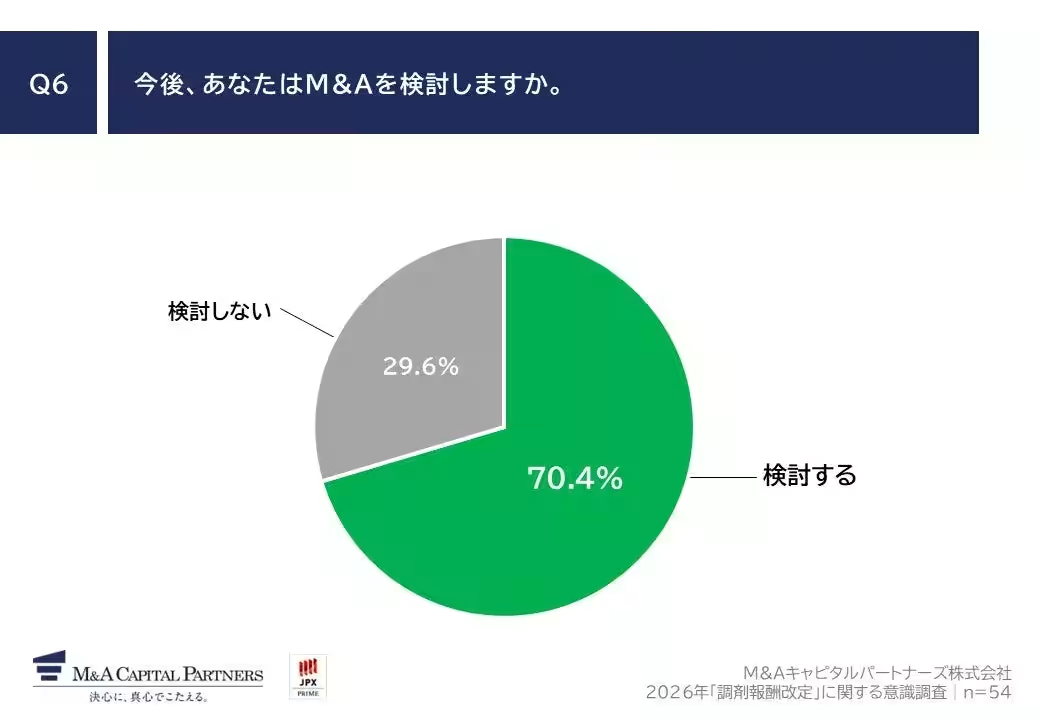
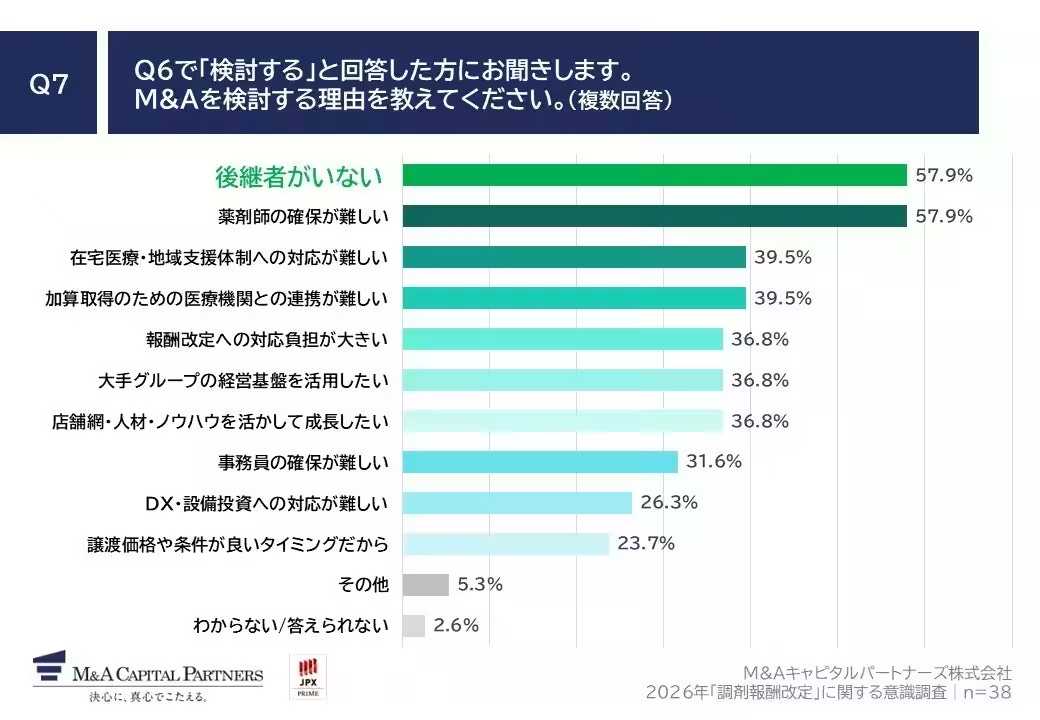
Moreover, a significant 83.3% of the respondents indicated that they knew pharmacy operators who had undergone mergers and acquisitions (M&A). Echoing the market's growing interest, 70.4% of pharmacy operators expressed intentions to explore M&A opportunities. The two primary motivations behind this surge in interest were the lack of successors and the struggle to secure adequate pharmacists, both at 57.9% each.
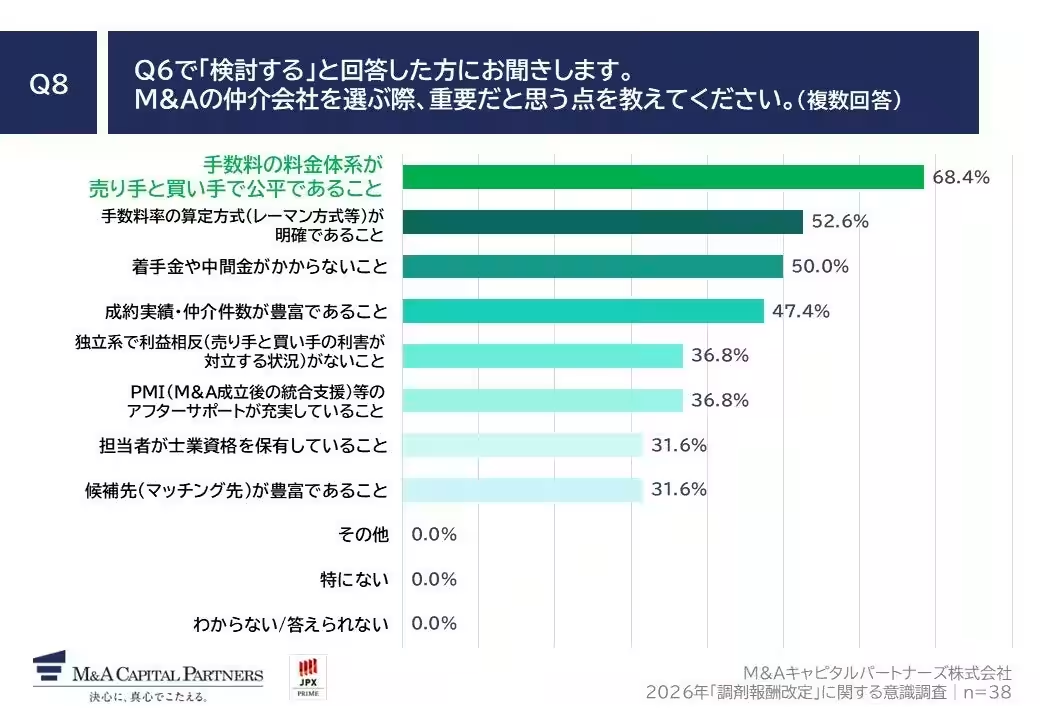
Interestingly, participants highlighted a preference for M&A advisory firms that offer fair commission structures for both buyers and sellers, emphasizing the need for transparency in the fees associated with the transactions. 68.4% indicated that they valued equitable fee structures, underscoring the necessity of having an unbiased approach in M&A negotiations.
Evolving Perspectives on M&A in the Pharmacy Sector
The changing dynamics of pharmacy operations signify a broader trend where M&A is increasingly seen not only as a last resort for succession planning but as a proactive strategy to adapt to an evolving healthcare environment. With factors like pharmacist shortages, rising labor costs, and increased demand for home care services, smaller and mid-sized pharmacies are turning to M&A as an effective solution in navigating these challenges.
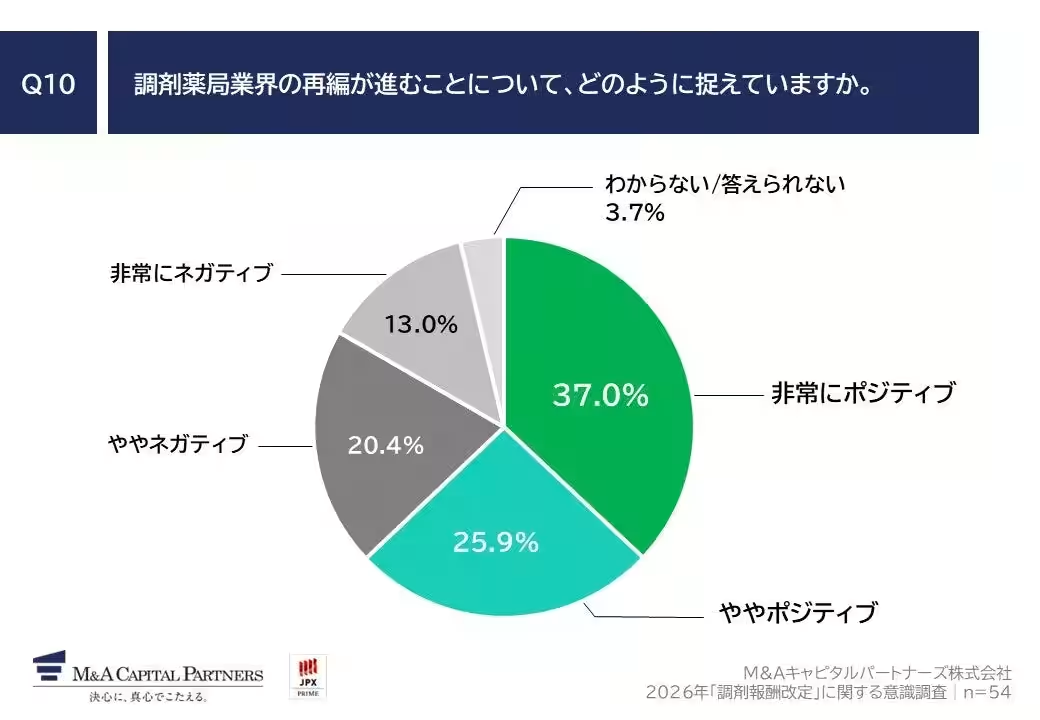
While the survey’s respondents voiced concerns about the potential impact of industry consolidation, nearly 60% viewed the progress of M&A activities as a positive step towards enhancing operational effectiveness and ensuring longevity in the market.
Comment from M&A Advisor
Shunō Nakazato, a senior advisor at M&A Capital Partners, emphasized the paradigm shift prompted by the 2026 Reform of Dispensing Fees, stating that pharmacy evaluations are transitioning from location-based models to function-oriented assessments. This shift necessitates that pharmacies adapt to increasing demands for healthcare functionalities rather than simply relying on their geographical locations.
As major pharmacy chains and drugstores begin to consolidate their operations, driven by ambitions to expand their reach and capabilities, the role of M&A is evolving. It's becoming apparent that acquisitions will serve to strengthen operational frameworks and enhance competitive advantages in a market that is becoming increasingly complex.
Overall, the insights gained from this survey underline a critical moment for pharmacy operators, who must navigate an array of new challenges while making strategic decisions that could secure their businesses' futures. With M&A becoming a viable option for growth and sustainability, the pharmacy sector is poised for significant transformation as it adapts to the new realities shaped by regulatory changes and market dynamics.

Topics Business Technology)
【About Using Articles】
You can freely use the title and article content by linking to the page where the article is posted.
※ Images cannot be used.
【About Links】
Links are free to use.