



A Comprehensive Guide to Mole Removal: Choosing the Right Method Based on Your Needs
Understanding Mole Removal: Key Findings from Recent Survey
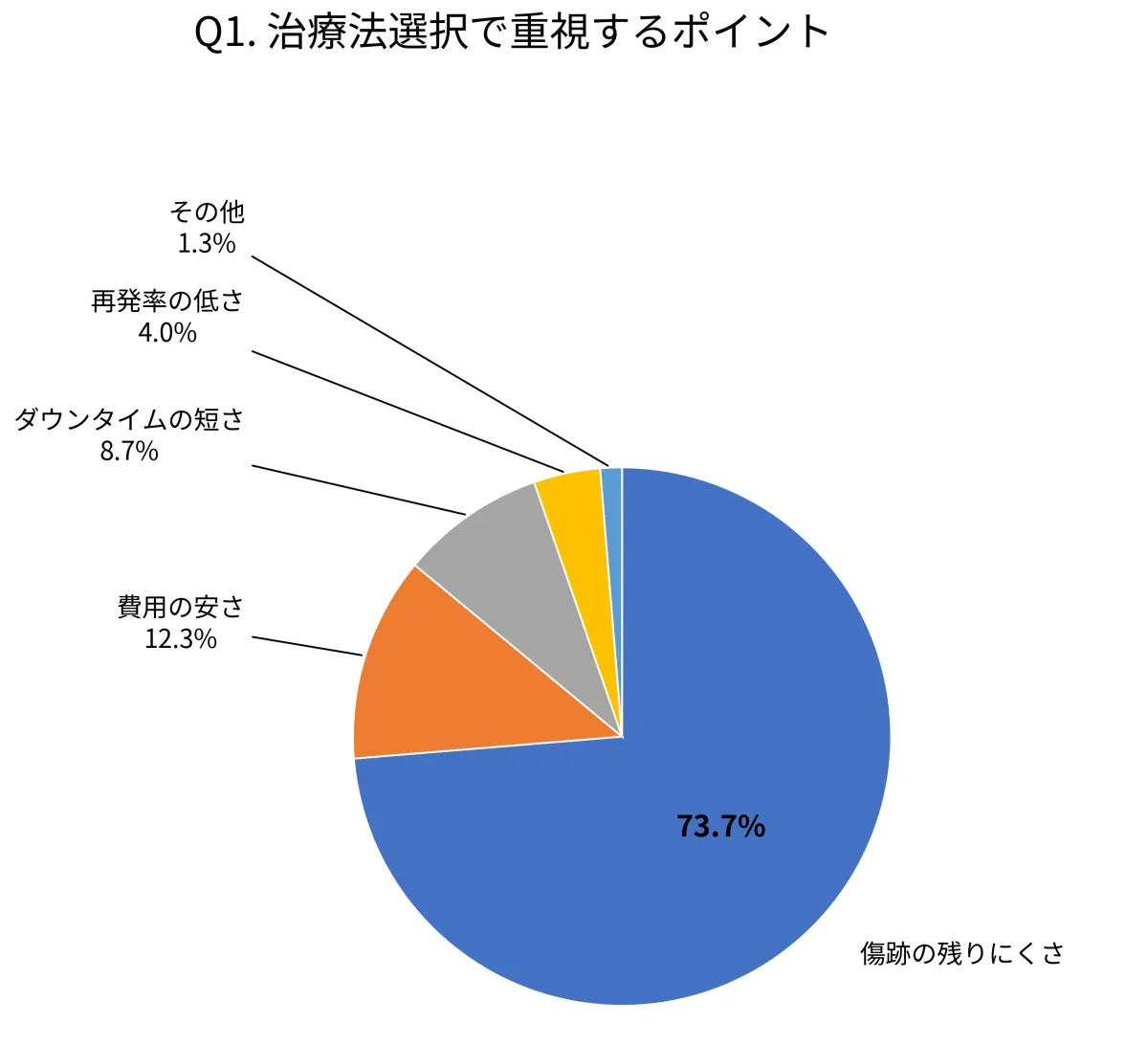
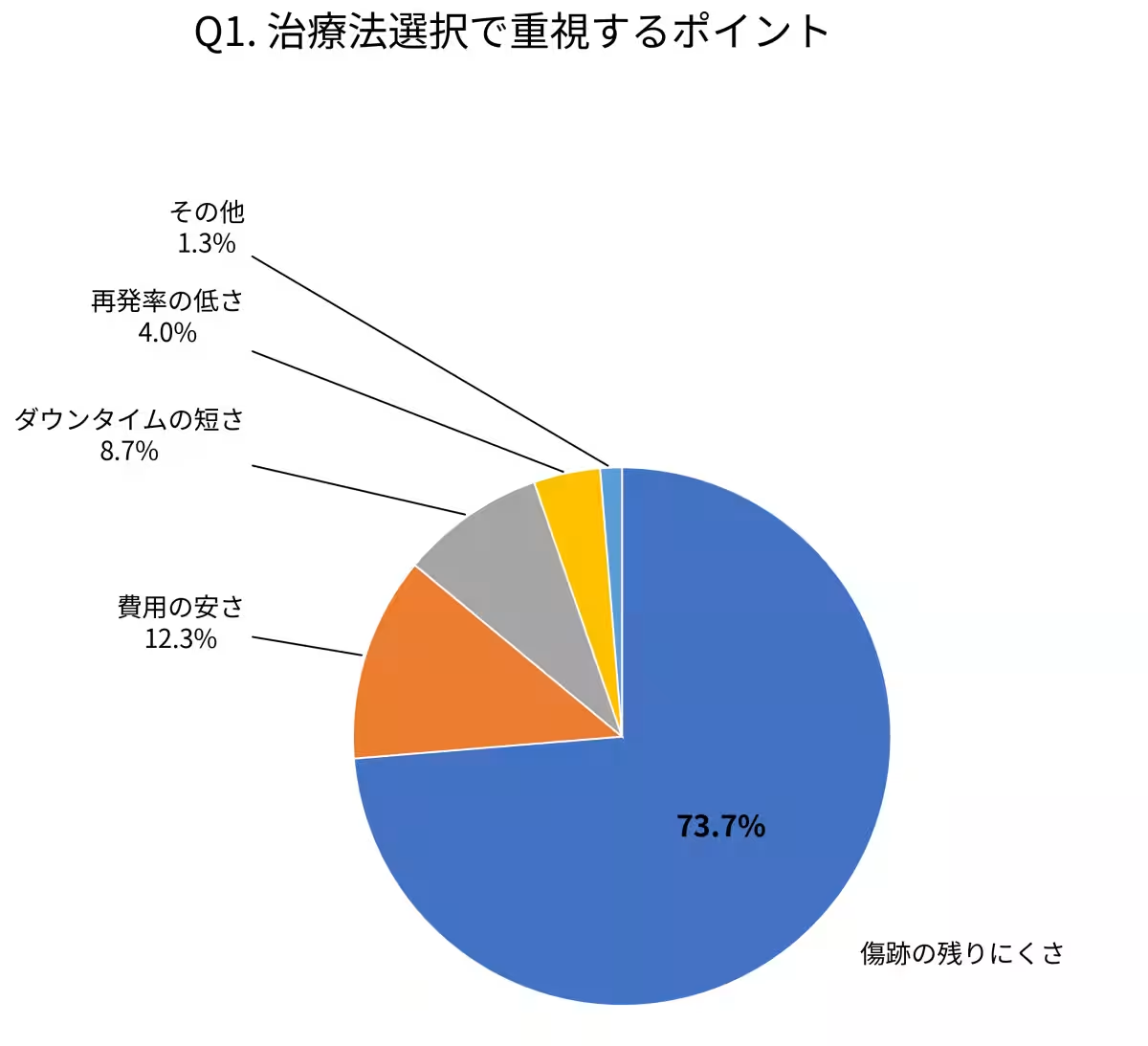
In a recent survey of 300 individuals considering mole removal, 73.7% prioritized minimal scarring when selecting treatment options. With three main methods available—CO2 laser treatment, electrosurgery, and surgical excision—it's essential to understand which one is best suited for your needs. This article breaks down each method allowing you to make an informed decision based on factors like scar visibility and recurrence rates.
Mole Removal Methods: An Overview
1. CO2 Laser Treatment
- Indication: Suitable for small benign moles (5mm or less).
- Characteristics: Very little bleeding and no sutures required, leading to less visible scarring.
- Recurrence Rate: Approximately 5-10% which is higher than other options due to its inability to conduct pathology tests on excised tissue.
- Downtime: 7 to 14 days.
- Cost: Generally ranges from 5,000 to 15,000 yen per session.
2. Electrosurgery
- Indication: Effective for slightly larger moles, approximately 5-10mm.
- Characteristics: Can treat deeper tissues than lasers, but might leave more noticeable scars.
- Recurrence Rate: About 3-5%.
- Downtime: 10 to 14 days.
- Cost: Typically ranges from 5,000 to 10,000 yen.
3. Surgical Excision
- Indication: Recommended for larger moles or those with suspected malignancy with no size limit.
- Characteristics: Involves excising tissue and requires suturing, resulting in a linear scar. However, it allows for pathology testing which is crucial for potentially malignant moles.
- Recurrence Rate: Less than 1%, making it the safest option for larger or suspicious moles.
- Downtime: 14 to 21 days.
- Cost: Ranges from 10,000 to 30,000 yen.
Survey Insights: Importance of Scar Visibility and Recurrence
The survey revealed crucial information regarding patient concerns:
- - Scarring: Emphasizing the results, 73.7% expressed that minimizing scar visibility was their top priority, particularly among those considering facial mole removal.
- - Recurrence Rates: Many respondents (62%) factored in recurrence rates into their decision-making, indicating a strong desire for lasting results.
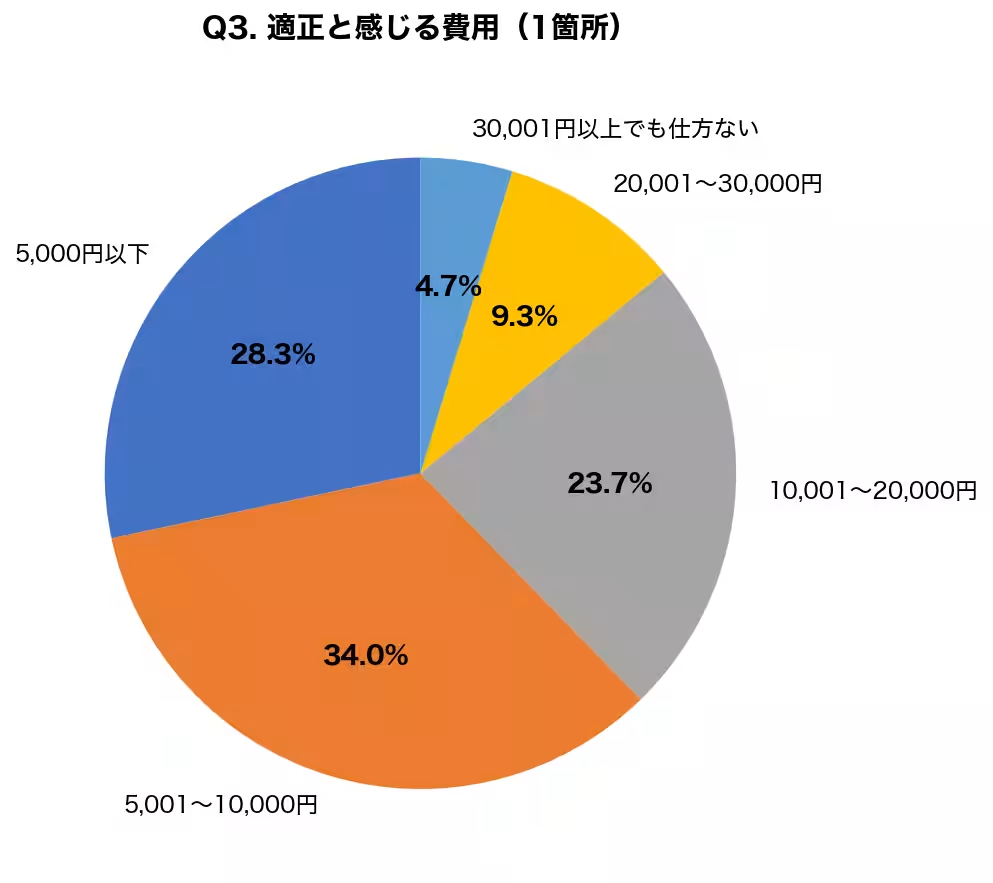
- - Cost Concerns: While 62.3% of participants deemed 10,000 yen as an acceptable price for treatment, actual costs reported indicated more variability based on the method and size of the mole.
Importance of Self-Check and Professional Consultation
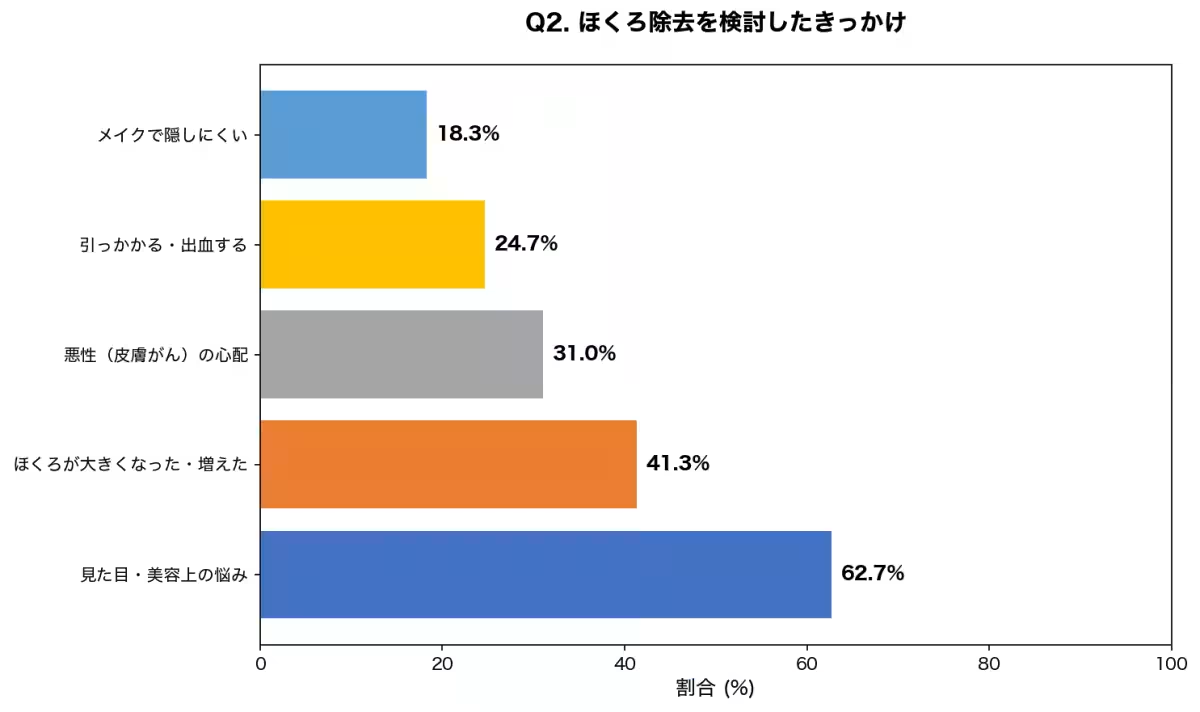
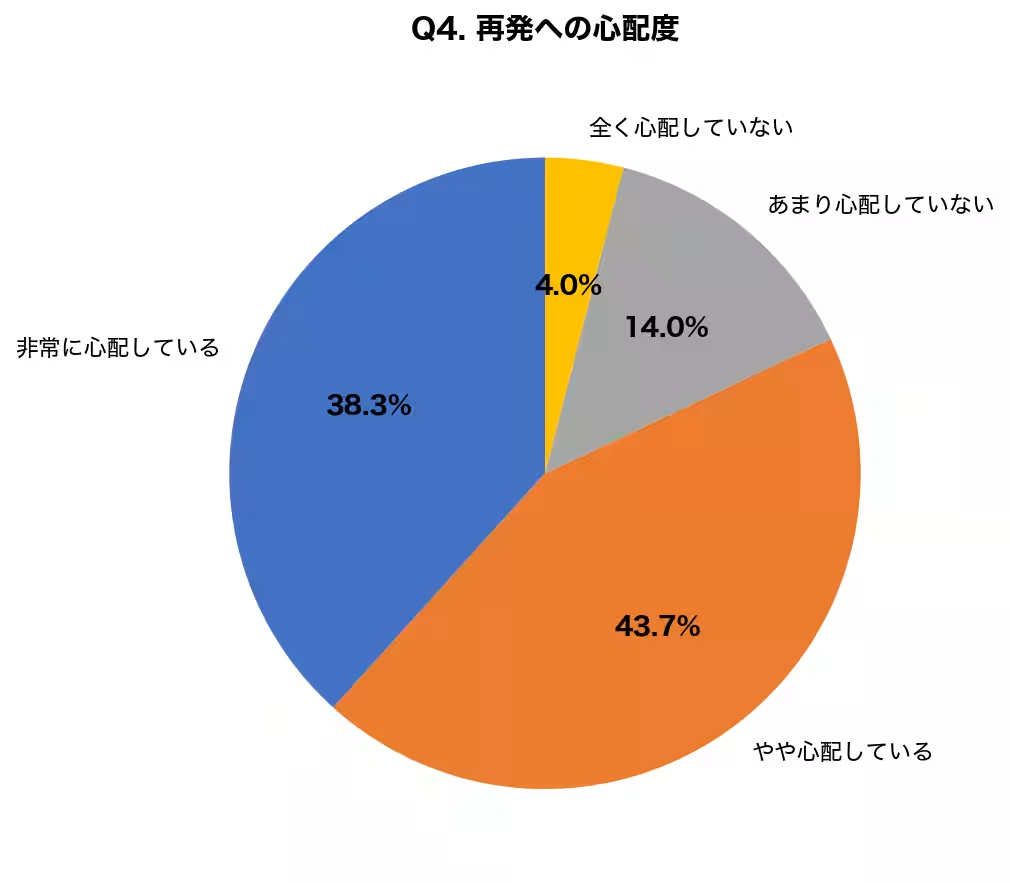
A significant percentage of participants showed concern over the potential malignancy of their moles, with 31.0% worrying about cancer risks. Regular self-examination is vital; thus, understanding the ABCDE rule for identifying suspicious moles is advised:
- - A for Asymmetry: If one half of the mole does not match the other.
- - B for Border: If the edges are irregular, ragged, or blurred.
- - C for Color: Diversity of color with different shades.
- - D for Diameter: Larger than 6mm.
- - E for Evolution: Any changes in size, shape, or color.
Conclusions
The findings from the survey emphasized that while aesthetic considerations are paramount for many undergoing mole removal, practical aspects such as recurrence and cost cannot be overlooked. It's essential to weigh these factors carefully when selecting a treatment method. Proper information provision by medical professionals can help mitigate misunderstanding around costs and treatment options. Always consult a dermatologist for advice tailored to your specific circumstances. Choosing an informed method of removal will not only enhance your aesthetic results but will also optimize safety and effectiveness for your skin health.
Topics Health)
【About Using Articles】
You can freely use the title and article content by linking to the page where the article is posted.
※ Images cannot be used.
【About Links】
Links are free to use.