



Survey Reveals Financial Burdens on Children Supporting Aging Parents and Their Care Needs
Overview of the Report
In the context of an unnoticed yet significant shift in the support dynamics between generations, Lifenet Insurance conducted a comprehensive survey targeting 824 individuals aged between 30 and 69 who have experienced the financial or time-related burdens of supporting their parents through hospitalizations, outpatient treatments, or caregiving. The findings unveiled the harsh realities faced by children who find themselves in a role of unexpected caregivers, revealing startling data that emphasizes the critical need for advance planning and discussion regarding financial resources and care expectations within families.
Key Findings
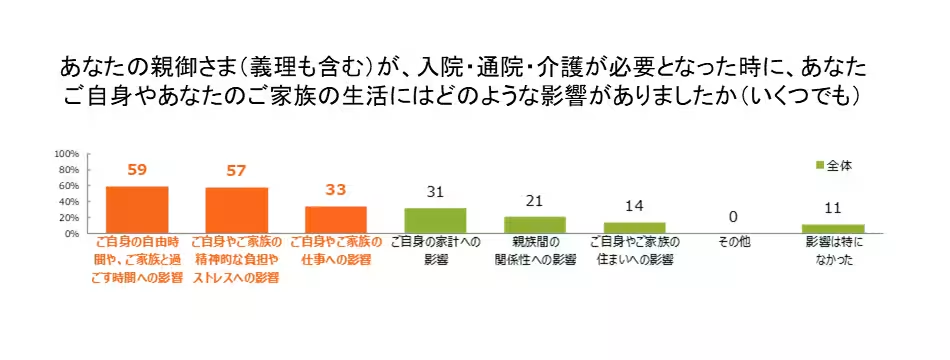
The survey brings to light the profound impacts of parental medical situations on the younger generation, affecting their time, mental health, and financial stability. Notably, only 11% of the respondents reported no adverse effects on their own lives due to caregiving responsibilities, leaving a staggering majority grappling with either significant changes to their personal plans or financial situations.
Financial Impact
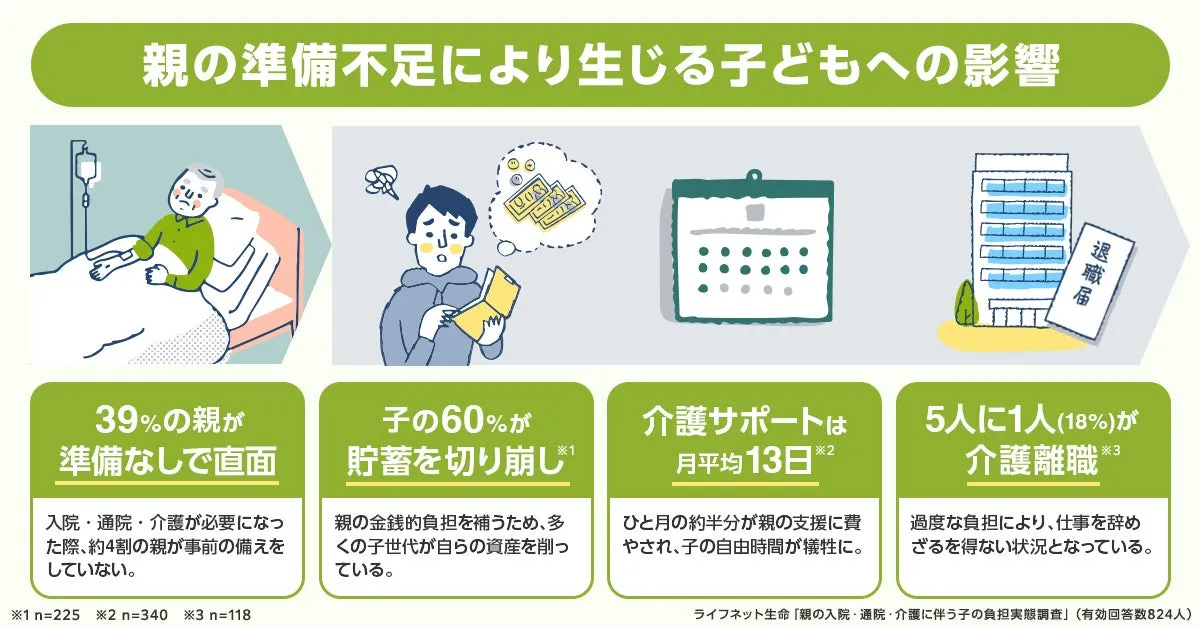
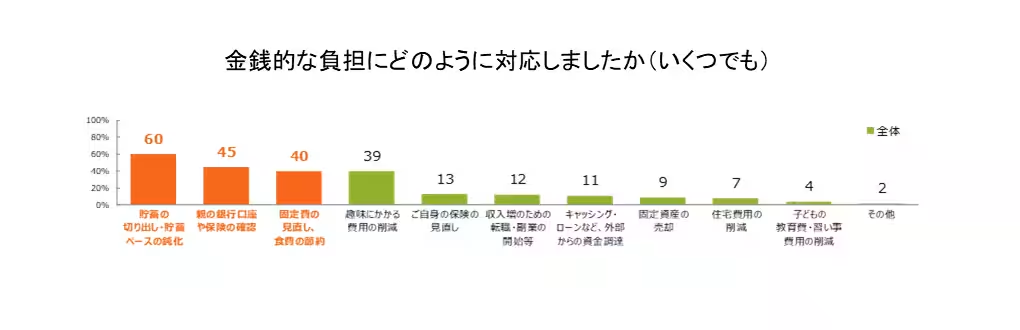
A concerning trend revealed that around 60% of those supporting their parents resorted to depleting their savings to manage the costs incurred, resulting in a marked slowdown in their own savings rates amidst ongoing care responsibilities.
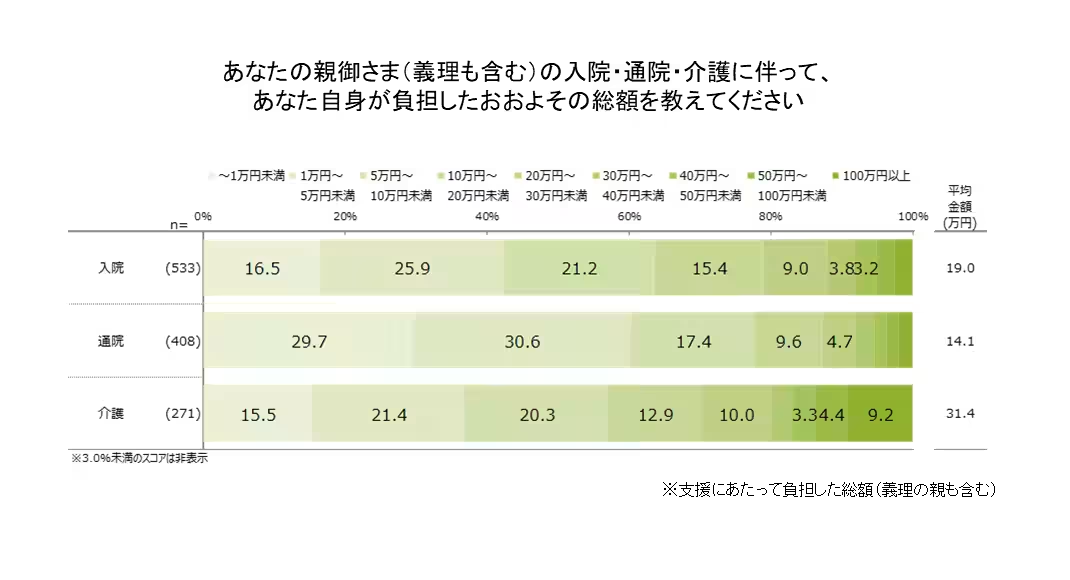
The average financial burden reported was approximately $1900 for hospitalizations and could exceed $3000 for caregiving support, revealing the sheer extent of financial drain caregivers endure. The statistics further indicate that 9% of respondents incurred expenses surpassing $10,000 in caring for their parents, highlighting the potential for devastating financial impact on individuals or families grappling with unexpected medical crises.
Time Commitments
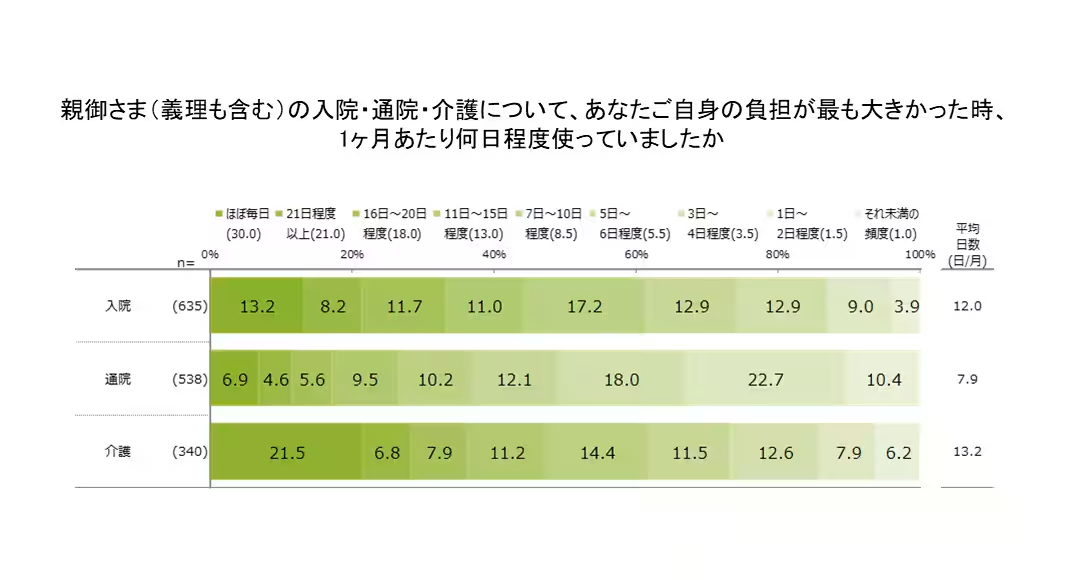
On the time-related front, 22% of respondents reported providing care on a nearly daily basis. During the peak burdens, respondents indicated providing support for hospital visits or caregiving as high as 10 days out of the month, signifying a collateral impact on their personal and professional lives, which often led to an exacerbated sense of stress. Moreover, complications such as fatigue from travel and physical demands were cited as significant hurdles to providing care effectively.
Employment Challenges
One alarming statistic from the report indicates that 18% of caregivers have resorted to resigning from their jobs owing to the demands of caregiving, with additional respondents noting that they were forced to reduce hours or take substantial leave variances to cope with their responsibilities. Respondents voiced that severe emotional tolls were felt alongside the loss of personal time, with 57% acknowledging an increase in psychological burdens associated with their dual roles as caregivers and professionals.
Importance of Early Planning
Faced with the sobering realities of caregiving, many children have recognized an urgent need to have open dialogues with their parents about financial readiness—the survey indicated that about 39% of parents had taken no preparatory measures for potential health crises, leading to significant distress among their offspring who were unaware of their financial standings.
The discourse revealed that children of aging parents increasingly wish to avoid placing similar burdens on their own children, leading to discussions about securing appropriate health insurance or caregiving funds. Approximately 38% of respondents felt that medical insurance was crucial, alongside caregiving insurance, emphasizing the necessity for proactive measures rather than reactive approaches.
Conclusion
This survey reinforces the vital importance of preemptive discussions around aging and care within families. With escalating healthcare costs and the unpredictability of health concerns, facilitating conversations about financial assets, obligations, and appropriate insurance coverage can tremendously alleviate future burdens and establish a framework for sustainable support. The findings from Lifenet Insurance illuminate a path towards more secure financial futures for both generations, nurturing a comprehensive understanding to prevent future hardships.
In summation, while a dialogue can often feel uncomfortable or awkward, the necessity for clarity surrounding financial and healthcare provisions prior to the onset of crises cannot be overstated. A united family front can equip both generations for the demands of aging and caregiving, fostering better planning and ultimately enhancing the quality of life.

Topics Health)



【About Using Articles】
You can freely use the title and article content by linking to the page where the article is posted.
※ Images cannot be used.
【About Links】
Links are free to use.