



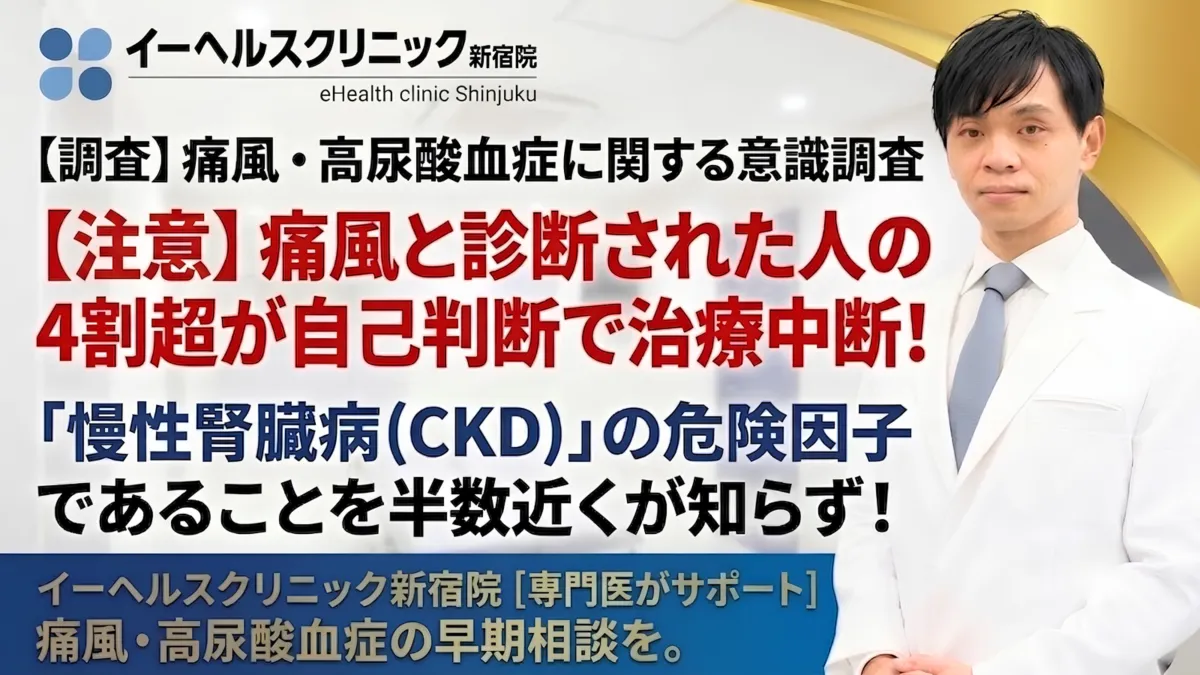
More Than 40% of Gout Patients Discontinue Treatment Without Consultation
Understanding Gout and Its Risks
Gout is a type of inflammatory arthritis characterized by sudden and severe pain, swelling, and redness in one or more joints. Most often, it affects the big toe. This condition arises when uric acid builds up in the blood, forming needle-like crystals in the joints. If left untreated, high levels of uric acid can lead to complications such as chronic kidney disease (CKD) and cardiovascular issues.
The Survey - An Insight into Public Awareness
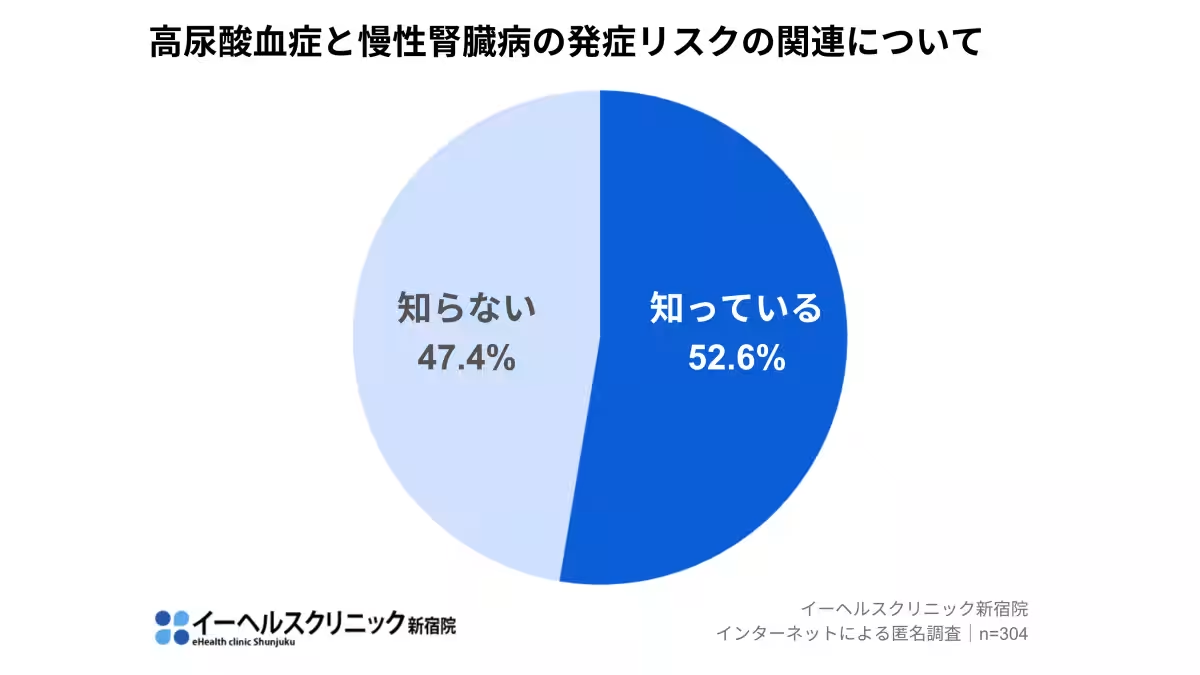
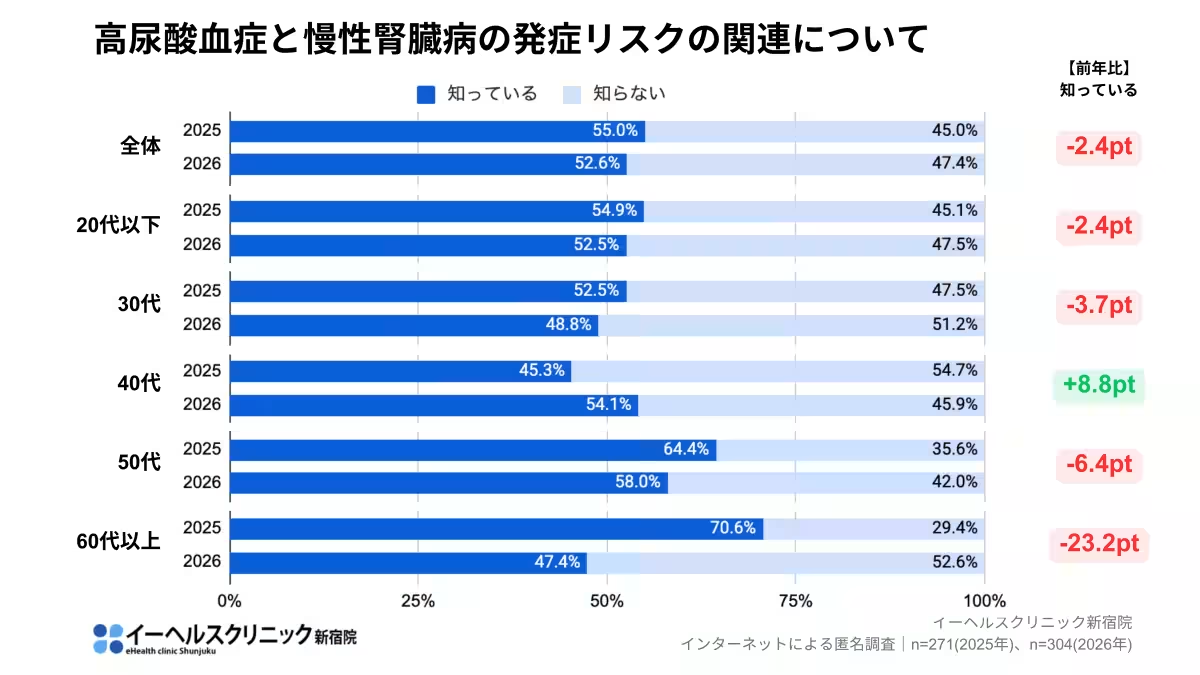
In 2025, the eHealth Clinic Shinjuku conducted an awareness survey focusing on gout and hyperuricemia, which was followed by another round in 2026. From the results of this study involving 304 participants, several troubling insights were obtained. One major finding was that almost half (47.4%) of respondents did not realize that their high uric acid levels could increase the risk of developing CKD, indicating a persistent gap in understanding over two years.
Key Survey Findings:
1. Lack of Awareness: Nearly half of the participants were unaware that high uric acid levels could lead to chronic kidney disease. This lack of knowledge raises concerns about the public's understanding of the potential severe risks associated with gout.
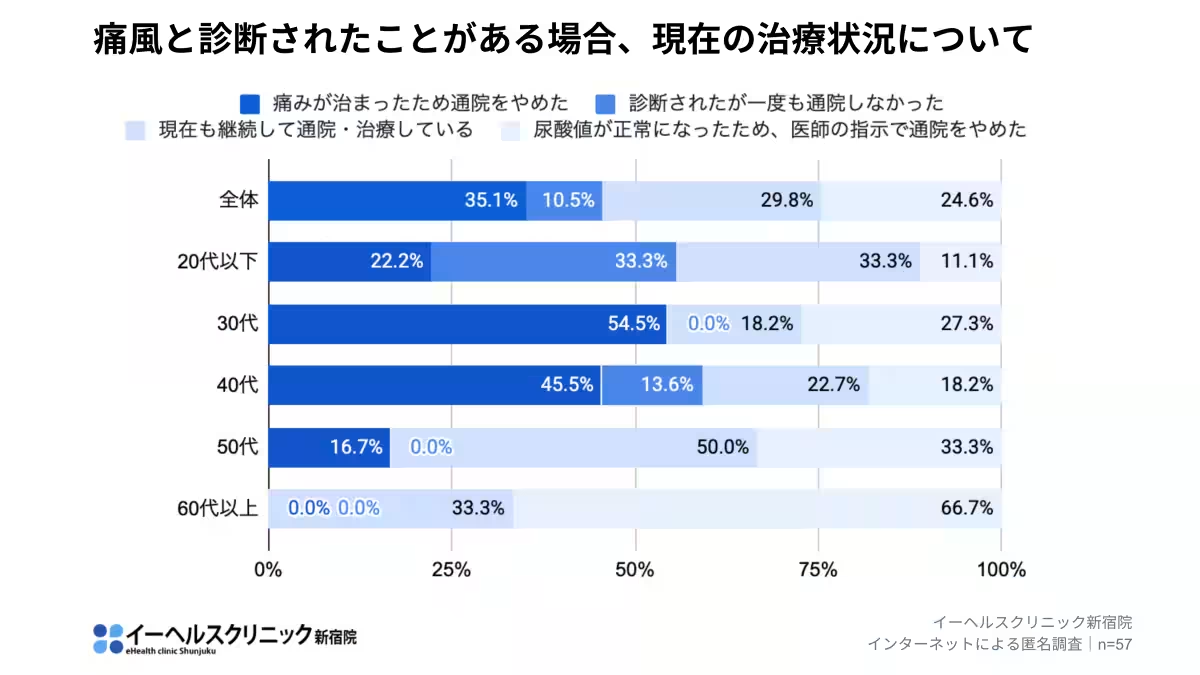
2. Treatment Discontinuation: More than 45% of individuals diagnosed with gout admitted to stopping their treatment without medical advice once their pain subsided. This behavior highlights a dangerous trend of self-management without professional guidance.
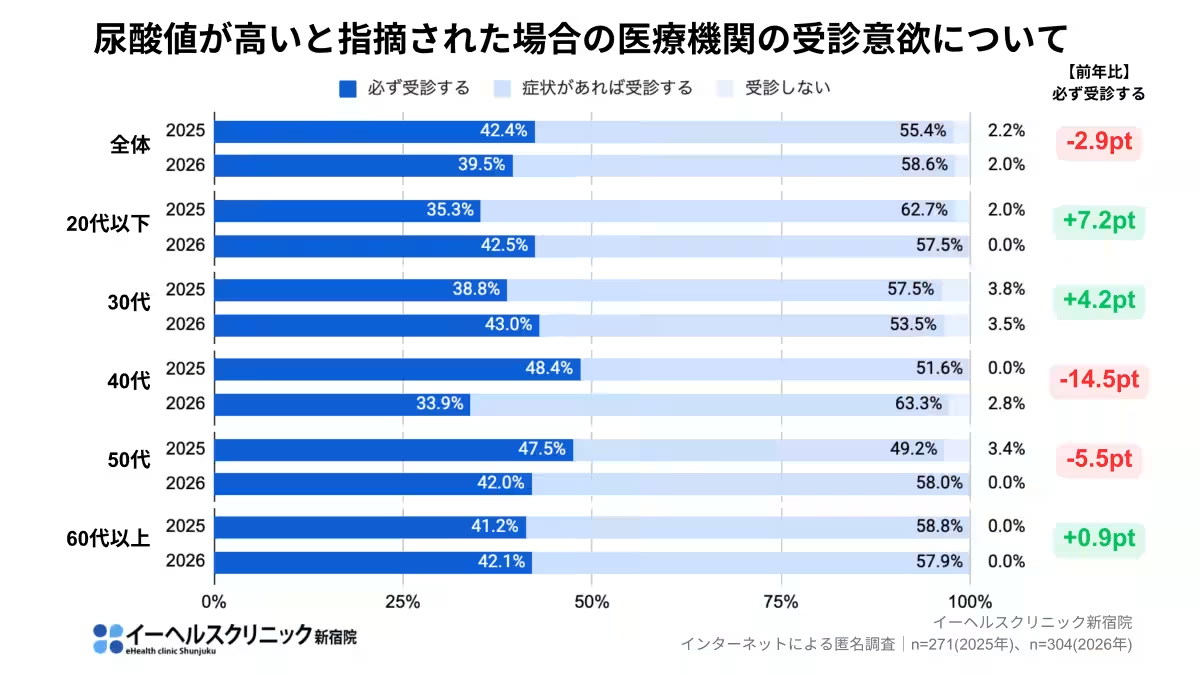
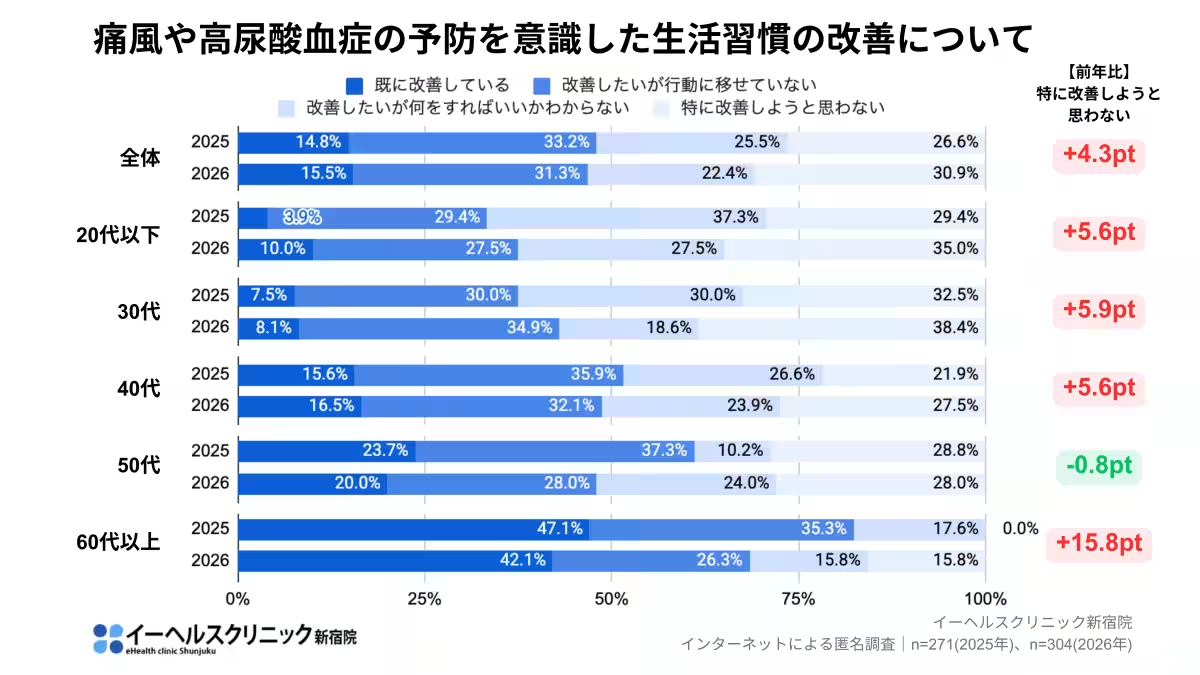
3. Postponed Medical Consultations: There is a noticeable trend of individuals delaying consultations and lifestyle adjustments after being informed about elevated uric acid levels, with only 39.5% committing to follow-up treatments after such notifications.
The Dangers of Misunderstanding Gout
Many patients still perceive gout merely as a temporary affliction. However, the underlying cause, hyperuricemia, can have lasting implications for overall health. Misconceptions about the disease can lead to delayed treatment and missed opportunities for early intervention. With prevailing attitudes that treat gout as a transient issue, the associated risks of CKD and other life-threatening diseases are often overlooked.
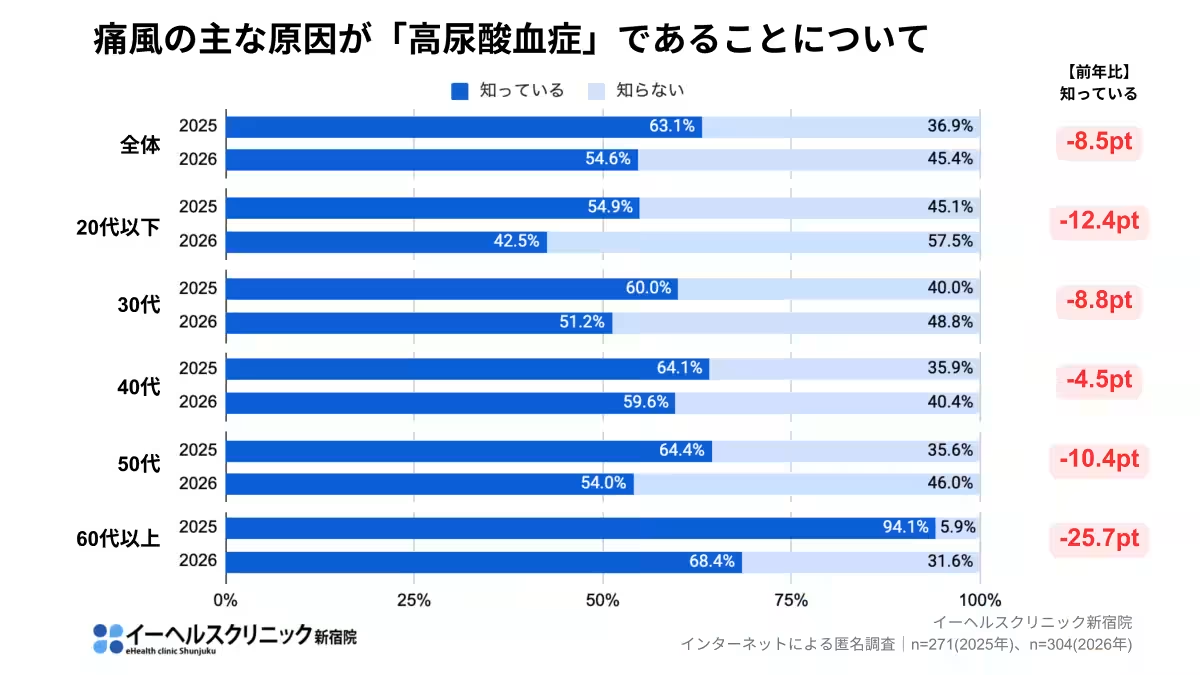
Large proportions of younger generations lack fundamental knowledge of gout; just over 42% of participants in their 20s could correctly identify the disease's causes. Such alarming statistics highlight the urgency for increased education about gout.
Treatment: Why Is Continuity Important?
The primary goal of gout management is not merely to alleviate pain during flare-ups, but to bring uric acid levels back to a normal range, ideally below 6.0 mg/dL. Persistent high uric acid levels can lead not only to recurring gout attacks but also have detrimental effects on kidney function and overall cardiovascular health.
Recommendations for Preventive Actions:
- - Regular Health Check-Ups: Incorporate annual screenings to monitor uric acid levels.
- - Healthy Lifestyle Choices: A balanced diet, regular exercise, and limiting alcohol intake can reduce uric acid production.
- - Seek Early Medical Intervention: If advised that your uric acid levels are high, consult a healthcare professional without delay for treatment and management.
eHealth Clinic Shinjuku specializes in nephrology and provides comprehensive care for gout patients, including online consultations for convenience. If you've experienced gout symptoms or have previously been diagnosed, seeking timely and appropriate medical advice is paramount to maintaining health.
Clinic Details
eHealth Clinic Shinjuku
- - Location: Shinjuku, Tokyo
- - Founded: April 2022
- - Contact: 03-5315-0514
- - Website: eHealth Clinic
For those who find themselves facing the challenges of gout and high uric acid levels, remember that proactive management and consistent treatment are essential to prevent further health complications. Take action today to safeguard your health for tomorrow.

Topics Health)
【About Using Articles】
You can freely use the title and article content by linking to the page where the article is posted.
※ Images cannot be used.
【About Links】
Links are free to use.