




Differing Approaches to Money Management: Insights from Japan and Around the World
Differing Approaches to Money Management: Insights from Japan and Around the World
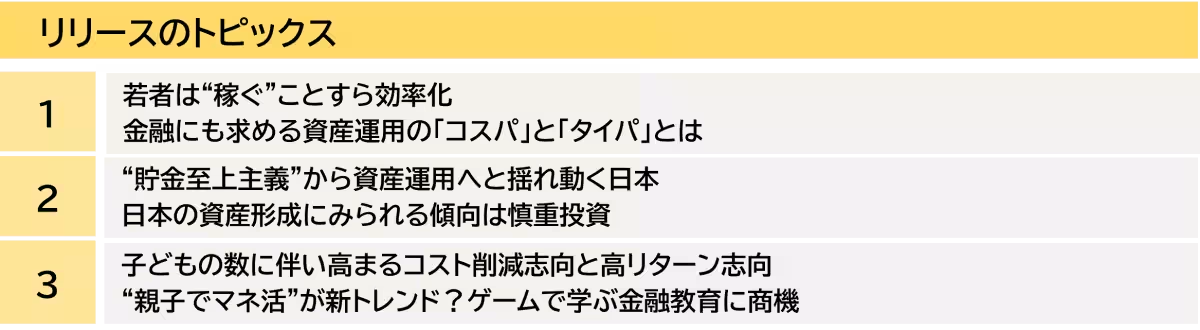
Recent findings from Mintel Japan reveal distinctive trends in financial behavior between Japan and other countries. As younger generations face economic uncertainties, there is a notable inclination towards efficient asset management, especially among families with children. This article delves deeper into these trends and the emerging opportunities in financial education through gaming.
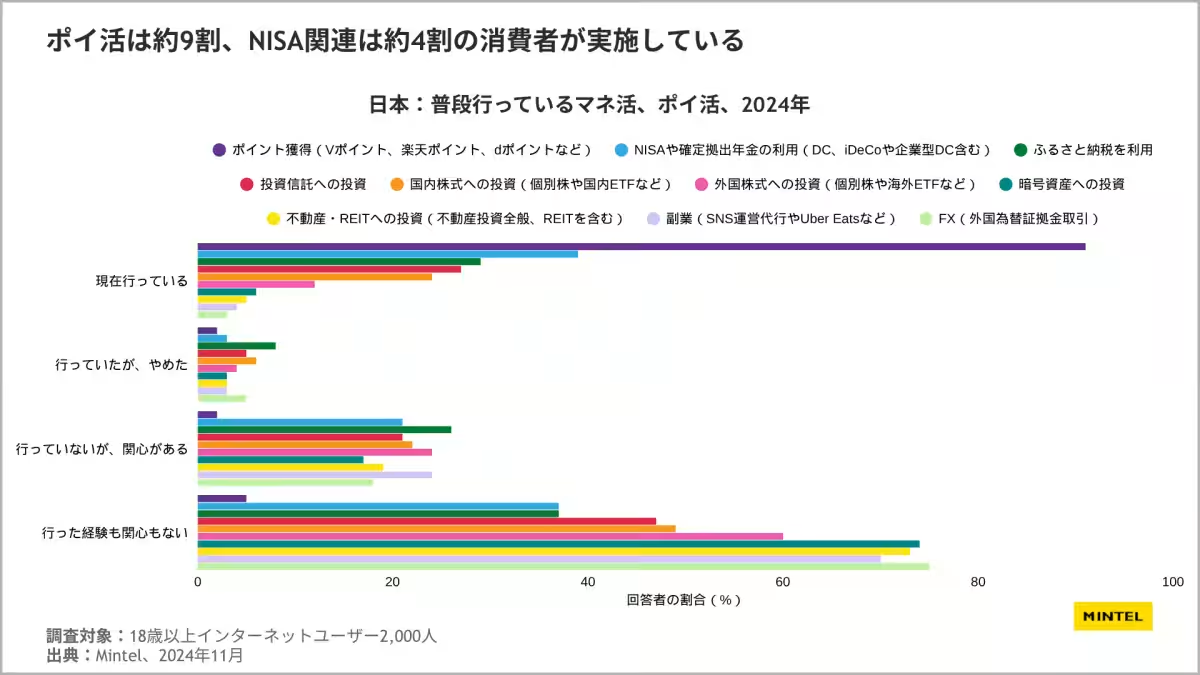
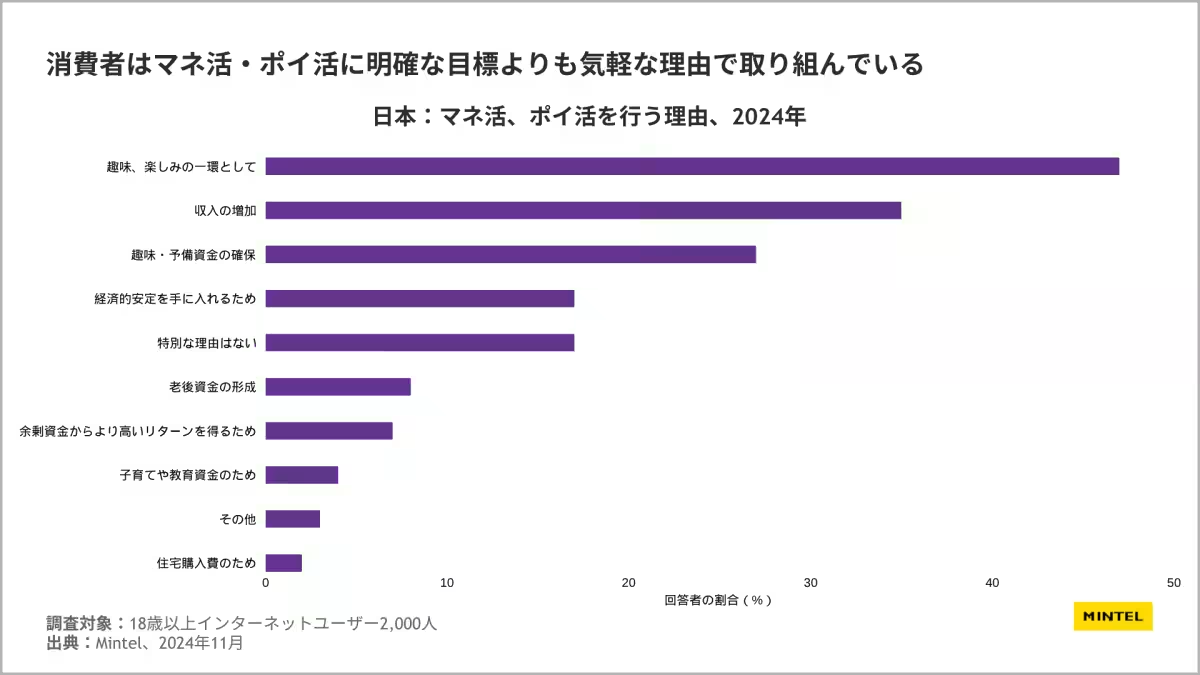
In the report titled Money Management and Points Management - Japan - 2025, Mintel demonstrates how economic concerns are triggering a shift in Japanese consumers toward increased awareness of financial management, though they remain cautious about investments. The study indicates that while the interest in “money activities” is growing, only about 40% of Japanese consumers engage in active investment management. This contrasts sharply with the trends observed in Germany and the United States.
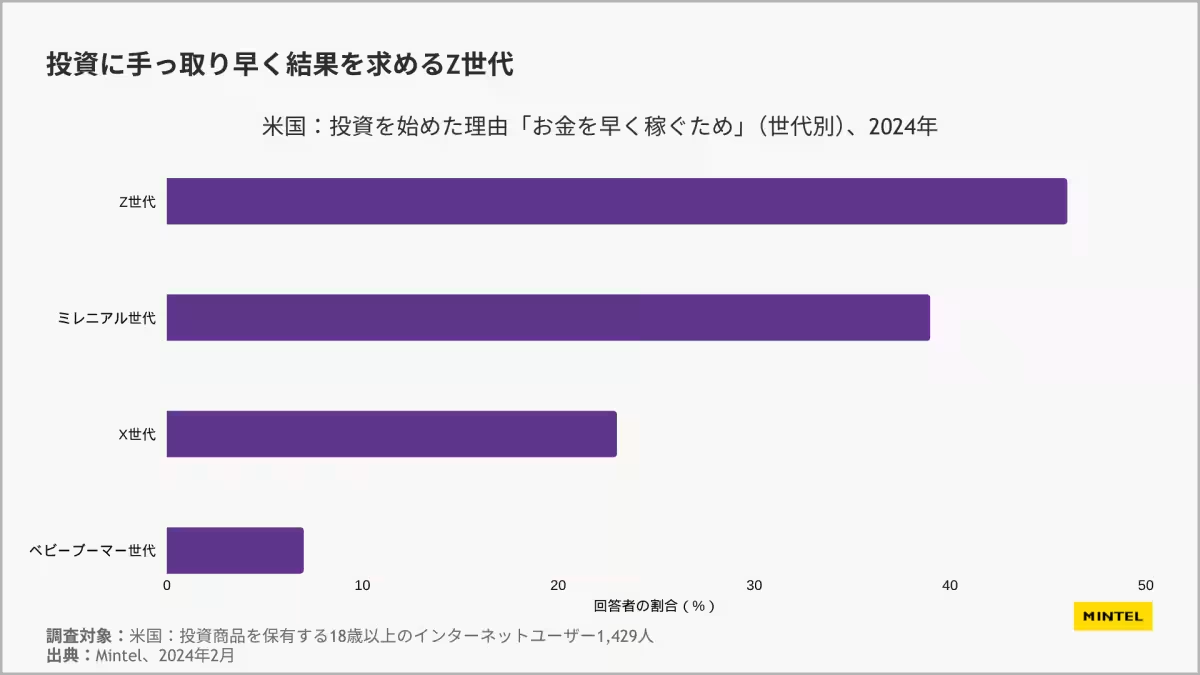
Young people aged 18-24 in Germany, for instance, express significant concern for economic stability, while nearly 70% of their American counterparts are interested in entrepreneurship. These findings reflect a broader trend amongst the youth who are witnessing economic instability first-hand due to the disruptions caused by the COVID-19 pandemic. With these experiences, there's a prevalent desire for financial independence and early retirement, evident in the uptake of concepts like FIRE (Financial Independence, Retire Early).
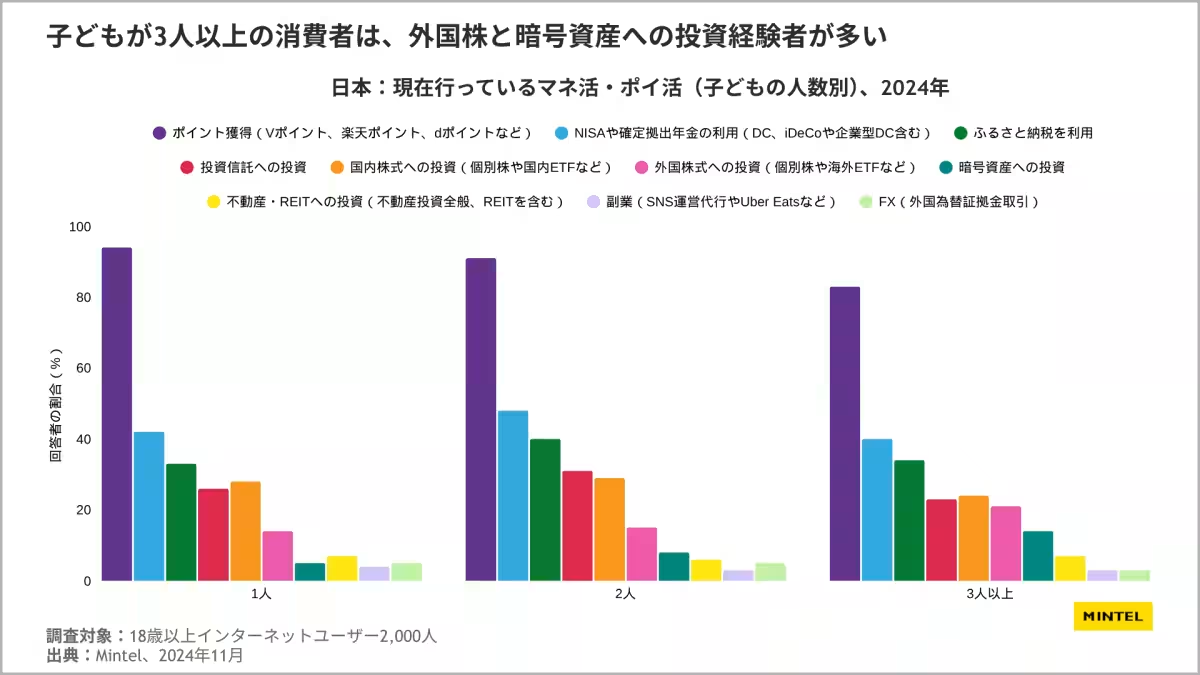
The data shows that the demand for effective financial management tools is driven by the need to cover rising costs associated with raising children. Families with three or more children exhibit a higher tendency to invest in foreign stocks and cryptocurrencies, indicating a more risk-seeking behavior to ensure their financial future amid educational and living expenses.
The Influence of Financial Education through Gaming
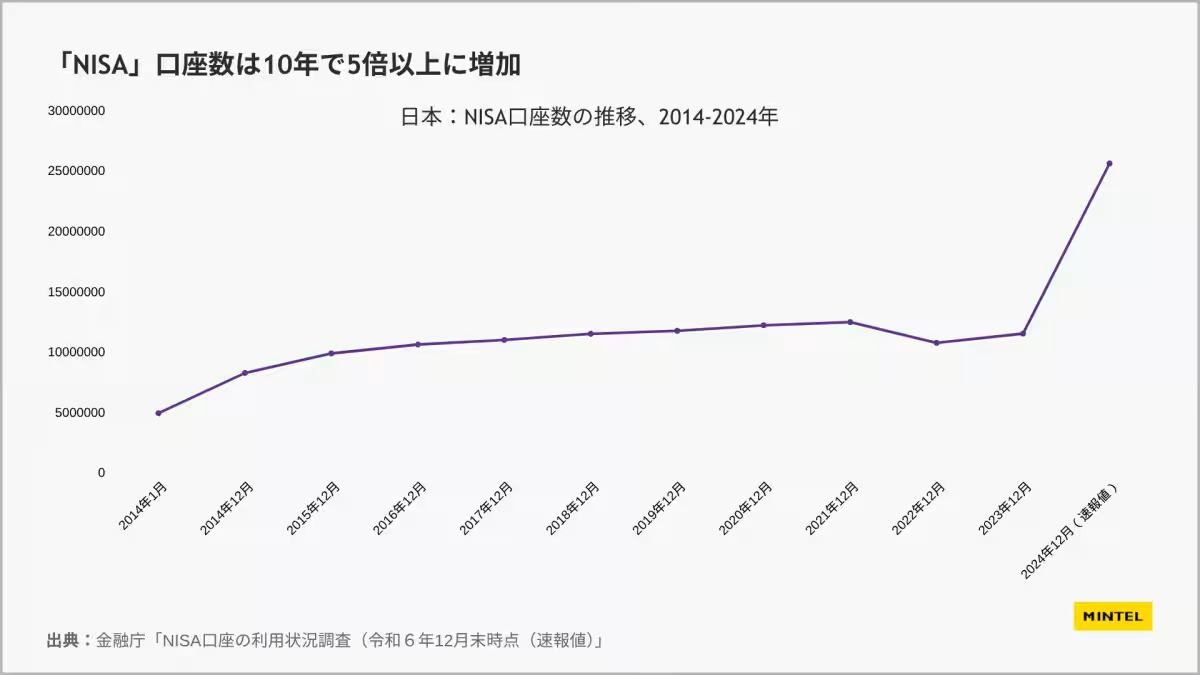
The role of financial education is crucial in shaping this cautious yet evolving financial behavior in Japan. The rising concern about retirement savings has led to an increase in NISA account usage, with the total exceeding 25.6 million accounts by the end of 2024, compared to just 1.15 million in 2023. This indicates a significant behavioral shift, where traditional saving methods are giving way to investment as a means of financial security.
Moreover, financial education initiatives are becoming more innovative, particularly through gaming. SMBC Group has developed an educational game called Quest of Finance to help younger generations learn essential financial principles in a fun and engaging manner. This approach simplifies the complexity of financial knowledge by combining gaming with education, enabling children and parents to learn together about money management.
As the trend for money activities grows, or “manekatsu”, so does the potential for interactive methods of teaching. Games based on popular platforms like Minecraft and card-game formats are emerging as effective educational tools. These programs not only make learning about finance approachable but also create opportunities for parents to engage their children in conversations about money management.
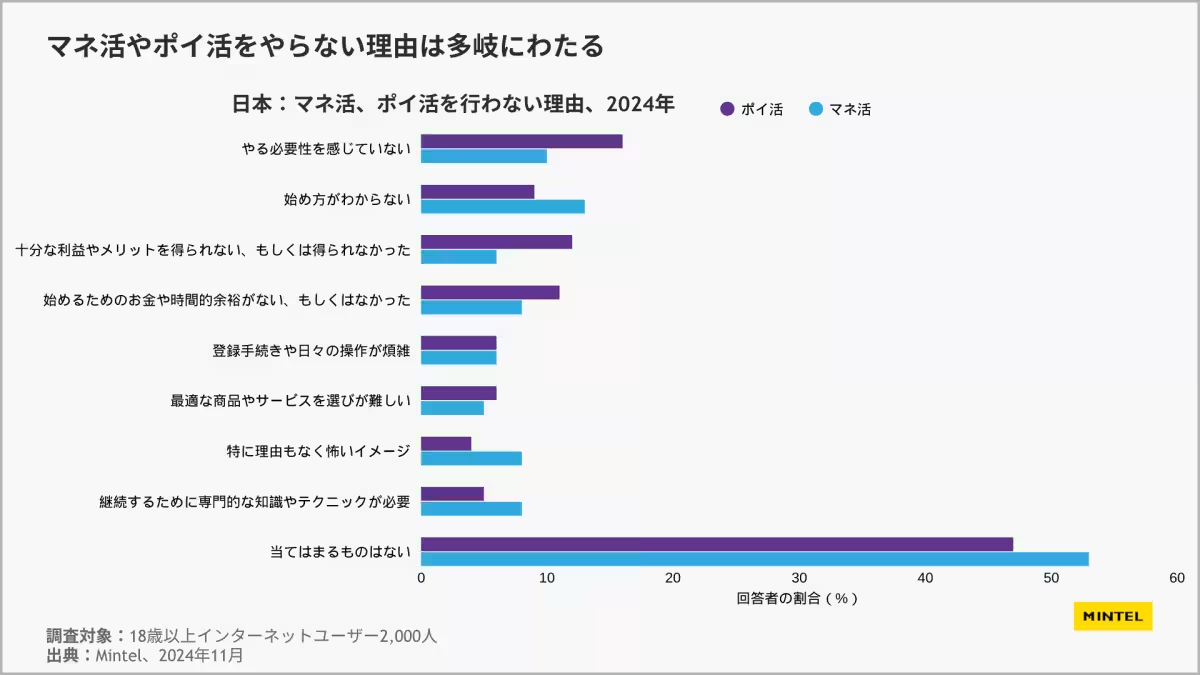
While Japanese consumers have shown enthusiasm for various money activities, a significant proportion continues to practice only point collection and rewards systems, showing a gap between interest and actionable investment participation. Many expressed that they lack the necessary knowledge or feel that engaging in investment activities is unnecessary, which points to an important area for development within financial education frameworks.
Conclusion: Navigating the Future of Financial Engagement
In summary, as awareness of money management heightens within Japan's younger generations, opportunities arise for businesses to promote innovative financial education methods. The intersection of family dynamics with the need for effective asset management presents a promising area for further exploration. With the integration of gaming into financial education, there’s the potential for a new wave of engagement that not only demystifies finance but also empowers consumers to take actionable steps towards securing their financial futures. As economic behaviors continue to evolve, staying attuned to these trends will be critical for policymakers and educators alike.
The Mintel Japan report serves as an invaluable resource in understanding these dynamics, shedding light on the shifting attitudes towards saving and investing in a changing economic landscape.



Topics Financial Services & Investing)
【About Using Articles】
You can freely use the title and article content by linking to the page where the article is posted.
※ Images cannot be used.
【About Links】
Links are free to use.