



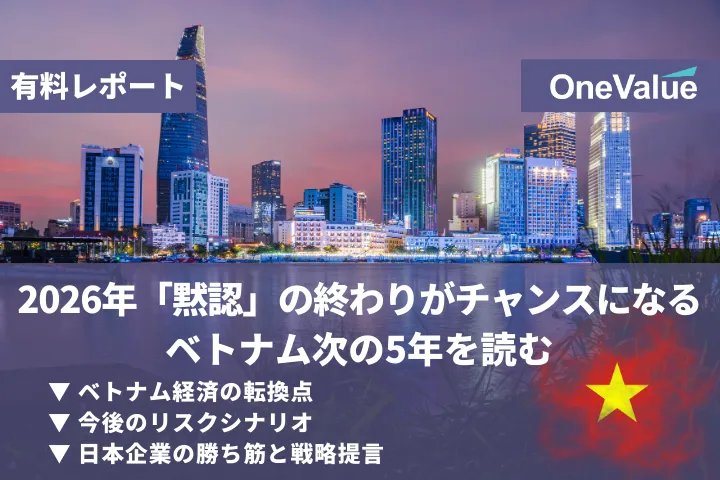
Opportunities Arising from the End of 'Toleration': Insights into Vietnam's Market by 2026
Exploring Opportunities in Vietnam's Dynamic Market Landscape
In 2026, Vietnam stands at a pivotal juncture, with its economy shifting from a focus on quantity to one emphasizing quality. This transition follows the anticipated outcomes of the 14th Communist Party Congress, setting a significant roadmap for the nation’s future. The culmination of informal processes, known as "toleration," signals transformative changes in the business landscape. With ambitious growth goals for the medium-term socioeconomic development plan (SEDP) targeting over 10% GDP growth from 2026 to 2030, businesses must adapt to these changes to remain competitive.
Macroeconomic Outlook and New Growth Models
The report projects key economic indicators leading up to 2030, highlighting a shift from traditional growth engines, such as labor-intensive exports, to new engines driven by high-tech, digital, and green initiatives. This transition reflects Vietnam's potential to harness its fiscal capabilities to accelerate public investment and improve the debt situation, positioning itself as a robust player in the Southeast Asian market.
Reforming Institutional Frameworks and Business Environment
Vietnam is transitioning from a culture of "toleration" to an environment governed by the rule of law. This shift emphasizes compliance and anti-corruption measures that significantly impact Japanese companies operating in Vietnam. The report analyzes the implementation of major laws affecting investment, land use, and business operations, elucidating the practical changes that businesses must navigate. Additionally, the digitization of administrative processes (e-Government) is projected to reduce operational costs significantly, enhancing overall business efficiency.
Key Growth Sectors Beyond 2026
Investment opportunities abound in sectors such as semiconductors, AI, and renewable energy. The government’s commitment to strategies promoting these industries points toward a future filled with substantial investment prospects, particularly in logistics infrastructure projects like the North-South High-Speed Railway and Long Thanh International Airport. Furthermore, the increasing purchasing power is expected to spur growth in modern retail, healthcare, and education sectors.
The Rise of Private Sector and Foreign Investment
As major Vietnamese private groups (e.g., Vingroup) evolve, new dynamics are emerging, particularly in supply chain participation from local SMEs. The differentiation of foreign direct investment (FDI) is also notable, focusing on favorably treating high value-added and high-tech projects. Understanding these shifts is critical for new business development leads seeking collaborative ventures in Vietnam.
Accelerating Digital Economy and Innovation
Vietnam aims for the digital economy to represent 30% of its GDP by 2030. The ongoing expansion of payment infrastructure, fintech advancements, and the next phases of e-commerce are reshaping the economic landscape, facilitating innovation and growth. The increasing budget for scientific and technological endeavors further supports the maturation of the domestic startup ecosystem.
Labor Market Evolution and Talent Acquisition
The demographic transition following 2026 highlights the importance of securing skilled labor amid the tail end of the "demographic bonus." Strategies focusing on labor productivity enhancement, including automation and robotics, are fundamental to meet the demands of a dynamically changing economy.
Risk Scenarios for the Post-2026 Era
Potential risks underscore the possibility of administrative stagnation due to stringent anti-corruption efforts linked to the "burning furnace" policy. Issues such as recurring electricity shortages and energy security could arise, alongside the competitive landscape for attracting foreign investment influenced by complexities like the US-China tensions and global minimum taxation.
Strategic Recommendations for Japanese Companies
To thrive, Japanese businesses must pivot away from the traditional reliance on cheap labor to leverage opportunities presented by increased market transparency. Emphasizing transparent management and branding will be crucial. Strategic mergers and acquisitions should be employed to facilitate rapid market entry and resource acquisition, while thorough market due diligence is essential to navigate risks associated with this transitional period. Consulting agencies can provide the necessary support for adapting to evolving regulatory frameworks and building local networking capabilities.
This report serves as a foundational guide for executives and strategy planners seeking to navigate Vietnam’s evolving economic landscape, providing insights into macroeconomic projections, growth models, reform trajectories, and actionable strategies. With Vietnam's evolving market, now is the time to explore potential partnerships and investment avenues within this vibrant economy.
Company Overview
ONE-VALUE Corporation has been a trusted partner in Vietnamese talent utilization and management consulting since its inception. Our deep expertise and extensive experience facilitate effective solutions for businesses expanding between Japan and Vietnam. We are committed to delivering the most effective strategies tailored to our clients' needs. With a focus on Vietnam and a comprehensive network, ONE-VALUE stands as a leading authority in navigating the local market.
For further information on our reports and services, please visit our websites: Vietbiz and report shop.

Topics Business Technology)
【About Using Articles】
You can freely use the title and article content by linking to the page where the article is posted.
※ Images cannot be used.
【About Links】
Links are free to use.