



Divided Views on Mother's Day Gifts: Survey Reveals Consumer Trends
Exploring Mother's Day Gift Trends: A Recent Survey Analysis
Mother's Day is traditionally celebrated with carnation flowers, but gift-giving has evolved dramatically in recent years. To understand current trends, a comprehensive survey was conducted by For-IT Co., the company behind the affiliate marketing platform, afb, targeting 500 men and women aged 10 to 59 across Japan. The survey aimed to uncover what people value when selecting gifts for their mothers.
Survey Background
The survey sheds light on the diverse options available for Mother's Day gifts beyond the classic carnation. Participants were asked about their preferences and priorities, providing invaluable insights into consumer behavior and attitudes towards gifting.
Survey Details:
- - Participants: 500 individuals aged 10 to 59
- - Method: Online research
Key Findings
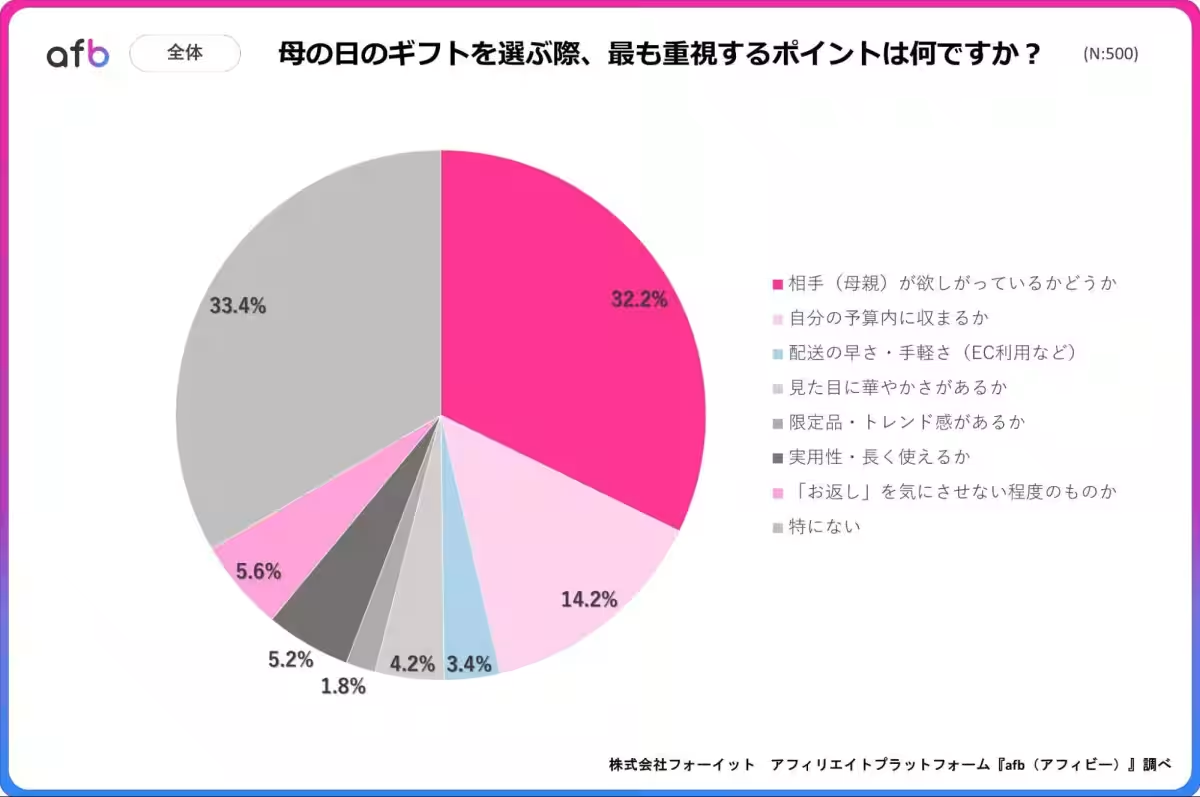
When asked about the most important factor in choosing a Mother's Day gift, the predominant response was whether the mother would desire the gift, with 32.2% of respondents selecting this option. Following this, 14.2% prioritized staying within their budget, while 5.6% considered how much the gift might require a reciprocal gesture. Intriguingly, over a third of respondents (33.4%) answered that they had no specific criteria when selecting a gift, highlighting a split in consumer attitudes.
Generational Differences in Gift Preferences
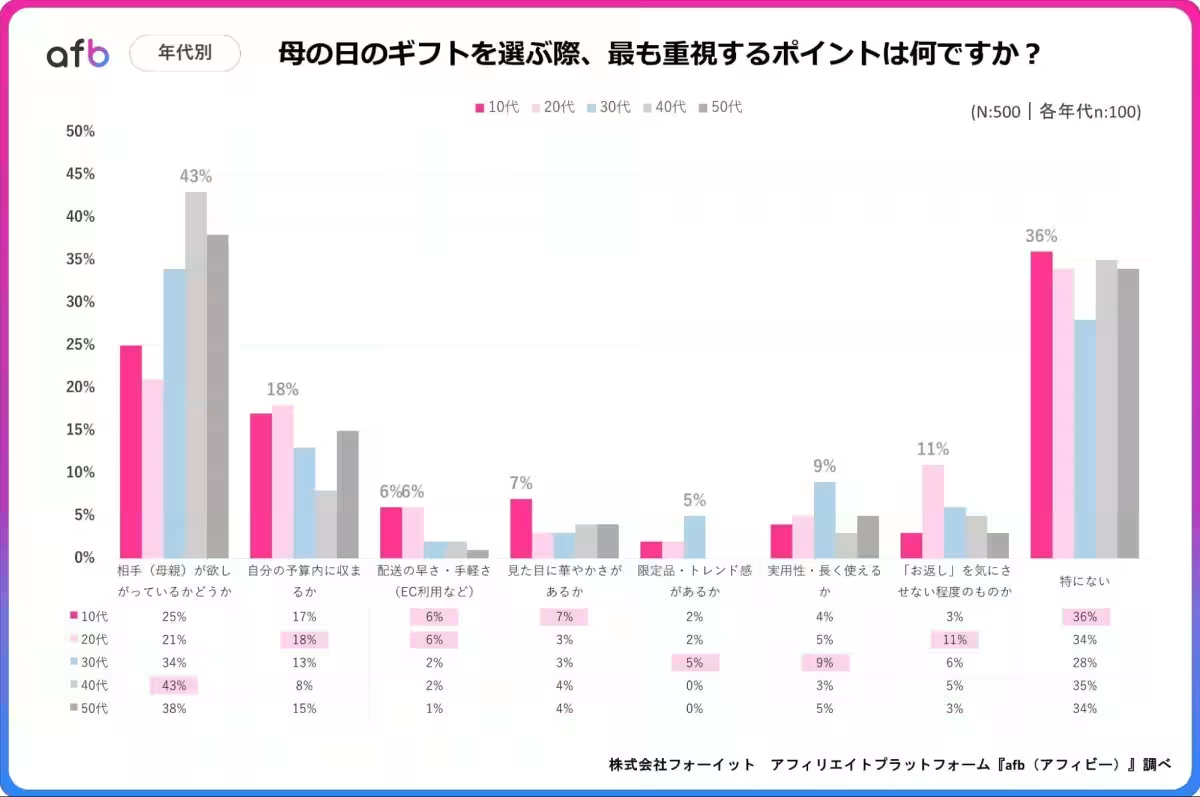
The survey results vary significantly among different age groups, suggesting that consumer values evolve with life experiences. For example, 43% of respondents in their 40s placed high importance on whether their mothers wanted the gift, showing a stronger inclination towards empathy and understanding of their mother's desires. By contrast, those in their 20s and 30s were more likely to focus on practical considerations like budget and the implications of 'gift reciprocity'. This generation's notable percentage (over 30%) responding with 'none' indicates some uncertainty or lack of strong criteria in their gift selection process.
Differing Perspectives: Gender Analysis
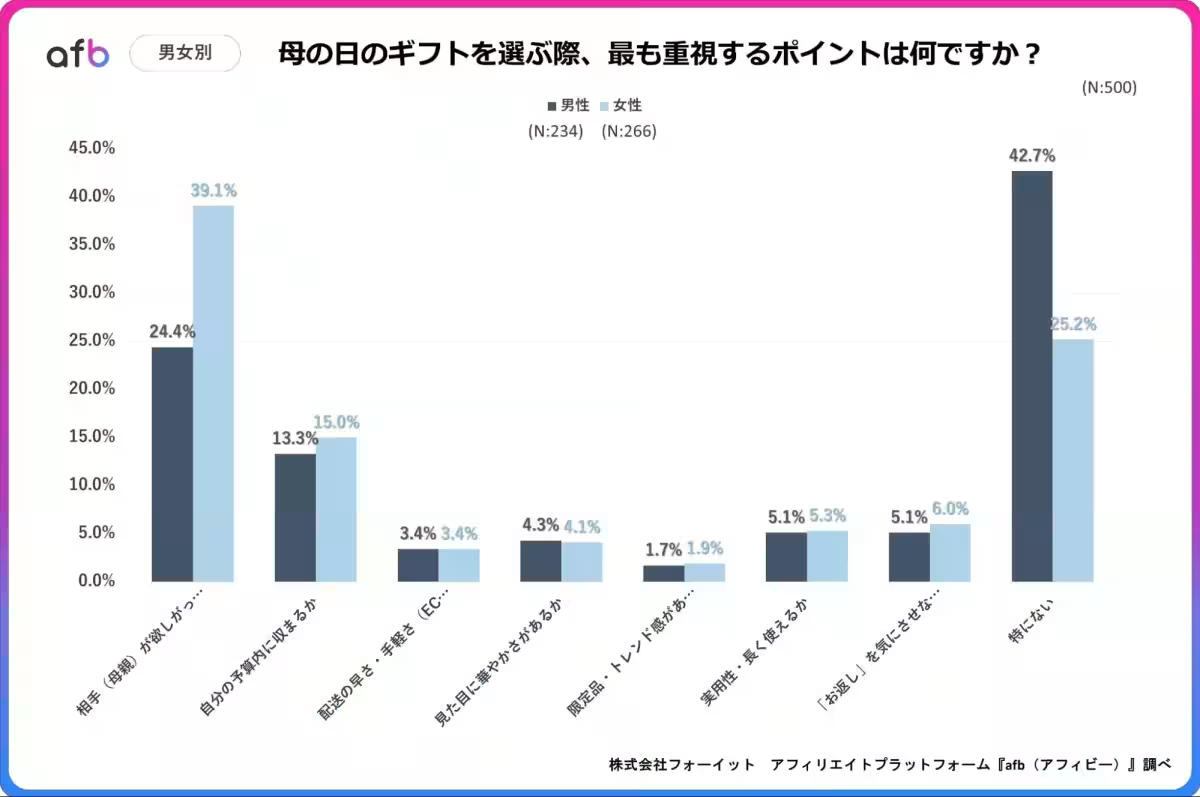
Separating the data by gender reveals further insights. Among women, 39.1% selected the importance of their mom's desires, significantly exceeding the male response rate. Women seem to prioritize empathy and emotional connection in their gift choices. Conversely, a striking 42.7% of men indicated 'none' as their criteria, suggesting they approach gift-giving with less defined standards, often relying on habitual or contextual judgments. While there was little divergence on practical issues like budgeting, women appear more inclined to prioritize emotional resonance in their gifting decisions.
Marital Status and Gifting Approaches
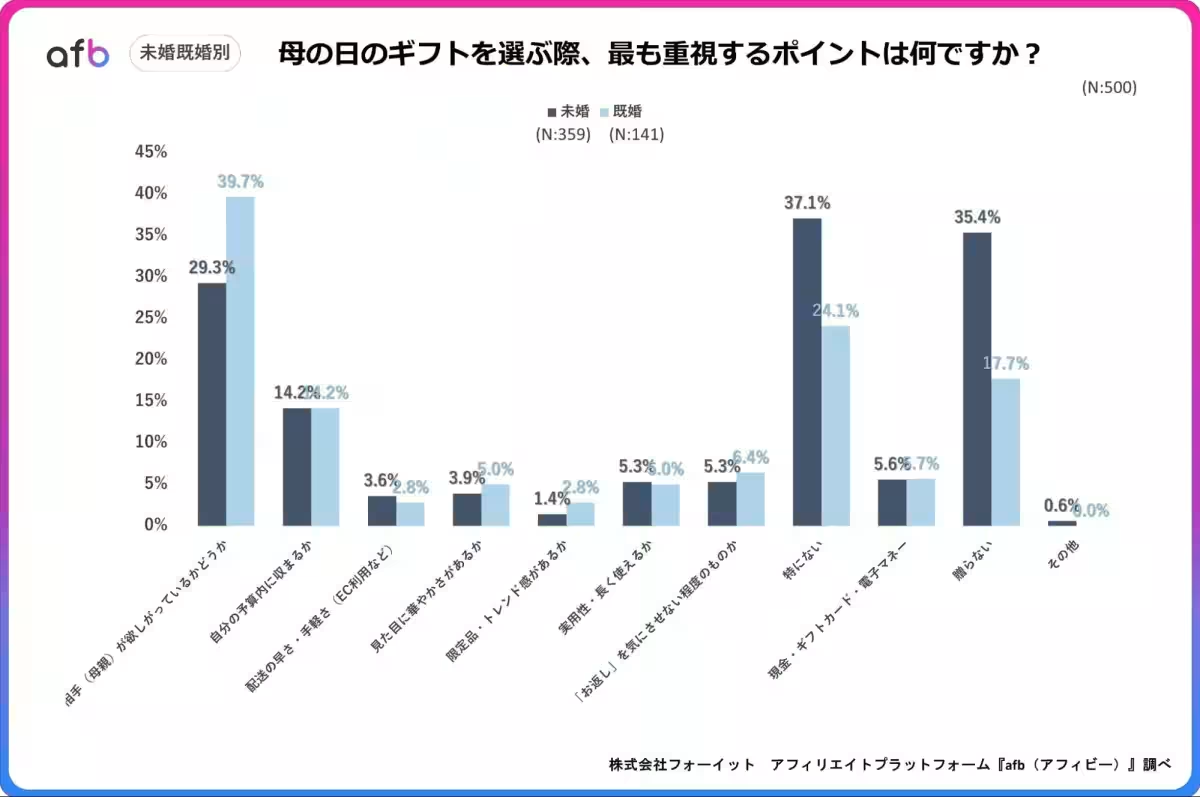
The implications of life stage on gift selection were also made clear. Married individuals emphasized their mom’s desires significantly more than their unmarried counterparts (39.7% vs. 27.6%). This difference underscores how familial contexts enhance one's attentiveness towards the needs of their mothers. The stark percentage of single respondents who answered 'none' (37.1%) merits attention, indicating either a disconnect from the necessity of gift-giving on occasions such as Mother's Day or that it holds less significance in their lives.
Conclusions and Future Perspectives
This inquiry into Mother's Day gifting trends reveals a landscape marked by distinct attitudes shaped by age, gender, and marital status. While there is a strong emphasis on understanding the recipient's desires among older and female respondents, a significant number of people, particularly younger and unmarried individuals, lack a clear benchmark for their choices. As gifting practices continue to diversify and evolve, the importance of aligning offerings with the emotional and practical considerations of various demographics becomes ever more vital.
For further insights and findings from the survey, please refer to the official research link: afg.

Topics Consumer Products & Retail)
【About Using Articles】
You can freely use the title and article content by linking to the page where the article is posted.
※ Images cannot be used.
【About Links】
Links are free to use.